
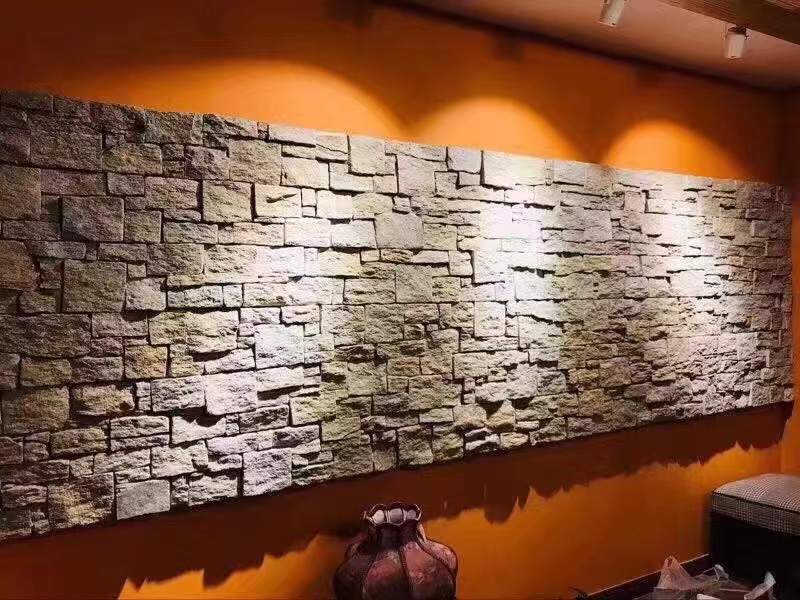
Exterior cladding specification for large-scale commercial facades directly influences project margins by dictating on-site labor hours and long-term weatherproofing risks. Selecting stone systems that lack modular precision often leads to thermal cracking and moisture ingress, resulting in expensive warranty claims and structural degradation for developers.
Top Source Stone addresses these failure points with an interlocking Z-panel system tested for extreme fluctuations between -30°C and +50°C. By applying CNC-diamond precision edging and a cement-backed modular blueprint, we ensure a seamless finish and high salinity resistance for the most demanding geographical climates.
Why Z-Shape Panels are Ideal for Large-Scale Exterior Facades?
Interlocking Z-panels provide a modular solution for massive facades, combining rapid installation with structural stability to achieve natural stone aesthetics at a fraction of traditional labor costs.
Scaling Efficiency through Interlocking Modular Blueprints
Large commercial developments depend on tight construction schedules. Z-shape panels accelerate these timelines by simplifying the assembly process. Our interlocking modular blueprint allows installation crews to bypass the extensive substrate preparation and meticulous stone sorting required for traditional masonry. We design the male-female connections to slot together instinctively, turning a complex stone-laying job into a systematic assembly process.
- Labor Reduction: Rapid installation speeds significantly lower on-site labor hours, directly protecting project margins for commercial tenders.
- Load Distribution: The interlocking geometry ensures uniform load distribution across the facade, maintaining structural integrity even in high-wind zones.
- Aesthetic Scalability: We utilize batch-specific selection from single quarry veins to ensure color consistency across thousands of square meters.
CNC-Diamond Precision Edging for Seamless Joint Concealment
A wide-span exterior wall reveals every flaw if the joints do not align perfectly. We use CNC-diamond blade edges to ensure a tight modular fit and perfectly clean lines. This manufacturing precision eliminates the visible “stepped” gaps often found in hand-cut products. The result is a seamless architectural finish that conceals the installation substrate while providing a professional, monolithic appearance.
- Thermal Resistance: Our panels are tested for extreme fluctuations from -30°C to +50°C, ensuring no warping or cracking in Northern US or Middle Eastern climates.
- Precision Fit: CNC-diamond edging ensures individual panels disappear into a continuous stone face without visible vertical joints.
- Weather Shielding: The tight interlocking connection prevents moisture ingress, protecting the underlying building envelope from rain and humidity.

Managing Thermal Expansion: How Interlock Handles Cold and Heat?
Natural stone panels use a modular Z-shape design and specific expansion gaps to absorb micro-movements, preventing cracking during extreme temperature shifts from -30°C to +50°C.
Accommodating Movement with Interlocking Joints
Natural stone is a live material that expands and contracts as the environment shifts. Without a dedicated mechanism for movement, الكسوة الحجرية under thermal stress will eventually warp, crack, or delaminate from the substrate. Our interlocking modular blueprint addresses this by treating the wall as a flexible system rather than a rigid monolith.
- Expansion Gap Standards: We recommend a 1/16 inch to 3/16 inch gap between panels to allow for predictable material movement.
- Stress Distribution: The Z-shape geometry distributes external forces across multiple locking points instead of concentrating pressure on individual fasteners.
- Independent Articulation: Individual panels shift independently, which eliminates visible “stepped” gaps or vertical joint failure often seen in straight-edge systems.
Thermal Expansion Resilience Tested for Extreme Climates
أعلى مصدر الحجر systems are engineered for geographical versatility. We test our cement-backed stone panels to maintain structural integrity in both arctic and desert conditions. The high thermal mass of the cement backing stabilizes the building envelope, reducing the speed of temperature transfer to the interior structure.
- Temperature Tolerance: Verified performance from -30°C in Northern regions to +50°C in high-heat zones.
- UV-Reflective Materials: Specific models like Oyster Shell and Silver Quartz quartzite provide high reflectivity, keeping wall surfaces significantly cooler in the Middle East and Australia.
- Environmental Resistance: High salinity and humidity resistance ensure the bond between the natural stone and the cement backing remains intact in coastal climates.
- Engineering Specs: Our 2026 standards prioritize high-density Gneiss and Quartzite for maximum load-bearing strength during freeze-thaw cycles.
Premium Factory-Direct Stacked Stone Ledger Panels

Preventing “White Stains”: Efflorescence Control in Z-Systems
Efflorescence happens when water moves internal salts to the stone surface. We stop this by using low-alkali cement backings and engineered drainage to block mineral migration.
The Mechanics of Mineral Migration in Exterior Cladding
White crystalline powder on a stone facade usually indicates a moisture management failure. This process, known as efflorescence, is a physical reaction where water acts as a carrier for minerals trapped within the wall assembly. When these minerals reach the surface and the water evaporates, they leave behind unsightly calcium deposits.
- Solution Transport: Water enters the wall assembly and dissolves calcium hydroxide or other soluble salts found in traditional mortars.
- Capillary Action: This mineral-rich liquid moves through the stone or joints toward the exterior surface.
- Evaporation: As the air dries the surface, it leaves the characteristic white powder behind.
- Trap Prevention: The interlocking Z-shape design requires precise joint sealing to avoid water traps that accelerate salt buildup in recessed areas.
High Salinity Resistance and Low-Alkali Cement Engineering
أعلى مصدر الحجر mitigates efflorescence by re-engineering the panel backing. Since many exterior projects in 2026 target high-salinity coastal environments or humid climates, we focus on removing the chemical triggers of mineral migration at the factory level.
- Low-Alkali Backing: We use low-alkali Portland cement in our factory-backed panels to minimize the available salt source within the system.
- Environmental Defense: The cement-backed system handles high salinity and humidity, making it suitable for coastal commercial developments.
- Vapor Permeability: Applying pH-neutral siloxane sealants protects the face from liquid water while letting internal vapor escape safely.
- Installation Standards: Using ASTM-compliant low-alkali mortars for the final installation further reduces the risk of secondary efflorescence from the substrate.
Drainage and Rainscreens: Integrating Z-Panels into the Wall System
Modern rainscreens use a ventilated air gap to drain water and vent vapor. Precision-cut Z-panels integrated with Z-girts prevent moisture entrapment, mold, and structural rot.
| System Component | Technical Specification | Primary Function |
|---|---|---|
| Z-Girt Framing | 1-1/2″ to 4″ depth | Structural support & cavity creation |
| Drainage Cavity | Min. 3/4-inch (19mm) gap | Moisture weeping & air ventilation |
| Top Source Stone Z-Panels | Cement-backed (80kg/sq.m) | Weather-resistant exterior cladding |
| Thermal Tolerance | -30°C to +50°C | Expansion & contraction management |
Principles of Ventilated Rainscreen Wall Assemblies
Modern wall design treats moisture as an inevitability rather than a possibility. A ventilated rainscreen functions as a multi-layered defense system. The assembly moves from the building structure to a weather-resistant barrier (WRB), followed by continuous insulation and a dedicated drainage cavity. This cavity provides a break where liquid water can fall away from the substrate.
- Cavity Depth: Designers must maintain a minimum 3/4-inch gap at the base to ensure effective moisture weeping.
- Vapor Escape: Top venting provisions allow air to circulate, accelerating wall drying and preventing the damp conditions that lead to mold.
- Liquid Management: Perforated or slotted channels at the assembly base direct water out of the cavity and away from the building foundation.
- Secondary Protection: High-performance drainage mats, such as 95% open designs, provide a continuous capillary break for absorptive الكسوة الحجرية.
Thermal Expansion Resistance and Moisture Control in Cement-Backed Systems
Large-scale B2B projects require cladding that maintains structural integrity under environmental stress. Cement-backed stone panels offer a rigid, stable substrate that outperforms mesh-backed alternatives in high-humidity rainscreen environments. The engineered backing resists delamination, ensuring the stone remains bonded to the panel even when exposed to constant moisture cycles.
- Temperature Range: Top Source Stone panels withstand fluctuations from -30°C to +50°C, making them suitable for both Northern Canadian winters and Middle Eastern heat.
- Modular Precision: CNC-diamond precision edging allows for a tight interlocking fit. This minimizes visible gaps while providing a uniform attachment plane for Z-girt framing.
- Load Distribution: Heavy-duty stone panels weighing up to 80kg/sq.m integrate with Z-girt flanges (1-1/2″ wide) to distribute weight evenly across the building envelope.
- Efficiency at Scale: The Z-shape interlocking structure eliminates the need for extensive substrate preparation, reducing labor costs for commercial facades.
Long-Term Maintenance for Commercial Z-Panel Exteriors
Scheduled cleaning every 3 to 12 months using pH-neutral solutions and bi-annual inspections preserve Z-panel structural integrity and aesthetic longevity across all commercial climates.
Natural stone cladding requires a systematic approach to protect the building envelope. While Top Source Stone panels are engineered for high durability, the surrounding environment dictates how often a facility manager needs to deploy maintenance crews to ensure the interlocking system remains functional and visually consistent.
Maintenance Schedules Based on Environmental Exposure
Project location is the primary factor in determining upkeep frequency. Salt air and industrial pollutants can accumulate on sheltered areas of the facade where rain cannot naturally wash them away.
- Inland/Urban (C2 Low Corrosivity): Perform a full system cleaning and inspection every 12 months.
- Coastal/Industrial (C3-C5 High Corrosivity): Increase maintenance frequency to every 3 or 6 months to prevent salt-induced surface degradation.
- Visual Audits: Conduct formal walk-throughs twice a year to identify loose fasteners or shifts in panel joints, especially after extreme weather events.
- Debris Clearing: Remove dirt and organic matter promptly to prevent moisture from becoming trapped against the cement-backed substrate.
Preserving Surface Integrity with pH-Neutral Care
Natural stone is resilient but sensitive to chemical erosion. Using the wrong cleaning agent can strip the natural cleft finish or cause permanent discoloration in slate and quartzite panels.
- Cleaning Tools: Use soft-bristle brushes and pH-neutral stone cleaners to remove surface stains without scratching the split-face texture.
- Prohibited Chemicals: Avoid bleach, ammonia, and acidic solutions that etch the stone or damage the interlocking modular structure.
- Pressure Limits: Utilize low-pressure washing for large-scale commercial facades to avoid forcing moisture behind the weather-resistant barrier.
- Sealant Application: Apply high-quality stone sealers to reinforce the system’s resistance to UV exposure and high salinity in marine environments.
Proper maintenance also protects the manufacturer’s warranty. Keeping documented records of cleaning cycles ensures that the Z-panel system continues to perform as a high-strength architectural finish for decades.
أسئلة مكررة
Are Z-shape stone panels waterproof for exterior wall applications?
Natural stone panels provide excellent weather resistance but do not function as a standalone waterproof barrier. For 2026 building standards, you must install a moisture-resistant barrier on the substrate and use proper flashing to manage water drainage behind the cladding.
Do exterior Z-stone panels require regular sealing?
We recommend applying two coats of a high-quality penetrating sealer after installation. This prevents deep stains, protects the stone from UV-related color shifts, and allows you to clean the facade easily with a standard garden hose.
Can interlocking stone systems withstand sub-zero temperatures?
Yes. High-density stone like Granite and Quartzite resists freeze-thaw cycles because of its low water absorption. The interlocking modular design also accommodates thermal movement, which prevents the surface cracking often seen in solid poured concrete during extreme temperature swings.
How do I prevent white efflorescence stains on the stone surface?
Control moisture by using waterproofing membranes and selecting Type N mortar with low cement content. Ensure the wall design includes proper drainage and slopes that direct water away from the stone face to stop salt migration.
What is the best stone material for commercial building facades?
Granite is the most durable choice for high-traffic commercial exteriors due to its hardness and wear resistance. Quartzite and Slate are also excellent options, providing a balance of structural strength and distinct architectural textures.
What is the minimum order quantity for custom B2B stone projects?
Our standard MOQ for wholesale orders, including private label packaging or custom stone sizes, is 300 square meters. This allows us to source material from the same quarry vein to ensure color consistency across your entire project.
