
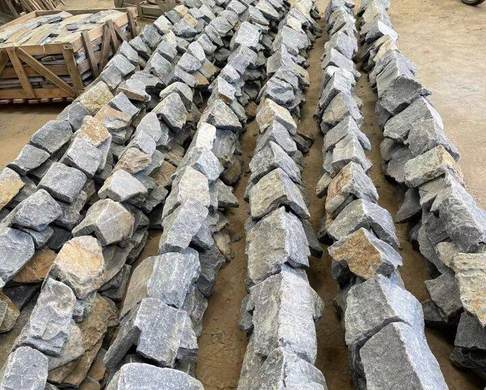
Mastering waste factor math (ops) determines whether a stone masonry project yields a profit or dissolves into the logistical nightmare of a short-order delivery. Most estimators rely on a flat ten percent buffer, yet this figure fails to account for the physical realities of loose stone, leading to stalled job sites and expensive less-than-truckload shipping fees that erase margins. When the stone count falls short on the final day, the cost of labor downtime often exceeds the price of the material itself.
This guide establishes a technical standard for calculating 12.5% overage by analyzing the specific variables of dry stack versus grout joint installation. We examine the geometry of corner area deductions to prevent double-ordering and set clear benchmarks for acceptable shipping breakage. By following this operational framework, you can accurately bid stone veneer projects, manage crate yields, and ensure your crew has the small fillers necessary to complete a tight, professional finish without mid-project shortages.
Why the Standard 10% Waste Factor is Often Too Low for Loose Stone
Estimating thin stone veneer based on general construction benchmarks ignores the geometric reality of loose stone masonry, where joint style and site-specific trimming can drive actual material loss toward 20%.
Standard estimation models usually rely on a flat 10% buffer, but this rarely accounts for the high-precision requirements of premium natural stone installations. In 2026, project profitability depends on recognizing that “waste” is not just broken material; it is the necessary byproduct of achieving a specific aesthetic. When masons work with Top Source Stone’s individually sawn-back loose pieces, they prioritize the face-side visual, often discarding substantial fragments to maintain the “Bespoke Random-Lay Pattern.
Impact of Joint Design on Material Requirements
Joint style dictates the volume of stone needed to cover a specific square footage. A half-inch raked joint allows for more mortar and less stone, which aligns well with the traditional 10% waste figure. However, modern architectural trends increasingly favor tight-fit or medium joints. These styles require masons to trim almost every edge to ensure the stones sit flush, effectively shrinking the usable surface area of each piece.
Dry stack applications represent the most demanding scenario. Because there is no mortar joint to bridge the gaps, installers must “puzzle-piece” the stones together. This process involves significant chipping and shaping on-site. For these projects, we recommend a minimum 15-20% surplus to prevent the crew from running out of material mid-wall, which would lead to costly LTL re-orders and potential color matching issues between quarry batches.
Complexity of Cutting and Architectural Details
Architectural obstacles like window returns, electrical outlets, and non-standard wall heights drastically increase the frequency of cuts. Every time a mason trims a 200mm stone to fit a 150mm space, the 50mm remainder often becomes unusable scrap. While some small “fillers” are useful, a high density of detail work leads to a cumulative loss that standard estimates fail to capture.
- Window and Door Wraps: Cutting stones to meet “Authentic Masonry Corner Wraps” around openings creates significant off-cut volume.
- Quality Rejection: Installers often set aside pieces with color streaks or textures that break the “Zero-Repeat Natural Variation” of the feature wall.
- Substrate Transitions: Fitting stone against varying soffit heights or existing trim requires horizontal trimming that consumes full-height pieces.
Natural Stone Variability and Shipping Loss
Natural quartzite and sandstone possess inherent geological variations. Even with our “Quarry-to-Project Consistency” protocols, individual pieces may develop micro-cracks during the rigors of international shipping. While our plywood crates and 15-layer packing minimize movement, the vibration of transport can result in a 2-5% breakage rate for LTL shipments.
Maintaining a higher waste factor ensures that these inevitable shipping chips do not derail the 2026 construction schedule. Masons can use broken pieces as small fillers in dry stack applications, but relying on them for structural coverage is a risk to the project’s visual integrity. B2B buyers should treat the waste factor as an insurance policy against logistical variables.
Would you like me to draft the next section on “Calculating Trimming Waste in Dry Stack vs. Grout Joints” including the [CORE] data table?
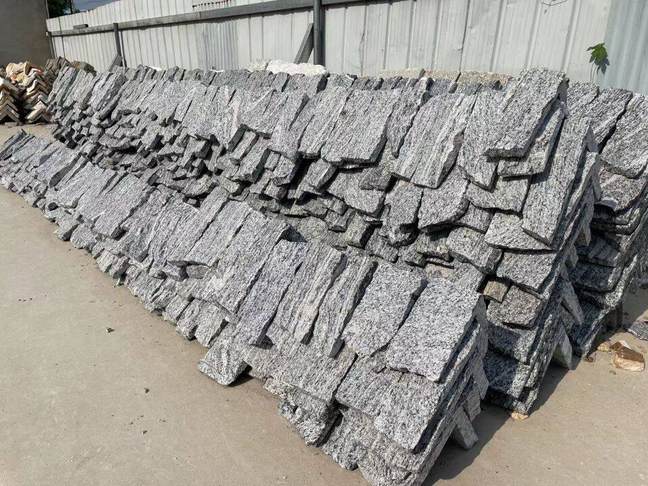
Calculating Trimming Waste in Dry Stack vs. Grout Joints
Estimating material needs requires balancing the 100% Sawn-Back efficiency of Top Source Stone with the specific cutting demands of the chosen masonry pattern.
Installation methods dictate the volume of material lost to quality rejection and on-site modifications. While a standard 10% waste factor covers basic rectangular layouts, natural thin stone veneer projects involving tight tolerances often see these rates climb. Precision-cut backs reduce labor by 30%, yet the face-side aesthetics depend entirely on how the installer manages the gap between individual pieces.
| Installation Style | Average Waste Factor | Primary Loss Drivers |
|---|---|---|
| Standard Grout Joint | 10% – 12% | End-of-row cuts and basic perimeter trimming. |
| Dry Stack (Bespoke) | 15% – 20% | Extensive chipping and fitting for tight tolerances. |
| Complex/Architectural | 20%+ | Intricate radius walls, multiple windows, and custom headers. |
Dry Stack Precision Requirements
Dry stack applications demand a Bespoke Random-Lay Pattern where stones sit tightly against one another without visible mortar. This technique creates a high-end, contemporary look but forces masons to trim almost every edge to ensure “tight” fitment. Because the installer cannot use grout to hide gaps, the rate of stone rejection and trimming dust increases significantly. We recommend a minimum 15% overage for any dry stack project to avoid project stalls.
Grout Joint Efficiency
Grout joints accommodate natural variations in stone height and width more effectively than dry stacking. By using a 1/2-inch raked joint, the installer gains surface coverage from the mortar itself, which naturally lowers the stone volume required. This method proves most efficient for exterior applications where “Climate-Tested Durability” is a priority, as the mortar provides a critical secondary seal against moisture ingress in freeze-thaw environments.
Premium Stacked Stone for Architectural Excellence

The “Corner Area” Deduction: Avoiding Duplicate Ordering of Flats
Properly subtracting the square footage covered by L-shaped corners prevents over-ordering flat stones and protects your project margins.
Miscalculating the relationship between linear feet of corners and square feet of flats is a common industry error. Since Authentic Masonry Corner Wraps cover a portion of the flat wall surface, failing to deduct this area leads to excess inventory. Our L-shaped corners typically provide 0.75 square feet of coverage for every linear foot of height.
| Corner Height (Linear Ft) | Flat Area Deduction | Impact on Order |
|---|---|---|
| 10 Linear Feet | 7.5 Square Feet | Reduces flat stone requirement by ~7.5 sq ft. |
| 50 Linear Feet | 37.5 Square Feet | Prevents ordering nearly 3 extra boxes of flats. |
| 100 Linear Feet | 75 Square Feet | Critical for bulk orders to maintain cash flow. |
Calculating the “Corner Footprint”
To calculate the deduction, first measure the total vertical height of all external corners. Multiply this linear footage by the 0.75 coverage factor. For example, a 20-foot tall pillar with four corners totals 80 linear feet, which covers 60 square feet of wall space. Subtract that 60 square feet from your total wall area before applying your 10-15% waste factor.
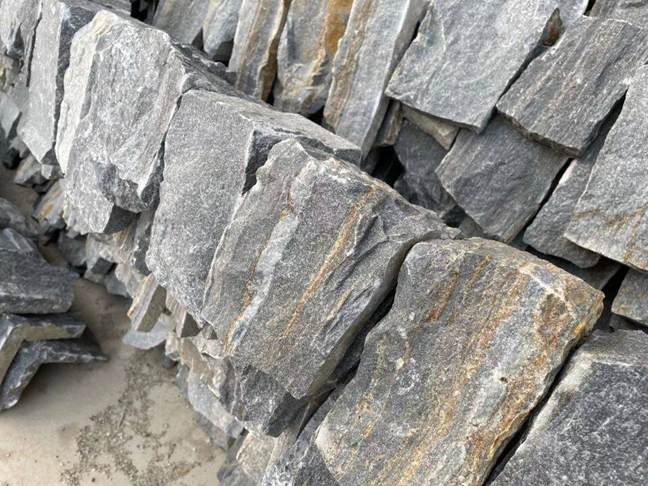
Accounting for Shipping Breakage: What is an Acceptable Rate?
Managing expectations for transit-related fractures ensures that minor breakage becomes useful “filler” material rather than a project delay.
Shipping natural stone involves high-density loads often exceeding 17.5 tons per container. While we use Fumigation Solid Wood or Plywood Crates to secure every 15 square meters of stone, the industry standard for acceptable breakage sits between 2% and 5%. Factors like LTL (Less-Than-Truckload) handling increase these risks due to multiple touchpoints.
| Shipping Method | Expected Damage Rate | Mitigation Strategy |
|---|---|---|
| Full Container Load (FCL) | < 2% | Direct delivery; minimal handling. |
| LTL / Third-Party Freight | 3% – 5% | Multiple trans-loads; higher vibration. |
| Peak Season Shipping | Variable (+1-2%) | Increased handling speed reduces care. |
Turning Breakage into Utility
A snapped stone is rarely wasted in a loose stone installation. Because our products are “Individually Sawn-Back,” even broken pieces maintain a flat bonding surface. Experienced masons utilize these smaller fragments as “infills” for tight gaps or as the starting/ending pieces for a row. This organic use of fractured stone maintains the “Zero-Repeat Natural Variation” essential for an authentic look.
Would you like me to generate an optimized packing list for a 300 square meter trial order based on these waste factors?
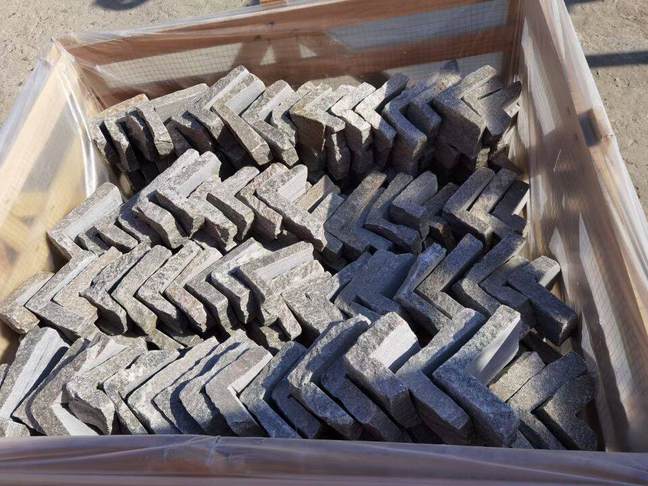
Why Small “Fillers” are Crucial for Project Profitability
Integrating small stone fragments into a bespoke random-lay pattern eliminates the need for precision-cutting full-sized units, directly protecting project margins by reducing both material waste and expensive labor hours.
Maximizing Yield Through Small Stone Integration
Installers often dismiss small stone fragments as debris, yet these pieces serve as essential gap fillers in a professional thin stone veneer application. By utilizing smaller units to address voids in irregular layouts, you preserve the integrity of larger individual stones for prominent focal points. This approach ensures 100% surface coverage without the inefficiency of cutting down full-sized material, which effectively lowers the total square footage required for 2026 projects.
Relying on these fillers also minimizes on-site mechanical cutting. When a mason uses the natural variety provided in the crate, they reduce tool wear and the accumulation of unusable dust. This practice maintains the “Individually Sawn-Back” advantage of Top Source Stone products, as the flat bonding surface of even the smallest fragment ensures maximum adhesion without extra preparation.
Preventing Material Shortages and LTL Logistics Costs
Strategic filler use acts as a vital safety net against project stalls. Running out of material when only 5% of a wall remains triggers expensive Less-Than-Truckload (LTL) shipping fees. Current market data shows LTL accessorial fees averaging $419 per shipment, costs that can instantly evaporate the profit on a residential or light commercial job.
- Using existing on-site fragments allows the crew to complete the final square footage without waiting for supplemental shipments.
- Every piece utilized from the 950kg crate contributes to the bottom line rather than the waste bin.
- Maintaining momentum ensures the installation team transitions to the next project on schedule, maximizing annual revenue.
Enhancing Aesthetic Value and Professional Finish
Small filler stones are the secret to achieving the seamless, grout-free look required for high-end dry stack aesthetics. Precision-placed fillers eliminate visible gaps between larger stones, maintaining the “Full-Depth Visual Integrity” that distinguishes real quarried stone from cheap, repetitive concrete alternatives. This dense installation creates a massive, structural appearance that justifies the premium investment.
Contractors who master the integration of these fragments avoid the “patchy” or artificial appearance common in rushed installations. Because Top Source Stone provides “Zero-Repeat Natural Variation,” using every size provided creates a truly organic texture. This attention to detail results in a superior finish that drives higher referral rates and reinforces your reputation as a technical expert in natural stone masonry.
Would you like me to develop the next section on managing LTL re-order costs and shortage prevention strategies?
The Cost of Shortages: Managing Small LTL Re-orders
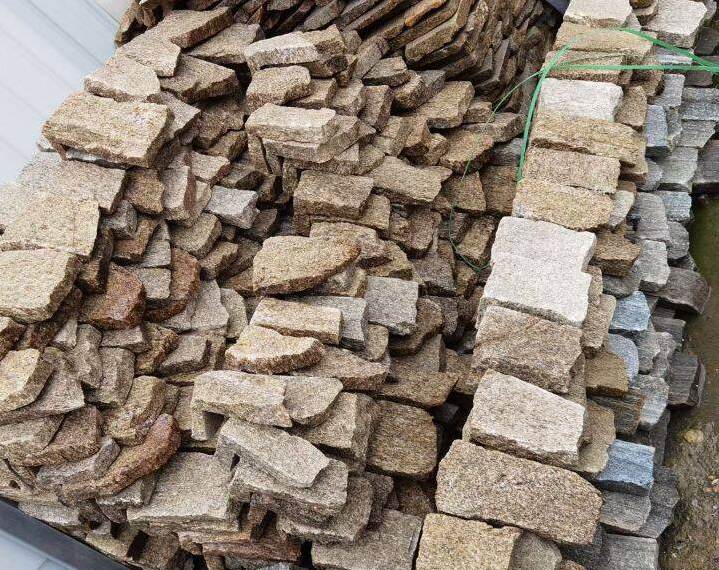
Inaccurate waste calculations frequently trigger “emergency” Less-Than-Truckload (LTL) shipments that can inflate logistics costs by over 40% per square foot compared to the initial bulk order.
Underestimating the material needed for a Thin Stone Veneer project does more than stall the installation; it forces procurement teams into the high-friction world of small-batch logistics. In 2026, the freight market remains disciplined regarding pricing, meaning a single pallet of Blue Quartzite Random Loose Stone or Ice White Quartzite ordered as a filler carries a disproportionate financial burden. These small re-orders bypass the efficiency of full container loading (18-26 crates) and instead enter the LTL network, where base rates and fuel surcharges are optimized for the carrier’s profit, not the contractor’s margin.
| Cost Vector | Bulk Order (Standard) | LTL Re-Order (Shortage) |
|---|---|---|
| Freight Efficiency | Optimized per-crate rate | $400+ average accessorial fees |
| Breakage Risk | Low (Minimal handling) | High (Frequent hub transfers) |
| Lead Time | Planned (10-25 days) | Expedited (High premiums) |
Financial Impact of Rush Freight and Surcharges
Expedited freight premiums represent a major vector for escalating costs throughout 2026. When a mason discovers they are 50 square feet short on a Bespoke Random-Lay Pattern, the priority shifts from cost-control to project completion. This desperation allows carriers to apply “limited-access” or residential delivery fees that often exceed $400 per shipment. For a B2B wholesaler, these fees eat directly into the net income of the project, often turning a profitable stone sale into a break-even or loss-leading headache.
Shipping Risks and Damage Claims in Small Batches
LTL shipments experience significantly higher breakage rates than full truckloads because the pallet undergoes multiple transfers at regional transit hubs. While Top Source Stone utilizes صناديق الخشب الرقائقي and Fumigation Solid Wood Crates to protect the 100% natural stone, the constant forklift activity in LTL terminals increases the risk of structural damage. Statistics show that damage claims for specialty stone products average nearly $3,800 annually for firms that frequently rely on small-batch re-orders. This instability threatens the “Full-Depth Visual Integrity” promised to the client, especially if the replacement batch arrives with cracked corners or shattered flats.
Operational Inefficiency and Profit Margin Erosion
Emergency re-ordering creates a ripple effect of inefficiency throughout the supply chain. Beyond the raw shipping costs, businesses often pay for outbound freight subsidies to satisfy frustrated customers waiting for missing materials. This logistical burden leads to unplanned overtime for warehouse staff and reduces the sales team’s ability to focus on new project acquisition. Instead of moving new inventory, the team spends hours tracking a single “filler” pallet, proving that the most expensive stone is the stone you forgot to order the first time.
Would you like me to generate a comparative shipping weight table for our top-selling quartzite vs. sandstone veneers to help refine your initial bulk order calculations?
Conclusion
Accurate waste calculation prevents costly LTL re-orders and ensures visual consistency across the project. Planning for a 12.5% overage covers trimming, shipping breakage, and corner overlaps to keep jobs on schedule. This precision protects project margins and helps maintain quarry-to-project consistency for the entire installation.
Review your current project specs or reach out to Top Source Stone for a copy of our technical core data manual. Our team can help calculate exact requirements for your next container-load order.
أسئلة مكررة
How much stone veneer should I order?
To determine the correct amount, calculate the total square footage of the wall surface (height x width) and add a waste factor of 10% to 20% depending on the complexity of the cut. You must also measure the vertical linear footage of all corners; since corner pieces cover some wall area, subtract approximately one square foot of flat stone for every linear foot of corner stone ordered.
Do I subtract windows from stone area?
Yes, you should subtract the square footage of large openings like windows and doors from your total wall area. However, for very small windows or decorative openings, many professionals choose not to subtract them; the “extra” material gained by including these small areas helps cover the waste generated by the intricate cuts required to stone around them.
How many corners do I need to order?
Corners are ordered by the linear foot. Measure the total vertical height of all external corners on the project to find this number. For example, if you have two corners that are each 10 feet high, you need to order 20 linear feet of corner veneer.
What is the waste factor for ledgestone?
Ledgestone typically requires a higher waste factor of 15% to 20%. Because ledgestone is often installed with tight joints or as a “dry stack” application, it involves significantly more trimming and precise fitting than stones with half-inch raked joints, which usually only require a 10% waste factor.
How many sqft of stone in a crate?
In the stone industry, a standard large crate typically contains 100 square feet of flat stone veneer. Corner pieces are usually packaged in smaller crates containing 50 to 100 linear feet. Always verify with your specific manufacturer, as some premium or heavy-duty stones may be packaged in smaller quantities to manage weight limits.
How to bid a stone veneer project?
To bid a project accurately, calculate the total cost of materials (flats, corners, mortar, and lath) including a 15% waste buffer. Add your labor costs—which are typically calculated per square foot for flats and per linear foot for corners—and incorporate expenses for equipment like scaffolding or saws. Finally, add a 10% to 20% margin for overhead and profit to ensure the project is both competitive and profitable.
