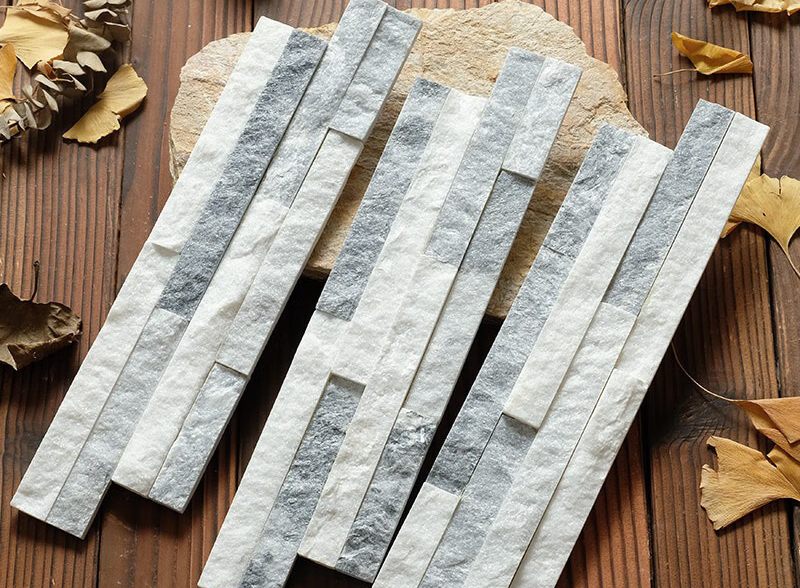
Sourcing Quartzite Ledger Panels without batch-specific control causes visual inconsistency that can derail premium cladding projects. For architectural suppliers, these aesthetic failures lead to costly disputes and lost project margins.
We solve this by ensuring 95% hue uniformity through same-batch quarry consistency. By benchmarking materials against Mohs 6-7 hardness and sub-0.5% porosity standards, we provide dealers with structural stability and a seamless interlocking finish.
Why Does Quartzite Stacked Stone “Sparkle” Under Architectural Lighting?
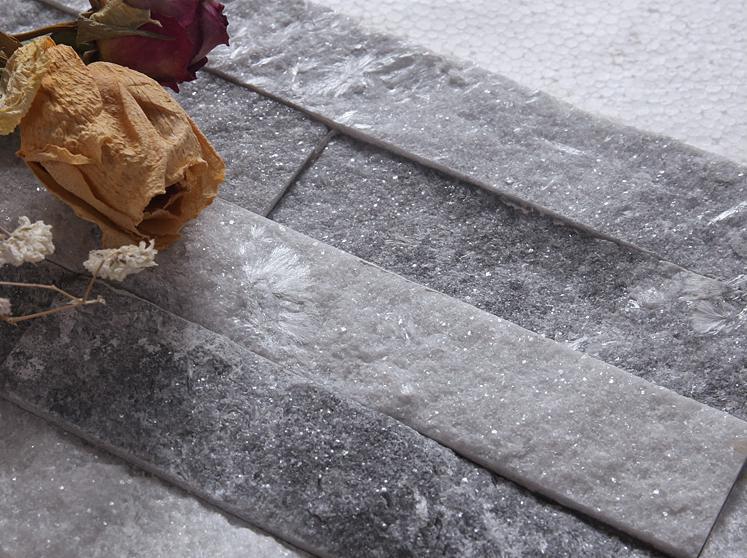
Quartzite sparkles due to dense crystalline structures that act as light amplifiers. These interlocking grains reflect both natural and artificial light to create visual depth and shimmer.
The Science of Crystalline Light Amplification
The shimmer found in quartzite is not a surface coating. It is the result of a metamorphic transformation where pure quartz sandstone is subjected to extreme heat and pressure. This process fuses the individual grains into a dense, interlocking crystalline structure. These crystals act as tiny mirrors within the stone itself.
Unlike materials like slate, which have a matte finish that absorbs light, quartzite is a natural light amplifier. This makes it a preferred choice for dark corridors or compact architectural spaces where maximizing illumination is a priority. The visual depth is further enhanced by mineral inclusions like mica, which add a secondary layer of glitter across the wall surface.
- Reflectivity: High natural crystalline clarity that bounces light rather than absorbing it.
- Mineral Composition: Predominantly 90%+ silica content with mica inclusions for varied light refraction.
- Visual Movement: Subtle veining creates shifting patterns depending on the angle of the light source.
Ensuring Uniform Shimmer with Same-Batch Quarry Sourcing
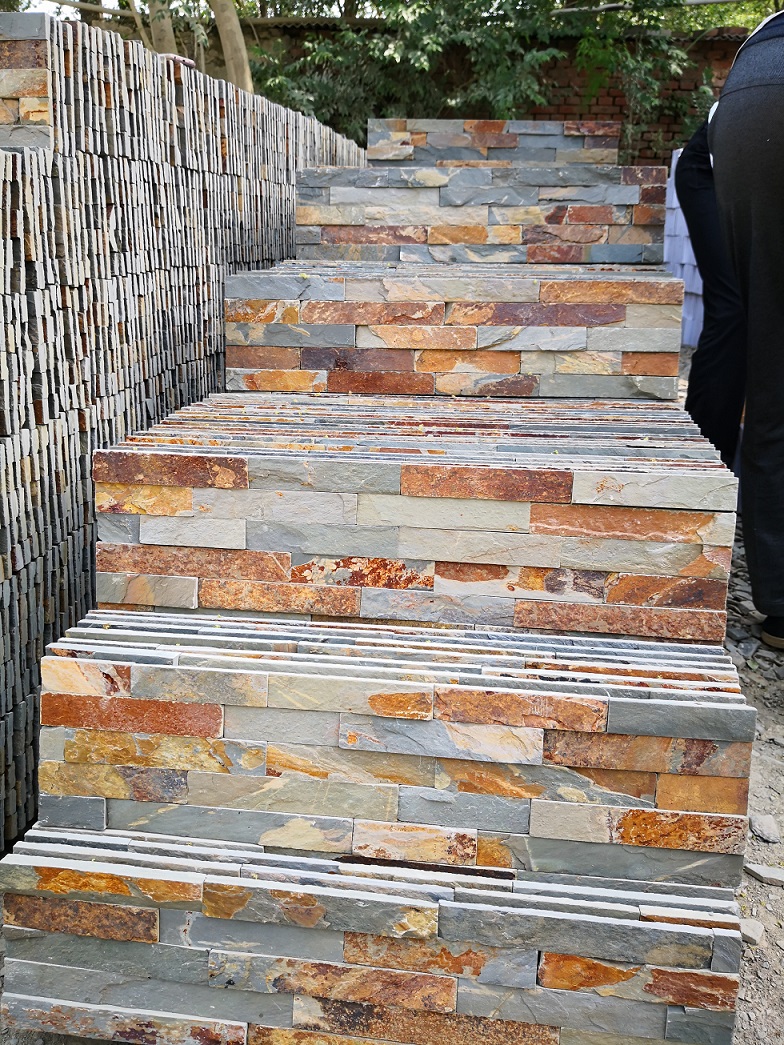
In large-scale commercial projects, “patchy” lighting is usually a material sourcing error. At Top-Quellstein, we mitigate this by selecting panels from the same quarry vein for every order. This ensures the crystalline density remains uniform, providing a consistent glow across the entire installation rather than isolated bright spots.
We focus our Big 10 Inventory on high-quartz models specifically known for their luminescence. To maintain the focus on the stone’s natural shimmer, we use CNC diamond-blade precision cutting. These tight tolerances create a seamless interlocking fit that eliminates deep shadows between panels, allowing the crystalline surface to remain the primary visual focal point.
- Strategic Models: Glacier White and Alaska Gray are engineered for maximum light return.
- Hue Uniformity: 95% color and shimmer match within a single batch.
- Precision Edges: CNC diamond-blade cuts ensure seamless “male-female” connections that hide the substrate.
- Source Control: Direct quarry sourcing from the same layer to prevent natural color shifts.

Quartzite vs. Slate: A Direct Comparison of Physical Strength and Hardness
Quartzite provides a Mohs hardness of 6-7 and 40,000+ PSI strength, significantly outperforming slate’s moderate 3-4 rating in high-traffic or extreme climate environments.
| Performance Metric | Natural Quartzite | Natural Slate |
|---|---|---|
| Mohs Hardness | 6 – 7 (High Scratch Resistance) | 3 – 4 (Moderate Resistance) |
| Compressive Strength | Exceeds 40,000 PSI | 10,000 – 25,000 PSI |
| Porosity Rate | < 0.5% (Very Low) | Low to Moderate |
| B2B Application | High-traffic commercial, Facades | Decorative walls, Low-impact interiors |
Mohs Hardness and Load-Bearing PSI Ratings
Quartzite functions as a structural powerhouse due to its metamorphic origins. Intense heat and pressure fuse quartz grains into a dense, interlocking matrix that ranks 6-7 on the Mohs scale. This provides a hard surface that resists scratches from metal tools and heavy abrasion, whereas slate remains relatively soft at a 3-4 rating. For dealers and wholesalers, this hardness translates to fewer claims regarding surface damage during transit or on-site handling.
Compressive strength metrics reveal a wide gap in load-bearing capacity. High-quality quartzite often exceeds 40,000 PSI, allowing it to withstand significant weight in vertical cladding and high-traffic commercial flooring. Slate typically ranges between 10,000 and 25,000 PSI. Professionals must also account for slate’s anisotropic nature, as its strength varies depending on the angle of force applied to its natural cleavage planes.
- Quartzite Hardness: Mohs 6-7; ideal for high-abrasion environments.
- Slate Hardness: Mohs 3-4; better suited for low-impact decorative use.
- Peak Strength: Quartzite provides 2x the PSI capacity of standard slate.

ASTM Freeze-Thaw Resistance and Structural Integrity
Density dictates longevity in exterior applications. Quartzite features exceptionally low porosity, often staying below 0.5%, which effectively blocks water infiltration. This allows the material to meet strict 2026 ASTM standards for freeze-thaw resistance. In cold climates like the Northern US and Canada, this prevents the internal cracking or delamination common in more porous materials.
Maintaining structural integrity over decades requires mineral stability. Natural quartzite panels offer inherent UV stability, ensuring the minerals do not degrade or lose their structural bond when exposed to constant direct sunlight. This makes them a “real stone, real value” alternative to faux products that fade or warp over time.
Top-Quellstein implements same-batch quarry consistency to eliminate structural weak points. We source material from the same quarry vein for every project, ensuring uniform mineral composition across all panels. This prevents the “patchy” look and irregular density shifts that often plague large-scale architectural installations when sourcing through middleman distributors.
- Water Absorption: Quartzite’s low porosity prevents mold and freeze-thaw damage.
- UV Stability: 100% natural minerals ensure zero fading in exterior facades.
- Batch Control: Same-vein sourcing ensures 95% hue and density uniformity.
Elevate Projects with Authentic Stacked Stone
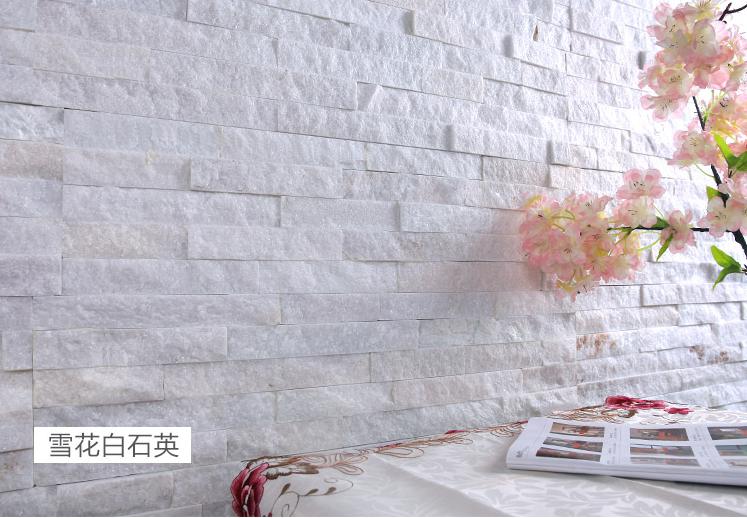
Modern Luxury Trends: Using White and Silver Quartzite Panels
2026 luxury design favors bright, neutral quartzite for its light-reflecting crystalline structure and the monolithic, seamless appearance achieved through precision CNC-cut interlocking engineering.
The Aesthetic Shift Toward Bright Natural Textures in 2026 Design
Architects currently prioritize materials that maximize natural light and perceived volume. White and silver quartzite panels have emerged as the standard for high-end residential projects because they provide a bright, clean palette without the sterile feel of synthetic surfaces. The natural shimmer of the stone’s crystalline structure acts as a light amplifier, making interiors feel more open and vibrant.
- Visual Spaciousness: White quartzite enhances light reflection in kitchens and living areas, creating an airy atmosphere.
- Sophisticated Contrast: Silver-toned varieties bridge the gap between pure white surfaces and darker architectural accents.
- Organic Depth: Unlike faux materials, natural veining ensures every feature wall is unique and visually complex.
- Asset Value: Neutral stone provides a timeless foundation that protects property value regardless of changing decor trends.
Achieving Seamless Visuals with Glacier White Z-Shape Engineering
The primary challenge with bright stone installations is the visibility of joints, which can ruin a luxury aesthetic. We solve this by using CNC diamond-blade precision to create a tight interlocking system. This technical approach ensures that large-scale walls appear as a single, continuous stone surface rather than a series of individual panels.
- Glacier White Precision: Part of our “Big 10” inventory, this material is specifically processed for high-brightness architectural facades.
- Interlocking Connection: The male-female Z-shape system camouflages vertical joints, eliminating the “stepped” look found in lower-tier products.
- Batch Consistency: We source from the same quarry vein per order to maintain 95% hue uniformity, preventing patchy or mismatched walls.
- Structural Integrity: High-strength epoxy resin used in factory assembly prevents stone delamination in high-humidity regions like coastal Australia or the Gulf.
Technical Performance: Heat Resistance and Low Porosity Benefits
Quartzite panels withstand 1,700°C and maintain sub-0.5% porosity, ensuring structural integrity in high-heat zones and extreme freeze-thaw climates across North America and Europe.
Thermal Stability in High-Temperature Applications
Quartzite panels are a byproduct of intense geological pressure and heat, which fuses quartz sandstone into a dense metamorphic rock. This natural process results in a material that handles thermal stress far better than slate or engineered alternatives. For B2B projects involving feature walls near heat sources, this stability is a non-negotiable safety and quality requirement.
- Heat Tolerance: Resists temperatures exceeding 1,700°C (3,092°F).
- Mineral Composition: Contains over 90% silica for high thermal mass.
- Core Applications: Ideal for commercial fireplace surrounds, wood-fired ovens, and outdoor grill stations.
While the stone remains stable during rapid temperature shifts, installers should specify heat-stable sealers. The stone itself won’t fail, but standard surface coatings can discolor if they aren’t rated for high-contact heating zones. We recommend professional-grade sealers to maintain the visual finish in these environments.
Low Porosity and ASTM Freeze-Thaw Resistance
Moisture is the primary enemy of exterior Steinverkleidung in Northern climates. Most failures in ledgestone installations occur when water penetrates the stone, freezes, and causes the face to delaminate. Our quartzite panels solve this through a naturally tight crystalline structure that refuses to let water in.
- Absorption Rate: Porosity levels strictly below 0.5% by weight.
- Durability Standards: ASTM-standard freeze-thaw resistance for US and Canadian markets.
- Environmental Resistance: High salinity and humidity protection for coastal projects.
By keeping internal moisture buildup to a minimum, these panels prevent the internal cracking common in more porous materials like limestone or certain slates. For developers in coastal regions or high-humidity areas, this density also prevents environmental staining and salt-air degradation, keeping the facade’s color consistent for decades without heavy maintenance schedules.

Why is Direct Factory Sourcing Crucial for Premium Quartzite Quality?
Factory control ensures same-vein material selection and precision CNC fabrication, eliminating patchy aesthetics while maintaining structural integrity for large-scale B2B projects.
Material Integrity and Skilled Quartzite Fabrication
Quartzite demands significantly more technical expertise than slate or sandstone. Because it ranks at 7 on the Mohs scale, generalist fabricators often lack the specialized equipment required to process it without causing internal stress or micro-fractures in the stone.
- Industrial Hardness: Processing Mohs 7 quartzite requires specialized diamond-tipped tools and high-precision machinery to ensure clean cuts.
- Slab Selection: Direct sourcing enables rigorous upstream selection, filtering for slabs with uniform thickness and minimal structural micro-fissures before production begins.
- Bonding Chemistry: Professional manufacturers utilize high-strength epoxy resin specifically formulated for natural stone to guarantee a permanent bond between stone strips and the substrate.
- Risk Mitigation: Controlling the supply chain at the source reduces handling stages, which lowers the risk of edge chipping and transit-related material fatigue.
Same-Batch Quarry Consistency and Precision Standards
The primary failure in large-scale architectural projects is visual inconsistency. Sourcing through multiple distributors often leads to “patchy” walls where stone from different quarry layers is mixed, ruining the aesthetic flow of the installation.
- 95% Hue Uniformity: Top Source Stone utilizes Same-Batch Quarry Consistency, sourcing panels for a single order from the same quarry vein to ensure visual harmony.
- Precision Interlocking: CNC Diamond-Blade Precision creates Z-shape and S-shape panels with a perfect “male-female” interlock, effectively camouflaging substrate joints.
- Three-Stage QC: Every panel undergoes verification after cutting, after assembly, and before crating to ensure it meets strict B2B export standards.
- Supply Integrity: Direct oversight prevents the mixing of disparate quarry layers that is common when buying from generic distributor stock.
Häufig gestellte Fragen
Why does quartzite stacked stone have a natural sparkle?
The shimmer comes from the stone’s geological formation. During metamorphosis, quartz grains recrystallize into an interlocking mosaic. This crystalline structure, paired with mica minerals, allows the stone to reflect light and create a glittering effect on the split-face surface.
Is quartzite more expensive than slate for wall cladding?
Quartzite typically carries a higher price point than slate. This reflects the increased difficulty of quarrying such a hard material and its superior performance characteristics. While slate offers a budget-friendly natural texture, quartzite is considered a premium architectural finish.
Can quartzite panels be installed safely behind a kitchen stove?
Yes, natural stone is non-combustible and handles significant heat. For backsplashes near high-output burners, we recommend installation over a cement board or firewall. Regular sealing is also essential to protect the porous surface from grease and cooking oils.
Is white quartzite difficult to maintain in high-traffic areas?
White quartzite is relatively low-maintenance. Daily cleaning only requires a damp cloth and a pH-neutral stone cleaner. To maintain its appearance and prevent staining from acidic substances, apply a high-quality penetrative sealer every 12 to 24 months.
Do these stone panels require a structural footing or wall ties?
Our standard panels weigh between 8 and 12 lbs per square foot, making them light enough for most structurally sound walls. Unlike traditional full-bed masonry, they generally do not require extra footings, wall ties, or foundations when installed on concrete or cement board.
Are the interlocking panels waterproof for exterior applications?
The stone itself is naturally waterproof and freeze-thaw resistant, but the panel system does not act as a moisture barrier. For exterior projects, you must install a proper drainage plane and waterproof membrane behind the stone to protect the building’s substrate.
How do you handle corners to ensure a professional finish?
We provide matching pre-fabricated L-shaped corners for all series. These 90-degree pieces interlock with the flat panels to ensure color and texture consistency around corners, eliminating the need for complex miter cuts on the job site.
SEO
Title: Quartzite Stacked Stone: The Premium Choice for Luxury Cladding
Description: Quartzite Stacked Stone: 95% hue uniformity via same-batch sourcing. Mohs 6-7, sub-0.5% porosity. B2B factory direct. MOQ 300sqm.
URL: quartzite-stacked-stone
Keywords: Quartzite Stacked Stone
