
For stone suppliers working with overseas buyers, every audit cycle can consume weeks in planning and thousands in travel costs. Remote factory audits change that equation—cutting travel expenses entirely, achieving up to 30% fee reductions, and speeding review cycles by roughly 20% without disrupting production schedules.
This article explains how a structured remote factory audit protocol works for stone suppliers, from pre‑audit document preparation and live video coverage of quarry-to-packaging processes, to equipment verification, remote QC spot checks, and final report standards. You’ll see practical steps, industry references, and real‑world efficiency gains so you can expand supplier evaluations on the same budget while maintaining audit integrity.
The Value of Remote Audits: Time and Cost Savings
Remote audits significantly reduce travel expenses and logistical costs, speed up audit cycles by about 20%, and minimize disruptions to operations, allowing organizations to audit more sites with the same resources.
Understanding Time and Cost Benefits of Remote Audits
Eliminating travel is the most immediate source of savings for remote audits, as travel often accounts for a large share of traditional audit expenses. Without the need for flights, hotels, and daily allowances, both time and money are freed up for core audit activities.
Studies indicate that for small businesses, remote audits can be completed roughly 22% faster, which means organizations can close audit engagements more quickly and with fewer interruptions to production schedules. This also allows key personnel to stay focused on regular operations instead of hosting on‑site auditors.
Although travel time decreases, the work hours for auditors may increase due to added planning, digital evidence capture, and the need for IT system setup. This shift reallocates time rather than purely reducing it, especially during initial remote audit adoption.
Global corporate travel budgets have dropped significantly, with remote audit adoption contributing to these reductions. Beyond cost control, organizations can reallocate budget to other high‑value activities without sacrificing audit quality.
Remote auditing also reduces travel-related CO₂ emissions and allows firms to tap into specialist auditor knowledge wherever it resides, bypassing geographical constraints and metro‑area premium rates.
Data and Practical Impacts on Audit Efficiency
A case from a CPA firm showed engagement fee reductions of up to 30% when switching to remote audits, with savings driven by lower travel requirements and regional cost differences. This occurred without reducing the audit scope or deliverables.
OECD research confirms direct cash savings from the absence of travel, paired with increased access to specialist auditors who might be cost-prohibitive to deploy in person. These efficiencies can be particularly valuable in regulated industries where specialized knowledge is scarce and dispersed.
Industry data suggests remote audits let companies evaluate more suppliers each year on the same budget, even if auditor work hours increase slightly. Screening capacity expands because physical travel and on‑site idle time are replaced by streamlined remote evidence sharing.
In many cases, document reviews are now front‑loaded using secure digital submissions, and physical walkthroughs are replaced or supplemented with live video feeds or installed cameras. This reduces the total on‑site duration to only what is essential.
TIC sector studies note that in the short term, some providers face higher costs for IT investments and digital evidence processes. Yet with staff experience and process refinement, long-term cost savings and faster cycles start to outweigh these initial expenses.
Pre-Audit Preparation: Essential Document Requirements (Certifications, Capacity)
Pre-audit preparation requires current business licenses, valid management system certifications like ISO 9001, and detailed production capacity records including equipment lists and recent output data to support a remote audit.
Key Certifications and Legal Documents
Auditors expect clear proof of a company’s legal standing and compliance with relevant standards before a remote audit can begin. This starts with a current business license and official company registration documents from the appropriate authority, such as a national registrar or market regulation bureau. These verify that the organization is operating legally and is recognized under jurisdictional law.
Valid ISO certifications form the foundation of quality and operational assurance. Depending on sector, this can include ISO 9001 for quality management, ISO 14001 for environmental management, ISO 45001 for occupational health and safety, ISO 27001 for information security, ISO 22000 or FSSC 22000 for food safety, as well as specific schemes like IATF 16949 for automotive suppliers or AS9100 for aerospace manufacturers. Certificates should be up to date, accurately scoped, and ideally accompanied by the latest audit reports.
Remote audits must comply with IAF MD 4:2018, which governs the use of ICT tools during assessments. This document sets limits and eligibility rules — notably that full remote audits cannot be used for initial certification, and eligibility typically requires a prior on-site assessment and a mature management system.
Past audit reports, whether from certification bodies, customer evaluations, or social compliance checks, should be included along with detailed records of corrective actions taken. This evidence shows auditors that the organization can address nonconformities effectively and maintains a culture of improvement.
Production Capacity and Factory Documentation
Remote audits require auditable proof of operational scale and control. A comprehensive equipment list is central to this requirement and should outline each asset’s model number, quantity, and calibration records. These details help auditors match capacity claims against actual, verifiable resources.
Production records give measurable insights into throughput. Typical monthly output figures, expressed in units or tons, along with recent order histories, help assess whether the facility can meet contractual obligations or quality standards under normal operating conditions.
Supporting diagrams and charts enhance transparency for remote assessments. Factory layout diagrams and process flowcharts allow auditors to visualize workflow, bottlenecks, and material movement. Organizational charts for quality, maintenance, and production teams reveal reporting lines and clarify responsibility for control points.
For food-sector audits under FSSC 22000, certification bodies must conduct feasibility assessments for full remote coverage when risk is assessed as low. In these cases, certificates are annotated with “Full Remote Audit” until a confirming on-site visit is carried out. This process ensures safety and compliance remain uncompromised despite the absence of physical inspection.
Audit Procedure: 7 Key Perspectives for Live Video (Quarry Area to Packaging Line)
This procedure leverages live synchronous video per ISO 19011:2018 to remotely observe seven key process areas—from quarry operations through crushing, processing, and packaging—supported by pre-audit documentation and ICT qualification to maintain audit integrity.
| Perspective Area | Focus Elements | Standards/References |
|---|---|---|
| Quarry and Primary Extraction | Remote or high‑risk site conditions, material handling, safety controls | ISO 19011:2018 Annex A.1, ISO 9001 APG Remote Audit Guide |
Foundations of Live Video Auditing in Production Environments
ISO 19011:2018 Annex A.1 formally recognises synchronous live video, including drone or wearable camera use, as an acceptable remote audit method. This capability is vital for observing remote or high‑risk operations such as quarry faces, elevated platforms, or confined spaces, which are difficult or unsafe to visit physically. These methods enable direct visual confirmation without compromising auditor safety or process continuity.
Live video audit suitability extends to operations that demand continuous monitoring and where interruption could cause operational or quality risk. Use cases include monitoring quarry extraction, material transfer, crushing lines, and packaging units. By building the process audit flow from raw extraction and through all transformation steps to final packaging, auditors can ensure comprehensive coverage across all critical points of the production sequence.
A risk‑based approach is essential. Complaint logs, CAPA records, and nonconformance data form the basis for selecting the stages of production to view live. This ensures the audit effort focuses on points where issues are more likely or could have significant impact.
Technical Preparation and Execution of Live Video Audit Perspectives
ICT verification precedes the actual audit execution. Each operational zone — quarry, transfer conveyors, mixing or kiln areas, and packaging lines — must undergo connectivity and noise‑level diagnostics to confirm that live video maintains adequate quality for audit purposes. Where conditions limit stable streaming, drone footage or pre‑recorded clips taken by trained personnel can supplement live observation.
Before any live session, auditors should obtain a complete documentation package in searchable PDF format, including quality manuals, CAPA and deviation logs, calibration records, HACCP studies, and PFMEA files. This allows the live video component to focus on verifying physical implementation and operator practice, rather than reviewing documents during the session.
Augmented video tools extend coverage into spaces that are hard to access or monitor continuously. Wearable cameras can offer auditor‑directed views during operational runs, while drones can capture high‑angle or remote zones. Incorporating a hybrid structure, with approximately 80% evidence gathered remotely and the remainder on site, balances efficiency with validation of physical conditions. Live video engagements may include real‑time process witnessing, structured plant tours, operator and technician interviews, and immediate sharing of supplementary evidence where needed.
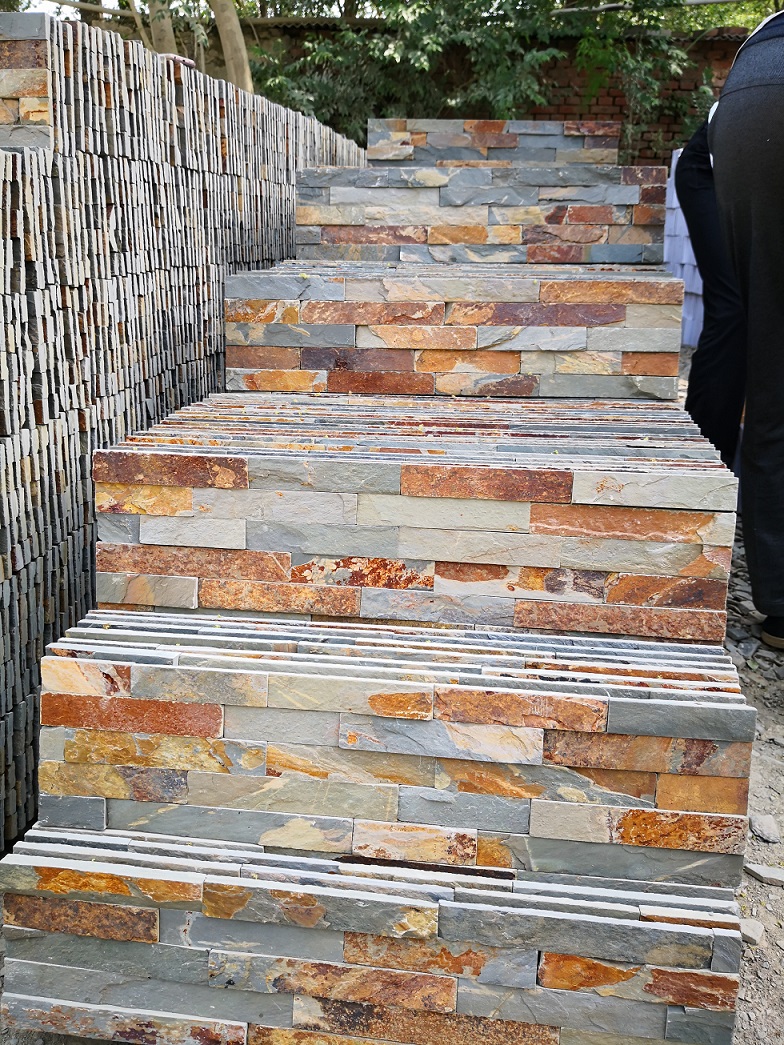
Elevate Your Projects with Premium Stacked Stone Ledger Panels
Core Equipment Verification: Model and Maintenance Records of Key Machines
Core equipment verification involves confirming unique identification, model-specific technical data, and thorough maintenance and calibration records per industry standards such as ISO 9001 and ISO 13485 to guarantee performance and traceability.
Key Concepts of Equipment Identification and Model Verification
Accurate identification of core equipment begins with assigning a unique equipment ID that links directly to the machine’s serial number, manufacturer, facility location, and its classification according to operational criticality or safety risk. This unambiguous identification enables clear tracking across calibration logs, maintenance schedules, and audit records.
For model verification, managers maintain model-specific technical data that covers rated capacity (such as load in kN or electrical power in kW), permissible operating ranges for variables like temperature, pressure, and rotational speed, as well as defined accuracy classes and safety categories where relevant. These data points allow auditors to cross-check equipment capability against documented process requirements.
ISO 9001:2015 clause 7.1.5 requires identification of monitoring and measuring equipment, regular calibration or verification at set intervals, and protection from damage. It also demands preservation of calibration and verification records. In the medical device sector, ISO 13485:2016 expands these requirements to ensure calibration traceability to SI units, recording of environmental conditions during calibration, and maintaining measurement uncertainty within 25% of the tolerance being assessed.
Maintenance Records and Qualification Documentation for Core Machines
Comprehensive maintenance tracking includes retention of calibration and adjustment records, plus preventive maintenance logs with full details such as service dates, technician identification, components replaced, and operational condition readings. Recording parameters like vibration levels, thermal measurements, and mechanical clearances provides a baseline for detecting performance drift.
Under ISO 9001, major pieces of equipment must have logbooks capturing cleaning, use, and maintenance events with sufficient information for traceability. This expectation aligns with best practices for establishing a complete lifecycle history of each production asset.
Qualification of core machines typically follows the IQ/OQ/PQ protocol structure. Installation Qualification (IQ) verifies that equipment is installed according to requirements, utilities meet specifications, and all supporting documentation—such as manuals and drawings—are archived. Operational Qualification (OQ) confirms equipment runs within defined limits under stress or extreme conditions, backed by current calibration and maintenance records for all measurement tools used in testing. Performance Qualification (PQ) validates that the equipment consistently meets production standards over multiple sequential runs.
By preserving clear records for installation, operation, and performance stages, and aligning them with corporate and industry standards, organizations can provide remote auditors with tangible proof of equipment reliability, capability, and compliance readiness.
QC Spot Check: How to Remotely Direct Sampling Inspection
Remote spot checks use ISO standards for statistical sampling combined with live video guidance to direct on-site staff in selecting and testing samples. This approach balances inspection rigor with efficiency, typically using smaller sample sizes guided by a remote supervisor to validate quality while managing producer and consumer risk.
| Key Element | Technical Standard / Method | Operational Detail |
|---|---|---|
| Sampling Inspection Standards | ISO 2859‑1/2/3 (attribute), ISO 3951‑1/2 (variable) | Plans include skip‑lot and adjusted regimes for lot-by-lot QC. |
| Risk Targets | Producer’s ≈ 5%, Consumer’s ≈ 10% | Visualized via OC curves to control acceptance decisions. |
| Remote Guided Inspection | Live video direction with reduced sample size | Two factory staff handle 20–32 pieces under a remote supervisor’s guidance. |
Principles of Statistical Sampling for Remote QC Spot Checks
ISO 2859‑1, 2859‑2, and 2859‑3 specify attribute sampling plans designed for lot-by-lot quality control. These include adjusted strategies such as skip‑lot inspection, which reduces frequency when historical results justify it. ISO 3951‑1 and 3951‑2 define sampling for variable data, using statistical acceptance criteria represented in operating characteristic (OC) curves to visualize risk levels for both producer and consumer.
Typical QC sampling aims to keep the probability of rejecting good product (producer’s risk) near 5%, and the probability of accepting bad product (consumer’s risk) around 10%. These parameters improve decision accuracy without excessive inspection burden. Controlled sampling inspection also targets process variables such as machine performance, operator practices, and method consistency. Because the focus is broader than product attributes alone, fewer samples are usually required.
Executing Remote Sampling Inspection: Workflow and Practical Considerations
A remote inspection session generally involves two on-site factory staff performing sampling and testing while connected to a live video link with a remote supervisor. The supervisor gives real-time instructions on which units to select and what checkpoints to examine. They confirm critical product features and measurement data, while capturing high-resolution images and video clips as part of the inspection record.
This approach works well as a screening strategy or spot check, reducing sample size to about 20–32 units compared to larger sizes prescribed for full onsite inspections. It can be applied during manufacturing or immediately before shipment, using established booking, checklist, and reporting formats identical to those in standard QC programs. ISO‑approved adjusted or skip‑lot sampling is also adaptable to remote workflows, letting auditors select tighter or reduced regimes in response to ongoing quality performance.
Communication Best Practices: Using Translation Services Effectively
Effective use of translation services in remote audits requires planning for secure communication channels, setting clear expectations on language and response times, minimizing noise and interruptions, and following ISO 9001 controls for external providers including confidentiality and management of translators.
Planning and Controlling Translation Services in Remote Audits
Remote audits that involve interpreters or written translation sit under ISO 9001 clauses 8.4 and 7.4, which require control and oversight of external providers. This means translation vendors must be evaluated and monitored for their impact on compliance and product conformity. Before any sessions begin, the audit team should define and communicate clear expectations for translation quality, accuracy, and confidentiality.
Scope, languages, and specific documents needing translation should be identified early, ideally during initial planning videoconferences. This prevents delays and ensures all stakeholders are aware of timelines and deliverables. Labor law considerations must be addressed, particularly when recording translated sessions, ensuring informed consent and documented confidentiality agreements are in place with all involved parties.
Ensuring Effective and Secure Communication During Audits
Audit communication channels should use encrypted video‑conferencing tools and secure document‑sharing platforms to protect sensitive information. The parties should agree on primary and secondary communication methods, such as video for main discussions and chat or email as backups, with defined response times—commonly within 24 hours—and clear escalation steps if delays or misunderstandings occur.
Environmental control is crucial: both auditor and auditee teams must work from quiet spaces free from interruptions to ensure interpreted discussions remain clear. Video should remain on to capture non‑verbal cues, which can provide context and improve understanding through an interpreter. Real-time chat functions or dedicated glossary rooms can be used to clarify terminology or capture updated translations during ongoing sessions, supporting both accuracy and compliance.
Audit Report: Data Summary and Risk Assessment After Remote Review
Remote audit reports consolidate detailed production and supplier data, calibration records, and risk assessments per standards like API Spec Q1 and ISO 14001. They highlight nonconformities, corrective actions, and note areas needing focus in subsequent on-site audits.
Components of Data Summary in Remote Audit Reports
Remote audit reports aligned with specifications such as API Spec Q1 and ISO 14001 require a structured data summary that documents the facility’s operational profile in clear, traceable terms. This starts with a description of the production processes, outlining each stage—such as machining, welding, heat treatment, testing, and final assembly—so the scope and capability are transparent for reviewers.
A complete listing of inspected equipment is necessary, including unique identification numbers, calibration schedules, and evidence that each unit meets applicable product specifications. This ensures the reliability of inspection and testing activities and links measurement accuracy directly to product quality outcomes.
Supplier sampling must distinguish between critical and noncritical purchases, recording the products or components involved and connecting supplier performance with broader risk assessment conclusions. Incorporating this detail allows the audit to highlight vulnerabilities in outsourced processes or material sourcing that could affect delivery or quality.
The data summary also integrates results from internal audits, analyses of operational data, and documented corrective actions. This section validates how the organization identifies issues and applies data-driven improvements to strengthen system control.
Risk Assessment and Effectiveness Evaluation
Risk assessment in remote audits follows written procedures that examine potential impacts on delivery, variations in product quality, and readiness through contingency planning. Reports document these procedures to create a direct link between observed conditions and their risk implications.
Nonconformities observed in remote reviews are classified by severity—major or minor—then matched with a cause analysis and assigned corrective and preventive actions. This classification supports prioritizing follow-up activities and tracking closure in subsequent on-site audits.
Each report includes a statement about whether the remote audit methods met the intended objectives and isolates specific areas that warrant focused checking during future site visits. This is especially critical where ICT tools such as Skype, WhatsApp, and email dictated evidence collection and where sampling limits affected comprehensiveness.
Finally, the report specifies whether the review was a partial-remote audit supplemented later on-site, or a complete remote assessment. This transparency helps stakeholders understand residual uncertainty, reinforces the credibility of the findings, and signals where further evidence will be required to close risk items.
Final Thoughts
Remote factory audits for stone suppliers combine structured pre-audit preparation, targeted live video observation, and robust documentation checks to provide a reliable alternative when on-site visits are limited. They streamline verification processes, help reduce unnecessary travel costs, and allow auditors to apply the same standards across geographically dispersed facilities while maintaining compliance with relevant ISO and sector-specific requirements.
As organizations refine their use of remote auditing, the value extends beyond temporary cost control—it becomes a sustained method to assess more suppliers, capture detailed process evidence, and strengthen quality oversight. Adopting clear protocols for technology use, communication, and evidence validation ensures remote audits remain credible and contribute meaningfully to long-term supplier assurance programs.
Häufig gestellte Fragen
How long does a remote video audit typically take to complete?
A remote video audit generally lasts between half a day and a full working day when held live, divided into multiple sessions of 60–90 minutes each. Total auditor time, including offline document reviews, usually adds up to 6–8 hours for a focused supplier or process audit, and 2–3 days for a full quality-system audit done mostly remotely.
Can a remote audit be used to replace a formal third-party on-site inspection?
Remote audits cannot fully replace mandatory third-party on-site inspections required by most certification standards. They serve to complement or temporarily substitute on-site visits only when explicitly allowed by the scheme and risk assessment confirms critical risks can be covered remotely. Physical site visits remain necessary in many audit cycles.
Which documents must be provided and verified before the video audit?
Suppliers must submit key documents digitally at least 5 working days before the audit, including business licenses, ISO certifications, factory layouts, training records, past audits, equipment lists and calibration records, quality manuals, audit logs, CAPA records, SOPs, and risk management files for offline review prior to the live video session.
How can I ensure the equipment shown in the video belongs to the factory, not leased?
The auditor should obtain legal and accounting records proving ownership rather than leasing, cross-checking asset tags and serial numbers seen in video with the fixed-asset register. Documentation includes purchase invoices, contracts in the factory’s name, financing agreements, and clear images or video of each machine’s identifying nameplate.
Which product line should be requested for viewing during the remote audit?
You should ask to view the exact production line linked to the selected batch or sample record, often the highest-risk or highest-volume line, following it from raw materials through controls to final inspection and packaging to validate the audit sample thoroughly.
What are the optimal time slots for a remote audit across different time zones?
Schedule remote audits during a 3–4 hour overlap window within 08:00–18:00 local business hours for all sites, using UTC as reference. Common windows include early morning US Eastern Time with evening China-Korea-Japan time, or late evening US Eastern Time with morning China-Korea-Japan time to ensure all teams work reasonable hours.
SEO
Title: The Remote Factory Audit Protocol: High-Efficiency Video Verification for Stone Suppliers
Description: Remote factory audits help stone suppliers reduce travel costs, speed up reviews, and maintain audit quality across multiple locations.
URL: remote-factory-audits-stone-suppliers
Keywords: remote factory audits
