
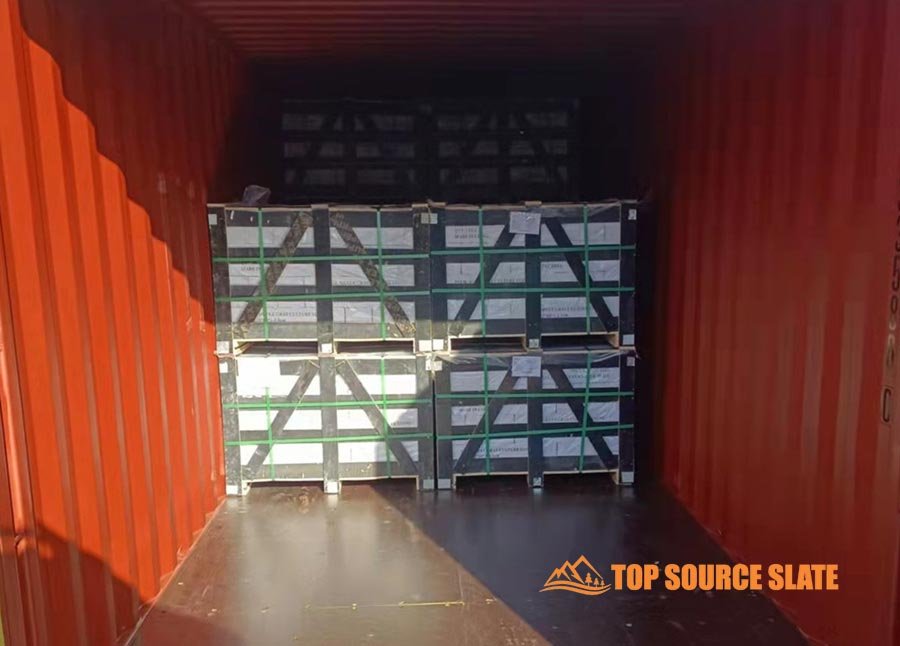
B2B stone buyers often struggle to compare quotes when suppliers use conflicting shipping terms and hidden cost structures. Choosing between factory-gate pricing and delivered terms determines who manages the risk of damage and the administrative burden of international trade.
We analyze the specific cost drivers within EXW, FOB, and CIF models to help you manage your 2026 procurement budget. This breakdown covers raw material baselines like concrete sand starting at $8.00 per metric ton and illustrates how logistical variables can add $2,940 in expenses to a standard $10,000 factory order.
Core Components of Stone Quotes: Raw Material and Processing Costs
Stone quotations primarily consist of raw material costs and processing expenses. Raw aggregate prices usually range from US$5 to US$25 per metric ton depending on the stone’s gradation and quality. Processing costs integrate fixed expenses, such as equipment depreciation and land leases, with variable costs like fuel, labor, and maintenance.
| Material Category | Material Code | FOB Price (US$/MT) |
|---|---|---|
| Concrete Sand | SCH-020 | $8.00 |
| Crushed Stone (0–¾”) | SCH-070 | $10.25 |
| Stone Dust (0–¼”) | – | $23.25 |
| Filtration Sand | – | $12.45 |
| Recycled Concrete | BR 0/34 | $9.00 |
Material Gradation and Raw Aggregate Pricing
Standard aggregate price lists separate materials by gradation to set a commercial baseline. Suppliers often price concrete sand at $8.00 per metric ton and 0–¾” crushed stone at $10.25 per metric ton. These categories cover the extraction and initial processing required for specific construction applications. Specialty materials like filtration sand or stone dust carry higher price tags, often exceeding $20 per ton, because they require more intensive screening and washing. Recycled concrete options provide a budget-friendly path for projects that do not require virgin stone, typically costing around $9.00 per ton.
The raw material cost in a B2B quote refers to the ex-pit or plant-gate price rather than the rock in its natural state. Commercial producers use specific codes like SCH-050 for Class A sand or SCH-090 for larger 0–6″ stone to ensure precise billing. These line items encapsulate all quarrying activities up to the point the material reaches the specified size and quality. Buyers use these standardized rates to benchmark different suppliers and optimize their supply chain costs based on the required material density and strength.
Operational Cost Centers and Processing Workflows
Quarries calculate the processing portion of a quote by tracking expenses across the entire production chain. They treat drilling, blasting, primary crushing, screening, and stockpiling as individual cost centers. This model aggregates fixed costs like land taxes, facility leases, and equipment depreciation with variable costs such as fuel, electricity, and maintenance parts. Technical references like The Aggregates Handbook show that each step in the process chain adds a discrete layer of cost to the final unit price. By monitoring these centers, facilities can maintain consistent pricing even as energy or labor costs fluctuate.
To find the unit price, producers divide the total operating costs by the volume of material produced during a specific period. This plant gate unit cost accounts for every stage of operation, including overburden removal and eventual site reclamation. Management then adds a profit margin and overhead allocation to this base production cost. This structured approach allows buyers to deconstruct supplier quotes and understand how much of the final price stems from direct extraction versus secondary processing and logistical handling.

EXW (Ex Works): Calculating Your Starting Cost
EXW sets the price of stone panels at the manufacturer’s facility. Buyers take responsibility for all logistics, loading, and export formalities. This price covers raw materials, manufacturing overhead, and packaging, forming the basis for the final landed cost.
Factory-Gate Delivery and Logistics Obligations
Manufacturers make the goods available at the production site or warehouse without the requirement to load the materials onto a collection vehicle. This arrangement represents the minimum obligation for the seller, as delivery occurs the moment the stone is accessible at the factory gate. The buyer assumes all risk and cost from that specific point forward.
Buyers manage every subsequent step in the supply chain, including domestic transport to the port, export customs clearance, and terminal charges. This structure suits experienced importers who maintain direct control over their 2026 shipping contracts and logistics networks to optimize transit times and minimize third-party markups.
Production Elements and the EXW Calculation Formula
We calculate the base price of stone panels using a specific formula: EXW = MPN + MPE + MO + ENV + EMB + CER + GFB + OG. This mathematical approach integrates material per net, manufacturing overhead, and environmental fees with the factory’s profit margins. This ensures the quoted price accurately reflects the internal cost of production before any logistics variables enter the equation.
A typical 2026 quote for 1,000 units at a $10 base includes the physical product, export-ready packaging, and essential documentation fees. While the initial invoice may total $10,000, buyers must budget for additional expenses. For example, a $10,000 EXW order often requires an additional $2,940 to cover origin handling, ocean freight, and destination duties to reach the final project site.

FOB (Free On Board): Understanding Local Charges and Factory Liability
Under FOB terms, the factory pays for all inland logistics, export documentation, and port loading fees until the stone panels are on the vessel. The buyer assumes all costs and risks once the goods cross the ship’s rail, including ocean freight and destination import duties.
Cost Allocation and Factory Liability Limits
The factory maintains liability for the piedra contable until the cargo passes the ship’s rail at the origin port. Seller responsibilities include inland trucking from the production site, export customs clearance, and export duties. Port-side expenses like crane lifts, forklift handling, and terminal charges fall under the manufacturer’s cost obligations. Administrative fees for bank communication and Letter of Credit (L/C) processing also remain part of the initial FOB quote.
Price Calculation and 2026 Freight Benchmarks
The FOB price follows a specific mathematical formula: { [1 – (Export Rebate Rate / (1 + VAT Rate)) ] × RMB Tax-Inclusive Price } / Spot Exchange Rate. Average 2026 freight rates for 20ft and 40ft containers to Long Beach range from $2,300 to $3,500. Shipments to New York typically cost between $2,800 and $4,000, with transit times lasting 25 to 30 days. European routes to Hamburg show 2026 market rates between $800 and $2,100 depending on the container type.
Elevate Your Projects with Premium Factory-Direct Stacked Stone
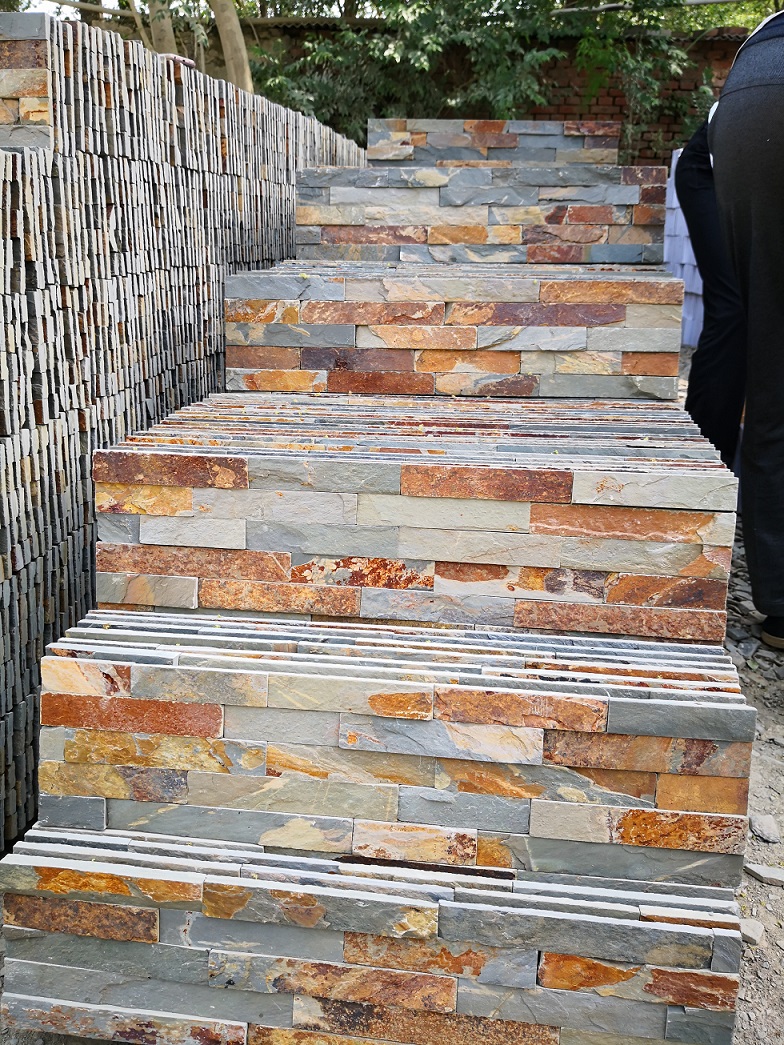
CIF (Cost, Insurance, Freight): When to Choose an All-Inclusive Quote?
CIF includes the cost of stone panels, marine insurance, and ocean freight to the destination port. Sellers manage export logistics and provide insurance coverage at 110% of the contract value. While convenient, the buyer assumes risk once the goods are loaded on the vessel and pays all post-arrival costs like terminal handling and local duties.
Logistics Responsibilities and Insurance Standards under Incoterms 2020
Sellers manage the initial stages of the logistics chain, including export packing, loading, and customs clearance. They book and pay for the main carriage to the named destination port. Under Incoterms 2020 rules, the seller must also procure marine insurance for the buyer’s benefit. This policy must cover at least 110% of the invoice value, typically adhering to Institute Cargo Clauses (C).
The transfer of risk occurs early in the process. Although the seller pays for transit and insurance to the destination, the buyer assumes the risk of loss or damage the moment the stone panels pass the ship’s rail at the port of shipment. This distinction means the buyer relies on the insurance policy provided by the seller if any damage occurs during the ocean voyage.
Strategic Selection for Bulk Shipments and Containerized Alternatives
CIF serves as an effective option for bulk or oversized stone cargo. Sellers often maintain high-volume ocean freight and insurance contracts, allowing them to offer competitive rates for 2026 delivery schedules. Bundling these costs into a single quote simplifies the purchase for buyers who prefer to outsource the export and ocean legs of the shipment.
The International Chamber of Commerce recommends using CIP for containerized stone panels to better align risk transfer with modern logistics hubs. Regardless of the choice between CIF and CIP, buyers remain responsible for all costs once the cargo reaches the destination port. These expenses include terminal handling charges, import duties, taxes, and the final trucking from the port to the warehouse.
Hidden Costs: Analyzing Crating, Documentation, and Local Transport Fees
Hidden costs often stem from dimensional weight pricing and unmanaged accessorial fees. Optimized crating prevents 30% freight spikes, while upfront negotiation of liftgate and delivery charges ensures the 2026 landed cost remains predictable. Auditing customs documentation and local drayage protects margins against administrative bloat.
| Cost Category | Financial Impact | Primary Driver |
|---|---|---|
| Packaging Density | Up to 30% increase | Dimensional Weight (DIM) Pricing |
| Administrative/Customs | Variable surcharges | Bonds, Duties, and Inspections |
| Local Transport | 3x to 10x baseline | Rail/Air Modes and Accessorials |
Impact of Packaging Density on Freight Rates
Excessive packaging increases freight costs by as much as 30% through dimensional weight (DIM) pricing. Carriers calculate rates based on shipment density rather than actual weight, meaning low-density crates take up more space and incur higher fees than compact loads. Assigning the correct freight classification during the crating phase prevents mid-transit penalties and expensive reclassification charges. Using high-density materials reduces the physical footprint and aligns shipments with ground carrier assessment standards used since 2015.
Administrative Fees and Local Surcharges
Total landed cost models for 2026 must include brokerage, bond costs, and mandatory customs inspection fees. Local transport providers often add unexpected accessorials like liftgate fees, inside delivery, and after-hour pickups that inflate the initial factory quote. These charges represent key audit targets for cost elimination. Mode-specific surcharges also create significant budget shifts. Rail transit typically costs three times more than sea freight, and air transport can reach ten times the baseline expense while requiring specific crating adjustments for smaller aircraft containers.
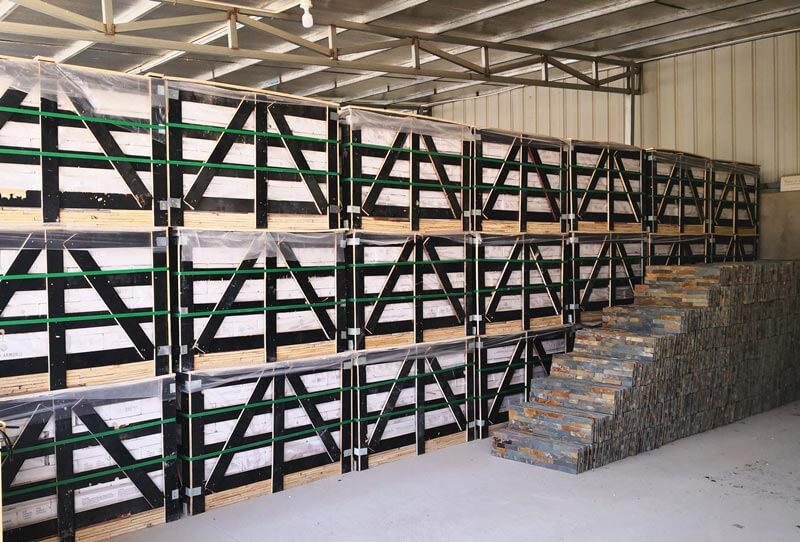
How to Negotiate Favorable EXW Pricing Based on Order Volume
Volume-based negotiation focuses on using annual forecasts and full-container thresholds to lower unit prices and improve cash flow. By committing to consistent order patterns for 2026, buyers can secure 10/90 payment splits, reduced MOQs for new styles, and supplier-funded logistics upgrades from EXW to FOB.
Leveraging Annual Forecasts for Better Payment Splits and MOQs
Sourcing teams use annual volume projections to move away from standard 30/70 payment terms toward 20/80 or 10/90 splits. This change improves cash flow by delaying the bulk of the payment until the goods are ready for dispatch. Factories typically agree to these favorable splits for high-volume partners because the forecasted commitment provides production stability over several months.
You can also negotiate lower MOQs for new SKU trial orders by documenting a clear growth plan that leads to larger recurring batches. Suppliers often lower their initial quantity requirements if they see a credible path toward high-volume production. Combining multiple SKUs into a single combo order raises the total transaction value, allowing you to unlock tiered pricing discounts that factories usually reserve for bulk commodity orders.
Negotiating Term Upgrades and Shared Logistics for High-Volume Shipments
High-volume buyers frequently convert EXW terms to FOB for full container load (FCL) shipments. This shift transfers the responsibility for export clearance and local drayage to the seller for a small price premium. Many suppliers even offer freight credits or partial logistics subsidies when an order fills a complete container, which effectively reduces the total cost of moving goods from the factory gate to the port of origin.
Consistent shipping data allows you to capture 10–30% savings on downstream freight and handling surcharges during carrier negotiations. Surcharges and ancillary fees can account for nearly half of the total shipping spend, so stabilizing your volume helps you secure better rate tiers and cap accessorial charges. By leveraging order volume at both the factory and the carrier level, you reduce the total landed cost far more effectively than by focusing on the EXW unit price alone.
Final Thoughts
Selecting the right quotation model depends on a team’s logistical experience and risk tolerance. EXW provides the lowest initial price but shifts all transport and export burdens to the buyer. FOB balances these responsibilities by letting the factory handle local transport and port fees, and CIF simplifies the process for those who prefer a price that covers delivery to the destination port.
Successful procurement strategies look beyond the initial unit price to account for crating density, customs fees, and local drayage. Auditing these specific line items prevents unexpected budget spikes and protects profit margins. Focusing on the total landed cost, rather than just the factory-gate price, ensures that stone imports remain profitable and predictable throughout the 2026 production cycle.
Preguntas frecuentes
What local fees do suppliers typically include in an FOB quote?
FOB quotes cover the product cost plus inland transport to the port, terminal handling charges, and export customs clearance. In 2026, a standard price breakdown often adds approximately $1,300 in local fees to a $5,000 product order for international shipping.
Why do stone factories prefer to quote EXW pricing?
Factories use EXW pricing to limit their liability and operational costs. This arrangement transfers all responsibility for transport, insurance, and export documentation to the buyer, allowing the manufacturer to focus strictly on production efficiency.
Is CIF or FOB better for a first-time stone importer?
CIF provides more security for new importers because the seller manages the freight and insurance until the cargo reaches the destination port. This reduces the risk of logistical errors and damage during transit for fragile stacked stone products.
How can I verify the weight and volume of a stacked stone shipment?
Calculations follow the industry standard of 15 cubic feet per ton to account for voids between stacked pieces. Buyers verify these figures by multiplying the project square footage by stone thickness and density, ensuring the quote aligns with ASTM C1670 standards.
What factors influence the cost of local transport to the loading port?
Distance, fuel prices, and container size determine local haulage rates. For 2026 logistics planning, inland transport typically costs between $2 and $5 per kilometer, which often represents 50% of the total local logistics expense.
What specific documents do the documentation fees in a quote cover?
These fees pay for the preparation of export licenses, certificates of origin, and commercial invoices. While industry standards vary, the administrative and legal review for these essential export documents usually ranges from $2,000 to $5,000 for complex international orders.
