

Choosing the wrong exterior siding (application) leads to moisture intrusion that compromises structural integrity and triggers expensive warranty claims. Architects and developers face significant financial risk when stone veneers fail to meet local weatherproofing standards or local building codes. Poor material selection often results in delamination and efflorescence, which turns a premium facade into a long-term maintenance liability.
We analyze the durability standards required for thin stone to withstand environmental stress. This guide details the engineering requirements for freeze-thaw cycles and salt spray resistance for coastal projects. You will find specific technical protocols for drainage air gaps and weep screeds to ensure the building envelope remains dry and functional for the life of the structure.
Facing the Elements: UV Stability and Color Longevity in Sunlight
Natural mineral color profiles provide an immutable defense against solar bleaching, ensuring exterior facades maintain their original tonal depth without the chemical degradation common in pigment-based manufactured alternatives.
Mineral Pigmentation and Inherent Color Stability
Natural thin stone veneer consists of 100% quarried material where the color remains consistent through the entire thickness of the stone. Unlike manufactured stone veneers that use concrete composites and surface-level iron oxide pigments, natural stone does not experience chemical bleaching from sunlight. The molecular structure of high-density materials like quartzite, slate, and granite resists the oxidative effects of long-term solar exposure.
Project specifications in 2026 prioritize these permanent color profiles to avoid the high costs of future facade repainting or replacement. By sourcing stone from the same quarry vein per order, Piedra fuente superior ensures that the natural color shifts remain harmonious across large-scale installations. This quarry-to-project consistency provides a level of aesthetic security that synthetic materials cannot match, as the color is a result of geological formation rather than a factory-applied dye.
Resilience Against Solar Radiation in Exterior Applications
High-UV environments accelerate the degradation of many building materials, but piedra natural maintains its physical and aesthetic integrity. It avoids the “chalking” effect that often plagues polymer-based claddings and fiber cement products after years of intense UV exposure. The thermal mass of the stone helps dissipate heat effectively, which reduces the expansion and contraction stress on the underlying epoxy adhesives and wall substrates.
- Natural stone retains its textured shadows and depth because the material does not become brittle under intense radiation.
- Architects in high-altitude regions select natural quartzite and granite to ensure the building envelope remains vibrant for decades.
- The 25–40mm thickness provides a significant barrier that protects the building’s thermal envelope from direct solar gain.
- Zero-repeat natural variation ensures that even under harsh direct light, the wall maintains an organic, non-repetitive appearance.
Maintenance Protocols for Sustaining Vibrancy Through 2026
While piedra natural is inherently UV-stable, specific care routines protect the surface from environmental pollutants that can dim its appearance over time. Applying a high-quality, breathable piedra natural sealer—specifically silane or siloxane-based—creates a barrier against airborne contaminants without trapping moisture within the stone. These sealers enhance the natural hues of the mineral while providing an additional layer of protection against localized environmental staining.
Proper maintenance in 2026 focuses on preserving the stone’s natural luster through pH-neutral cleaning solutions. Using soft-bristled brushes and water allows facility managers to remove organic buildup without damaging the natural cleft surface or the mineral face. These protocols ensure that the bespoke random-lay pattern remains the focal point of the architecture, sustaining the property’s curb appeal and long-term value in any climate.
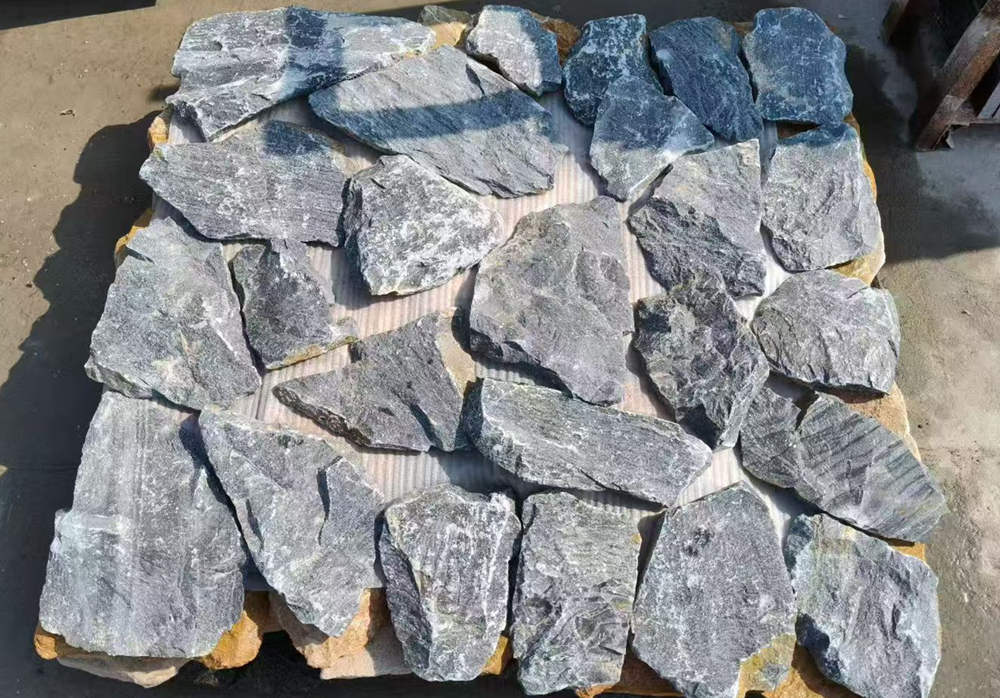
How Thin Stone Performs Under Severe Freeze-Thaw Cycles
High-density natural stone with precision sawn-back finishes provides the necessary structural resilience to withstand the mechanical stress of recurring ice expansion in sub-zero environments.
Resistance to Thermal Expansion and Contraction
Natural stone panels must withstand the physical stress of rapid temperature shifts in 2026 climate-resilient building designs. Low-porosity stones like slate and quartzite naturally resist water absorption, which prevents internal ice expansion. This mineral density ensures that the stone remains stable as ambient temperatures fluctuate above and below freezing.
- High-density Quartzite Integrity minimizes the volume of water that can enter the stone body.
- The inherent density of real quarried stone prevents the micro-cracking often seen in manufactured concrete alternatives.
- Individually Sawn-Back pieces ensure a flat, uniform contact surface that distributes thermal stress evenly across the substrate.
Adhesive Stability in Sub-Zero Conditions
The integrity of the stone-to-substrate bond depends on the chemical performance of specialized bonding agents in cold environments. We use high-strength epoxy resin specifically formulated to remain flexible during extreme cold to prevent stone delamination. Proper adhesion is critical when the stone and the backing material expand at different rates.
| Durability Factor | Top Source Natural Stone | Manufactured Concrete Stone |
|---|---|---|
| ASTM C67 Freeze-Thaw | Passed (Zero structural degradation) | Variable (Prone to surface scaling) |
| Moisture Absorption | <0.5% (Quartzite/Granite) | 8% – 12% (Porous cement base) |
| Bonding Surface | 100% Sawn-Back (Precision Flat) | Molded/Irregular Backing |
Moisture Migration and Drainage Air Gaps
Managing liquid water behind the veneer is essential for preventing frost heave and structural damage in exterior applications. Proper installation in 2026 requires a moisture-permeable barrier to allow the wall system to breathe. Trapped moisture that freezes can exert enough pressure to push the stone away from the wall, leading to catastrophic failure.
- Drainage air gaps and weep screeds prevent trapped water from freezing and pushing the stone away from the substrate.
- Breathable stone sealers protect the surface from stains while allowing water vapor to escape from the stone body.
- A rainscreen system directs water downward and outward rather than allowing it to pool against the building envelope.
Material Density and Spalling Resistance
Selecting the right stone type ensures the facade remains aesthetically intact without surface flaking or degradation. ASTM C67 testing protocols verify that the stone resists spalling during the expansion cycles of absorbed moisture. Dense marble and quartzite series offer higher resistance to the salt and chemicals often used for de-icing in winter climates.
Natural stone maintains its color and structural integrity for decades, unlike pigment-based manufactured stone that can erode under heavy snow and ice exposure. By sourcing from the same quarry vein per order, we ensure quarry-to-project consistency, providing a uniform response to environmental stressors across the entire installation.
Premium Natural Stone Panels for Professionals

Salt Spray Resistance: Specifying the Right Stone for Coastal Facades
Coastal salt exposure turns architectural facades into a chemistry experiment; without high-density mineral selection, salt crystallization will pulverize the internal structure of a wall from the inside out.
Selecting Low-Porosity Stone for Saline Environments
Coastal environments subject facades to sub-florescence—a process where salt ions penetrate the surface, crystallize, and expand within the pores of the material. This internal pressure causes surface erosion and “pitting” in porous materials like limestone or manufactured concrete. To combat this, we prioritize High-Density Quartzite Integrity. Natural quartzite and slate possess a crystalline structure that is far denser than cement-based alternatives, effectively blocking salt ions from entering the material.
- Natural quartzite and slate offer superior resistance to mineral breakdown compared to manufactured concrete veneers which often fade or pit.
- Dense stone selections prevent salt ions from creating the internal structural pressure that leads to delamination.
- The 100% real stone composition ensures colors remain UV-stable and resistant to airborne sea salts over decades of exposure.
Performance Standards and ASTM B117 Testing
By 2026, architects have shifted toward empirical data to verify facade longevity in high-salinity zones. ASTM B117 salt fog testing is the industry benchmark for simulating years of harsh marine conditions in a compressed timeframe. We subject our thin stone veneer assemblies to these cycles to ensure the stone, mortar, and substrate interfaces remain intact.
- ASTM B117 testing evaluates the corrosion resistance of the entire wall assembly, not just the surface stone.
- Qualified coastal materials must show zero structural degradation after extended exposure to maintain specification standards.
- Standardized data allows contractors to guarantee facade performance in regions where salt spray is a daily environmental factor.
Corrosion-Resistant Fasteners and Adhesive Systems
The stone might survive the salt, but the facade fails if the hardware oxidizes. Coastal specifications require 316-grade stainless steel for any mechanical ties or lath systems to prevent oxidation and the resulting rust streaks that can permanently stain a stone surface. For bonding, high-strength epoxy resin adhesives provide the necessary chemical resistance to saline air while managing the thermal expansion common in sun-drenched coastal climates.
- 316-grade stainless steel fasteners are mandatory to prevent oxidation and unsightly rust staining on the stone.
- Epoxy resin adhesives create a permanent bond that remains stable under the high humidity and temperature shifts of coastal zones.
- Individually Sawn-Back stones ensure a flat, precision-cut surface that maximizes the bonding area for these advanced adhesives.
Hydrophobic Sealing and Drainage Protocols
Moisture management in coastal areas requires a redundant approach. Applying a breathable, silane or siloxane-based hydrophobic sealer creates a surface tension that repels salt water while allowing internal moisture vapor to escape. But sealing is only the first line of defense; the wall assembly must include weep screeds and drainage air gaps. This infrastructure ensures that wind-driven salt water that bypasses the stone layer is quickly funneled away from the structural wall.
- Breathable hydrophobic sealers block salt penetration without trapping destructive moisture behind the stone.
- Weep screeds and air gaps are foundational for ensuring that any salt water entering the cavity exits quickly.
- Maintenance with pH-neutral cleaners prevents the salt buildup that can dull the stone’s natural texture over time.

Waterproofing Protocols: Weep Screeds and Drainage Air Gaps
Successful exterior stone installations rely on a managed drainage path to exit bulk water, ensuring the building envelope remains dry even when the stone surface is saturated.
Weep screeds serve as a foundational drainage component mandated by modern building codes, including 2026 IBC Section 2512, for exterior natural stone applications. These profiles provide a dedicated exit path for moisture that inevitably penetrates the stone veneer or migrates through the mortar bed. By maintaining a clear gap between the stone and the foundation line, installers prevent capillary wicking that leads to structural rot and efflorescence.
- Ensures full compliance with updated 2026 building standards by allowing gravity-driven drainage of trapped water.
- Protects the wood or steel stud framing from moisture accumulation at the termination point of the wall assembly.
- Facilitates a clean aesthetic transition between the natural revestimiento de piedra and the ground or paved surfaces.
| Waterproofing Component | Standard Residential Spec | High-Performance (Coastal/Cold) |
|---|---|---|
| Weep Screed Material | Galvanized Steel / PVC | 316 Stainless Steel / Marine-Grade Plastic |
| Drainage Air Gap | 1/8″ (3mm) Drainage Mat | 3/8″ (10mm) Structural Rainscreen Cavity |
| Water Resistive Barrier | Double-Layer Grade D Paper | Liquid-Applied Vapor Permeable Membrane |
Establishing Effective Drainage Air Gaps
Creating a dedicated space between the stone substrate and the moisture barrier allows for both drainage and airflow. This pressure-equalized rainscreen performance is essential for natural stone, as it reduces the hydrostatic pressure on the primary water-resistive barrier (WRB). High-density quartzite and granite from Piedra fuente superior provide superior durability, but the system longevity relies on this air gap to facilitate rapid evaporation of trapped humidity.
- Uses drainage mats or furing strips to maintain a consistent gap, preventing mold and structural decay.
- Extends the life of the building envelope by minimizing the time moisture stays in contact with the substrate.
- Optimizes performance in high-moisture environments where drying cycles are short.
Integration with Flashing and Loose Stone Assemblies
Proper waterproofing requires seamless transitions where loose stone veneers meet architectural penetrations like windows and doors. Unlike factory-made panels, our individually sawn-back stones allow for precise hand-fitting around flashing details. Directing water away from the wall assembly through kick-out flashing and head flashing at all termination points is the only way to maintain the integrity of a bespoke random-lay pattern.
- Utilizes high-quality stone sealants at window perimeters to manage surface absorption in 2026 construction projects.
- Prevents water from pooling at seams or joints through the use of mechanical barriers and integrated flashing.
- Maintains the authentic masonry look by using L-shaped corner wraps that integrate perfectly with metal flashing profiles.
Material Selection and Maintenance for Drainage Components
Choosing durable materials for screeds and air gaps determines the long-term viability of the stone facade. In coastal or high-salt environments, stainless steel or high-grade plastic components are necessary to resist corrosion. While piedra natural is waterproof at the mineral level, the overall wall system relies on a clean, functioning drainage protocol. We recommend periodic inspections of weep holes to ensure they remain free of debris, mortar droppings, or landscaping mulch that can block water exit paths.
- Evaluates the performance of different metal grades based on regional salt spray exposure and ASTM B117 standards.
- Emphasizes that installation quality, rather than stone density alone, dictates freeze-thaw longevity.
- Promotes the use of breathable substrates that work in tandem with our swn-back stone for maximum bond strength and drainage efficiency.
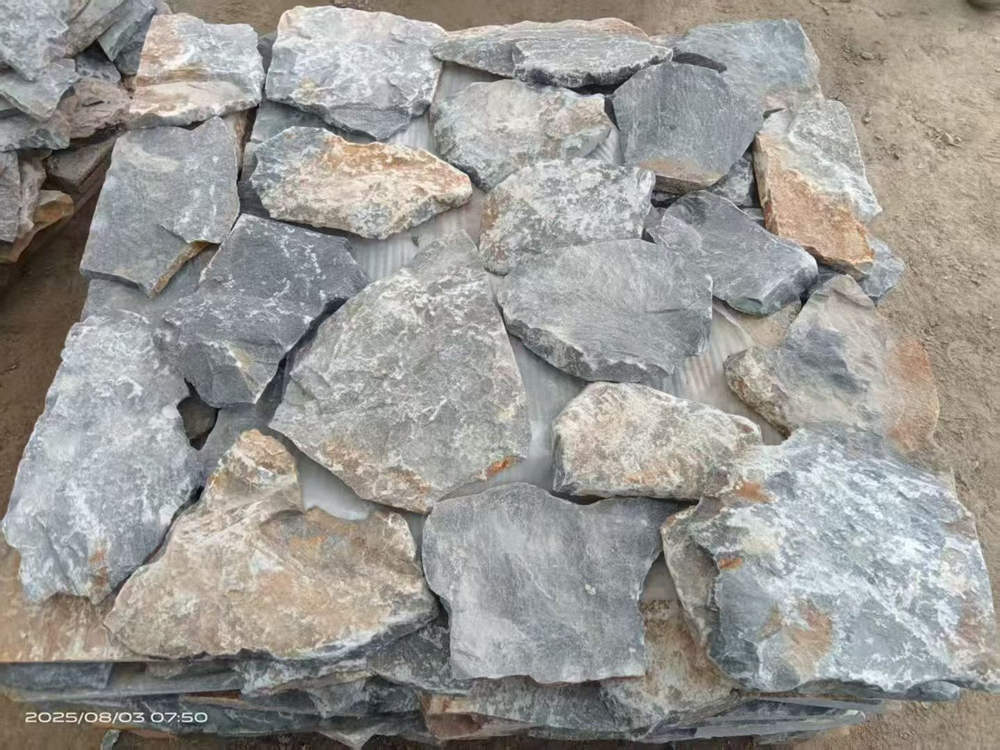
The ROI of Stone Siding: Impact on Residential Property Resale
Stone siding has transitioned from a luxury aesthetic choice to a top-tier financial instrument, yielding an average 206% return on investment in the 2026 residential market.
2026 Market Trends and Cost Recovery
Recent cost-versus-value data indicates that stone projects achieved a recovery rate exceeding 200% in 2026. This project consistently ranks as the most effective investment for homeowners seeking to build equity rapidly. Market momentum shows that modern buyers prioritize stone exteriors over standard siding materials, largely due to the perceived quality and the “indestructible” nature of the facade.
Curb Appeal and Final Sale Price
First impressions directly influence property valuation and buyer interest levels. High-quality exterior improvements often increase a home’s sale price by up to 7%, a significant margin in high-value neighborhoods. Stone siding creates a premium visual impact that distinguishes properties in competitive markets. Real estate professionals emphasize front facades as the primary driver for high appraisals and faster sales cycles.
Authentic Material Advantage over Synthetic Options
Natural stone adds real asset value while synthetic products often depreciate or show wear over time. Unlike manufactured alternatives that may fade under UV exposure, 100% natural stone maintains its color and texture indefinitely. This ensures the property looks well-maintained for decades without the need for replacement. Homebuyers perceive genuine stone as a luxury upgrade, and this perception justifies higher asking prices during final negotiations.
- High-Density Quartzite Integrity ensures the stone remains resistant to moisture and staining.
- Zero-Repeat Natural Variation provides a bespoke look that factory-made panels cannot replicate.
- Climate-Tested Durability prevents the cracking and delamination common in cheaper composite sidings.
Strategic Installation for Maximum Return
Homeowners capture the highest possible resale value by targeting front entryways and main elevations. These areas provide the most visual impact for every dollar spent on materials. Using individually sawn-back loose stone allows for a flat bonding surface that reduces installation time and labor costs by up to 30%. This efficiency increases the net profit at the time of sale. Cohesive stone accents on fireplaces and outdoor living areas further create a high-end feel that attracts premium buyers.
Conclusion
Selecting 100% natural thin stone veneer ensures that exterior facades withstand extreme freeze-thaw cycles and maintain color under high UV exposure. Adhering to waterproofing standards and using sawn-back stones for a flat bonding surface creates a durable barrier against the elements while preserving the property’s resale value. These technical choices provide the full-depth visual integrity required for high-end architectural applications.
View our range of loose stone options or contact us to discuss specific project requirements and weight-limited shipping logistics for your region. We provide technical specifications and project-ready samples to help you specify the correct stone for any climate.
Preguntas frecuentes
Can you use thin stone veneer outside?
Yes, thin stone veneer is specifically engineered for exterior applications. It provides the aesthetic of full-bed stone without the structural weight, making it ideal for retrofitting or new construction. For successful exterior use, it must be installed over a proper weather-resistant barrier (WRB) and a drainage plane to ensure moisture management behind the veneer.
Does stone veneer need to be sealed for exterior siding?
While not strictly mandatory for all types, sealing is highly recommended for exterior stone veneer to enhance longevity and maintain color integrity. Using a high-quality, breathable silane-siloxane penetrating sealer protects against water penetration, freeze-thaw damage, and salt exposure while allowing internal moisture vapor to escape.
What is the best stone for cold climates?
The best stones for cold climates are those with low porosity and high density, such as granite, slate, or high-density quartzite. These materials resist water absorption, which is critical for preventing “spalling” or cracking during intense freeze-thaw cycles. Premium manufactured stone veneers with advanced integrated UV inhibitors and low absorption rates are also excellent high-performance alternatives.
How do you prevent white stains (efflorescence) on exterior stone?
To prevent efflorescence, you must minimize moisture migration through the wall system. This is achieved by installing a dedicated drainage mat (rainscreen) behind the stone, using low-alkali mortars, and ensuring proper flashing at all transitions. Sealing the stone once the mortar has fully cured (typically 28 days) provides an additional barrier against the water-soluble salts that cause white staining.
Is stone veneer considered a waterproof siding?
No, stone veneer is considered a “water-shedding” material rather than a “waterproof” one. Like most siding systems, it is designed to deflect the majority of rain, but the actual waterproofing of the structure relies on the underlying building envelope, including the house wrap, flashing, and moisture management system installed behind the stone.
How long does exterior stone siding last?
When properly installed and maintained, exterior stone veneer siding typically lasts between 30 and 50 years. Natural stone products often exceed this timeframe, lasting the entire life of the building. Modern advancements in nano-coatings and factory-applied UV stabilizers have further extended the visual and structural lifespan of contemporary veneer systems.
