

Professional stone backsplash cleaning results depend on material density and manufacturing tolerances. Opting for porous faux imitations often leads to permanent grease saturation and surface etching, forcing dealers to absorb the costs of warranty claims and field replacements.
This analysis benchmarks 100% natural quartzite and slate against cement composites using the CNC diamond-blade precision standard. We examine how Z-Shape interlocking systems and same-batch quarry consistency eliminate debris traps to ensure a low-maintenance, high-margin architectural finish.
Why Porosity Matters in the Kitchen: Grease vs. Stone
Porosity dictates how quickly stone absorbs grease. High-density materials and precision-cut interlocking panels reduce grime accumulation while maintaining the stone’s architectural integrity in high-heat cooking environments.
The Relationship Between Stone Permeability and Cooking Oils
Natural stone surfaces like Slate and Quartzite contain microscopic pores that act as capillaries during cooking. When oils become airborne, these pores draw grease below the surface. Simple wiping fails to remove these deep-set stains because the contaminants reside within the mineral structure itself rather than sitting on top.
Maintaining a professional-grade barrier is the only way to prevent permanent discoloration in a B2B project environment. We recommend specific maintenance protocols to protect the stone’s lifespan:
- Sealing Cycle: Apply a professional-grade sealer every twelve months to create a tension barrier against moisture and oils.
- Chemical Sensitivity: Avoid acidic substances like lemon juice or vinegar, which etch porous stone and strip protective sealants.
- Cleaning Agents: Use only pH-neutral cleaners specifically formulated for natural minerals to preserve the surface finish.
Minimizing Grease Accumulation with CNC Diamond-Blade Precision
Manufacturing precision directly impacts how easily a backsplash can be cleaned. Piedra fuente superior utilizes CNC diamond-blade edges on all 6×24 inch panels to ensure tight, consistent lines. By eliminating wide, irregular gaps, we reduce the areas where grease and cooking debris typically settle.
Our engineering focus prioritizes seamless transitions to minimize long-term maintenance for the end-user:
- Interlocking Systems: Z-Shape and S-Shape panels utilize a “male-female” connection system to camouflage vertical joints and block grease from reaching the substrate.
- Seamless Technology: Precision cutting reduces the exposed surface area of joints, preventing grime from settling behind the stone units.
- Batch Consistency: Sourcing 100% natural stone from the same quarry vein ensures uniform density and consistent oil absorption rates across the entire installation.
- Panel Specs: Standard 6″ x24″ dimensions with CNC-cut edges provide a professional finish that simplifies the cleaning path for commercial kitchens.

Is Faux Stone Too Hard to Clean Behind a Stove?
Faux stone cleans easily with soap, but natural stone provides better long-term resistance to heat and grease without the pigment fading seen in concrete-based imitations.
Daily Maintenance of Manufactured Stone Surfaces
Manufactured stone uses a concrete-composite base that captures dirt on its textured surface. While it does not require specialized chemicals, the porous binders can absorb cooking oils if splatters sit too long. You should follow a consistent routine to keep these surfaces clear of kitchen grime.
- Tools: Use a soft brush or cloth dampened with a mixture of water and mild detergent.
- Rinsing: Rinse the stone with clean water and dry it immediately to prevent streaks or mineral buildup.
- Chemical Restrictions: Avoid acidic cleaners or abrasive tools that scratch concrete-composite materials.
- Oil Response: Address grease splatters immediately so oils do not penetrate the porous binders.
Applying Professional Sealants for Surface Integrity
Real minerals like those found in Top Source Stone quartzite and slate offer structural advantages that faux stone cannot match. Natural stone maintains its color under high heat, whereas concrete imitations often suffer from pigment degradation. Applying a professional sealer creates a robust barrier for active kitchen environments.
- Sealing: Apply a high-quality piedra natural sealer post-installation to block moisture and cooking oils.
- Cleaning Agent: Use pH-neutral cleaners for regular upkeep to prevent chemical etching on the stone finish.
- Heat Resistance: Leverage the inherent UV and thermal stability of natural quartzite to ensure the backsplash never fades.
- Durabilidad: Rely on the high salinity and humidity resistance of natural materials for long-term performance behind the range.
Premium Natural Stone Panels for Professionals
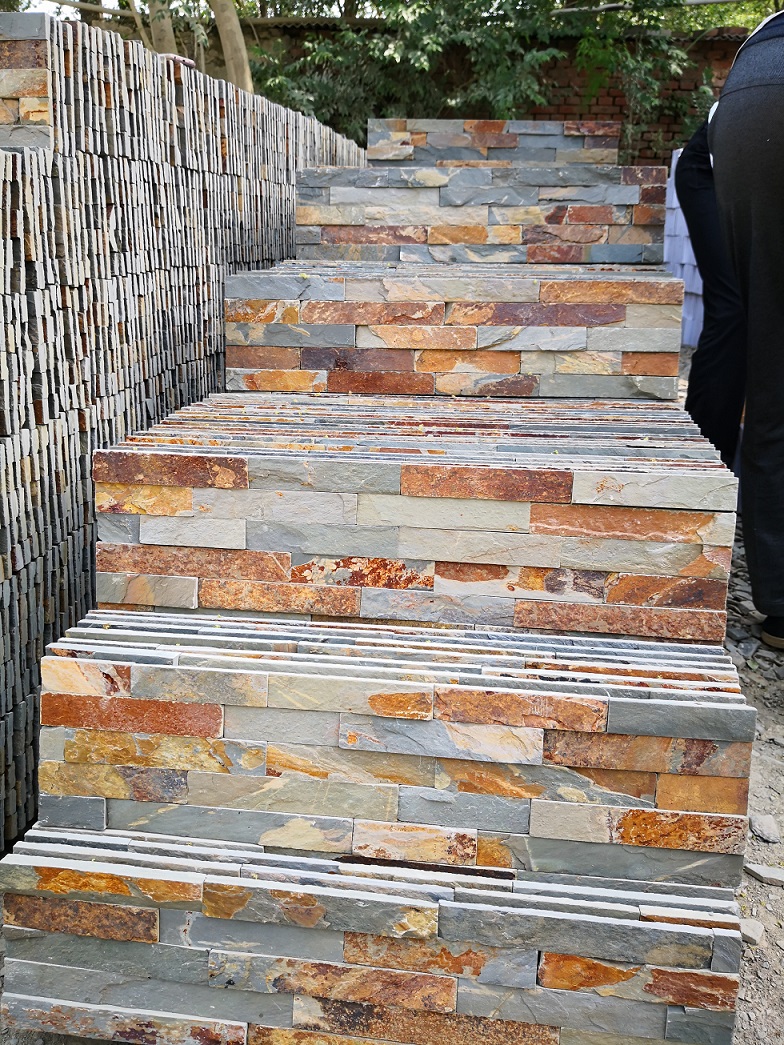
Sealing Strategies for Natural Stone Backsplashes
Natural stone backsplashes require sealing to block oils and steam. Professionals use impregnating sealers for natural looks or surface sealers for color enhancement, re-applying every six months in high-traffic kitchens.
Choosing Between Impregnating and Topical Sealers
Natural stone panels like travertine or slate are inherently porous. Without a chemical barrier, stovetop oils and airborne grease penetrate the mineral surface, causing permanent discoloration that standard cleaning cannot resolve. Selection of the right sealer depends on the desired final aesthetic and the specific stone type.
- Impregnating Sealers: These penetrate below the stone surface to provide an invisible barrier. They allow the stone to breathe while repelling water and oil.
- Topical Sealers: These create a film on the surface. They offer options for matte or gloss finishes that highlight the natural textures of minerals like quartzite.
- Material Specifics: Porous materials like travertine and slate require deep-penetrating formulas to prevent oil from the stovetop from causing deep-set stains.
Sealing Requirements for CNC Precision Interlocking Systems
Top Source Stone utilizes CNC diamond-blade edges to ensure tight Z-shape or S-shape fits. While this precision engineering creates a seamless architectural finish, these joints still require a sealer to maintain the integrity of the installation over time.
- Substrate Protection: Precision joints require sealer to prevent moisture and steam from migrating through the panel gaps to the installation substrate.
- Oxidation Prevention: Applying sealer to 100% natural quartzite and slate panels preserves same-batch quarry consistency by preventing surface oxidation in humid kitchen zones.
- Grease Management: Sealing the interlocking edges during installation prevents grease from accumulating in the natural clefts, simplifying long-term maintenance for the end-user.
Installers should verify the seal by splashing water on the surface. If the water beads, the protection is active. If the stone absorbs the water, the panel requires an additional coat to ensure a full barrier against kitchen contaminants.

Stain Resistance: Red Wine and Oil Tests on Real vs. Faux
Natural quartzite and slate offer superior resistance to red wine and oils. Unlike porous cement-based faux stone, high-density natural minerals prevent deep staining when properly sealed.
| Feature | 100% Piedra Natural | Faux Stone (Cement-Based) |
|---|---|---|
| Material Core | Solid Mineral (Quartzite/Slate) | Porous Cement Composite |
| Stain Absorption | Low (Surface-level only) | High (Capillary action) |
| Oil Reaction | Wipes clean (with sealer) | Permanent dark spotting |
| Structural Finish | Color-consistent throughout | Surface dye only (chips reveal gray) |
Porosity Differences Between Mineral-Based and Cementitious Surfaces
Faux stone typically uses a cementitious composite that exhibits high capillary action. This structure pulls red wine pigments deep into the material core, making stains nearly impossible to extract. In contrast, natural stone panels consist of 100% minerals like quartzite and slate. These materials offer significantly higher density and lower natural absorption rates, acting as a natural shield against liquid penetration.
- Oil Exposure: Cooking oils on faux stone often result in permanent dark spots due to the chemical interaction with artificial surface pigments.
- Surface Integrity: Real stone maintains its aesthetic even under heavy cleaning. It does not suffer from the fading or surface chipping common in cement-based imitations.
- Material Density: Natural quartzite scores high on the Mohs scale, providing a tighter molecular structure than cast concrete products.
Protecting Natural Stone with Professional-Grade Sealers
Applying high-quality piedra natural sealers creates an invisible barrier that blocks red wine and oil from entering the pores. This maintenance strategy is critical for B2B projects where long-term durability and client satisfaction drive repeat business. Unlike faux stone, which can degrade when exposed to certain sealant chemicals, natural stone remains structurally stable.
- Inventory Focus: Top Source Stone models like Alaska Gray (Quartzite) and Carbon Black (Slate) provide the most durable surfaces for high-traffic kitchen backsplashes.
- Cleaning Protocols: These stones require simple pH-neutral cleaners to preserve both the stone surface and the sealer’s effectiveness.
- UV Stability: Natural minerals do not yellow or discolor when treated with professional sealers, unlike the resin-heavy compositions found in some manufactured alternatives.
- Sealing Frequency: High-grease areas behind ranges should be sealed 2-3 times annually to maintain maximum protection against organic oils.
Choosing natural stone over faux alternatives ensures the backsplash remains a functional asset rather than a maintenance liability. For dealers and wholesalers, providing 100% natural minerals reduces the risk of post-installation complaints regarding permanent staining from common kitchen contaminants.

The Aesthetic Value of Natural Stone in Modern Kitchens
Natural stone provides organic depth and architectural sophistication that manufactured materials cannot replicate, maintaining design elegance and property value for decades.
Individualized Character through Natural Mineral Variation
Natural minerals create textures and depths that synthetic patterns cannot match. Every slab of Quartzite or Slate carries a distinct history through its unique veining, ensuring no two kitchen installations look identical. This authenticity creates a premium feel that manufactured “faux” products lack, as they often rely on repetitive, printed patterns.
Modern high-end designs now move beyond standard grays. Designers use organic color palettes, including emerald, deep blue, and pink minerals, to inject personality into sophisticated spaces. Because these materials are 100% natural, they resist short-lived fashion cycles and age gracefully, maintaining their visual appeal long after plastic-based alternatives begin to show wear.
Visual Continuity via CNC-Machined Interlocking Panels
Modern manufacturing techniques allow natural stone to achieve a level of precision once reserved for glass or ceramic. We use CNC diamond-blade edges to ensure every panel fits with modular accuracy. This eliminates the “stepped” gaps common in lower-grade stone products and provides a professional, architectural finish that high-end clients demand.
To maintain visual flow across large vertical surfaces, we implement specific engineering standards:
- Interlocking Systems: Z-Shape and S-Shape panels use a male-female connection to camouflage vertical joints and hide the installation substrate.
- Batch Consistency: We source stone from the same quarry vein for each order to guarantee 95% hue uniformity.
- Precision Cutting: CNC technology ensures tight-fitting edges that create a seamless look for full-height backsplashes.
- Corner Solutions: Pre-fabricated L-corners provide a 90-degree wrap-around finish that synchronizes texture and color at wall transitions.
This combination of natural variation and mechanical precision allows dealers to offer a product that is both visually unique and easy to install. By controlling the supply chain from the quarry to the crate, we eliminate the “patchy” appearance often found when mixing stone from different sources, protecting the project’s aesthetic integrity.
Preguntas frecuentes
Are stacked stone backsplashes difficult to clean compared to flat tiles?
Textured natural stone surfaces trap food debris and grease more easily than smooth ceramic. You can manage this by using a stiff-bristled brush and a non-alkaline stone cleaner. This combination reaches into crevices without etching the stone surface.
Can I install natural stone panels directly behind a gas range?
Natural stones like slate and granite are fire-resistant and safe for high-heat zones. You must install them over a fire-rated backing like cement board to comply with safety codes. Using a range hood also helps divert direct heat and grease away from the stone.
Does unsealed natural stone absorb cooking oils and grease?
Natural stone is porous and will soak up oils if left unsealed. Travertine absorbs liquids faster than denser materials like granite. Sealing fills these pores to create a barrier that prevents deep stains and makes it possible to wipe away splatters.
How often should I apply sealer to my stone kitchen wall?
We recommend applying sealer two to three times per year for full protection. High-grease zones, particularly the wall area behind the cooktop, require more frequent maintenance to keep the protective barrier functional.
Which natural stone provides the best balance of aesthetics and durability?
Quartzite and granite are the top performers for kitchen environments. Quartzite provides the premium look of marble while ranking higher on the Mohs hardness scale, making it highly resistant to scratches and cooking heat.
How do you ensure color consistency across a large kitchen installation?
Piedra fuente superior sources every individual order from the same quarry vein. This specific process ensures 95% hue uniformity within your batch, preventing the patchy, mismatched appearance often found when stone is mixed from different layers.
Final Thoughts
Faux stone relies on porous cement binders that trap oils and suffer from pigment fading in high-heat kitchen zones. Choosing 100% natural quartzite or slate eliminates these risks by providing inherent thermal stability and superior mineral density. Our CNC diamond-blade precision ensures a tight interlocking fit that protects the substrate and reduces long-term maintenance for your clients.
Verify the quality of our Alaska Gray or Carbon Black series by requesting a physical sample kit today. We support wholesale growth with 300-square-meter trial orders and provide pre-shipment visual verification for every crate. Contact our team to receive the latest “Big 10 Inventory” catalog and discuss protected pricing for your territory.
