Exclusive sourcing offers a strategic defense against erratic supply and direct market competition. Without clear agreements, businesses face inconsistent material quality, eroding profit margins, and costly territorial disputes.
We analyze factories using a “Direct Quarry Source” model, ensuring “Same-Batch Quarry Consistency” with 95% hue uniformity. We evaluate “Profit Protection” strategies and “Pre-Shipment Visual Verification” to secure your supply chain and market.
What is “Quarry-Direct Exclusivity” and How it Works?
Quarry-direct exclusivity means sourcing materials directly from one quarry under an exclusive deal. This cuts costs, ensures consistent supply, and boosts profit margins for B2B partners.
Understanding Direct Quarry Sourcing Agreements
Quarry-direct exclusivity involves procuring materials straight from a single quarry. This removes intermediaries, so you get full transparency in the supply chain.
A legally binding contract underpins this setup. A buyer commits to purchasing exclusively from one quarry, or the quarry agrees to supply only that buyer.
This arrangement offers several advantages:
- Better Pricing: Volume commitments secure more competitive rates.
- Guaranteed Supply: Consistent availability of materials becomes a given.
- Predictable Costs: Material expenses are stable, simplifying project budgeting.
Our Quarry-Direct Model for B2B Partnerships
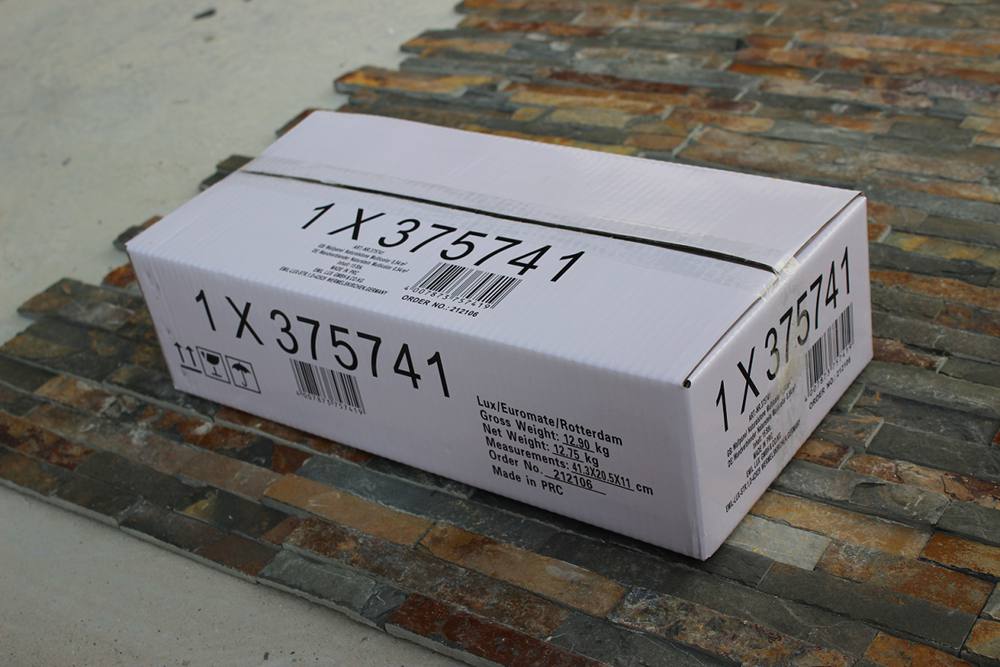
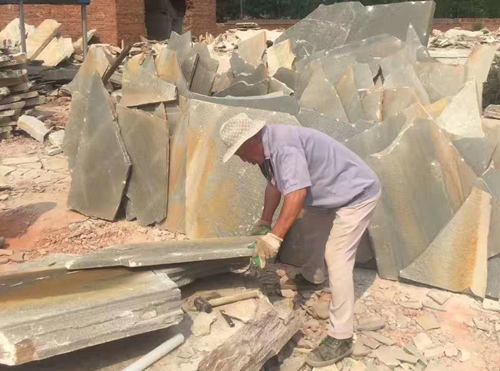
Top Source Stone implements a “Direct Quarry Source” model. We offer middleman-free pricing by controlling the supply chain from the mountain to the crate. This ensures maximum B2B cost-efficiency for our partners.
We guarantee “Same-Batch Quarry Consistency.” For every order, we source from the same quarry layer (vein). This prevents noticeable color shifts across large-scale wall installations.
Our business model is strictly B2B. We serve only dealers, retailers, and brand owners. This “Profit Protection” strategy ensures we never compete with our partners, safeguarding their margins and market territory.
Protecting Your Market: Territory Agreements for OEM
OEM territory agreements define exclusive sales boundaries. They protect dealer investments, prevent internal competition, and clarify national account rules, ensuring market stability and growth for all partners.
Understanding OEM Territory Protection
Territory agreements in OEM relationships are contracts that set precise geographic or market boundaries for product sales. This arrangement is vital for market stability, especially for dealers and distributors who invest significant resources in building market presence.
- These agreements contain contractual provisions defining precise geographic or market boundaries for exclusive product sales.
- They are crucial for protecting distributors and dealers who invest significantly in market presence.
- Manufacturers use these to strategically manage market coverage and prevent internal competition.
- Ambiguity in terms is a common source of legal disputes, undermining market investment.
Without clear territorial protection, you risk competing against the manufacturer or other authorized dealers within your market. This can quickly erode your investment in sales infrastructure, marketing, and customer relationships. Clear, well-defined agreements avoid conflicts and ensure everyone operates within understood boundaries.
Top Source Stone’s Commitment to Exclusive Markets
At Piedra fuente superior, our business model is built on strong, mutually beneficial B2B partnerships. Our commitment to exclusive markets is central to how we operate, ensuring our dealers can build their business without direct competition from their source factory.
- Our core ‘Profit Protection’ commitment strictly prevents direct-to-consumer sales.
- We exclusively serve dealers, retailers, wholesalers, and brand owners globally.
- This ensures your market margins are protected without direct competition from the source factory.
- Our B2B model is designed to foster long-term, mutually beneficial partnerships and market stability.
We do not engage in any direct-to-consumer sales, protecting the margins and territories of our partners. This focus on B2B distribution allows us to support our dealers in key markets like the USA, Canada, Australia, Europe, Southeast Asia, and the Middle East, offering them a true “Direct Quarry Source” advantage and ensuring “Same-Batch Quarry Consistency” without internal market disruption.
Increase Project Value with Premium Stone Panels
Why “Limited Edition” Stone Drives Urgency in Sales?
Limited edition stone drives sales urgency by leveraging scarcity and FoMO. For B2B partners, this means exclusive access to unique material batches, boosting perceived value, and accelerating sales cycles.
Leveraging Scarcity and FoMO for Urgency
Scarcity cues elevate perceived value. Buyers show a 15% higher willingness to pay for exclusive products.
Fear of Missing Out (FoMO) creates emotional urgency. This overrides rational price checks and compels fast purchasing.
Limited editions give products status and distinction. Buyers join exclusive groups and acquire unique items not widely available.
Securing Exclusive Material Access and Branding
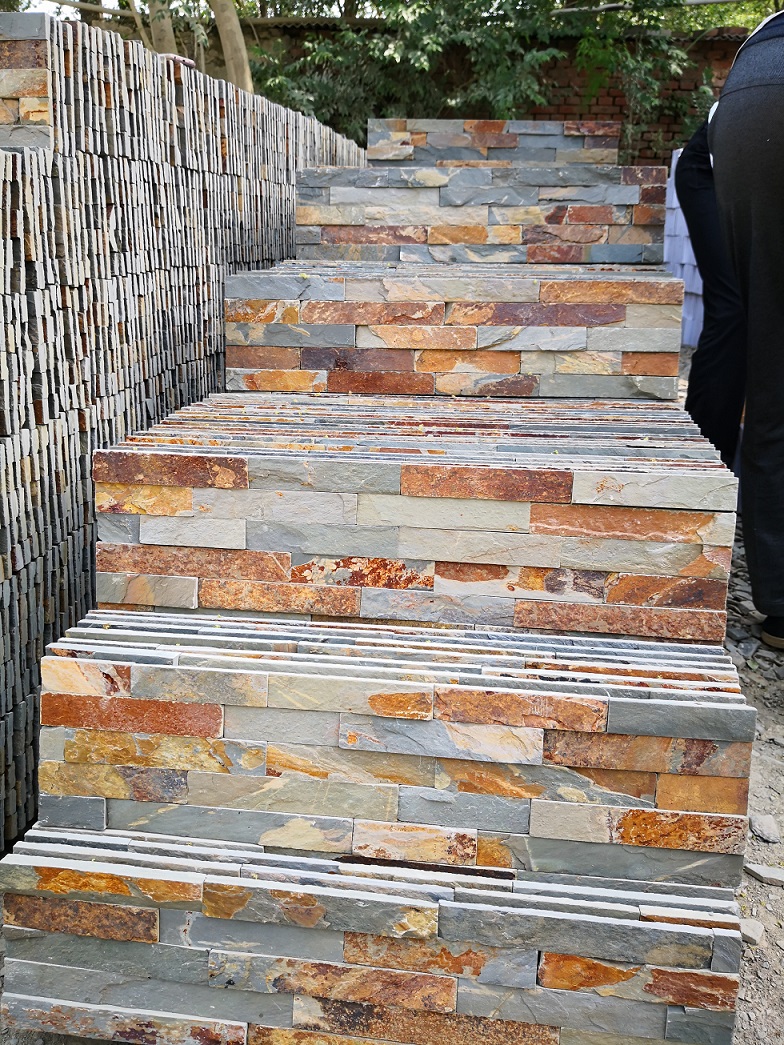
Our Direct Quarry Source process gives partners exclusive access to specific quarry layers. This minimizes natural color shifts and provides unique material batches, ensuring Same-Batch Quarry Consistency for every order.
Private Label and Custom Box options are available with a minimum order quantity (MOQ) of 300 square meters. This allows dealers to offer uniquely branded stone products, strengthening their market presence.
Our strict B2B model focuses on Profit Protection. We only serve dealers, retailers, wholesalers, and brand owners, enhancing the value and time-sensitive appeal of specific product offerings within their market territory.
Managing Supply Risk: Longevity of Your Signature Vein
Managing exclusive stone supply balances unique quality with dependency risks. We ensure vein longevity through strong partnerships, data monitoring, and consistent quality for stable, long-term access.
Understanding the Dynamics of Exclusive Stone Sourcing
Exclusive sourcing creates deep dependencies. It concentrates risk, but also delivers specialized quality and stronger partnerships for your projects.
This strategy offers benefits like better negotiating leverage and products tailored for specific architectural visions.
Balancing efficiency gains with the need for supply chain resilience is important for long-term viability.
Top Source Stone’s Approach to Vein Longevity and Consistency
- We source exclusively from the same quarry layer (vein) per order. This minimizes natural color shifts and variations in your material.
- Our Same-Batch Quarry Consistency practice ensures large orders maintain a uniform hue. This prevents ‘patchy’ looks on extensive installations. We guarantee 95% hue uniformity within a single batch.
- Through Pre-Shipment Visual Verification, we provide high-definition photos and videos of finished goods. This ensures transparency and builds trust before balance payment, so you see exactly what you get.

The Legal Framework: Contracts for Sourcing Exclusivity
Exclusive sourcing contracts define terms for exclusive supply or purchase. They are lawful if drafted correctly, balancing benefits with antitrust concerns. Enforceability depends on clear scope, duration, and performance metrics.
Understanding the legal backbone of exclusive sourcing is critical for B2B partners. These agreements set the rules for how suppliers and buyers work together, ensuring stability and preventing market distortions. We ensure our agreements protect your margins as a dealer, retailer, wholesaler, or brand owner.
Exclusivity periods vary significantly by context. Here’s a quick overview:
| Agreement Type | Typical Duration |
|---|---|
| M&A Exclusivity | 30-90 days |
| Supply Chain | 6-24 months |
| Distribution | 12-36 months |
| Licensing | 1-10 years |
The Foundation of Exclusive Sourcing Agreements
Exclusive sourcing contracts are legally binding documents. They restrict one or both parties from working with competitors or alternative suppliers/buyers for specific products or services. These agreements are generally lawful under federal and state law. We evaluate them based on a “rule of reason” standard, balancing competitive benefits against potential market harm.
- These are legally binding agreements restricting one or both parties from engaging with competitors or alternative suppliers/buyers.
- They are generally lawful under federal and state law, evaluated by a rule of reason standard balancing benefits against harm.
- Contracts are enforceable when they specify clear limitations, include reasonable restrictions, and do not unreasonably restrain trade.
Essential Elements for Enforceable Provisions
To build robust exclusivity clauses, you need to include key components. Antitrust concerns increase with longer contract terms or broader market coverage. Mitigating risk involves careful market analysis and thorough legal review. This is part of our commitment to your profit protection and ensuring a smooth “Direct Quarry Source” relationship.
- Critical elements include clear scope definition, performance metrics, geographic boundaries, duration terms, and dispute resolution mechanisms.
- Antitrust concerns heighten with longer contract terms, broader market coverage, or fewer alternative sources available to competitors.
- Risk mitigation involves market concentration studies, alternative source assessments, and thorough antitrust compliance reviews.
Final Thoughts
Relying on fragmented supply chains risks inconsistent material and eroded market share. Our Direct Quarry Source model, backed by Same-Batch Quarry Consistency and unwavering Profit Protection, safeguards your brand and secures superior margins. Choosing Top Source Stone means investing in quality and a protected market.
Don’t just take our word for it—verify our quality. Request a sample kit to experience our precision and consistency firsthand. Connect with us to discuss your private label and custom box requirements, and start building your secure, exclusive supply chain today.
Preguntas frecuentes
Can I obtain exclusive rights to a specific stone color?
You can gain limited exclusive rights, primarily through trademark protection for distinctive color collections, patterns, or proprietary series. Basic colors are generally not trademarkable alone. Trade dress protection also applies to a product’s unique ‘look and feel.’ The strongest protection combines distinctive colors with unique branding, proprietary manufacturing, and trademarked names.
How can I protect my brand from competitors copying my products?
Protecting your brand requires a multi-layered approach. Secure intellectual property (trademarks, patents) in all relevant markets. Actively monitor e-commerce and social media for infringements, using tools or manual searches. Enforce your rights by reporting to platforms, sending takedown demands, or taking legal action. Proactively develop a unique brand image, use anti-counterfeit technology, and create response protocols. Combine online and offline enforcement to disrupt networks.
What is a territory agreement?
A territory agreement is a contract defining a specific geographic area where one party (e.g., a distributor or sales representative) is authorized to conduct business on behalf of another. It outlines boundaries, permitted activities, and whether rights are exclusive, non-exclusive, or protected. These agreements clarify operational boundaries, help manage market coverage, and reduce potential disputes.
Are minimum volume requirements mandatory for exclusivity agreements?
No, minimum volume requirements are not strictly mandatory but are commonly included in exclusivity agreements. They ensure fairness, provide a performance framework (e.g., losing exclusivity if sales targets are not met), and offer mutual benefits. In some cases, exclusivity can exist without minimum volumes if other valuable considerations are provided, such as intellectual property access.
Can I fully prevent my manufacturing partner from copying my products?
You cannot completely prevent copying, but you can make it significantly harder and less profitable. This involves legal protections (patents, trademarks, NNN agreements with high liquidated damages), operational strategies (splitting production, controlling critical materials), and market-based deterrents (steady high-volume orders, difficult-to-replicate designs, strong brand identity). Multi-channel enforcement and traceability systems are also crucial.
