
Improper cleaning stone walls causes irreversible chemical etching and surface dullness that triggers costly restoration claims for contractors. Using acidic agents on natural minerals leads to permanent structural damage, compromising the project’s long-term asset value.
This analysis defines maintenance protocols for 100% natural stone, focusing on pH-neutral care and salinity resistance. We utilize technical standards for quartzite and slate to preserve UV stability and ensure the high-strength epoxy bonds of interlocking panels remain structurally sound.
The Golden Rule: Why Should You Never Use Acidic Cleaners on Stone?
Acidic cleaners react with calcium carbonate, causing irreversible etching and surface dullness. They also strip protective sealants, leaving stone vulnerable to deep staining and structural damage requiring professional restoration.
Chemical Reactions and Irreversible Surface Etching
When low-pH substances contact natural minerals, they trigger an immediate chemical reaction. For stones containing calcium carbonate, such as limestone or marble, this contact dissolves the surface layer. This process, known as etching, is not a simple stain that wipes away; it is a physical alteration of the stone’s structure.
- Calcite Reaction: Acidic agents react with calcite minerals in stones like marble and limestone to create dull, cloudy patches that ruin the finish.
- Physical Damage: Chemical etching leaves rough textures that household tools cannot fix, requiring expensive professional resurfacing to restore the original look.
- Oxidation Risks: Harsh substances like muriatic acid cause mineral oxidation, leading to severe discoloration and visible erosion that compromises the stone.
Even harder materials like granite are not immune. While more resilient, granite contains natural fissures that trap acidic products, leading to internal degradation over time. Once the surface polish is eaten away by acid, the stone loses its natural light reflectivity and appears permanently aged.
Preserving 100% Natural Stone with pH-Neutral Care
Maintaining high-quality stone products requires a strict adherence to pH-neutral cleaning standards. At Top Source Stone, our natural stacked stone is engineered for architectural durability, but it relies on proper maintenance to keep its UV stability and resistance to high salinity.
- Neutral Formulas: Use only pH-neutral cleaners specifically formulated for natural minerals like quartzite, slate, and granite.
- Sealant Protection: Neutral cleaners protect the integrity of protective sealants applied to maintain high salinity resistance and long-term color consistency.
- Structural Bond Integrity: Regular maintenance with stone-safe solutions prevents the breakdown of the high-strength epoxy resin used in our panel construction.
For B2B distributors and installers, advising clients on these maintenance protocols is vital for project longevity. Using the wrong chemical on a large-scale commercial installation can lead to a total loss of structural aesthetics. Stick to soft microfiber cloths and specialized stone soaps to ensure the “Big 10” inventory colors remain vibrant and the stone’s natural cleft texture stays intact.

Daily Maintenance: Effective Dusting and Vacuuming for Deep Textures.
HEPA-filtered vacuums and soft-bristle attachments clear recessed crevices, preserving natural shadow lines and preventing dust from hardening into grime on textured stone walls.
Multi-Directional Vacuuming and HEPA Filtration
Standard dusting methods often push particles deeper into the natural clefts of ledgestone. Professional maintenance requires a vacuum-first approach to extract debris before any liquid cleaners touch the surface.
- HEPA Filtration: Use vacuums certified to capture 99.97% of particles as small as 0.3 microns to prevent dust recirculation in commercial or residential interiors.
- Soft-Bristle Attachments: Natural quartzite and slate require gentle agitation. Soft brushes reach into fissures to lift dust without scratching the stone face.
- Multi-Directional Technique: Move the vacuum head vertically and horizontally. This ensures the brush reaches behind the varied edges characteristic of split-face panels.
Maintaining the 1.75-Inch Profile of Rough Series Panels
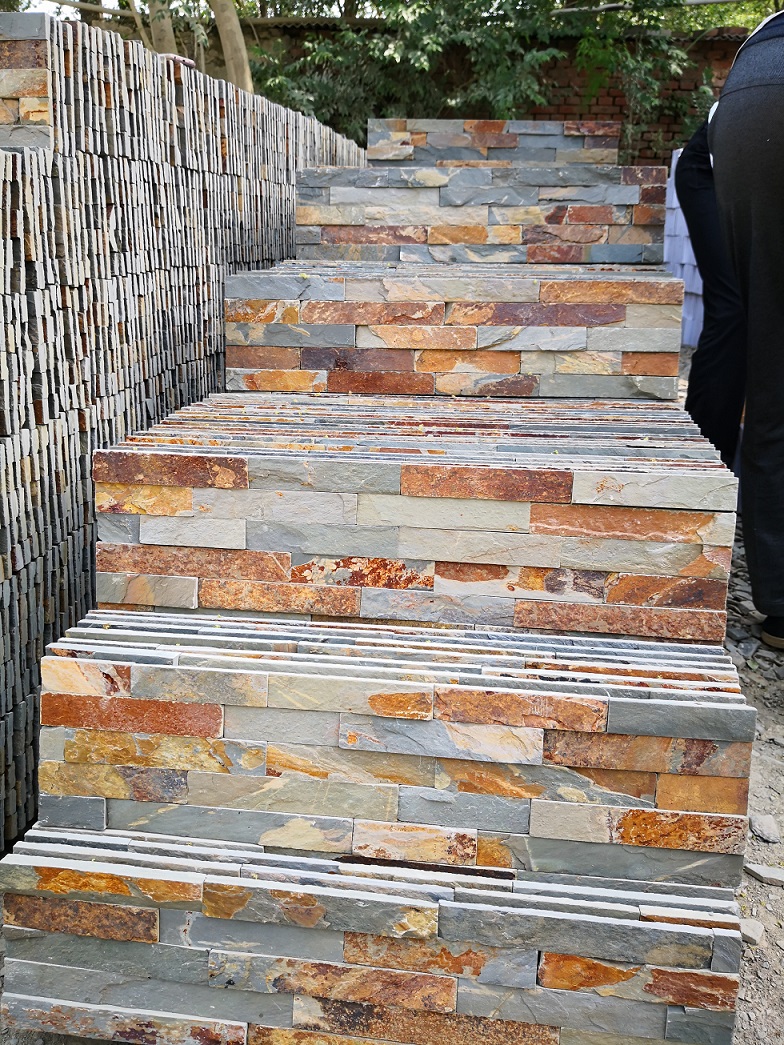
The Top Source Stone Rough Series features an aggressive depth profile of up to 3.5cm (1.75 inches). While this creates superior architectural shadow play, the deep recesses require specific attention to prevent buildup.
- Recessed Zone Focus: Concentrating vacuum passes on the horizontal “shelves” within the Rough Series prevents the graying effect caused by long-term dust accumulation.
- Cleft Line Alignment: Clean following the natural grain and split lines of the stone. This preserves the structural integrity of the 100% natural mineral layers.
- Sequence Control: Always vacuum before damp cleaning. Applying water or pH-neutral solutions to a dusty textured wall turns loose particles into mud, which settles permanently in deep textures.
For large-scale B2B projects, consistent vacuuming maintains the “Direct Quarry” look. This prevents the need for aggressive chemical cleaning later, which can compromise the stone’s UV stability and natural color consistency.
Premium Stacked Stone for Architectural Excellence
How to Safely Remove Soot and Smoke Stains from Fireplace Surrounds?
Degrease soot using TSP or pH-neutral cleaners. Apply as a paste, scrub deep textures with nylon brushes, and apply breathable sealer to prevent future carbon staining.
Soot is an oily carbon residue that easily embeds into the porous surface of natural minerals. For B2B distributors and installers managing high-end fireplace projects, removing these stains requires a method that breaks down the oils without damaging the stone’s chemical structure.
Effective Degreasing and Scrubbing Techniques
Removing smoke damage from textured surfaces like our Rough Series panels requires a strategy that penetrates the natural clefts. Using the right tools prevents the soot from being smeared further into the stone pores.
- PPE Protocol: Wear a face mask and gloves. This prevents the inhalation of fine carbon particles and protects the skin from irritating degreasers.
- Paste Application: Mix a degreasing agent like Trisodium Phosphate (TSP) with warm water to create a thick paste. This consistency allows the cleaner to cling to vertical Z-shape panels without dripping or running.
- Mechanical Agitation: Use a stiff nylon brush or an old toothbrush. These tools reach into the deep crevices and high-relief textures of natural stone where soot particles settle.
- Surface Cleaning: Scrub in circular motions to break down oily residues. Rinse the area thoroughly with clean, lukewarm water to remove all chemical traces.
Maintaining 100% Natural Stone Integrity
Top Source Stone products consist of 100% natural quartzite, slate, and granite. Unlike manufactured “faux” stone, these materials maintain their UV stability but are vulnerable to acidic etching. Proper maintenance protects the long-term structural integrity and color consistency of the installation.
- pH Management: Avoid vinegar or acidic solutions. These substances react with the minerals in quartzite and slate, causing permanent surface etching and dullness.
- Sealing Strategy: Apply a high-quality, breathable natural stone sealer after the cleaning process. This creates a barrier that simplifies future soot removal and keeps carbon from penetrating the stone.
- Standard Maintenance: Use only pH-neutral soaps for routine care. This ensures the stone’s bond and mineral layers remain intact over the years.
- Localized Restoration: Use fine-grit sandpaper gently on localized, stubborn stains. This allows for restoration of the natural cleft finish without requiring a full teardown of the wall panel.

Dealing with White Powder: How to Safely Eliminate Surface Efflorescence.
Efflorescence is a salt residue caused by water evaporation. Eliminate it with dry brushing or 1:12 diluted muriatic acid. Prevention requires high-salinity resistant natural stone and moisture-blocking sealants.
| Removal Method | Best Use Case | Key Constraint |
|---|---|---|
| Dry Brushing | Light surface powder | Use non-metal bristles only |
| 1:12 Muriatic Solution | Heavy calcification | Quartzite or Slate only |
| Vinegar Wash | Initial mineral testing | Pre-soak stone with water |
Manual and Chemical Removal of Surface Mineral Deposits
Surface salts often appear as a white, powdery bloom that ruins the aesthetic of a premium installation. Most light deposits can be cleared without chemicals if the timing is right. We recommend performing mechanical removal during warm, dry weather to ensure moisture isn’t trapped back into the stone capillaries during the process.
- Mechanical Cleaning: Use a stiff-bristled non-metal brush to scrub away dry powder. Avoid wire brushes as they can leave metal particles that eventually rust.
- Chemical Ratio: For heavy mineral buildup on durable materials like our quartzite or slate, apply a mixture of 1 part muriatic acid to 12 parts water.
- Saturation Protocol: Pre-soak the stone panel with clean water before applying any acidic solution. This fills the stone’s pores and prevents the acid from absorbing too deeply into the core.
- pH Restoration: Neutralize all treated areas immediately after rinsing with a baking soda solution (1/2 cup per gallon of water) to stop further chemical reactions.
Salinity Resistance and Protective Sealing for 2026 Projects
Eliminating efflorescence is a temporary fix if the underlying moisture migration isn’t addressed. High-traffic commercial projects or coastal installations require a proactive material strategy. At Top Source Stone, we engineer our panels to meet high salinity and humidity resistance standards, making them ideal for the Gulf regions and North American coastal markets.
- Material Selection: Source stone panels with high salinity resistance to minimize internal salt transport. Our 100% natural stone maintains structural integrity even through repeated freeze-thaw cycles.
- Sealing Timing: Apply premium silicone or acrylic sealants only when the stone is completely dry. Sealing damp stone traps moisture inside, which eventually forces salts to the surface.
- Damp-Proofing: Install moisture barriers behind the stone cladding. This blocks water-soluble salts from migrating from the substrate or mortar through to the finished face.
- Batch Consistency: We source from the same quarry vein per order to ensure uniform density, which helps the stone react predictably to environmental moisture.

Soft Scrubbing vs. Pressure Washing: Which is Safer for Exterior Stone?
Soft washing protects natural stone integrity by cleaning deep within pores under 500 PSI, avoiding the permanent etching and structural damage caused by high-pressure systems.
Structural Risks of High-PSI Pressure Washing
High-pressure streams ranging from 1,500 to 4,000 PSI pose immediate threats to natural mineral surfaces. These intense jets force water into micro-cracks, which eventually causes spalling as the internal pressure expands. This process physically weakens the stone and compromises the installation’s longevity.
Excessive water pressure also destroys the aesthetic value of the material. For retailers and wholesalers, this often results in costly claims regarding surface pitting and the loss of the natural cleft finish on slate and quartzite products.
- Micro-Crack Expansion: Deep water penetration leads to spalling and surface flaking.
- Surface Etching: High PSI removes the authentic texture of slate and quartzite minerals.
- Resin Erosion: Intense pressure degrades the high-strength epoxy resin used in stacked stone panel assembly.
- Layer Delamination: Layered stones like sandstone risk separating under concentrated water force.
Preserving Freeze-Thaw Resistance with Soft Washing
Soft washing uses biodegradable solutions to emulsify dirt without mechanical force. This method maintains the stone’s inherent UV stability and ensures color consistency across the entire wall. By avoiding high-pressure injection, you prevent moisture from being trapped behind the panels.
For North American markets facing extreme 2026 freeze-thaw cycles, this technique is vital. It protects the CNC diamond-blade precision edges that define our premium Z-Shape and S-Shape interlocking systems, keeping joints tight and architectural lines clean.
- Color Protection: Maintains natural mineral hues without fading or “patchy” discoloration.
- Cycle Durability: Prevents the moisture trapping that causes cracking during winter freeze-thaw events.
- Joint Integrity: Protects precision-cut edges for seamless male-female connections.
- Efficiency: Keeps surfaces clean up to six times longer than traditional pressure washing.
Foire aux questions
How do you clean natural stacked stone without damaging the surface?
Use pH-neutral stone cleaners or mild dish soap mixed with warm water. Apply the solution using a soft-bristled brush or microfiber cloth to navigate the stone’s texture. Avoid acidic cleaners, bleach, or abrasive pads, and always dry the surface immediately to prevent mineral buildup.
Why is vinegar generally discouraged for stone maintenance?
Vinegar is highly acidic and can etch the surface of natural minerals like marble, limestone, and quartzite. While diluted vinegar sometimes treats specific issues like efflorescence, regular use strips protective finishes and dulls the stone’s natural luster.
What is the best way to eliminate white salt deposits known as efflorescence?
Scrub the affected area with a stiff, non-metal brush and clean water. If the deposits persist, use a specialized efflorescence remover or a neutralized muriatic acid solution. Rinsing thoroughly with a baking soda and water mixture after treatment prevents further chemical reactions.
How do you safely remove soot and smoke stains from stone fireplace surrounds?
Vacuum all loose debris before scrubbing the stone with a mixture of hot water and grease-cutting dish soap. For heavy soot buildup, apply a paste of trisodium phosphate (TSP) and water, or use a baking soda paste for sensitive stones like limestone, then rinse with a damp sponge.
Can you use a pressure washer on exterior stone siding?
Pressure washing is safe for natural stone if you keep the pressure below 1,000 PSI. Use a wide fan nozzle instead of a concentrated point tip and maintain a distance of at least 12 inches to prevent grout damage or water intrusion behind the panels.
How do you ensure color consistency across a large wall installation?
We source material from the same quarry vein for each specific order to achieve 95% hue uniformity. For the best visual results, installers should pull panels from multiple crates during the layout process to blend the natural variations inherent in real stone.
