
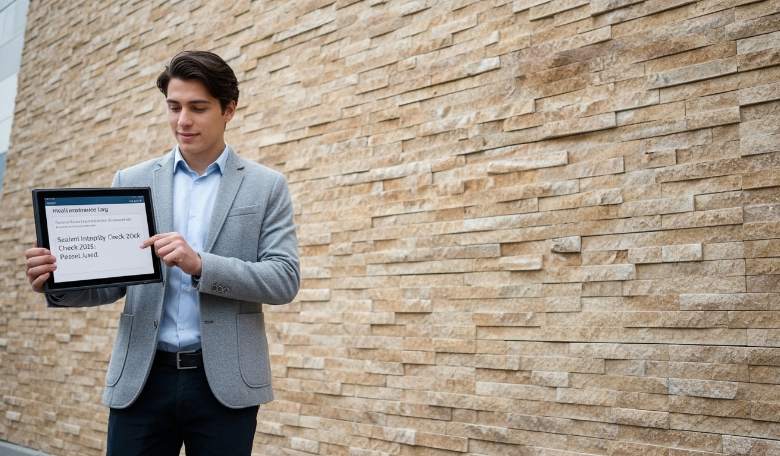
Following a professional stone sealer guide prevents moisture ingress that leads to structural degradation and costly facade replacements. If property managers overlook the porous nature of stacked stone, they risk efflorescence, freeze-thaw damage, and permanent staining that devalues the asset. A neglected exterior facade often results in high-cost remediation projects that disrupt site operations and strain maintenance budgets.
This technical walkthrough breaks down the selection process between penetrating sealers and topical enhancers to ensure compatibility with specific ledger panels. We outline the testing protocols for determining re-sealing schedules and provide a step-by-step application framework for high-relief stone surfaces. By identifying common application errors and answering critical maintenance questions, these procedures establish a reliable standard for preserving stone integrity in both interior and exterior environments.
Does Natural Stacked Stone Really Need to Be Sealed?
Sealant application serves as the primary defense against capillary absorption and subsurface mineral migration, transforming Pietra naturale from a vulnerable porous material into a resilient architectural asset.
Most Pietra naturale variants, including slate and quartzite, contain microscopic voids that act as conduits for liquids. Without a barrier, oils, environmental debris, and organic contaminants penetrate the surface, leading to deep-seated staining that standard cleaning cannot reach. Protecting these surfaces ensures the longevity of the installation and preserves the aesthetic intent of the design.
Protecting Against Stains and Contaminants
Natural stone surfaces remain inherently porous, leaving them open to absorbing contaminants like oils, wine, or atmospheric pollutants if left unprotected. Once these substances enter the stone’s pore structure, they become nearly impossible to extract without damaging the face of the ledger panel. High-quality sealers mitigate this risk by modifying the surface tension of the stone.
- Penetrating sealers fill the microscopic pores of slate and quartzite to effectively block liquid absorption.
- Sealing prevents organic growth like mildew or moss in shaded exterior areas, which is common in high-humidity climates.
- Protected surfaces allow for easier cleaning using pH-neutral solutions, eliminating the need for harsh chemicals that can etch the stone.
Mandatory Requirements for Exterior and Wet Zones
For 2026 construction standards, sealing is no longer optional for exterior facades or water features. Environmental exposure subjects ledger panels to constant moisture, which can degrade the stone’s structural integrity over several seasons. In regions like the United States, Canada, and Northern Europe, the freeze-thaw cycle poses a significant threat to unsealed masonry.
- Sealing creates a barrier that mitigates the risk of efflorescence—the white, powdery salt deposits often seen on masonry when water leaches minerals from the mortar bed.
- Exterior facades require protection to withstand freeze-thaw cycles that cause water to expand within the stone, leading to flaking or spalling.
- Moisture-prone areas like pool surrounds or water features require high-grade water-based sealers to prevent internal stone degradation and salt-attack.
The Impact of Stone Porosity on Sealing Decisions
The necessity and frequency of sealing depend heavily on the specific mineral composition and density of the ledger panel material. At Pietra sorgente superiore, we source from specific quarry veins to ensure consistency, but the geological properties of the stone remain the deciding factor for maintenance protocols. Denser stones generally offer higher natural resistance compared to softer, more absorbent varieties.
- Dense materials like our Quartzite series panels (Alaska Gray or Sierra Blue) may require less frequent applications compared to highly porous limestones.
- Marble series panels benefit from sealing to preserve their honed or polished finish against acidic rain and industrial pollutants.
- Architects should specify sealers based on the stone’s specific absorption rate to ensure long-term structural integrity and color retention.
Timing and Curing for 2026 Installations
Proper application timing is as critical as the sealer itself. Applying a sealant too soon after installation can trap moisture behind the barrier, leading to bond failure or permanent discoloration. Industry professionals emphasize a strict waiting period to allow the wall assembly to reach equilibrium with the environment.
- Contractors must wait at least 30 days post-installation to allow the stone and setting materials to fully cure and release residual moisture.
- Applying sealer too early can trap moisture inside the wall, causing a “hazing” effect or potential delamination of the panels.
- Verify that the stone surface is completely dry and free of construction dust or grout haze before the first coat of sealer is applied.
Penetrating Sealers vs. Topical Enhancers: What’s the Difference?
Selecting the correct sealing chemistry depends on whether you need to preserve the stone’s structural breathability or highlight its mineral depth through a sacrificial surface film.
Penetrating sealers, often called impregnators, function by sinking deep into the stone’s microscopic pores rather than sitting on top. These formulas bond at a molecular level to repel water and oils while keeping the original matte finish of the natural stone. Because they do not form a film, they maintain the stone’s natural friction and texture, making them the standard choice for high-traffic exterior facades where slip resistance and a “dry” look are required.
- They offer superior vapor transmission, which allows moisture trapped behind the pannelli in pietra impilati to escape freely.
- These sealers do not peel, flake, or yellow when exposed to intense UV radiation in regions like the Middle East or the Southern US.
- Installation professionals prefer penetrating formulas for large-scale commercial projects to minimize long-term maintenance cycles.
Topical enhancers work differently by creating a protective film on the stone surface. These coatings produce the popular “wet look” that saturates the stone’s color and highlights the intricate veining found in marble and slate product lines. While they provide an excellent sacrificial layer against surface stains and light scratches, the film naturally wears down over time. We recommend these primarily for interior accent walls where dramatic lighting can play off the enhanced, deepened colors of the stone.
| Caratteristica | Penetrating Sealer | Topical Enhancer |
|---|---|---|
| Primary Function | Internal pore blockage | Surface film formation |
| Visual Impact | No change (Matte) | Darkens color (Wet look) |
| Breathability | High (Vapor permeable) | Low (Traps moisture) |
| Durata | 3–5 years | 1–2 years |
Performance Standards and Vapor Management in 2026
Current industry standards prioritize solvent-based penetrating formulas for exterior ledger panels to withstand heavy UV exposure without yellowing. Modern testing shows that non-breathable topical sealers can lead to efflorescence—that unsightly white salt buildup—if used on exterior walls in damp or coastal climates. By 2026, the market has shifted toward pH-neutral formulations that protect the high-strength epoxy resins used in our panel assembly, ensuring the structural bond remains intact even after multiple sealing cycles.
Choosing the Right Product for Rough vs. Flat Series
The specific texture of your stacked stone panel dictates which sealing method provides the best functional and visual result. Our Rough Series benefits most from penetrating sealers; this preserves the deep shadows and rugged, heavy-relief textures without adding an artificial shine that can make Pietra naturale look like plastic. In contrast, the Flat and Marble Series often pair well with enhancers to bring out the sophisticated color variations and luxury appeal inherent in the stone’s vein.
For the Pencil Series, we exclusively recommend a penetrating sealer. The intricate, thin stone strips in this series have a high surface-area-to-volume ratio. A thick topical coating can cause a “clumping” effect between the narrow gaps, which ruins the sharp, linear architectural lines. Using a low-pressure sprayer followed by immediate back-rolling ensures the sealer protects every crevice without pooling.
Premium Stacked Stone for Architectural Projects

How to Determine if Your Stone is Ready for Re-sealing?
Proactive field testing for seal integrity prevents irreversible moisture penetration and protects the architectural value of high-end ledger panel installations.
Wait 30 to 90 days after a new installation before applying the initial sealer to allow the stone and mortar to cure. Once established, the frequency of maintenance depends on the material’s mineral composition and its exposure to environmental stressors. We recommend an annual diagnostic check to ensure the protective barrier remains functional, especially for exterior facades in freeze-thaw climates.
The Water Droplet Test
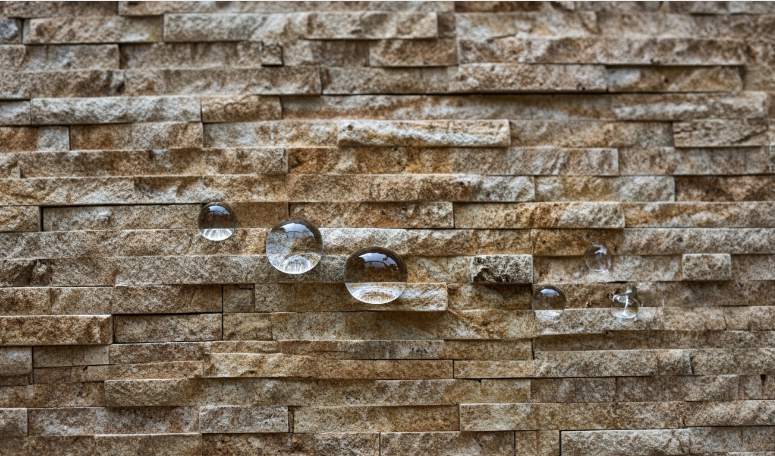
This remains the most reliable field test for stone porosity and seal integrity in 2026. By observing liquid absorption rates directly on the panel surface, we can identify exactly where the protective layer has worn thin. For accurate results, conduct this test on several different areas of the wall, as exposure to UV light or rain can cause uneven seal degradation across a single facade.
- Place quarter-sized droplets of water on several different areas of the stone panels.
- Observe the surface for 10 to 15 minutes to see if the water remains beaded or begins to flatten.
- Identify seal failure if the stone darkens or absorbs the liquid, indicating the protective barrier has worn away.
- Perform this test annually to stay ahead of potential moisture penetration or staining.
Visual Indicators of Seal Degradation
Physical appearance often signals when a previous treatment reaches the end of its lifespan. Natural stones like slate and quartzite contain minerals that lose their vibrancy when the sealant layer thins. If a professional cleaning fails to restore the stone’s original depth of color, the surface is likely ready for a fresh application of a penetrating water-based sealer.
- Monitor for a dull or dry-looking appearance that persists even after the stone is clean and dry.
- Watch for increased staining or discoloration, suggesting the stone is now vulnerable to organic spills or environmental pollutants.
- Check for visible scratches and etching that the previous sealant layer once concealed.
- Identify color fading where the vibrant textures of slate or quartzite series appear muted and grayed out.
Porosity Testing for Marble and Light Stones
Light-colored stones and marble series products require more rigorous testing due to their high sensitivity to acids and oils. For products like Glacier White Quartzite or white marble ledger panels, we use more aggressive testing agents to ensure the stone can withstand kitchen or bathroom environments. These materials are naturally more porous and typically demand a more frequent maintenance schedule than darker, denser stones.
- Apply an oil and lemon test by placing small drops of cooking oil and citrus juice on a discreet, inconspicuous area.
- Wait 15 to 20 minutes before wiping the surface clean to check for dark spots or physical etching.
- Recognize that light-colored stones generally require resealing more frequently than darker varieties like black slate.
- Ensure marble surfaces receive specific attention every 6 to 12 months to maintain their luxury finish and asset value.
Stone-Specific Maintenance Intervals
The density of different natural materials dictates the maintenance cycle. While high-traffic or outdoor areas facing heavy rain and UV light require aggressive scheduling, interior accent walls in dry environments can often go longer between treatments. We recommend maintaining a detailed log of sealing dates to ensure consistent protection across different stone assets in a commercial or residential portfolio.
- Schedule granite resealing every one to three years depending on environmental exposure levels.
- Apply fresh sealer to limestone and other highly porous panels every six months for high-traffic or moisture-prone areas.
- Adjust maintenance frequency based on weather exposure, specifically for exterior facades in coastal or high-humidity regions.
- Keep a log of application dates and products used to guarantee the stone’s long-term durability and freeze-thaw resistance.
Step-by-Step: Applying Sealer to High-Relief Ledger Panels
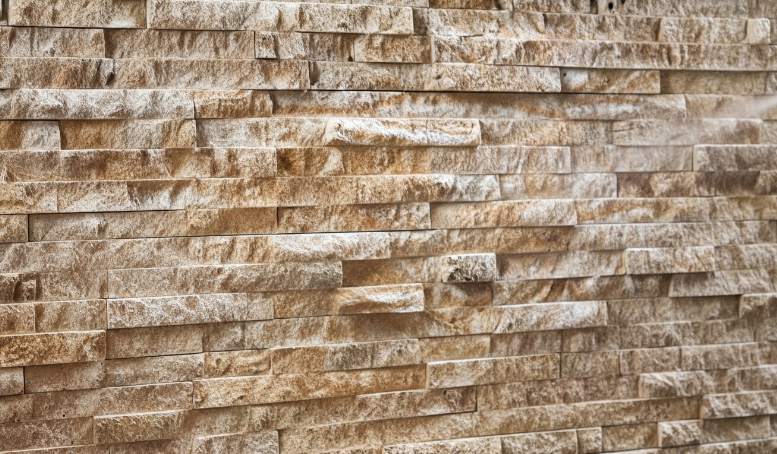
High-relief panels demand a transition from traditional flood-coating to precision low-pressure saturation to ensure chemical bonding within deep architectural recesses without causing surface pooling.
Surface Preparation and Moisture Testing
Sealing only succeeds when the substrate is chemically receptive. For high-relief panels like the Pietra sorgente superiore Rough Series, construction dust and mortar haze often hide in the deep clefts. We use a soft-bristle brush and clean water to agitate these recesses, followed by a mandatory 24 to 48-hour drying window. Applying sealer to a damp stone traps moisture, leading to a cloudy finish known as blushing.
Before moving to full application, we perform a water test on different sections of the wall. Natural stone porosity varies even within the same batch. We drop water on the surface; if it absorbs within 30 seconds, the stone is ready for a high-performance penetrating sealer. If it beads, existing residues or moisture are likely blocking the pores.
Tool Selection for Deep Texture Recesses
Standard rollers fail on high-relief ledger panels because they cannot reach the dramatic shadows and varying stone depths of a 3.5cm profile. We utilize low-pressure pump sprayers set to a fine mist to achieve uniform coverage across the natural clefts. This method ensures the sealer reaches the “male-female” interlocking joints of our Z-shape panels, which are critical areas for moisture defense.
| Application Method | Suitability for High-Relief | Technical Outcome |
|---|---|---|
| Low-Pressure Sprayer | Primary (Recommended) | Deep pore penetration in recesses; no mechanical abrasion. |
| Natural Bristle Back-Brush | Secondary (Detailing) | Eliminates pooling and “runs” in low spots of the stone. |
| Standard Foam Roller | Not Recommended | Coats peaks only; misses deep textured shadows and joints. |
Multi-Coat Application Protocol
Applying a single heavy coat often leads to product runoff and wasted material. We follow a thin-layer protocol, starting with consistent, overlapping horizontal passes. We allow the sealer to penetrate for 10 to 15 minutes. While the stone is still slightly damp but not saturated, we apply a second light coat. This “wet-on-wet” technique maximizes the chemical load within the stone’s capillaries.
- Work in manageable 10-square-foot sections to maintain control over drying times.
- Keep a dry microfiber cloth handy to wipe away excess liquid that sits on the stone surface after 20 minutes.
- Pay special attention to the vertical joints in the Z-shape configuration where sealer tends to collect.
Curing Requirements and Site Protection
The final stage involves a controlled cure. Any sealer that has not absorbed after the final application must be wiped off immediately. If left to dry on the surface, it creates a sticky residue that attracts dust and is difficult to remove without harsh solvents. We ensure the wall remains protected from rain, irrigation systems, or site dust for at least 24 hours.
For interior installations using Top Source Stone panels, maintaining a stable temperature during the initial 24-hour cure is vital. Rapid temperature fluctuations can affect the stability of the epoxy-bonded panels. Once the 72-hour mark passes, the penetrating barrier is fully active, providing the high-salinity and humidity resistance required for long-term facade integrity.
Common Sealing Mistakes That Can Ruin Your Stone Facade
Even the highest-grade natural stone veneer requires precise application protocols to prevent irreversible aesthetic clouding and structural spalling.
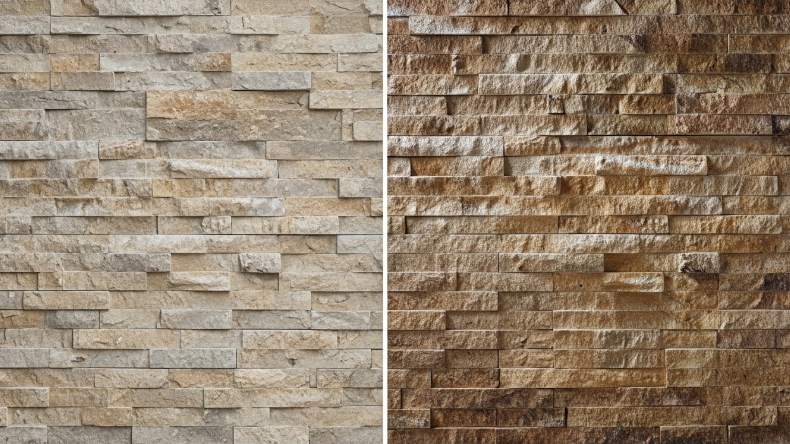
Applying sealer is often viewed as a simple final step, yet technical errors during this phase cause most long-term stone failures. Whether you are installing Alaska Gray Quartzite or Carbon Black Slate, the chemical bond between the sealer and the mineral surface determines the longevity of the facade. Bypassing standard preparation or choosing the wrong chemical profile can lead to “white-out” effects that typically require expensive professional stripping to resolve.
Sealing Over Surface Contaminants and Dust
Quarry dust and construction debris act as a physical barrier that prevents sealers from reaching the stone’s internal pores. If the surface remains uncleaned, the sealer bonds to the dust rather than the stone itself. This creates a weak protective layer that eventually peels or flakes off.
- Dust and loose particulates prevent the sealer from bonding directly with the natural stone pores.
- Trapped contaminants create a cloudy or blotchy appearance that typically requires professional stripping to fix.
- Preparation in 2026 projects requires a pH-neutral cleaner and a completely dry surface to ensure a clear finish.
Using Non-Breathable Topical Coatings on Exterior Walls
High-gloss topical sealers create a plastic-like film that looks appealing initially but often leads to structural failure on exterior facades. These non-breathable layers trap water vapor inside the stone. In North American or European climates, this trapped moisture undergoes freeze-thaw cycles, creating internal pressure that forces the stone face to crack and delaminate.
- Non-breathable layers trap moisture behind the stone, which causes pressure build-up during temperature shifts.
- Trapped water undergoes freeze-thaw cycles that result in spalling, where the stone face cracks and peels away.
- Penetrating sealers protect the stone while allowing water vapor to escape, maintaining the integrity of the facade.
Applying Sealer to Damp or Uncured Stone
Moisture is the primary enemy of a successful seal. Applying chemicals to stone that is still damp from rain or cleaning locks humidity inside. This moisture reacts with minerals like calcium to form efflorescence—a white, powdery salt deposit that migrates to the surface. Once sealed in, these salts are nearly impossible to remove without removing the sealer first.
- Moisture trapped by a sealer reacts with minerals to form white, powdery salt deposits known as efflorescence.
- The sealer often turns white or opaque when it reacts with internal humidity, ruining the natural color of the slate or quartzite.
- We recommend a minimum 48-hour dry window after cleaning or heavy rain before starting the application process.
Ignoring Ambient Temperature and Weather Constraints
Sealing stone in direct, hot sunlight is a common mistake that prevents deep penetration. High temperatures cause the solvent or water carrier to evaporate too quickly, leaving the protective solids sitting on top of the stone rather than inside it. This results in a tacky, sticky surface that attracts dirt and ruins the “senza soluzione di continuità” aesthetic of interlocking Z-shape panels.
- High temperatures cause the sealer to dry too quickly on the surface, preventing it from soaking into the stone pores.
- Excessive humidity can interfere with the chemical bond, resulting in a sticky or tacky surface that attracts more dirt.
- Optimal 2026 application standards suggest working in shaded conditions when temperatures are between 50°F and 80°F.
Conclusione
Sealing natural stacked stone preserves its texture and protects the surface from moisture, stains, and environmental wear. This maintenance step ensures the stone maintains its structural integrity and visual appeal throughout the life of the building. Consistent care safeguards the investment and reduces the need for expensive repairs or replacements.
You can browse our current inventory of slate and quartzite panels to select a high-durability material for your next project. Contact our team to discuss your specific requirements or to receive a copy of our technical product specifications.
Domande frequenti
How often should I seal stacked stone?
For optimal preservation, interior stacked stone should be resealed every 3 to 5 years. Exterior installations or stone located in high-moisture environments, such as pool surrounds or areas prone to freeze-thaw cycles, should be sealed more frequently—typically every 1 to 2 years—to maintain a robust protective barrier against the elements.
What is the best sealer for natural stone veneer?
Penetrating water-based sealers are the industry-preferred choice for impiallaccia di pietra naturale. Unlike film-forming sealers that sit on top of the surface, penetrating sealers soak into the stone’s pores, providing superior durability and moisture protection while maintaining the stone’s natural “breathability” and aesthetic appearance without adding an artificial shine.
Do I need to seal interior stacked stone?
Yes, sealing interior stacked stone is highly recommended. While it is not exposed to harsh weather, sealing protects the stone from household contaminants like dust, cooking grease, and smoke. It also simplifies the cleaning process and prevents the stone from becoming brittle or shedding small particles over time.
How can I tell if my stone sealer is still working?
You can verify your sealer’s effectiveness with a “water bead test.” Sprinkle a few drops of water onto the stone surface; if the water beads up and sits on top, the sealer is still active. If the water is absorbed and the stone turns dark within a few minutes, the sealer has worn off and a fresh application is required.
Can I seal stone myself or do I need a pro?
Sealing stacked stone is a common DIY-friendly task that property owners can perform themselves using a low-pressure sprayer or a soft-bristled brush. The key is to ensure the stone is completely clean and dry before application. However, for massive exterior projects or high-elevation walls, hiring a professional can ensure safety and more uniform coverage.
