
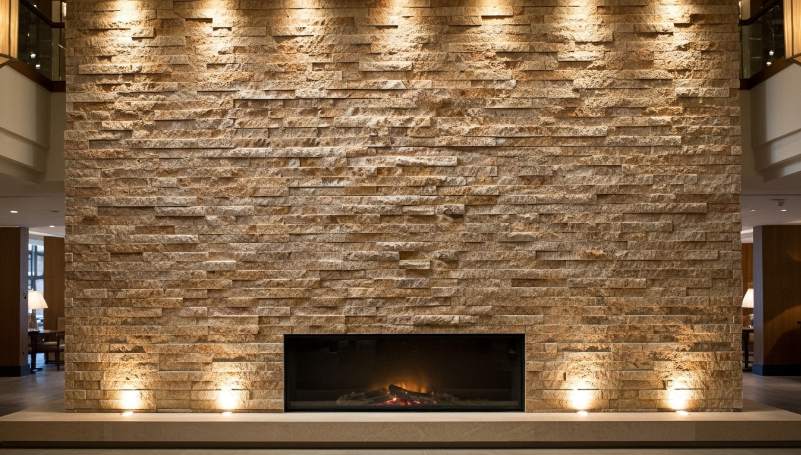
Cleaning fireplace soot is a critical maintenance protocol that prevents permanent acidic etching on high-value natural stone surfaces. Neglecting carbon and creosote buildup leads to porous stone degradation and poor indoor air quality, which can significantly diminish the long-term ROI of architectural features. Property managers risk irreversible staining and increased fire hazards when they fail to implement a standardized cleaning schedule using appropriate chemical agents.
This guide provides a technical standard operating procedure for identifying pH-neutral cleaning agents and the specific physical methods required for deep-cleaning rough split-face stone. We detail the mechanics of removing deep-seated carbon deposits from slate and quartzite without damaging the material’s integrity. These restoration and protection techniques maintain the structural and visual quality of 積み重ねられた石の壁 while reducing future maintenance overhead.
Why Soot Accumulation is the Enemy of Natural Stone Aesthetics?
Unmanaged soot buildup transitions high-end natural stone from an architectural focal point to a maintenance liability by neutralizing visual depth and inducing chemical degradation.
Loss of Unique Texture and Shadow Depth
Soot particles settle into the deep crevices of split-face materials, specifically the Rough Series panels. This accumulation flattens the visual impact by filling in the unique clefts and ridges that characterize natural stacked stone. Carbon film masks the authentic quarry textures, turning what should be a vibrant, multi-dimensional feature wall into a dull, uniform surface.
- Debris neutralizes the dramatic shadows that give dry-stack stone its architectural character.
- Accumulated film obscures the color variations found in genuine quarry layers.
- The loss of surface definition makes premium natural stone indistinguishable from mass-produced imitations.
Deep-Pore Penetration and Discoloration
The porous nature of slate and quartzite allows microscopic smoke particles to lodge beneath the surface. Unlike smooth tile, split-face stone features pits and veins where soot behaves like a pigment, wedging itself into pores where standard wiping fails to reach. Light-colored selections, such as Glacier White or Alaska Gray, show immediate and jarring contrast against black carbon deposits.
- Fine soot particles act as a permanent dye if not extracted from microscopic pores.
- Unsealed stone panels absorb oils from wood smoke, resulting in dark, greasy stains.
- Porous quartzite materials require deep-cleaning chemicals once soot bypasses the surface layer.
Chemical Erosion of Mineral Surfaces
Combustion byproducts react directly with the mineral composition of the stone, often causing permanent structural damage. Smoke contains acidic components that etch the surface of calcium-based materials like marble. Long-term exposure to high-heat soot cycles accelerates the weathering of interior stone, a significant concern for large-scale commercial maintenance schedules.
- Acidic residues lead to a loss of natural luster on polished or honed mineral surfaces.
- Sulfurous deposits react with atmospheric moisture to create mild acids that degrade stone binders.
- Heat-driven soot cycles can cause micro-cracking in less dense stone varieties over time.
Reduced Property Value and Luxury Appeal
A soot-stained fireplace suggests neglect and undermines the premium investment made in natural 石のクラッディング。 Natural stone serves as a high-value asset in residential and commercial lobbies; however, heavy staining erases the “timeless” appeal. Routine soot removal prevents the need for aggressive restoration, preserving both the stone’s integrity and the property’s market value.
- Dirty architectural features negatively impact the professional atmosphere of corporate or hospitality spaces.
- Properly maintained stone preserves its UV stability and structural integrity for decades.
- Preventative maintenance avoids the high labor costs associated with professional chemical stone restoration.
The Best Cleaning Solutions for Slate and Quartzite Fireplaces
Maintaining the architectural integrity of natural stone surrounds requires a transition from aggressive household chemicals to pH-neutral maintenance protocols that prevent mineral etching and carbon bonding.
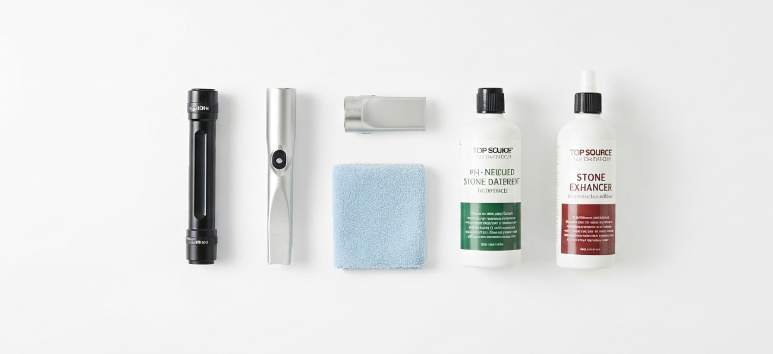
pH-Neutral Natural Stone Cleaners
pH-neutral solutions represent the industry standard for preserving the structural integrity of both slate and quartzite. These stones contain complex mineral compositions that react negatively to acidic agents like vinegar, lemon juice, or commercial limescale removers. Acidic contact causes immediate surface etching, stripping the natural luster and leaving the stone vulnerable to deep soot penetration. For routine maintenance, a dilute solution of pH-neutral dish soap in warm water effectively lifts light carbon deposits without compromising the stone’s surface.
Heavy soot buildup requires professional-grade stone detergents. These solutions break down grease and carbon binders without using ammonia or bleach, which can cause permanent discoloration of natural pigments. When cleaning high-traffic fireplace installations, ensure the solution remains free of harsh solvents to protect the factory-applied finish of premium ledgestone panels.
| Stone Material | Recommended Cleaner | Maintenance Frequency |
|---|---|---|
| Natural Slate (Midnight / Carbon) | pH-Neutral Detergent + Slate Oil | Bi-Annual Deep Clean |
| Quartzite (Glacier White / Alaska Gray) | Alkaline Stone Degreaser | Annual Re-Sealing |
| Rough Split-Face Textures | Non-Sudsing pH Cleaner | Monthly Dusting / Vacuuming |
Specialized Slate Oils and Enhancers
Applying topical enhancers after a deep clean restores the deep, saturated tones of slate varieties like Midnight Slate or California Gold. These products provide a light protective barrier while achieving a uniform matte or satin finish. For traditional slate hearths, a mixture of boiled linseed oil and white spirit offers a durable polish that resists soot better than generic household oils. Enhancers also bring out the natural veining in quartzite panels, highlighting the “Same-Batch Quarry Consistency” found in premium installations.
- Apply enhancers sparingly with a lint-free cloth to prevent sticky residue.
- Use matte finishers on split-face textures to maintain a natural, non-reflective look.
- Avoid paraffin-based waxes which can yellow over time under fireplace heat.
Penetrating Natural Stone Sealers
Sub-surface penetrating sealers act as an invisible shield, blocking smoke and liquid stains from embedding within the stone’s pores. For porous quartzite, such as Glacier White, these sealers are essential for preventing carbon shadows. In high-use 2026 fireplace designs, we recommend reapplying sealants every 12 to 18 months to simplify the soot removal process and maintain the stone’s UV stability.
Always ensure the stone is completely dry for at least 24 hours before sealer application. Trapped moisture leads to efflorescence—a white, powdery salt deposit that is difficult to remove once sealed. Test any sealer on a small section of matching L-corner trim to verify that it does not alter the intended color profile of the stone。
Non-Abrasive Mechanical Cleaning Tools
The tools used during cleaning determine the longevity of the stone’s texture. Soft-bristled nylon brushes are the most effective for agitating cleaners into the deep clefts of rough-split ledgestone. Unlike wire brushes or steel wool, nylon does not leave metal particles that can rust or scratch the surface of softer slate. Microfiber cloths capture fine soot particles during the final wipe-down without leaving lint behind.
Using distilled water for the final rinse prevents mineral spotting or the white haze caused by hard tap water. This is particularly important for dark stones like Carbon Black Slate, where mineral deposits from tap water show clearly. Working in small sections from the top down prevents dirty runoff from staining previously cleaned areas.
Premium Ledger Panels for High-Margin Projects

Step-by-Step: Deep Cleaning Rough Split-Face Surfaces
Preserving the architectural integrity of split-face natural stone requires a “low and slow” approach that prioritizes pH-neutral chemistry over aggressive mechanical abrasion to prevent permanent surface etching.
Clear Surface Dust and Debris
Initial preparation prevents loose soot particles from turning into an abrasive mud during the wet cleaning process. We recommend a thorough dry-cleaning phase to extract fine carbon deposits from the deep recesses of the stone before introducing any moisture.
- Use a soft-bristled vacuum attachment or compressed air to remove loose soot and dust from the deep crevices of the split-face stone.
- Protect surrounding areas, such as flooring or mantels, with heavy-duty drop cloths to catch runoff and prevent staining on adjacent materials.
- Pre-wet the stone surface with clean water to prevent the cleaning solution from absorbing too deeply into the porous rock structure.
Apply a pH-Neutral Stone Cleaner
Choosing the correct chemical agent preserves the integrity of natural slate, quartzite, and marble while protecting the epoxy bond used in our interlocking panels. Acids and bleaches react poorly with calcium-based stones and can cause irreversible discoloration or “burning” of the stone face.
| Cleaning Factor | Prohibited / High-Risk | Professional Standard |
|---|---|---|
| Chemical Agent | Acidic cleaners (Vinegar), Bleach | pH-Neutral Specialized Stone Cleaner |
| Mechanical Tool | Wire or Metal-Bristled Brushes | Stiff Nylon or Natural Fiber Brush |
| Rinse Pressure | High-Pressure (>1000 PSI) | Low-Pressure (400-600 PSI Max) |
- Avoid acidic or bleach-based cleaners that can etch natural stone or cause oxidation in mineral deposits, leading to rust spots.
- Select a pH-neutral cleaner specifically formulated for natural masonry to break down organic stains and heavy soot without compromising the stone’s UV stability.
- Ensure proper ventilation in the room before application to meet current 2026 safety protocols for indoor chemical use.
Agitate Crevices with Soft Brushes
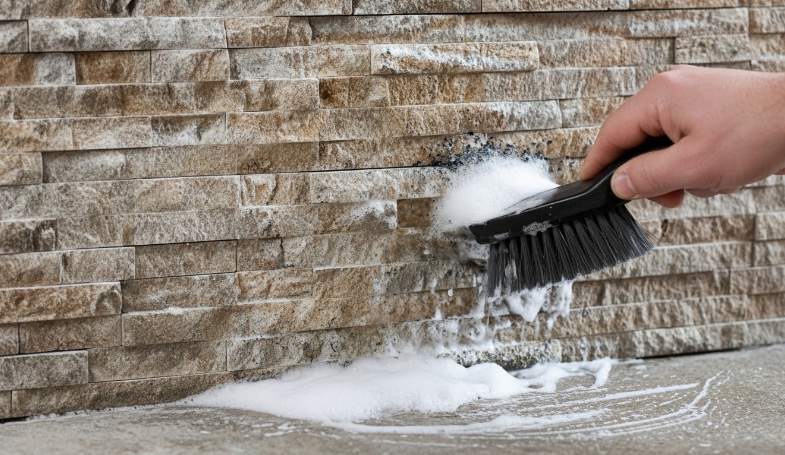
Manual agitation reaches the irregular depths of rough-cut stone without damaging the textured face. We emphasize the use of nylon over metal; wire brushes often leave microscopic steel fragments behind that oxidize and create permanent rust staining on light-colored quartzite and slate.
- Use a stiff-nylon or natural fiber brush to scrub the surface; circular motions work best for dislodging carbon from deep pits.
- Focus on the deep shadows and recessed areas where soot accumulates most heavily in the トップソースストーン Rough Series panels.
- Work in small sections from the top down to ensure even cleaning and prevent dirty streaks from drying on lower stones before they can be rinsed.
Controlled Rinse and Drying
Proper rinsing removes chemical residues and lifted grime without compromising the wall structure or the interlocking panel joints. Excessive water pressure can strip the sealers or force moisture into the substrate, leading to efflorescence during the drying phase.
- Rinse the surface thoroughly with clean water using a low-pressure spray or a damp, clean sponge.
- Keep water pressure below 600 psi if using mechanical sprayers to protect the precision-cut interlocking joints and prevent grout erosion.
- Allow the stone to air dry completely for at least 24 hours before assessing the surface for a second application or the reapplication of a penetrating sealer.
How to Prevent Smoke Stains with Proper Fireplace Maintenance?
Effective prevention of soot staining on natural ledger panels depends more on pre-ignition thermodynamics and material-specific barrier protection than on reactive cleaning methods.
Maintain Consistent Airflow and Ventilation
Poor ventilation acts as the primary driver for carbon deposition on porous stone surfaces. To maintain the visual integrity of natural quartzite or slate, technicians must verify the flue’s draft strength before every burn. Annual inspections identify the creosote buildup or blockages that force smoke to roll out against the fireplace surround, while clearing obstructed burners in gas units ensures even combustion and reduces localized carbon deposits.
| Maintenance Factor | Common Error | Expert Best Practice |
|---|---|---|
| Fuel Selection | Using unseasoned “green” wood | Kiln-dried or seasoned wood (<20% moisture) |
| Ignition Method | Bottom-up lighting | Top-down lighting to establish immediate draft |
| Stone Protection | Leaving raw stone unsealed | Periodic sealing with high-grade siloxanes |
Select High-Quality Seasoned Wood
High moisture content in fuel is a leading cause of heavy particulate matter and oily soot. Using unseasoned wood creates low-temperature smoldering, which releases sticky resins that bond with the mineral surface of the stone. For long-term preservation, specify only seasoned firewood stored in dry, elevated areas. Avoiding treated lumber or plastics is mandatory, as these materials release dangerous chemicals and heavy soot that can permanently etch natural stone faces。
Use the Top-Down Lighting Method
Traditional bottom-up lighting creates significant smoke before the chimney reaches an effective operating temperature. The top-down method—placing larger logs on the bottom and smaller kindling on top—reverses this and establishes a draft early by heating the air at the top of the firebox first. This strategy pulls smoke away from the architectural stone facing and maintains a steady burn temperature, preventing the smoldering that typically leads to heavy staining.
Apply Protective Sealing to Stone Panels
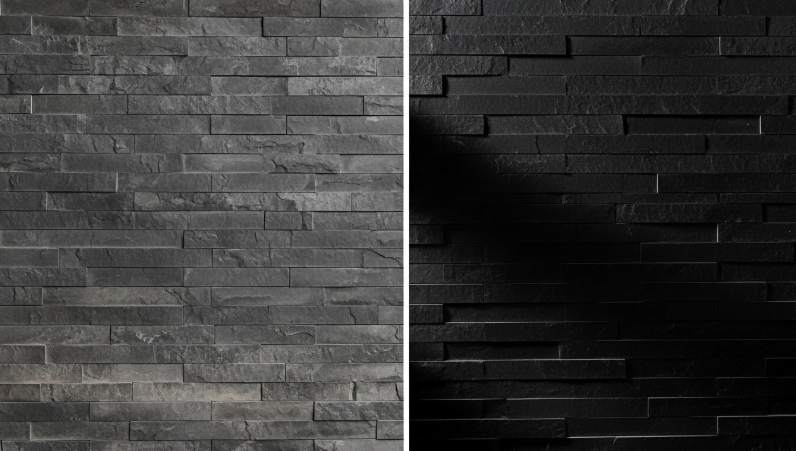
Natural stone like the Alaska Gray or Carbon Black series requires a microscopic barrier to resist smoke penetration. Applying a high-quality penetrating sealer fills the pores of the slate or quartzite, making it easier to brush off surface dust before it bakes into the texture. For B2B projects where 95% hue uniformity is critical, periodic re-sealing ensures that the natural cleft and split-face textures remain free of the discoloration that characterizes poorly maintained fireplace surrounds.
Restoring the Luster: Using Enhancers After a Deep Clean
Architectural restoration is only complete when the stone’s protective barrier is re-established and its geological vibrancy is chemically reactivated to prevent future pollutant-related deterioration.
Natural Stone Sealant Selection for Lasting Protection
Applying professional-grade sealants after a deep clean prevents soot penetration and simplifies future maintenance for 2026 stone projects. Since natural stone possesses inherent surface defects like pits and veins, unsealed surfaces act as a magnet for combustion-related pollutants. We prioritize breathable, pH-neutral sealants that allow moisture vapor to escape while creating a hydrophobic barrier against ash and oils.
- Select pH-neutral, breathable sealants specifically formulated for slate, quartzite, and marble to maintain material integrity.
- Prioritize penetrating sealers for Rough Series panels to provide deep protection without altering the natural, rugged aesthetic.
- Apply a secondary sealant layer to stacked stone in high-use fireplace areas to create an invisible barrier against grease and ash.
Enhancing Texture and Color Vibrancy
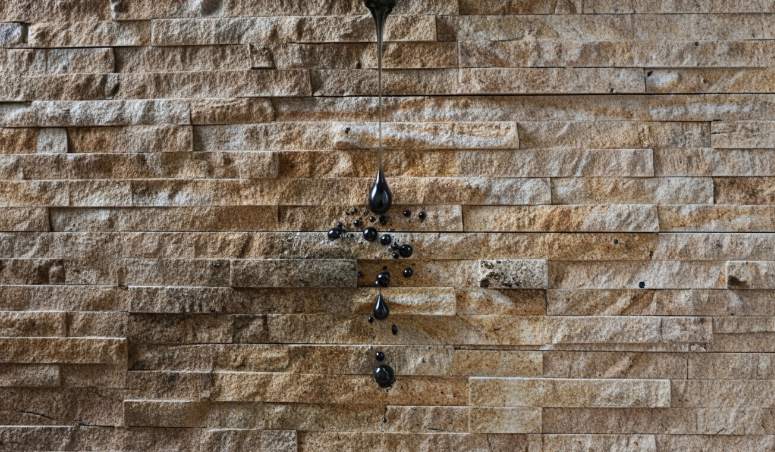
Color intensifiers bring out the unique geological character and deep tones of natural stone that may appear muted after heavy cleaning. While deep cleaning with TSP or alkaline agents is necessary for soot removal, these processes can strip the stone of its visual “warmth.” Enhancers reactivate the minerals within the stone, particularly in varied colorways like our Copper Canyon or Golden Honey series, ensuring the wall regains its premium finish.
- Use color enhancers on the Pencil and Flat Series to highlight the subtle veining and mineral variations inherent in natural stone。
- Apply topical enhancers to create a “wet look” finish on darker slate panels for a more modern, high-contrast fireplace design。
- Verify that the stone surface is completely dry and free of residual cleaning agents before application to avoid clouding or uneven finishes.
Polishing Metal Grates and Accessories
Restoring metal hardware ensures the entire fireplace unit matches the renewed quality of the surrounding stone panels. Oxidation and heat-related discoloration on andirons and grates often leach onto the hearth, causing rust stains that are difficult to remove from light-colored quartzite. Using heat-resistant finishing agents on these components creates a cohesive architectural look while reducing the ability of carbon to bond to the metal surface.
- Clean and polish metal grates and andirons using non-abrasive compounds to remove oxidation and restore a clean metallic finish.
- Apply specialized heat-resistant polishes to prevent future soot bonding and make routine wiping more effective.
- Check metal-to-stone contact points for rust and apply protective coatings to prevent staining on light-colored marble or quartzite surfaces.
結論
Regular cleaning keeps natural stone fireplaces looking as sharp as the day they were installed. Choosing the correct pH-neutral solutions prevents chemical damage to the slate or quartzite while effectively lifting deep soot stains. These maintenance steps ensure the stone retains its natural color consistency and architectural value for years.
Professionals can explore our direct quarry inventory to source high-quality ledger panels for residential or commercial fireplace projects. Reach out to our team to request a full catalog or discuss specific sourcing requirements for your next batch of natural stone。
よくある質問
How do you clean soot off a stone fireplace?
To effectively remove soot, start by vacuuming the surface with a soft brush attachment to lift loose particles. For remaining stains, apply a mixture of warm water and a pH-neutral stone cleaner. For deep-set carbon deposits in porous stone, use a professional-grade “soot remover” or a poultice paste made of baking soda and water. Apply the paste, let it sit for 24 hours under plastic wrap, and then gently scrape it away with a plastic spatula before rinsing.
Can I use Dawn dish soap on natural stone?
Yes, Dawn dish soap is generally safe for natural stone because it is pH-neutral. However, it should be used sparingly and rinsed thoroughly. Excessive use can lead to a film or “soap scum” buildup that dulls the stone’s appearance and actually attracts more dust and soot over time. For regular maintenance, a dedicated stone-specific cleaner is recommended to preserve the stone’s integrity.
How to remove smoke smell from a stone wall?
Smoke odor is trapped within the pores of the stone. After a deep physical cleaning, treat the wall with an odor-neutralizing solution containing enzymes designed to break down smoke molecules. Alternatively, a solution of one part white vinegar to two parts water can be misted on the stone and wiped off. For persistent smells, professional-grade hydroxyl generators or charcoal-based deodorizers placed near the wall can effectively pull the embedded scent out of the masonry.
What is the best brush for cleaning stacked stone?
The best tool for cleaning stacked stone is a medium-to-stiff nylon bristle brush. Nylon is effective at reaching into the deep crevices and “pits” of stacked stone without damaging the face of the material. Never use a wire or metal-bristled brush, as these can scratch the stone surface and leave behind microscopic metal fragments that will rust and cause permanent orange staining.
How to protect stone from future fireplace soot?
To prevent future staining, apply a high-quality, breathable penetrating sealer (also known as an impregnator). This treatment sits below the surface to repel oils and soot, preventing them from bonding with the stone’s pores. Ensure the sealer is “vapor permeable” to allow the stone to breathe. Additionally, maintaining a clean chimney and using properly seasoned firewood will reduce the volume of soot produced during combustion.
