
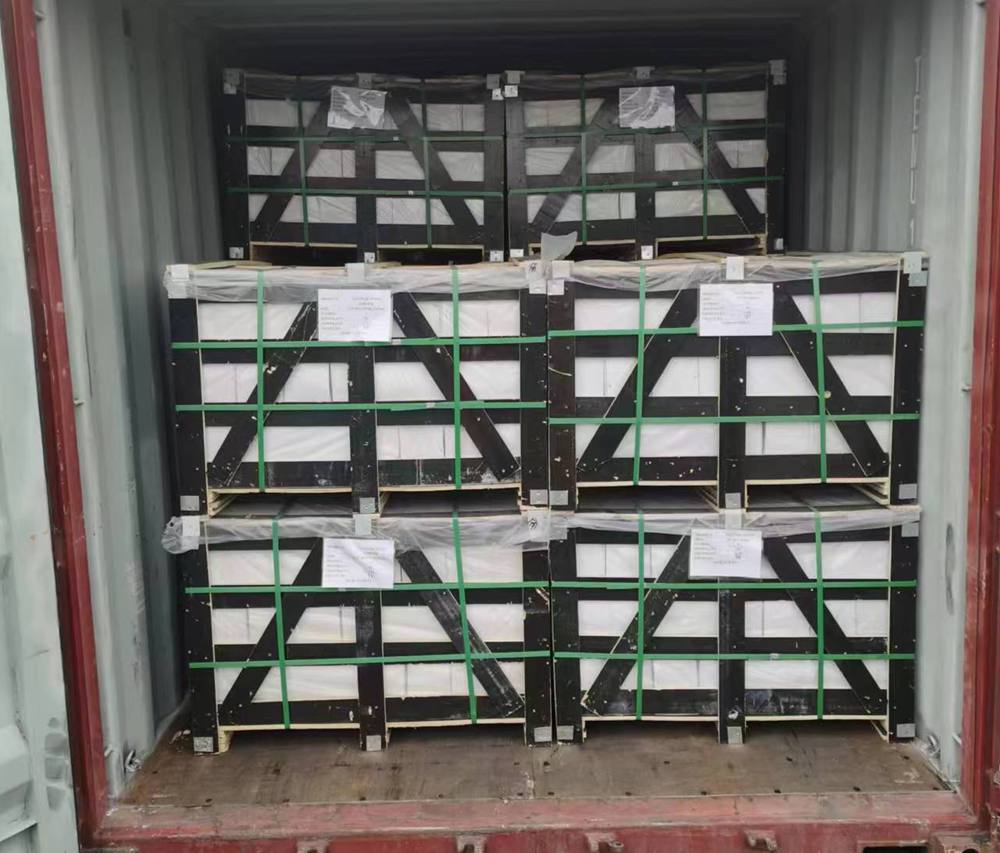
Crate Engineering & Packaging QC is vital to prevent costly breakage in natural stone shipments, where weak crate design and poor cushioning cause severe financial losses. Ineffective packaging increases product damage rates, inflates replacement costs, and disrupts supply chains.
This analysis benchmarks top suppliers against Top Source Stone’s standards, including 110cm × 110cm plywood crates and 900–1000kg gross weight limits per pallet. We evaluate pallet configurations and MOQ terms to secure reliable, scalable partnerships for durable, export-grade stone packaging.
Why Traditional Crates Fail During International Shipping
Traditional crates break down due to weak structure, poor cushioning, environmental damage, non-compliance, and bad packing practices.
Common Failure Modes in Traditional Crate Design
Traditional crates often suffer from structural compromise because their load-bearing capacity and joint strength are insufficient for demanding international shipments. Incorrect crate sizing allows cargo to either shift inside the crate or become crushed by compression, amplifying damage risks. Most traditional crates don’t include enough cushioning, so shock absorption is poor, leaving goods vulnerable to impact and vibration throughout transit.
- Structural compromise from insufficient load-bearing capacity and weak joints.
- Improper sizing leading to shifting or crushing of contents.
- Lack of adequate cushioning causing vulnerability to impact and vibration.
Environmental and Operational Factors Affecting Crate Performance
International shipments expose crates to moisture and salt air, which accelerate material deterioration and corrosion of metal parts. Uneven or poor internal packing throws off load distribution, putting excessive stress on certain crate areas during transit. Many traditional wooden crates also fail to meet ISPM-15 standards for pest control, leading to customs holds and shipment delays. Gaps in crates allow pests and contaminants to enter, increasing risk of damage and rejection.
- Moisture infiltration and salt air causing material deterioration and corrosion.
- Poor internal packing and load distribution increasing stress on crates.
- Non-compliance with ISPM-15 and pest risks leading to customs delays and damage.
The Physics of Protection: Internal Padding and Corner Guards
Internal padding and corner guards absorb impact energy and distribute forces to reduce product damage during shipping.
| Protective Mechanism | Description |
|---|---|
| Energy Absorption | Padding compresses under impact to convert kinetic energy into thermal energy, reducing shock transmitted to the product. |
| Force Distribution | Consistent padding layers evenly spread impact forces, avoiding stress concentration at weak points, especially corners. |
| Material Properties | Foam and molded fiber materials create cushioning air cells and shock-attenuating structures to protect against vibrations and drops. |
| Corner Protection | Corners receive dedicated foam guards to shield natural stress points prone to cracking or chipping during handling. |
How Padding Works to Protect Products
When a product inside a shipping box experiences impact, the padding compresses. This compression transforms the kinetic energy from the impact into thermal energy, which dissipates harmlessly through the material rather than transferring to the product. Thicker or denser padding absorbs more energy, providing better protection for heavier or more fragile items.
Importance of Even Force Distribution
If padding layers inside a box are uneven or missing, the forces from impacts concentrate on smaller areas. Corners are especially vulnerable because they naturally concentrate stress and can crack or chip easily. Corner guards made from foam or similar materials prevent this by cushioning these points and spreading the forces across a wider area, reducing damage risk.
Material Characteristics and Selection
Different protective materials offer varying shock absorption levels. For example, molded expanded polystyrene foam contains air pockets that cushion impacts effectively. Molded fiber combines fibrous materials like paperboard with some moisture content to create shock-absorbing pads that also minimize surface abrasion. Each material undergoes tests for vibration resistance, drops, and compression to ensure it meets protection standards during shipping.
Packaging Impact on Shipping Box Design
Using 2-inch thick foam corner protectors requires adjusting the outer box size significantly. For instance, to pack a 12-inch cube inside a box with 2-inch foam padding on all sides, an exterior box of about 16 inches per side is needed. This extra space ensures adequate cushioning but affects shipping volume and costs, so padding thickness balances protection with efficiency.
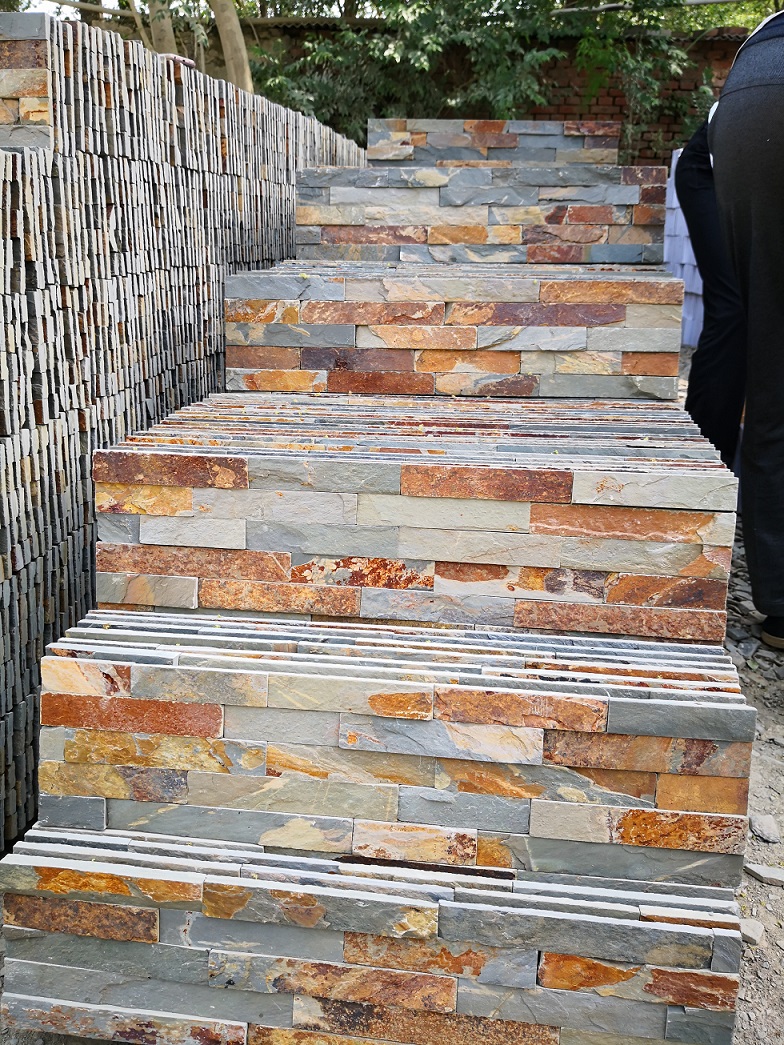
Premium Stacked Stone for Contractors
Understanding ISPM-15 Standards for Global Wood Fumigation
ISPM-15 defines treatment and marking requirements for solid wood packaging to prevent pest spread in international trade.
Core Principles and Regulatory Scope of ISPM-15
ISPM-15 aims to stop pests from traveling across borders through wood packaging in shipments. It applies to packing cases, crates, pallets, dunnage, spools, and cable drums made of solid wood. Wood products like plywood, particle board, and any wood under 6mm thickness fall outside this regulation because their processing kills or eliminates pests.
Approved Treatment Methods and Compliance Marking
Before any treatment, wood must be debarked to remove pest habitats. There are two approved treatments under ISPM-15:
- Heat treatment requires heating the wood core to at least 56°C for 30 minutes with proper air circulation to ensure the temperature reaches the entire thickness quickly.
- Methyl bromide fumigation means exposing the wood to the gas for 24 hours or more under controlled temperature and concentration, with multiple gas-level checks during treatment.
Treated wood must carry the ISPM-15 stamp, which certifies it meets global phytosanitary standards. This mark must be clearly visible directly on the solid wood components of the packaging.
How Pallet Stacking and Weight Distribution Prevent Stone Cracking?
Proper pallet stacking ensures even weight distribution and minimal movement to reduce cracking risks in natural stone panels during shipment.
Principles of Pallet Stacking and Load Distribution for Stone Panels
Stacking natural stone panels requires careful management of load to avoid stress points that lead to cracks. Uniform load distribution stops concentrated pressure on fragile areas. Placing heavier panels at the bottom creates a stable base and prevents excess stress on lighter panels stacked above. Tight stacking without gaps or overhangs keeps the load from shifting during transport. Using pallets that fit the stone crate dimensions maintains structural integrity and supports the weight evenly.
- Uniform load distribution prevents pressure points that fracture brittle stone.
- Heavier panels go on the bottom to stabilize the stack.
- Tight stacking without overhang prevents load shifting in transit.
- Choosing proper pallet sizes and crate types maintains load support.
Top Source Stone’s Pallet Specifications and Weight Strategies to Protect Natural Stone
Top Source Stone uses standardized plywood crates sized 110cm by 110cm, holding an average gross weight of 900 to 1000 kilograms per crate. This creates an optimal balance between load capacity and handling. Customers can choose pallets loaded with either 48 or 60 boxes, corresponding to fixed square meter coverage to avoid uneven weight distribution. We strictly control container weight limits, following the US port standard of 17.5 tons per container to prevent overload that would stress the stone panels. For protection, we provide fumigation-free plywood or solid wood crates that cushion the stone and avoid panel collisions during shipping.
- Standard plywood crates measure 110cm × 110cm, with 900–1000kg gross weight per crate.
- Pallet options of 48 or 60 boxes align with standardized square meter coverage.
- Weight limits capped at 17.5 tons per container at US ports to prevent stone stress.
- Fumigation-free plywood or solid wood crates secure packaging and prevent panel impacts.
How to Inspect Packaging Quality at the Port of Destination?
Inspection involves a step-by-step check including visual assessment, dimensional verification, packaging integrity tests, and label documentation to ensure shipment arrived undamaged and meets agreed standards.
Core Inspection Procedures for Packaging at Destination Port
Start with a thorough visual assessment to identify any defects, damage, moisture, or rust that may have occurred during transit. Inspectors should photograph all findings carefully to document the condition of the packaging.
Measure the packaging dimensions against the original specifications. This includes verifying carton sizes and crate integrity, ensuring no deformation or shrinkage has compromised protection.
Test packaging durability by checking sealing and fastening systems. Look for torn straps, weakened seals, or any mechanical failures that could have exposed the cargo during shipping.
Confirm all labels, barcodes, and regulatory markings are legible and positioned correctly. Labels must comply with import requirements and correlate accurately with shipment documentation.
Ensuring Compliance with Top Source Stone Packaging Standards
Top Source Stone uses reinforced 5-ply export-grade cartons combined with fumigation-treated plywood crates to secure stone products. Inspectors verify the presence and condition of these materials upon arrival.
The crates and pallets follow standard sizing designed to minimize damage risk during handling and transit. Check that crate dimensions and pallet configurations match these preset standards.
Confirm that crate weight limits align with USA port standards—typically 17.5 tons—or with approved heavy-weight loads where applicable. Overweight crates should raise immediate concerns.
Review pre-shipment documentation including the high-definition photos and videos provided by Top Source Stone. These visuals verify that crates arrived sealed as promised, with no visible transit damage.
Veelgestelde vragen
What special packing techniques are used for shipping different types of natural stone?
Packing varies by stone type: smaller stones use foam-lined crates and horizontal packing; brittle bricks and tiles have alternating cardboard or foam layers; marble slabs require fumigated wooden crates with full plywood protection to prevent damage during transit.
How much breakage is normal in stone veneer shipments, and how is it managed?
Typical breakage rates are under 5%. Industry practice is to order 10-15% overage to cover breakage and cutting waste. Minor chips are often salvageable, and good communication with suppliers on packaging and damage policies helps manage risks.
Does ISPM 15 wood fumigation apply to stone crates?
No, ISPM 15 applies only to solid wood packaging materials over 6mm thick. Since stone crates are not made of wood, they are exempt from ISPM 15 requirements, which target pests in wood.
What are best practices to prevent damage when offloading stone crates?
Use certified mechanical lifting equipment, inspect containers before offloading, secure bundles with straps, remove slabs alternately, keep personnel out of fall zones wearing PPE, and employ trained workers following safety protocols to minimize damage.
What materials and methods ensure stone packaging protects against breakage during shipping?
Packaging uses foam, cardboard, anti-scratch films, moisture-resistant wraps, and reinforced wooden crates compliant with ISPM 15. Vertical stacking, multi-layer cushioning, and heavy-duty strapping further protect fragile stones through transit.
Final Thoughts
While cheaper crates might reduce upfront expenses, Top Source Stone’s export-grade plywood crates with reinforced 5-ply cartons and precise pallet stacking protect your shipment from breakage and costly delays. This proven packaging strategy minimizes damage risks, complies with ISPM-15 where applicable, and shields your reputation in demanding international markets. Investing in our standardized, heavy-duty packaging safeguards your margins against typical 5%+ stone veneer loss rates.
Don’t leave quality to chance—start with a trial order or sample kit to see how our engineered protection performs under real conditions. Reach out to our team to explore private label options or customized packing solutions that align with your logistics and sales goals. Secure your supply chain with packaging designed for peace of mind and dependable delivery.
SEO
Title: Zero-Breakage Strategy: Engineering Export-Grade Stone Crates
Description: Natural stone packaging with 110cm plywood crates, 900-1000kg weight, fumigation-free. Wholesale only. MOQ 300 m².
URL: natural-stone-packaging
Keywords: natural stone packaging
