

Neglecting the chemistry of masonry maintenance often leads to irreversible surface etching or the persistent return of white salt deposits. Protecting high-value stone installations requires a technical approach that balances moisture management with the specific chemical profiles of sealants and cleaners.
This guide details professional standards for long-term stone care, including the selection of ASTM-compliant materials and the execution of precise curing timelines. We cover why installers must limit equivalent alkalis in cement to 0.60% and why new installations typically need 30 to 90 days of curing before sealing. You will also find a comparison of sealant lifespans—ranging from 1-year acrylic films to 20-year silane impregnators—to help build a maintenance plan that preserves structural integrity through condition-based monitoring.
What is Efflorescence? Causes and Prevention Techniques
Efflorescence occurs when water dissolves internal salts and transports them to the masonry surface through capillary action, leaving white crystalline deposits upon evaporation. Preventing this requires managing moisture ingress and selecting materials with soluble salt concentrations below 0.1%, while strictly adhering to low-alkali cement standards in 2026 construction projects.
Chemical Drivers and the Migration of Soluble Salts
Calcium hydroxide Ca(OH)₂ from hydrated Portland cement serves as the primary source of white crystalline deposits. Soluble salt thresholds as low as 0.1% to 0.3% trigger visible efflorescence in stone and concrete products. These deposits often stem from secondary salt sources, including sulfates, carbonates, and chlorides of sodium, potassium, and magnesium commonly found in aggregates. Capillary action facilitates the movement of these minerals, requiring a continuous moisture path to transport dissolved salts to the surface for final evaporation.
ASTM Compliance and Material Mitigation Standards
ASTM C67 testing protocols certify materials as “not effloresced” through a rigorous 7-day partial immersion in distilled water. To further mitigate chemical triggers, ASTM C150 low-alkali Portland cement limits equivalent alkalis (Na₂O + 0.658K₂O) to a maximum of 0.60%. Concrete masonry units pose a higher risk than fired clay because they contain two to seven times more soluble salts, necessitating aggressive sealing protocols. Structural durability depends on integrated design solutions like proper flashing and weep holes, which prevent the moisture accumulation that drives internal salt migration.
Sealant Selection: Penetrating vs. Film-Forming (Indoor vs. Outdoor)
Penetrating sealers (silane/siloxane) offer a natural look and breathability for up to 10 years, making them ideal for high-moisture areas. Film-forming sealers (acrylic) provide a decorative ‘wet look’ and chemical resistance for 1-3 years but require more frequent maintenance and specific slip-resistance additives for outdoor safety.
| Sealer Type | Performance Life | Surface Impact |
|---|---|---|
| Penetrating (Silane/Siloxane) | 7 to 10 Years | Breathable; Unchanged Aesthetics |
| Film-Forming (Acrylic) | 1 to 3 Years | Wet-Look Gloss; Color Enhancing |
Chemical Performance and Aesthetic Profiles
Penetrating sealants using silane or siloxane react chemically within the stone pores to create a hydrophobic barrier. This internal protection lasts up to 10 years without altering the stone’s appearance or texture. These sealers maintain full vapor permeability. This breathability prevents rebar corrosion and salt-related damage in natuursteen substrates by allowing moisture to escape the matrix freely.
Film-forming acrylic sealers create a topical barrier that darkens the stone for a high-gloss finish. These products typically last 1 to 3 years before requiring reapplication. While solvent-based acrylics meet ASTM D1315 standards for performance, they remain non-breathable. Moisture trapped behind the stone can cause these films to peel or flake if the substrate cannot vent water vapor.
Environmental Application and Safety Standards
Outdoor applications require a minimum substrate temperature of 45°F (7°C). Ensure temperatures rise during the curing process for both water-based and solvent-based systems to achieve a proper bond. Indoor installations favor penetrating sealers to avoid coefficient of friction changes. These treatments maintain the natural texture of the ledger stone without increasing slip risks in living spaces.
External surfaces treated with film-forming sealers need traction granules to ensure safety on walkways and pool surrounds. Solvent-based acrylics provide superior UV resistance for outdoor stone facades compared to water-based alternatives. Maintenance crews must strip old layers of film-forming products before switching to penetrating treatments so the chemical reaction occurs correctly within the stone pores.

Optimal Sealing Time: Waiting for Mortar to Fully Cure
Standard 2026 protocols require waiting at least 24 to 48 hours after cleaning and up to 7 days after installation before sealing. Sealing stone before the mortar fully cures traps moisture, which triggers efflorescence and hazy surface residues. Use a moisture meter to verify dry conditions regardless of the elapsed time.
Moisture Dynamics and Efflorescence Prevention
Wet-set mortar installations retain internal water significantly longer than thin-set methods. This retention demands an extended drying period to ensure the substrate reached the necessary state for chemical treatment. Sealing stone while the material remains damp traps soluble salts inside the substrate. These salts eventually migrate to the surface, appearing as a white, powdery residue known as efflorescence, which often requires aggressive chemical removal if sealed over.
Excessive vapor pressure from trapped moisture can physically force the sealant to peel or develop a cloudy, opaque appearance. This compromise affects both the protective capabilities and the visual finish of the stone panels. Environmental factors like high humidity or coastal locations extend the required drying window, making empirical testing with a moisture meter more reliable than following a fixed calendar schedule.

Curing Timelines and Verification Standards
Professional installers wait 24 hours after tile bonding before applying grout. Following the final cleaning, a window of 24 to 48 hours allows residual cleaning water to evaporate before the first coat of sealer. Penetrating sealers then require between 24 and 72 hours to reach a full chemical cure. During this phase, keeping the area free from foot traffic and spills prevents contamination while the active ingredients bond with the stone.
Verification involves using a digital moisture meter to confirm the stone meets the necessary technical specifications for application. The surface temperature should remain between 10°C and 30°C to allow ASTM C1243 certified sealants to bond correctly without flashing off too quickly. For the best results, wait 5 to 7 days after the final installation before placing heavy furniture or subjecting the stone to heavy use. This ensures the entire system—from the mortar bed to the protective seal—stabilizes completely.
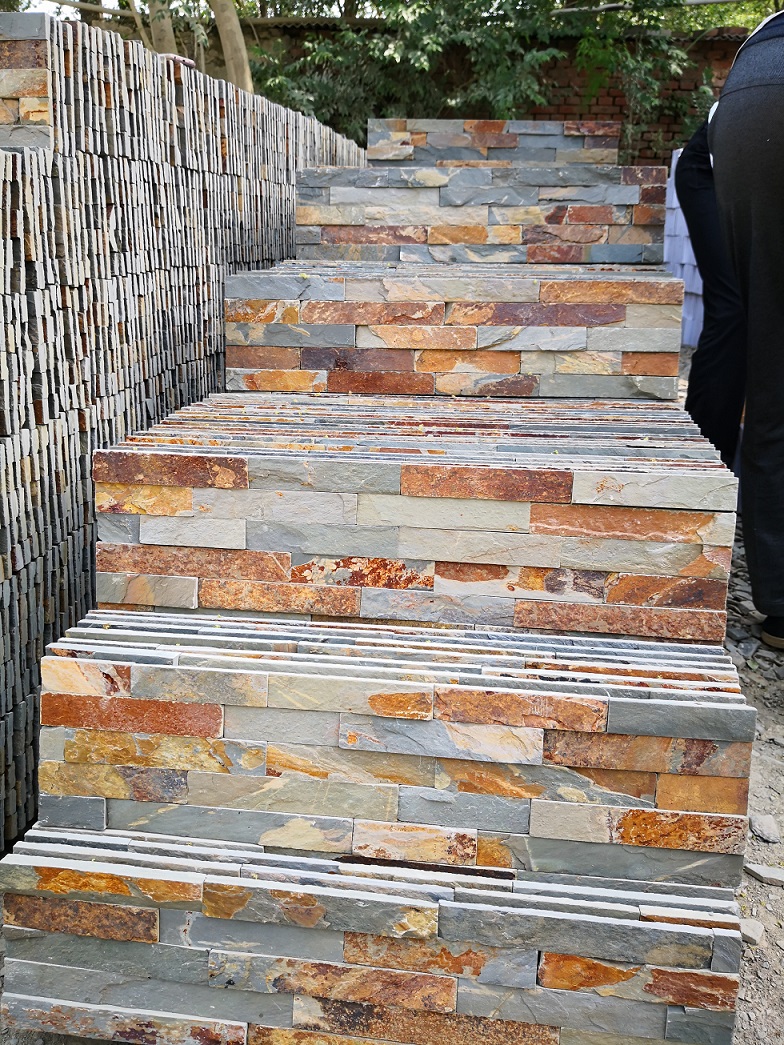
Elevate Your Projects with Factory-Direct Stacked Stone Panels
Routine Cleaning: Safe Methods for Removing Stains and Moss
Maintain stone surfaces by sweeping daily and using pH-neutral cleaners with a 3-5 minute dwell time. For deeper grime, apply a 1:15 dilution of heavy-duty cleaner, refreshing the solution every 100 to 500 square feet to avoid redepositing soils or damaging the protective seal.
Daily Maintenance and pH-Neutral Surface Care
Effective maintenance starts with the removal of dry contaminants before they can damage the stone. Daily sweeping or vacuuming removes abrasive debris that causes micro-scratching on polished marble or slate panels. Immediate attention to spills prevents liquids from penetrating deep into stone pores, which is vital for high-traffic residential or commercial zones. Using furniture pads under heavy objects further minimizes physical impact and restricts soil ingress on ledger stone installations.
The choice of cleaning agent determines the longevity of the stone finish. Applying pH-neutral cleaners ensures the solution does not etch the stone surface or strip away the existing impregnating sealers. Neutral cleaners preserve the stone’s natural appearance and maintain the integrity of the protective barrier without leaving behind a dulling film.
Technical Cleaning Protocols for Heavy Soils and Moss
Removing aggressive stains and organic growth like moss requires specific chemical ratios and dwell times. Dilute heavy-duty cleaners at a 1:15 ratio with water to target deep grime without compromising the stone structure. Allow the solution to dwell for 3 to 5 minutes to loosen embedded organic particles. After the dwell time, agitate the surface with a soft sponge or mop and extract the residue using a wet-vacuum to prevent the formation of a cloudy haze.
Chemical efficacy depends on the freshness of the cleaning solution. For routine maintenance, refresh the solution every 500 square feet, but increase this frequency to every 100 square feet for heavy-duty restoration projects. Avoid high-pressure washers and acidic chemicals entirely. These methods damage the bond of high-strength epoxy resins used in the panel assembly and can lead to structural failure of the ledger system. For new installations, wait 72 hours after applying cementitious grout before sealing to allow for proper curing and moisture evaporation.
Deep Cleaning: Risk Assessment of Acidic or Alkaline Cleaners
Deep cleaning in 2026 relies on agents with extreme pH levels, such as alkaline solutions exceeding pH 13 or 20% hydrochloric acid. These chemicals carry GHS05 corrosion classifications and pose severe risks of skin burns, eye damage, and metal degradation. Safe application requires strict adherence to exposure limits and mandatory neutralization to prevent substrate etching.
Chemical Hazard Profiles and pH Extremes
Alkaline cleaners frequently reach pH levels above 13 by utilizing high concentrations of sodium hydroxide. These formulations trigger H314 warnings for severe skin burns and eye damage because they saponify skin proteins upon contact. While these agents excel at breaking down organic oils and fats, their chemical strength requires rigorous personal protective equipment to prevent irreversible tissue damage.
Industrial acidic solutions typically contain 15% to 20% hydrochloric acid. These mixtures cause permanent ocular damage through protein denaturation. Unlike weaker household acids, these concentrations react almost instantly with moisture in the eyes or respiratory tract, necessitating constant ventilation and specialized eye protection during application.
The GHS05 corrosion pictogram applies to both high-pH and low-pH agents, signaling their ability to destroy living tissue and corrode surfaces. Oral toxicity levels, measured as LD50, range between 1121 and 2000 mg/kg for these substances. These metrics highlight the lethal potential of these chemicals if handled without professional safety protocols or adequate labeling.
Mixing alkaline and acidic agents generates violent exothermic reactions that release significant heat. This interaction also risks the production of lethal chlorine gas if acids contact products containing sodium hypochlorite. Technicians must maintain strict segregation of chemical types during storage and use to avoid these life-threatening reactions.
Exposure Limits and Substrate Incompatibility
Current safety protocols mandate that hydrochloric acid gas exposure remains below 1 ppm for an 8-hour time-weighted average. Short-term exposure limits are set at 5 ppm for 15-minute intervals to protect workers from acute respiratory injury. Monitoring air quality in enclosed spaces ensures that technicians do not exceed these legal thresholds during intensive stone restoration projects.
H290 classifications identify these heavy-duty cleaners as corrosive to metals. This trait specifically threatens aluminum and galvanized components often used in stone anchoring systems and decorative trims. Using these chemicals without shielding nearby metalwork leads to structural pitting and oxidation, which can compromise the stability of architectural stone installations.
Acidic residues often dissolve the mineral binders that hold natuursteen together. This process requires a precise post-cleaning neutralization step to stop the chemical action on the substrate. Residual acidity left on the surface continues to etch the stone long after the initial cleaning, resulting in permanent surface dulling and increased porosity.
Environmental regulations require the containment of all cleaning runoff to prevent sudden pH shifts in local aquatic ecosystems. These concentrated chemicals prove toxic to waterborne life even in diluted forms. Professional crews must use recovery vacuums or containment berms to collect all waste liquids, ensuring no hazardous chemicals enter public sewers or natural water sources.
Recoating Cycle and Necessity (5 Years vs. 10 Years)
Maintenance cycles vary based on product chemistry and environmental exposure. While standard topical sealants may require attention every 5 to 10 years, premium silane-based impregnators often provide protection for 20 years or more. Maintenance decisions should rely on surface performance tests and ASTM C1248 standards rather than arbitrary calendars.
| Sealant Technology | Estimated Longevity | Recommended Action |
|---|---|---|
| 50% Active Silane Impregnators | 20+ Years / Permanent | Condition-based inspection only |
| Standard Topical Sealants | 10–15 Years | Re-evaluate at 10-year mark |
| Porous Stone Sealers (Sandstone) | 2–3 Years | Frequent outdoor performance tests |
Evaluating Product Longevity and Stone Porosity
Stone porosity significantly influences how often a sealer requires re-application. Porous materials like sandstone or slate absorb liquids more readily, which often necessitates a new coat every 2 to 3 years in exposed outdoor settings. In contrast, premium waterborne sealers containing 50% active silanes form permanent chemical bonds within the stone. These high-concentration formulations eliminate the need for routine annual resealing by creating a deep-penetrating barrier that remains breathable while resisting oil and water ingress.
Current engineering logic moves away from fixed 5-year or 10-year schedules in favor of condition-based maintenance. Applying chemicals on an arbitrary calendar risks unnecessary buildup or trapping moisture if the previous layer remains intact. Technical teams should evaluate the specific stone substrate and environmental stressors to determine the actual degradation rate of the protective layer. Standard sealants in harsh outdoor environments typically require inspection and potential replacement every 10 to 15 years, but high-density stones may hold protection much longer.

Performance Metrics and Condition-Based Maintenance
Technical benchmarks provide more reliable indicators for recoating than simple time passage. The ASTM C1248 standard tests sealants for migration and discoloration on sensitive substrates like marble, limestone, and granite. High-performance impregnators can reduce water absorption by up to 95%, which dramatically extends the time between maintenance cycles. U.S. Geological Survey data confirms that these quality sealers offer over 1,400 hours of salt resistance, more than doubling the durability found in untreated control samples.
Physical joint design also plays a role in the longevity of the sealant system. A 1:2 depth-to-width ratio ensures the material can handle thermal movement without adhesive failure. For instance, a 10mm wide joint requires a 5mm depth to maintain optimal geometry and prevent the stress that leads to early recoating. Monitoring for efflorescence, staining near joints, or water infiltration helps identify when the protective system actually requires professional attention, ensuring maintenance happens only when the stone truly loses its hydrophobic properties.
Final Thoughts
Long-term stone preservation requires a balance between technical material selection and disciplined timing. Applying high-performance penetrating or film-forming sealants only works if the substrate has reached the necessary moisture levels and the mortar has finished its chemical cure. Ignoring these timelines or using incompatible cleaning agents risks structural degradation and the reappearance of stubborn mineral deposits.
Adhering to moisture verification and ASTM standards protects the financial and aesthetic investment in natural stone surfaces. Shifting from arbitrary maintenance schedules to condition-based inspections helps property owners avoid unnecessary chemical use while keeping the stone’s hydrophobic properties intact. This systematic approach ensures that facades and flooring retain their original texture and durability for decades.
Veelgestelde vragen
When should I apply the first sealant to new stacked stone installations?
Wait 30 to 90 days after installation before applying sealant to new stone or pavers. This period allows the mortar to cure fully and ensures any efflorescence salts migrate to the surface and wash away before the stone is sealed.
Can I use a high-pressure washer to clean stone panels?
Avoid using high-pressure washers as they cause pitting and grout erosion. If necessary, limit pressure to 1000 psi and use a fan tip nozzle held at least 12 inches from the surface to prevent permanent structural damage.
What is the safest method for removing white salt stains or efflorescence?
Scrub the dry surface thoroughly with a stiff, non-metallic bristle brush. If the salts persist, rinse the area with a garden hose. Perform this only when air temperatures remain above 40°F to avoid frost damage during the drying process.
Do indoor and outdoor stone projects require the same sealant?
No. Outdoor stone requires breathable, UV-stable penetrating sealers that handle freeze-thaw cycles and meet ASTM C1028 standards for slip resistance. Indoor sealants focus on topical protection and stain resistance without the same breathability requirements.
Which cleaning chemicals will permanently damage natural stone?
Acidic cleaners with low pH levels cause irreversible etching on limestone, marble, and travertine. These acids dissolve the stone minerals, creating dull patches and rough textures that typically require professional grinding and resealing to fix.
