
Retail packaging design for stone veneer impacts over 72% of purchasing decisions and defends against costly transit damage. Subpar design or weak materials lead to lost sales, customer dissatisfaction, and eroded margins.
This analysis benchmarks effective retail packaging design against ISTA-3A standards, emphasizing 3 Ply Reinforced Export Grade Cartons. We evaluate solutions for brand consistency, OEM capabilities, and compliant barcode integration to optimize your supply chain.
Why Packaging is Your Most Important Sales Tool?
Packaging drives over 72% of consumer purchasing decisions, serving as a silent salesperson. For Top Source Stone’s B2B partners, custom OEM packaging protects products and builds dealer brands effectively.
Packaging’s Role in Consumer Decisions
- Over 72% of consumers say packaging design influences their purchase decisions.
- Packaging is the first point of contact for 85% of shoppers, driving instinctive choices.
- Good design acts as a silent salesperson, showing brand value and product benefits.
Custom Packaging for Partner Branding
- Top Source Stone offers complete OEM services for custom-printed boxes featuring dealer logos.
- Custom packaging helps distributors build their brand identity and grow market presence.
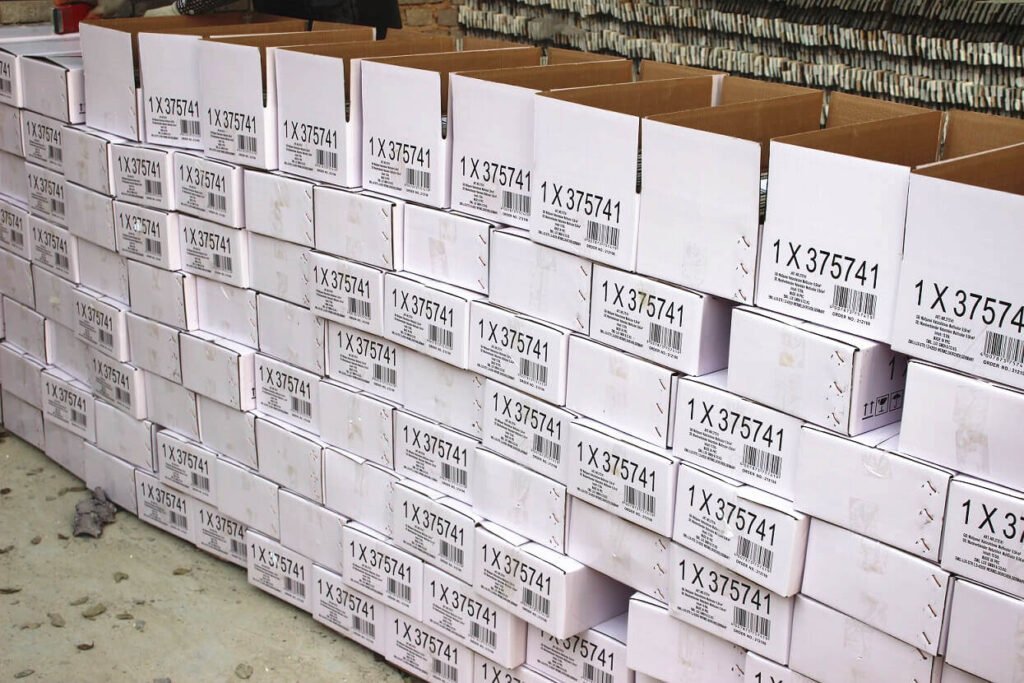
- Our 3-Ply Reinforced Export Grade Cartons and Plywood Crates ensure product integrity upon arrival.
- Pre-Shipment Visual Verification—What You See Is What You Get—builds trust with B2B partners.
ISTA-3A Standards: Ensuring Box Survival in Shipping
ISTA-3A tests packages under 70 kg, simulating real transit hazards. Our 3 Ply Reinforced Export Grade Cartons protect natural stacked stone, minimizing losses and boosting customer satisfaction in 2026.
| Characteristic | ISTA-3A Standard Focus | Our 3 Ply Export Grade Carton Solution |
|---|---|---|
| Package Weight | Up to 70 kg (150 lbs) for parcel delivery. | Engineered for heavy Natuurlijke gestapelde steen (30-55kg/m²), well within limits. |
| Distribution Hazards | Simulates drops, vibration, and compression. | Robust 3 Ply construction endures these impacts for high-value stone. |
| Product Type Focus | E-commerce, direct-to-consumer parcel items. | Specialized for Natuurlijke gestapelde steen, protecting against unique transit stresses. |
| Packaging Strength | Evaluates effectiveness to prevent damage. | Multi-layered cartons provide enhanced strength for safe international delivery. |
Understanding ISTA-3A Performance Standards
ISTA 3A is a general simulation performance standard for packaged products weighing up to 70 kg (150 lbs). This standard specifically applies to items shipped via parcel delivery systems, including major carriers like UPS and FedEx.
The standard simulates real-world distribution hazards. It includes drop tests, vibration, and compression to evaluate how effective packaging is. This certification helps ensure e-commerce and direct-to-consumer items withstand common transit conditions in 2026.
ISTA 3A accommodates various package types. This covers standard, small, flat, and elongated shipments, ensuring broad applicability for many products.
Our 3 Ply Reinforced Export Grade Cartons
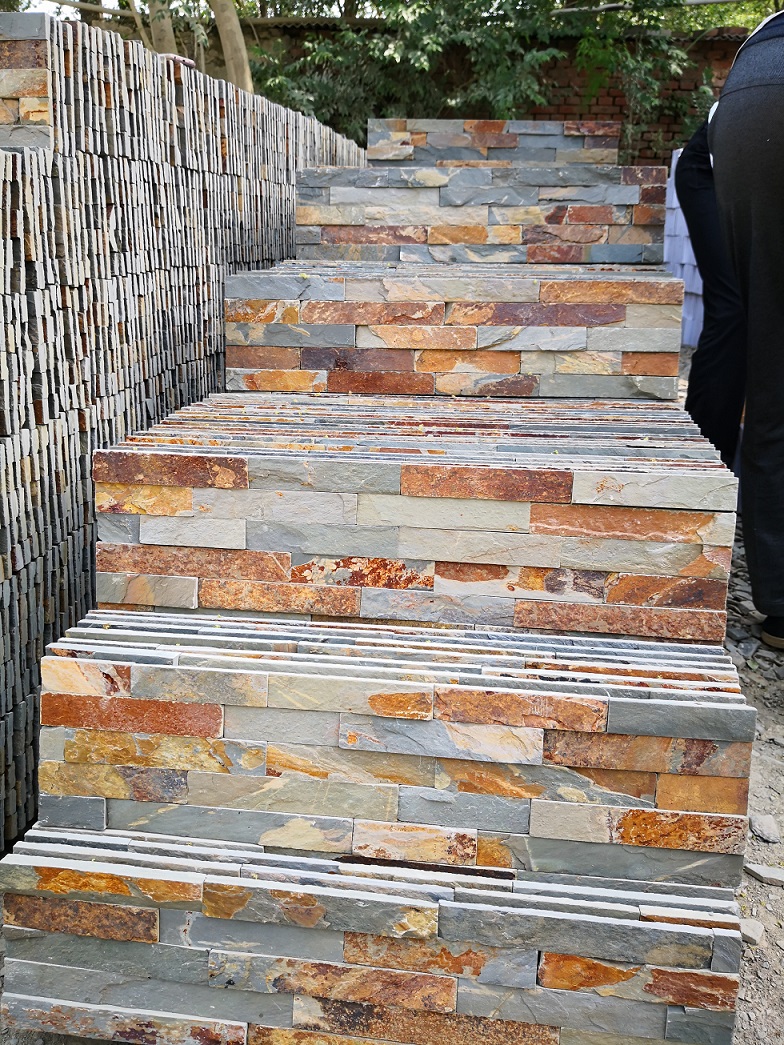
We utilize 3 Ply Reinforced Export Grade Cartons. We specifically engineered these cartons to endure the rigorous demands of international shipping for Natural Stacked Stone.
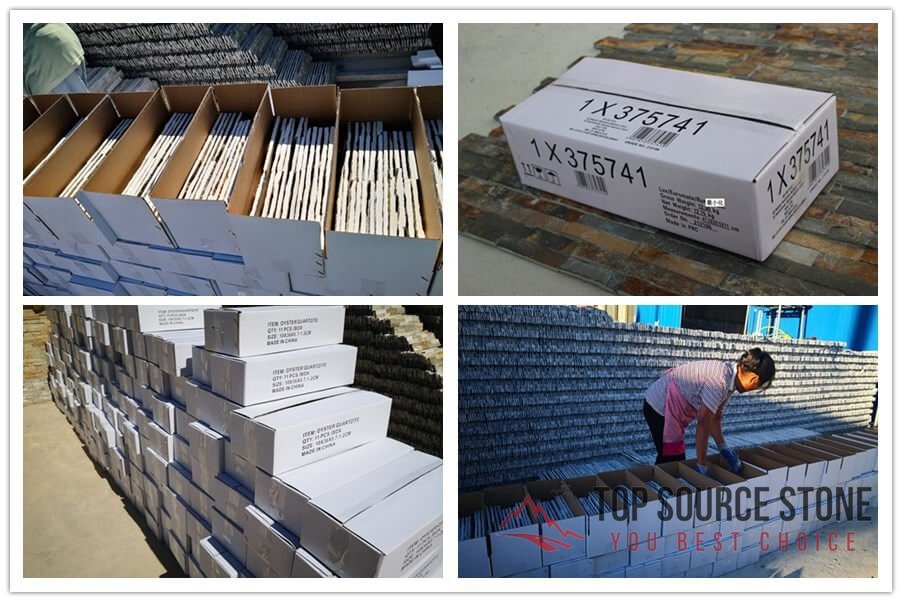
These robust boxes provide enhanced strength. This is crucial for protecting high-value items from impacts and stacking pressures during transit. Our multi-step packaging process, which includes reinforced cartons and fumigated plywood crates, minimizes displacement risk.
This approach maximizes space utilization for 2026 container loading. By investing in superior packaging, we significantly reduce product damage during transit, safeguarding your investment and ensuring customer satisfaction.
Elevate Projects with Premium Stacked Stone Panels
Designing for Retail: Barcodes, QR Codes, and Guides
By 2026, 2D barcodes redefine retail packaging with richer data and traceability. Good design ensures product visibility and retailer branding. B2B suppliers offer compliant, customized solutions.
The Evolving Landscape of Retail Barcodes
Retail barcode standards are fundamentally changing. GS1’s Sunrise 2027 initiative mandates that point-of-sale systems accept 2D barcodes, like QR codes and Data Matrix, by the end of 2027. This moves beyond simple product identification to creating digital product identities.
Traditional 1D barcodes have limitations, encoding only a single GTIN. Modern supply chains require more data, transparency, and traceability. 2D codes meet this need, already common on packaging, labels, and documentation.
A single 2D code provides comprehensive information for all stakeholders throughout the product journey. This allows seamless traceability, automatic recall prevention, and improved protection against counterfeiting. Brands also update promotions or product information in real-time by modifying linked web content without reprinting packaging.
These codes encode essential data elements like:
- GTINs: Global Trade Item Numbers for product identification.
- Batch/Lot Numbers: For traceability and inventory management.
- Expiration Dates: Critical for automated inventory management and recall prevention.
- Serial Numbers: For item-level tracking and anti-counterfeiting.
Supporting Retailers with Compliant Packaging and Branding
As a B2B manufacturer, we support dealers, retailers, wholesalers, and brand owners in navigating this transition. GS1 recommends a dual marking strategy during this period. We display both traditional 1D barcodes and 2D codes on packaging to maintain compatibility with existing scanning infrastructure.
Top Source Stone offers complete OEM services, including custom printed boxes with your company logos and information. Our custom box MOQ is 300 square meters. We also provide private label support for distributors, ensuring brand consistency and market presence for your partners. Our private label MOQ is 300 square meters.
Packaging design ensures scannability and integrates marketing content effectively. We balance brand aesthetics with technical requirements for reliable code reading. This supports retailer compliance and enhances consumer engagement, turning packaging into a strategic asset that drives sales and brand perception.
Sustainable Packaging: Recyclable Eco-Friendly Options
Sustainable packaging is a strategic necessity. Material innovations like bio-based plastics and FSC-certified paper drive it. Regulations push brands toward responsible, efficient, and cost-effective solutions.
Innovations in Eco-Friendly Packaging Materials
The packaging industry sees significant advancements in eco-friendly materials for 2026. These innovations address plastic waste and reduce environmental impact across the supply chain.
- Bio-based alternatives such as Polylactic acid (PLA) and mushroom-based mycelium packaging are entering mainstream, offering real end-of-life solutions for plastic waste.
- The ‘paperization’ trend focuses on FSC-certified paper materials. This allows brands to reduce Scope 3 emissions and meet Extended Producer Responsibility (EPR) compliance.
- Refillable packaging systems are moving from novelty to expectation. They expand beyond drinks into cosmetics and household products to cut single-use waste.
Designing for Durability and Logistics in Sustainable Export Packaging
At Topbron steen, our packaging choices balance durability for global shipping with sustainability. We achieve this through efficient design and material selection, meeting 2026 standards.
- Our packaging uses 3 Ply Reinforced Export Grade Cartons. These are specifically designed for durability to minimize product damage and the environmental impact of re-shipments during international transit.
- We construct pallets with fumigation-free plywood or solid wood crates. This aligns with responsible material sourcing by avoiding harmful chemical treatments while ensuring robust protection.
- Strategic container loading and optimized pallet capacities (e.g., 48 or 60 boxes) enhance logistics efficiency. This reduces transport volume and fuel consumption, a key aspect of packaging sustainability.

Palletizing for Retailers: Maximizing Space and Safety
Strategic palletizing for retailers maximizes storage and transport space, ensuring product safety and integrity. This approach cuts costs, minimizes damage, and strengthens supply chain efficiency.
Strategic Pallet Layouts for Optimal Space Use
Intelligent pallet layouts enhance storage and transport capacity. Automated palletizing methods notably improve space utilization, allowing for higher stacking and more efficient material flow. Combining multiple SKUs on single pallets also reduces shipment numbers and optimizes truck space.
- Space Utilization: Automated palletizing improves space utilization by 85% compared to 60% for manual methods, allowing stacking up to 7 feet high.
- Mixed Case Palletizing: Combines multiple SKUs on single pallets, reducing shipment numbers and optimizing truck space.
- Stacking Patterns: Efficient stacking patterns maximize pallet and container capacity, leading to fewer shipments and reduced freight costs.
- Robotic Palletizing: Robotic palletizing cells consolidate multiple operations, making the most of floor space.
Robust Pallet Specifications for Secure Delivery
Our pallet specifications are designed to ensure product safety and load stability. We use durable materials and consistent load weights, backed by thorough verification before dispatch. This attention to detail protects your products throughout transit.
- Foundation Material: Utilizing durable plywood or fumigation solid wood crates (110cm x 110cm) provides a strong and stable foundation for transport.
- Consistent Weight: An average gross weight of 900-1000kg per crate ensures consistent, predictable loads for secure handling and stacking.
- Inner Protection: Inside, 3 Ply Reinforced Export Grade Cartons protect individual product boxes, preventing shifting and damage.
- Pre-shipment Verification: Pre-shipment visual verification gives assurance of properly packed and secured goods before dispatch, minimizing transit risks.
Final Thoughts
Choosing cheap, generic packaging exposes your business to product damage and reputational risk, ultimately eroding profit. Our ISTA-3A compliant, 3 Ply Reinforced Export Grade Cartons are engineered to deliver your Natural Stacked Stone intact, protecting your margins. We ensure quality and consistency with Pre-Shipment Visual Verification, building long-term dealer trust.
Don’t guess on quality—verify it firsthand. We recommend a trial order of 300 square meters (mix & match allowed) or a sample kit to experience our packaging and stone quality. Contact our team to discuss your private label or custom box needs, securing your brand’s market presence.
Veelgestelde vragen
What are the essential design components for effective stone product packaging?
Effective stone product packaging balances protection with presentation. Key design elements include unique, flat-storable box styles like hexagonal or drawer designs, custom interior inserts (foam, fabric-lined) to immobilize stones, and sturdy materials such as rigid or multi-layered corrugated cardboard. Finishes often mimic wood or leather, while visual branding uses specific color strategies (e.g., black to highlight brilliance, ivory for elegance), prominent logo placement, and clear brand messaging. Functional features like magnetic closures, ribbon pulls, and compact dimensions enhance user experience and encourage package reuse.
How can packaging box strength be maintained during storage and shipping?
To maintain box strength, use robust corrugated boxes like our **3 Ply Reinforced Export Grade Cartons**, especially for heavy items. These boxes ensure durability and meet specific weight and structural test standards. Proper storage is vital: keep boxes in environments with controlled temperatures (15-28°C) and humidity (40-60%), store them flat to prevent damage, and protect against pests. Ensure adequate ventilation and consider protective wraps. For handling, train staff on gentle practices, never exceed weight limits, stack boxes with precise edge alignment, and avoid overstacking to prevent compression. Use at least 2-inch wide sealing tape and consider moisture-resistant coatings for high-humidity environments. Always protect boxes from direct sunlight and extreme temperatures.
Can our company logo be printed on the product packaging?
Yes, logo printing is widely available on various packaging types, including mailer boxes, shipping boxes, product boxes, poly mailers, packing tape, labels, bags, and pouches. Customization extends to full-color designs using your brand’s specific colors, covering multiple print areas, and utilizing diverse materials like cardboard, paper, and plastic. The process typically involves selecting your packaging style, designing with online tools or experts, previewing, and then placing your order. Many providers offer low minimum order quantities, and for custom box orders with **Top Source Stone**, we set a **300 square meter MOQ** for private label and custom box services. You can also opt for more budget-friendly solutions like custom stickers or branded tape if full custom boxes are not needed yet.
What is the recommended box size for stone panels?
For our **Natural Stacked Stone panels, which are typically 6″ x 24″ (150x600mm) or 6″ x 22″ (150x550mm)**, the recommended carton dimensions are **61cm x 15cm x 13cm**. This sizing ensures our product fits securely in a **3 Ply Reinforced Export Grade Carton** without excessive void space. Selecting the right box size is crucial to avoid using excessive filler material and incurring higher shipping costs due to dimensional weight. While common general sizes for other panels might include 14 x 14 x 5 inches or 15 x 15 x 6 inches, always measure your specific panels’ length, width, and height, then choose a box that provides 1-2 inches of clearance on each side for protective padding.
Do factories provide barcoding services for products?
Yes, many factories and logistics providers offer comprehensive barcoding services as part of their manufacturing and fulfillment operations. These services typically include barcode generation and integration with major inventory management systems (like Shopify, Amazon, and WMS platforms), custom label printing, and automated label application. They also include quality assurance to verify labels meet industry standards for clarity, scannability, and correct placement. Utilizing these services helps reduce errors, improves inventory accuracy, increases efficiency in packaging times, and enables real-time tracking, all while ensuring compliance with various retailer-specific standards like GS1.
