
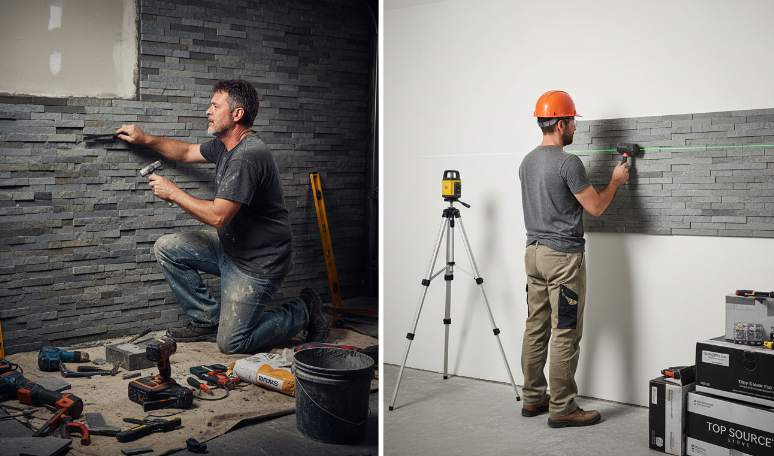
DIY vs. Pro Cost decisions for stacked stone projects define real savings versus hidden expenses. While DIY cuts labor charges by up to 70%, overlooked tool costs, project complexity, and rework risks can erode margins sharply.
We benchmark solutions against Top Source Stone’s Direct Quarry Source standard, emphasizing same-batch quarry consistency and CNC diamond-blade precision. Our analysis includes MOQ and lead times to guide profitable, scalable procurement strategies.
The real labor savings of a DIY stone project in 2026
DIY stone projects can cut labor costs by 50-70%, but actual savings vary with project complexity and include hidden expenses.
| Project Type | DIY Cost | Professional Installation Cost | Approximate Labor Savings |
|---|---|---|---|
| Stone Patios (Medium-sized) | $2,000 – $6,000 | $6,250 – $11,500 | 50% – 70% |
| Retaining Walls (Paver) | $4 – $20 per sq.ft. | $20 – $53 per sq.ft. | Up to 80% on large projects |
| Stone Countertops | Material costs constant; labor eliminated | Labor ~40% of total cost | Eliminate significant labor expense |
Cost Drivers and Hidden Expenses
DIY labor savings look impressive, but the real net savings shrink once you factor in equipment costs and risks. Tool rental or ownership can range between $200 and $6,000. On smaller projects, this cost can weigh heavily per square foot. Skilled masons charge $40 to $110 per hour depending on region and expertise, often more in urban areas.
Complex designs, such as curved layouts or multi-level builds, require skill beyond most DIYers. Mistakes like poor grading or drainage can lead to costly fixes that wipe out your labor savings. Also, consider the time investment—a DIY project typically needs multiple weekends or longer, which adds an opportunity cost.
Maximizing Savings with a Strategic Approach
- Partial DIY: Do site prep, demolition, or material sourcing yourself, then hire pros for skilled installation.
- Off-season scheduling: Contractors charge less when demand drops in colder months.
- Phased implementation: Complete critical sections first and add more in phases to spread costs.
- Material sourcing: Buy from wholesale distributors or use recycled stone to cut material costs.
Straightforward jobs like simple patios let you reach 50-70% labor savings. But complexity, tool costs, and your time reduce net benefits. Projects requiring intricate masonry are better left to professionals to avoid costly errors that erase DIY advantages.
Tool purchase vs. Rental costs: A 48-hour budget analysis
Renting tools suits short 48-hour projects better by cutting upfront, maintenance, and storage expenses compared to purchasing.
Why renting tools is more economical for short-term projects
For brief projects like 48 hours, renting tools saves money because you pay only for the usage time. Buying tools means facing a large upfront payment plus delivery, setup, and depreciation costs that you cannot recover in such a short span. Rental services also cover maintenance and repairs, so you avoid unforeseen expenses. Rental fleets update regularly, letting you access current technology without worrying about losing value. Plus, there’s no need to arrange storage or logistics after the project when renting for a limited duration.
Comparing cost components: Purchase depreciation versus rental fees
Owning a tool involves annual costs calculated by subtracting resale value from purchase price, divided by expected lifespan, then adding maintenance, insurance, storage, and financing fees. Rental fees, on the other hand, match exactly the length of use, such as a few days or weeks, eliminating fixed expenses. For instance, owning a $5,000 tool might not justify the cost if you can rent it weekly for $200 during the short 48-hour project. Rental also gives flexibility to swap tools quickly if problems arise, minimizing downtime. Only heavy, frequent use across multiple projects makes buying worthwhile, which a 48-hour job does not meet.
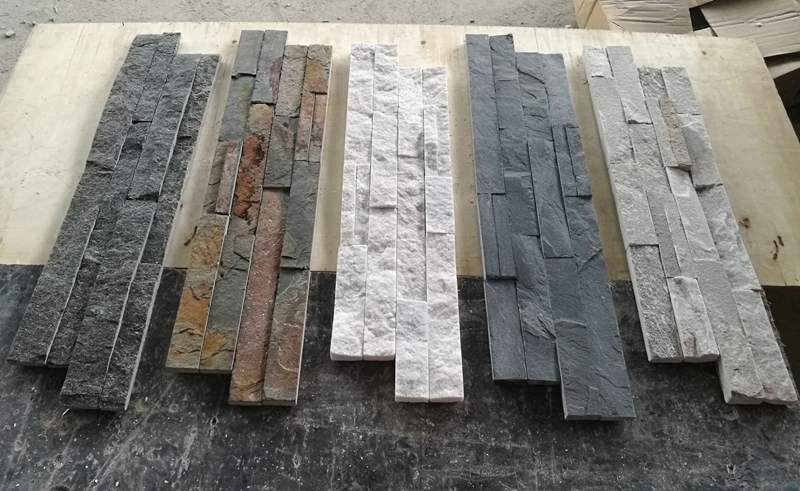
Premium Stacked Stone for Contractors

The cost of mistakes: Why pros might be cheaper for fireplaces
DIY may save upfront labor costs, but professionals reduce costly errors and ensure code compliance, often lowering total project expense.
The hidden costs and risks of DIY mistakes in fireplace installation
DIY fireplace installation often leads to mistakes in masonry and failure to meet building regulations. These errors can result in expensive repairs or force a complete restart of the project, wiping out any labor savings. Outdoor fireplaces add complexity with specialized masonry needs and strict regulatory standards, which amateurs may overlook.
Technical components like chimneys and ventilation systems require precision; improper installation can cause structural failures or pose serious safety risks, such as fire hazards or carbon monoxide leaks. These mistakes not only threaten safety but also lead to high-cost rework.
When you factor in costs of fixing errors, the initial labor-price advantage of DIY typically disappears. The risk of redoing work or addressing compliance issues often makes DIY more expensive in the long run.
How professional experience and warranties reduce overall costs
Although labor usually makes up 30-50% of the total fireplace project cost, hiring professionals brings warranties that protect your investment over time. These guarantees prevent unforeseen expenses coming from installation faults.
Experienced installers have deep knowledge of ventilation, gas line connections, and electrical requirements. Their know-how minimizes mistakes and ensures compliance with building codes, reducing the chance of costly corrections or failed inspections.
Professionals also work efficiently, completing installations faster. This speed lowers indirect costs such as disruption to your schedule and accelerates access to the finished fireplace.
When should you hire a professional mason?
Hire a professional mason when projects demand technical skill, structural integrity, efficiency, durability, cost savings, or affect property value.
Critical Situations for Engaging a Professional Mason
Complex structural work requires professional expertise. Tasks like building load-bearing walls and installing damp proofing need precise technical knowledge to ensure safety and longevity.
Large or intricate masonry projects benefit from expert project management to maintain quality, coordination, and accurate execution within schedule and budget.
When time is limited, professionals handle tasks efficiently, anticipating problems to keep projects on track and avoid costly delays.
Projects aiming for long-term durability depend on correct material use and craftsmanship, which skilled masons provide to ensure lasting results.
Hiring pros avoids mistakes and material waste, ultimately saving money over the long term.
Work that must comply with local building codes or improve resale value requires licensed professionals to meet regulatory standards and enhance property marketability.
Advantages of Professional Masonry Expertise and Quality Materials
Skilled masons assess structural integrity and apply technical knowledge for safe, compliant installations.
Professionals have access to consistent, high-quality naturstein materials, often sourced from direct quarry supply chains ensuring uniformity and reliability.
Advanced installation techniques by experts deliver seamless finishes that stand up to weather and time.
Fully licensed and insured professionals guarantee compliance with building codes, which safeguards property value.
Proper methods applied by professionals reduce maintenance needs and related costs over time.
Expert craftsmanship supports customized designs and adapts to evolving architectural styles, enabling aesthetic flexibility.

Comparing time commitment and opportunity cost
DIY projects take much more time and carry higher opportunity costs; professionals finish faster with expertise and save your personal time.
Understanding Time Commitment Differences
DIY projects often take longer than expected because homeowners lack the experience and proper tools, which leads to extended work time. Besides the manual labor, they spend extra hours researching methods and learning skills specific to the project. Professionals work faster since they have teams using proven workflows and specialized equipment. Multiple workers and the right tools reduce delays, enabling projects to complete in a fraction of the time DIY efforts require.
Evaluating Opportunity Cost and Time Value
DIY work consumes valuable personal time, cutting into free hours and potentially disturbing family routines. Some projects, especially those that disrupt daily life like kitchen or bathroom remodels, can strain relationships and create tension. Hiring professionals frees your time, minimizes home disruption, and lets you focus on income-producing or personal activities. While DIY labor costs less, the savings can be negated if your hourly time value is higher than the labor cost saved. Complex, time-sensitive, or regulation-heavy projects often make professional installation the more efficient and prudent choice.
ofte stilte spørsmål
Is it possible for a DIYer to install stacked stone veneer themselves?
Yes, DIY installation of stacked stone is achievable but requires careful surface preparation, proper installation techniques, and the right tools to avoid common mistakes like panel misalignment and stone slippage.
How much can I save by installing stone veneer myself instead of hiring professionals?”
DIY installation can save 20-40% on labor costs, especially by handling site preparation and material sourcing. However, savings depend on your skill level, local conditions, and project complexity.
What tools are essential for a DIY stacked stone installation?
Essential tools include a wet saw with a diamond blade, masonry trowel, rubber mallet, chisels, measuring tape, level, safety glasses, and mixing drill. Faux steinpaneler require fewer tools and are often easier for beginners.
How long does it usually take to install stacked stone veneer?
A skilled mason can install about 100 sq.ft. per day, but total project time includes surface preparation, mortar curing, and finishing, often taking 1-2 weeks.
Can beginners successfully install stone veneer on a fireplace?
Beginners can install stone veneer on fireplaces with proper preparation and care, following step-by-step methods, using the right tools, and allowing sufficient curing time for mortar and grout.
Final Thoughts
While cheaper stone options may cut initial costs, Top Source Stone’s direct quarry sourcing and CNC diamond-blade precision ensure color consistency, structural integrity, and seamless finishes that protect your reputation from costly callbacks and warranty claims. Investing in premium natural stacked stone reduces risk of material waste, installation errors, and long-term maintenance, securing your status as a reliable dealer. Quality inventory built around the Big 10 popular colors gives you unmatched supply confidence for demanding projects.
Don’t compromise on product or service—start with our sample kit to verify true-to-quarry color and finish. Reach out to our team to request catalogs or explore private label opportunities tailored to your brand. Experience the difference that industry-grade materials and expert craftsmanship bring to your projects and margins.
