
Commercial and industrial high-heat systems face significant risks when film temperatures exceed safety limits, often resulting in oil coking and catastrophic tube ruptures. Engineering teams and contractors must balance equipment performance with strict fire-prevention protocols to protect structural integrity and occupant safety.
We examine the engineering specifications and building codes necessary to manage these installations, from maintaining surface temperatures below 85 °C to following NFPA 54 clearance standards. This analysis covers the selection of fire-resistant materials rated under ASTM E119 and the 36-inch clearance buffers required for solid fuel heaters. We also detail how to mitigate project liability through proper thermal expansion management and workplace heat safety plans.
Understanding the Risks of High-Heat Installations
High-heat systems risk catastrophic failure if film temperatures exceed safety limits, causing oil coking and tube ruptures. Operators prevent fires by keeping surface temperatures under 85 °C and using pipework rated for 16 bar. Compliance with NFPA 87 and DIN 4754-1 ensures structural integrity during thermal expansion cycles.
Thermal Degradation and System Failure Risks
Excessive film temperatures trigger oil coking and create localized hotspots that compromise heating tube integrity. When tubes rupture, they release flammable heat transfer fluids into furnace chambers, resulting in immediate fire hazards. Mechanical stress from repeated thermal expansion and contraction cycles during system start-up often leads to stress corrosion cracking in piping and boilers.
Engineering Specifications and Safety Standards
Proper insulation limits external surface temperatures to 85 °C, which prevents the self-ignition of leaked fluids. Industrial piping systems require a minimum pressure rating of 16 bar and expansion supports that comply with DIN 4754-1 or NFPA 87 standards. Safety temperature limiters (TZA+) on feed lines and flue gas systems protect the installation, while cabling in leak-prone zones needs a 60-minute fire rating to maintain control during an emergency.
Mandatory Building Codes and Safety Standards
Compliance for high-heat installations focuses on California Title 24 efficiency metrics and fire safety. These standards mandate specific furnace AFUE ratings, heat pump HSPF values, and ductwork R-values, alongside non-negotiable safety features like fire-resistant materials and carbon monoxide detection to ensure structural integrity and occupant safety.
| Regulation Category | Performance Metric | Compliance Standard |
|---|---|---|
| Gas Central Furnaces | AFUE Rating | Minimum 80% for units with outputs ≥225,000 Btu/h |
| Heat Pump Efficiency | HSPF / COP / EER | 9.8 EER minimum required for systems with SEER ≥ 15.2 |
| Ductwork Insulation | R-Value | R-6 or R-8 depending on location and slab embedment |
| Occupant Habitability | Indoor Temperature | 70°F minimum for rental units maintained 24/7 |
Energy Efficiency and Performance Metrics
California Title 24 mandates specific efficiency requirements for central heating equipment to lower energy consumption. Gas central furnaces with a heat output of 225,000 Btu/h or more must reach an Annual Fuel Utilization Efficiency (AFUE) of at least 80%. For heat pump installations, the code sets minimum standards for Heating Seasonal Performance Factor (HSPF) and Coefficient of Performance (COP) based on the specific climate zone of the building. Systems reaching a SEER rating of 15.2 or higher also require an Energy Efficiency Ratio (EER) of at least 9.8. Heat pump water heaters across residential and commercial sectors must adhere to mandatory ventilation measures to ensure proper air exchange and system performance.
Fire Safety and Thermal Insulation Requirements
Safety protocols for heating systems focus on thermal containment and environmental monitoring. Ductwork insulation must meet R-6 or R-8 standards when routed through unconditioned spaces or buried within concrete slabs to prevent thermal loss. Fire safety codes strictly require the use of fire-resistant materials for all ductwork components, particularly in zones prone to high heat levels. Residential units must also include carbon monoxide detectors to track air quality near heating installations. To satisfy habitability standards by 2026, rental properties must maintain a consistent indoor temperature of 70°F throughout any 24-hour cycle.
Selection Criteria for Fire-Resistant Materials
Engineers select fire-resistant materials based on their ability to maintain structural integrity and limit heat transfer during specific fire durations. Selection depends on meeting standardized test ratings such as ASTM E119 or UL 263, ensuring the material remains non-combustible and load-bearing at elevated temperatures.
Standardized Testing and Regulatory Classifications
ASTM E119 and UL 263 serve as the primary North American benchmarks for determining fire-resistance ratings. International projects often follow AS 1530.4 in Australia, EN 13501-1 in Europe, or various ISO standards to ensure global compliance. These frameworks establish a performance hierarchy where materials receive classifications ranging from non-combustible to combustible, focusing specifically on flame spread and penetration resistance.
Certification protocols mandate rigorous third-party quality assurance to validate material performance before site application. Testing typically involves full-scale wall assemblies using 10-foot by 10-foot specimens to simulate real-world construction conditions. This process ensures that the transition from lab results to building installation maintains the intended safety margins.
Thermal Insulation and Structural Load-Bearing Metrics
Fire-resistance duration is measured in 1-, 2-, 3-, or 4-hour ratings under controlled test scenarios. Materials must maintain their structural load-bearing capacity even when subjected to extreme heat to prevent assembly collapse. High-performance materials are selected based on their ability to stabilize a structure long enough for evacuation and emergency response efforts.
Advanced material formulations often incorporate intumescent additives that expand under heat, creating an insulating char layer that slows thermal transfer to structural elements. In specialized installations, such as natural stone panels, engineers require high-strength epoxy resin adhesives. These adhesives ensure permanent bonding between the stone and its substrate, resisting the stresses caused by thermal expansion during a fire event.
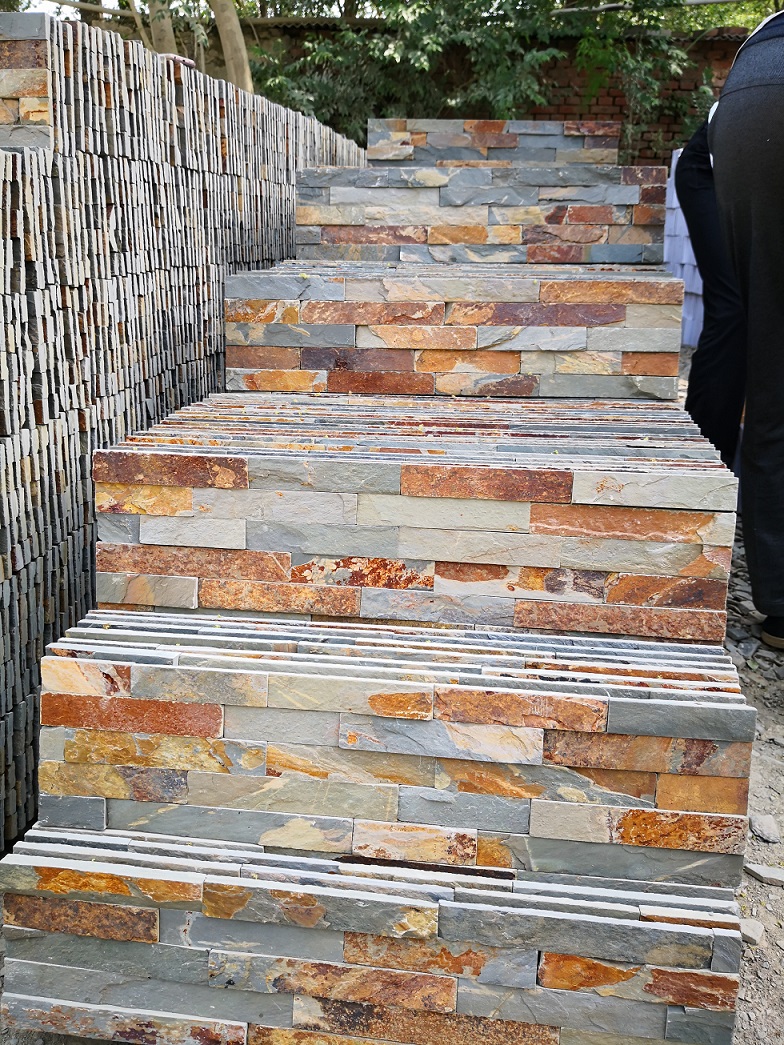
Elevate Your Projects with Premium Natural Stacked Stone
Essential Clearance Requirements for Heat Sources
Proper heat source clearance prevents accidental ignition and ensures mechanical safety. 2026 installation protocols follow NFPA 54 and IMC 2021 codes, mandating 18 inches for gas units and 36 inches for solid fuel heaters. These gaps maintain airflow and protect the structural integrity of wall finishes like natural stone ledger panels.
| Appliance or Vent Type | Minimum Clearance | Standard Basis |
|---|---|---|
| Gas & Oil Furnaces | 18 Inches (457 mm) | NFPA 54 / ANSI Z223.1 |
| Solid Fuel Heaters | 36 Inches (914 mm) | International Mechanical Code |
| Furnace Front (Service) | 24 – 30 Inches | Technician Access Specs |
| Category IV Venting | 0 Inches | ANSI Z21.47 (Plastic Vent) |
| Garage Elevation | 6 Feet (1829 mm) | Flammable Vapor Safety |
Safety Standards and Fire Prevention Protocols
The National Fuel Gas Code (ANSI Z223.1/NFPA 54) mandates an 18-inch minimum distance between gas or oil furnaces and any combustible materials. Solid fuel-burning heaters require a 36-inch buffer to manage higher radiant heat risks. Standards like NFPA 31 and CSA B149.1 provide the framework for oil-burning and propane equipment to maintain fire safety across different regions. While natural stone surfaces act as non-combustible barriers, installers must verify internal wall cavity clearances to stop heat from reaching wood framing behind the stone ledger panels.
Specific Distance Requirements for Mechanical Units
Furnace installations need a front clearance between 24 and 30 inches so technicians can access burners and perform routine servicing safely. Side and back clearances usually fall between 6 and 24 inches depending on the specific model and manufacturer instructions. Category IV condensing furnaces stay below 140°F, which permits 0-inch clearance to combustibles when using single-wall plastic venting. Roof vent terminations should extend 12 to 18 inches above the expected snow line to prevent blockage. If installing a mechanical unit in a garage, elevate it at least 6 feet above the floor to avoid igniting flammable vapors that collect at ground level.
Preventing Common Failures: Cracking and Slippage
Engineers prevent failures in high-heat zones by managing thermal gradients and applying isolation membranes that meet ANSI A118.12 standards. Using high-strength epoxy resins and strategic expansion joints allows the assembly to absorb movement without cracking or losing its mechanical bond to the substrate.
Thermal Stress Management and Bond Stability
Internal tensile stress triggers cracking when the temperature differential between the material core and surface exceeds its physical capacity. Engineers mitigate this risk by using high-strength epoxy resin adhesives that create a permanent, heat-resistant bond between natural stone pieces and panel backings. This specialized adhesive maintains structural integrity even during rapid temperature fluctuations.
Thermal gradient monitoring provides a proactive way to maintain installation safety. Embedded sensors allow for early detection of stress before structural failure occurs. In large-scale projects, using supplementary cementitious materials like fly ash in the substrate reduces the heat of hydration, which stabilizes the assembly during the initial curing phase.
Compliance with ANSI A118.12 and Movement Accommodation
Long-term installation integrity depends on meeting established engineering standards. ANSI Standard A118.12 requires crack-isolation membranes to manage substrate movement of at least 1/16 inch (1.5 mm). High-performance systems go further, isolating stone panels from cracks up to 1/8 inch (3 mm) to maintain a seamless aesthetic in high-heat zones.
Correctly spaced expansion joints direct thermal movement to intended locations rather than allowing random cracking across the facade. Utilizing Z-shaped interlocking panels and L-shaped corner units also reduces stress concentration at joints compared to traditional mitered edges. These geometries allow the stone system to expand and contract without compromising the mechanical bond to the wall.
Ensuring Compliance to Reduce Project Liability
Contractors reduce liability by implementing site-specific Heat Injury and Illness Prevention Plans (HIIPP) triggered at an 80°F heat index. Following OSHA mandates and ANSI/ASSP A10.50 standards ensures projects meet safety thresholds, especially when temperatures reach the 90°F high-heat trigger requiring mandatory rest breaks.
Regulatory Triggers and HIIPP Requirements
OSHA requires a written Heat Injury and Illness Prevention Plan (HIIPP) for employers managing more than 10 workers exposed to environmental heat. Safety protocols initiate at an 80°F heat index, requiring site-specific risk evaluations and fundamental controls like consistent water access. These measures establish a baseline for worker safety before conditions reach critical levels and increase legal exposure.
High-heat triggers escalate the requirements once the heat index reaches 90°F. At this threshold, contractors must implement mandatory paid rest breaks and active employee monitoring to identify signs of heat-related distress. For indoor stone work, the presence of visible warning signs becomes mandatory if ambient temperatures exceed 120°F, ensuring all personnel recognize the extreme thermal environment and follow established safety paths.
Safety Standards and Engineering Control Protocols
Applying ANSI/ASSP A10.50 standards offers a technical framework for heat stress management through detailed checklists and logic flowcharts. Teams should prioritize engineering controls, such as high-volume mechanical ventilation and temporary shade structures, over basic administrative shifts. This approach addresses the root cause of heat exposure, protecting both the workforce and the physical integrity of the stone materials from rapid drying or thermal shock.
Following NIOSH recommended exposure limits helps mitigate the risk of worker errors that lead to material cracking or mortar slippage caused by heat fatigue. Rigorous record-keeping serves as a primary defense against General Duty Clause penalties. Contractors must maintain detailed training logs and perform HIIPP reviews after any heat-related incident to ensure the safety plan remains effective and legally sound throughout the project lifecycle.
Final Thoughts
Adhering to specific heat safety codes keeps installations functional and prevents mechanical failures. Proper clearances and certified materials stop heat from reaching combustible framing and ensure that systems handle thermal expansion cycles without rupturing. Following engineering benchmarks like NFPA 87 and ASTM E119 creates a reliable foundation for any project involving high temperatures.
These safety measures also protect builders from legal issues and keep workers safe during installation. Implementing heat injury prevention plans and using high-strength adhesives prevents material slippage and site accidents. Focusing on these technical details results in durable, code-compliant structures that meet modern energy and safety requirements.
SEO
Title: High-Heat Installation Codes: Fireplace & Chimney Safety, Fire-Resistant Materials, and Clearances
Description: High-heat installation safety requires strict adherence to NFPA 54 and ASTM E119 standards to prevent oil coking and catastrophic tube ruptures.
URL: high-heat-installation-safety-compliance
Keywords: High-heat installation safety
