
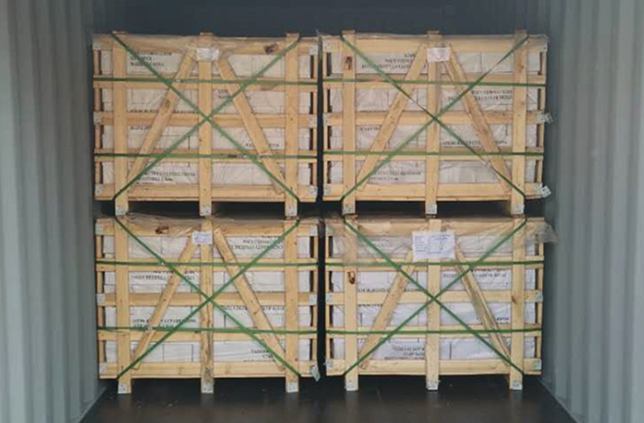
Navigating **LCL vs. FCL for Stone** logistics is a high-stakes calculation between upfront freight savings and terminal breakage risks. High-density natural stone shipped via shared LCL containers faces 4x more manual handling touches, significantly increasing the probability of edge-chipping and structural cracking that erodes dealer margins.
We define the 15 CBM pivot point where a sealed 20GP container—loading up to 864 square meters of ledger panels—becomes more economical than shared loads. By benchmarking against 17.5-ton US port limits and our 5-ply BC flute packaging standard, we help you secure a predictable, high-ROI supply chain.
Defining LCL and FCL in the Context of Heavy Stone Weight
Shipping stone requires balancing volume against extreme density. FCL offers exclusive use for loads up to 26.5 tons, while LCL increases handling risks and costs for heavy materials.
Mechanics of LCL Consolidation and Weight Ratios
LCL involves sharing container space with other importers. While this works for light retail goods, it creates specific friction for high-density naturstein. Because stone is heavy, it often hits weight limits before filling the physical volume of the container.
- Cost Calculation: Forwarders use W/M (Weight or Measurement) pricing. Stone density triggers weight surcharges that can make LCL more expensive than a half-empty FCL.
- Handling Risks: Cargo moves through multiple Container Freight Station (CFS) warehouses. This repeated loading and unloading increases the risk of chipping on natural cleft stone edges.
- Contamination: Shared containers expose porous stone to dust or chemical leakage from unrelated cargo in the same unit.
- Transit Lag: Waiting for enough cargo to fill the shared container typically adds 2 to 5 days to the total transit time.
20GP Payload Standards for Stacked Stone Pallets
FCL is the standard for Toppkildestein bulk shipments. We utilize 20GP containers because they handle the extreme weight of slate and quartzite more efficiently than larger 40-foot units, which would hit weight caps long before they were full.
- Pallet Configuration: A standard 20GP container accommodates 20 plywood crates (110cm x 110cm x 68cm).
- North American Limits: We target approximately 17.5 tons for US and Canadian ports to comply with local road weight regulations.
- Maximum Payload: With heavy-weight port approval, we load up to 26.5 tons, supporting roughly 864 square meters of flat stablet stein.
- Sealed Transit: FCL shipments stay sealed from our factory in Xingang to your destination, minimizing the mechanical damage common in shared shipments.
Choosing FCL over LCL for orders exceeding 13 to 15 cubic meters provides a fixed cost structure and protects the integrity of the stone panels by eliminating mid-transit touches.
The Cost “Tipping Point”: At How Many SQM Does FCL Become Cheaper?
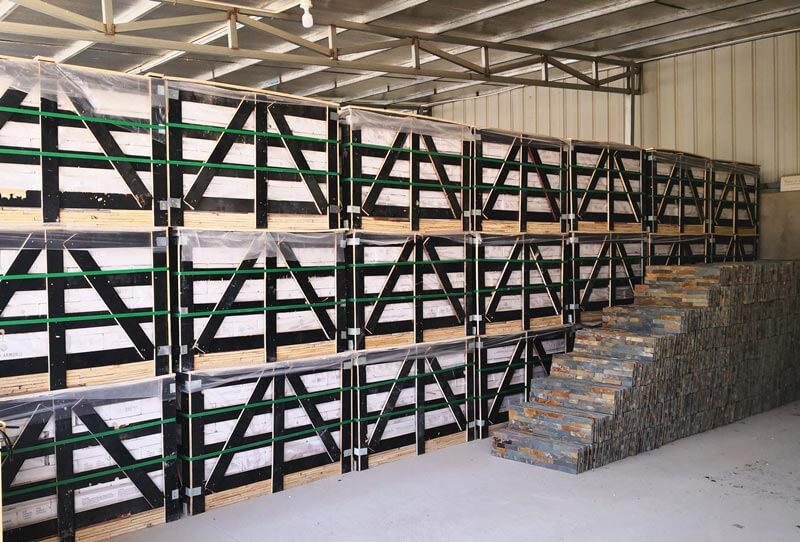
FCL beats LCL at 13-15 cubic meters. For stone, this hits at 350-450 square meters, where fixed container rates beat variable port fees and handling surcharges.
| Stone Variety | 20GP Capacity (Max SQM) | FCL Economic Pivot |
|---|---|---|
| Flat / Pencil Ledger paneler | 756 – 864 m² | 350 – 450 m² |
| Rough Stablet stein | 486 – 540 m² | 350 – 450 m² |
Volumetric Break-Even Analysis and LCL Fee Scaling
Forwarders charge for every “touch” in an LCL shipment. Consolidation, documentation, and Container Freight Station (CFS) fees typically range from $120 to $250 per transaction. These variable fees scale with volume, making LCL increasingly inefficient as shipments grow.
At the 15 CBM mark, the total landed cost for LCL often sits 12.5% higher than a full 20GP container. Bypassing LCL eliminates the per-cubic-meter penalty and avoids the 20-35% administrative overhead caused by port delays and shared-load processing. Shippers hit a financial ceiling where paying for the entire container—even if partially empty—costs less than paying for shared space.
20GP Loading Benchmarks for Stacked Stone Varieties
Stone density dictates total square meter capacity. While a 20GP container provides the volume, weight limits usually act as the hard ceiling for naturstein logistics.
- Flat Stacked Stone: Reaches peak efficiency between 756 and 864 square meters per container.
- Rough Stablet stein: Utilizes a lower threshold of 486 to 540 square meters due to thickness and density.
- Weight Limits: Standard loads cap at 17.5 tons for most ports, while heavy-weight approval allows up to 26.5 tons.
- Trial Order Minimum: The 300 square meter MOQ at Top Source Stone serves as a strategic entry point near the FCL break-even.
Orders reaching 350 to 450 square meters provide the highest ROI for dealers and wholesalers. At this volume, you secure fixed FCL rates and eliminate the damage risks inherent in multiple-handling LCL environments.
LCL Risks: Handling Damage and Port Congestion Surcharges
LCL stone shipments face 3-4x more handling touches than FCL, increasing chipping risks. Near 15 CBM, additive fees typically make FCL more economical and predictable.
How Multiple Handling Stages Increase Stone Damage Risks
LCL cargo undergoes frequent movement at consolidation and deconsolidation centers. Unlike a sealed FCL container that moves directly from the factory to your warehouse, LCL shipments are repeatedly loaded and unloaded. For heavy, brittle materials like 6 inch x 24 inch natural stone panels, every forklift transfer represents a potential point of failure.
- Handling Frequency: LCL cargo experiences 3 to 4 times more touches than FCL shipments during transit.
- Damage Reduction: Switching to FCL reduces physical damage by 50-70% by maintaining a sealed environment.
- Material Vulnerability: Frequent transfers significantly increase the probability of edge chipping and structural cracking in brittle stone.
Mitigating Transit Hazards with Export-Grade Crate Protection
Top Source Stone utilizes specific packaging reinforcements to counter the physical risks in shared LCL containers. While FCL remains the standard for bulk orders to avoid port congestion surcharges and consolidation delays, these export-grade specs protect smaller trial shipments.
- Reinforced Cartons: We use 5-ply BC flute export standard cartons to resist compression from neighboring cargo.
- Internal Cushioning: High-density foam inserts protect panels against vibration and mechanical impact.
- Plywood Crates: 110cm x 110cm standardized crates provide a rigid external frame to prevent shifting in the container.
- Weight Limits: Shipments are optimized for 17.5-ton loads to comply with port regulations and minimize handling errors.
Boost ROI With Factory-Direct Ledger Stone
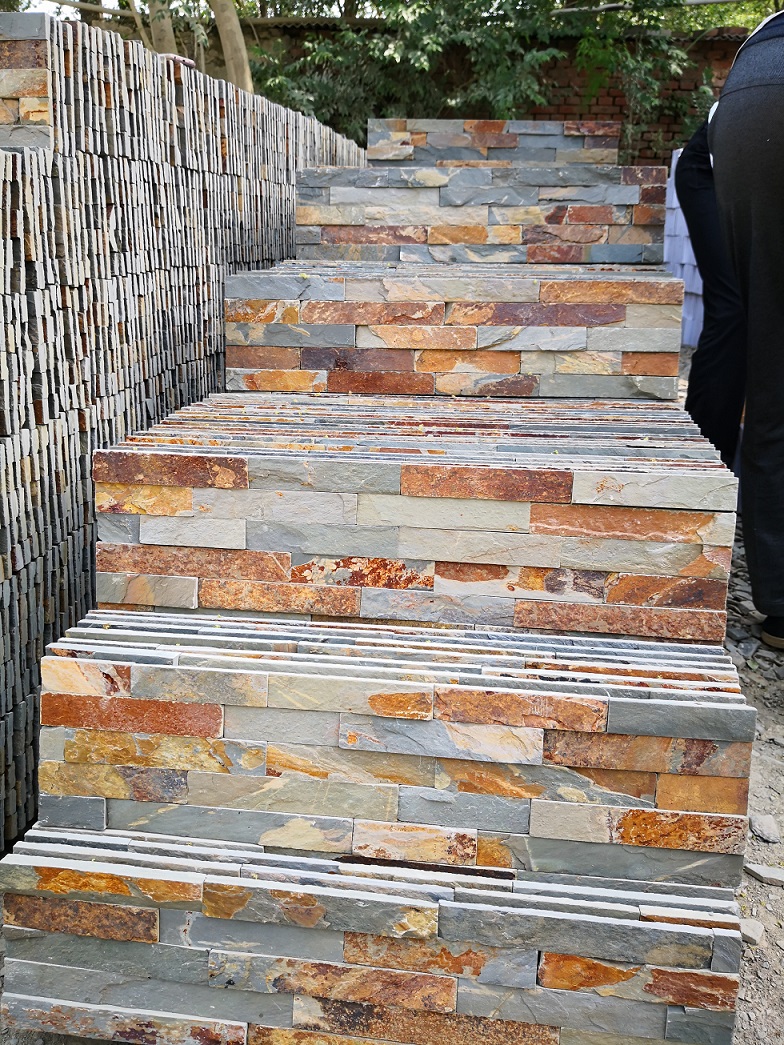
Warehouse De-vanning: Hidden Fees in LCL Shipments
LCL shipments trigger destination handling and CFS surcharges totaling $50 to $150 per CBM due to manual de-vanning and sorting required at shared warehouses.
Uncovering Deconsolidation and Storage Surcharges
LCL ocean freight quotes often hide the true cost of port arrival. When a shared container reaches the Container Freight Station (CFS), the “de-vanning” process begins. Workers must manually unload, sort, and palletize individual orders, a labor-intensive step that FCL shipments bypass entirely.
- DTHC Fees: Destination Terminal Handling Charges applied per cubic meter (CBM) for manual sorting.
- Documentation Surcharges: Carriers charge a separate fee for every individual Bill of Lading within a single container.
- Storage Penalties: CFS facilities typically offer only a 48-hour free-time window before daily penalties apply.
- Inventory Discrepancy: Multi-stop logistics increase the risk of missing pieces or “short shipments” during the sorting stage.
Export-Grade Packaging for Multi-Touch LCL Handling
LCL cargo undergoes 3 to 5 extra handling steps compared to sealed FCL. Because steinpaneler are high-density and fragile, standard packaging usually fails. We utilize reinforced materials and structural bonding to ensure the product survives the high-vibration environment of a shared warehouse.
- Reinforced Cartons: 5-ply BC flute export-standard boxes protect stone edges from impact during manual sorting.
- Crate Specifications: 110cm x 110cm fumigated solid wood or plywood crates provide the structural integrity needed for stacking.
- Structural Bonding: High-strength adhesive bonding prevents panel delamination despite the frequent transfers in LCL transit.
- Pre-Shipment Verification: Detailed photos and videos document the pallet condition before it enters the consolidation stream to simplify insurance claims if damage occurs.
If your order volume nears 13-15 CBM, the fixed cost of a 20GP container usually becomes more economical. FCL eliminates de-vanning fees and significantly reduces the mechanical damage risks associated with multiple touches at the port.
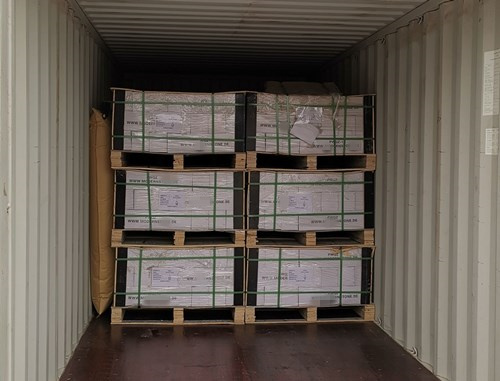
Speed Comparison: Why FCL is Usually Faster Than LCL
FCL shipping saves 7 to 14 days by bypassing consolidation and warehouse de-vanning, moving stone directly from the factory to the vessel without third-party delays.
| Logistics Phase | FCL (Full Container) | LCL (Shared Container) |
|---|---|---|
| Cargo Loading | Direct at factory | Requires CFS consolidation |
| Port Transit | Immediate gate-in | Waiting for container to fill |
| Handling Steps | Single sealed load | 3-5x manual transfers |
| Arrival Processing | Direct haulage | De-vanning & sorting (3-5 days) |
Elimination of Consolidation and De-vanning Delays
Full Container Load (FCL) shipping operates on a linear, point-to-point timeline. We load the stacked stone at our facility, seal the container, and truck it directly to the port. This process removes the need for Container Freight Stations (CFS), where Less than Container Load (LCL) shipments must wait for other cargo to fill a shared unit.
LCL shipments face a “first-in, last-out” bottleneck. Your pallets might arrive at the warehouse on Monday but won’t move until the final cubic meter of a stranger’s cargo is secured on Friday. At the destination port, FCL containers clear customs and move to the job site immediately. LCL units must be trucked to a secondary warehouse for de-vanning, adding 3 to 7 days of processing time before your stone is even available for pickup.
- Direct Routing: Point-to-point transport skips third-party cargo waiting periods.
- Reduced Handling: Removing warehouse sorting steps eliminates secondary handling risks.
- Fast-Track Gate-In: Sealed containers move through port terminals faster than loose pallets.
Lead Time Efficiency for 20GP Standard Containers
We optimize our production schedules specifically for 20GP containers to ensure your supply chain remains predictable. For wholesalers and dealers, this means a faster transition from order placement to port dispatch, particularly when sourcing from our core inventory models.
- Big 10 Inventory: Models like Alaska Gray and Glacier White dispatch to Xingang port within 10-15 days.
- Standard Production: Non-stock items follow a strict 20-25 day cycle for a full 20GP order.
- Weight Management: We load between 17.5 tons (ideal for USA) and 26 tons depending on local port regulations, ensuring direct-to-vessel loading without weight-related delays.
Because naturstein is high-density cargo, a 20GP container often reaches its weight limit before it reaches its volume limit. FCL allows us to maximize this weight capacity without the risk of mixed-cargo contamination or the delays associated with the complex documentation required for multi-shipper LCL containers.
Consolidated Shipping: Combining Stone with Other Materials
Consolidating stone with lighter cargo optimizes container space, but weight remains the primary constraint. 5-ply reinforced packaging is non-negotiable to prevent damage during the multiple handling stages of shared shipping.
Volume and Weight Balancing in Shared Containers
Natural stone ledger panels are high-density materials. They often reach the maximum weight capacity of a container—typically around 17.5 tons for standard US port compliance—well before the total volume is filled. In shared LCL (Less than Container Load) shipments, the goal is to pair these heavy pallets with “light” or “volumetric” cargo to maximize the use of the cubic meter (CBM) space without exceeding the gross weight limit of the 20GP container.
Logistics data indicates that LCL is the most cost-effective choice for shipments under 13-15 CBM. Once you exceed 15 CBM, the additive fees for consolidation and deconsolidation typically make a dedicated FCL (Full Container Load) more economical. For stone, this threshold often equates to 2-3 standard pallets. Moving to FCL at this point also reduces transit time by 2-5 days by bypassing the grouping process at the port.
Reinforced 5-Ply Packaging for Multi-Material Stability
LCL shipments face 3 to 4 times more handling “touches” than direct FCL loads. To survive these multiple transfers between loading docks, we adhere to strict export-grade packaging standards that exceed general market practices. This structural integrity prevents the stone from shifting or crushing when stacked near unrelated cargo.
- Carton Quality: We use 5-ply BC flute export standard reinforced cartons rather than standard 3-ply boxes to ensure vertical stability.
- Pallet Dimensions: Export-grade plywood crates or fumigation-free solid wood pallets measuring 110cm x 110cm.
- Panel Bonding: High-strength structural adhesive prevents stone separation during the vibrations of shared transit.
- Internal Protection: High-density foam inserts and corner guards minimize chipping from side impacts.
Top Source Stone provides pre-shipment visual verification for every consolidated order. This includes photos and videos of the actual finished crates before the balance payment, ensuring the packaging meets these reinforced standards before the goods leave our warehouse for the port.
Final Thoughts
Every handling touch in a shared LCL shipment increases the risk of edge chipping on natural stone panels. Securing our 300-square-meter MOQ protects your inventory by transitioning from variable port fees to stable, sealed FCL rates. You safeguard your reputation and dealer margins when you prioritize direct factory-to-port logistics.
Verify our batch color consistency and reinforced packaging standards before committing to a full container. Request a sample kit or a custom freight quote for our “Big 10” inventory to streamline your supply chain. Contact our wholesale team today to discuss your private label or project-specific requirements.
ofte stilte spørsmål
Is LCL shipping safe for natural stone panels?
LCL shipping is safe when the manufacturer uses export-grade reinforced 5-ply cartons and plywood crates with foam separators. While multi-handling at consolidation points increases vibration risk, Top Source Stone applies “Do Not Stack” labeling and heavy-duty strapping to prevent panels from shifting during transit. We strictly use 3 to 5-ply BC flute reinforced cartons to withstand the extra touches common in shared containers.
How many pallets of stone make FCL more cost-effective than LCL?
The cost tipping point usually occurs at 13-15 cubic meters, which equals about 2 to 3 standard pallets of stacked stone. Since FCL offers flat-rate pricing and removes LCL consolidation fees, shipments exceeding 300 square meters—roughly 10 pallets or half a 20GP container—typically result in lower per-unit freight costs and significantly less transit damage.
What specific accessorial charges apply to LCL stone shipments?
LCL shipments often incur extra fees for services like liftgate delivery, detention for unloading delays, or limited access fees for job sites without loading docks. B2B buyers can reduce these by providing accurate documentation and coordinating with warehouses that maintain standard dock heights. Inaccurate Bill of Lading (BOL) details are the primary driver of these unexpected costs.
Can shared LCL containers contaminate natural stone?
Shared containers carry a risk of dust, moisture, or chemical transfer from adjacent cargo. LCL shipments statistically face higher damage rates due to repeated transfers at ports. Using sealed FCL ensures the stone remains untouched from the factory to the destination, preserving the color consistency and surface integrity required for high-end architectural projects.
SEO
Title: Stone Shipping Strategy: When to Use LCL (Less than Container Load) vs. FCL (Full Container Load)
Description: LCL vs FCL for Stone: Compare 20GP capacity & 17.5-ton limits. Factory direct B2B supply with 300sqm MOQ. Secure 5-ply packaging.
URL: lcl-vs-fcl-stone-logistics
Keywords: LCL vs FCL for Stone
