

Navigating white stacked stone trends for 2026 requires rigorous mineral selection to prevent the iron-oxide oxidation that triggers irreversible yellowing and project site rejections. For wholesalers, sourcing secondary-market batches with high porosity leads to mismatched facades that destroy dealer margins and professional reputations.
We benchmark production protocols against ASTM C170 compressive strength and 17.5-ton US-port weight limits. By prioritizing direct-quarry quartzite sourcing and Grade A sorting, you secure batch consistency that survives northern freeze-thaw cycles without aesthetic decay.
Why White Stacked Stone is Dominating the US Market
Natural white stone veneer captures 30% of the U.S. market, outgrowing manufactured concrete due to its organic texture, light reflectivity, and superior freeze-thaw durability.
Shift Toward Natural Brightness in Modern Architecture
The U.S. stone veneer market reached $1.7 billion in 2026, with natural stone now holding a 44% share. While manufactured concrete was once the default for cost-saving, it is losing ground to natural variants which grow at nearly double the rate. White and light-colored varieties specifically command 30% of this segment.
Designers prioritize these materials for high-end cladding and feature walls. The visual contrast between bright, textured stone and dark architectural accents has become a staple in modern residential facades and commercial lobbies. This isn’t just about looks; the light reflectivity of natural white stone improves the perceived space in dense urban developments.
Performance Metrics of Glacier White Quartzite Panels
Our Glacier White model serves as the benchmark for high-performance quartzite. Manufactured stone often fails in northern climates, but natural quartzite meets ASTM C170 requirements for compressive strength. This ensures the material handles structural loads without the cracking seen in low-density alternatives.
- Standard Size: 6″ x 24″ panels with interlocking Z-shape for seamless joints.
- Material: 100% Natural Quartzite (HS Code: 6802.93.11).
- Loading Specs: Optimized for 17.5-ton US road limits (approx. 756–864 m2 per container).
- Climatic Resilience: Freeze-thaw resistant per ASTM standards, preventing spalling in cold environments.
Generic white stones frequently yellow because of iron oxide deposits. We select raw quartzite blocks with trace-level mineral impurities to maintain color stability. This direct quarry control allows wholesalers to offer a product that survives both intense UV exposure and high-moisture conditions without aesthetic decay.

Comparing Quartzite Sparkle vs. Flat White Marble Finishes
Quartzite provides a crystalline sparkle for high-light exteriors, while marble offers a muted matte finish for interiors; quartzite delivers higher durability in extreme weathering environments.
Visual Characteristics of Crystalline Quartzite vs. Classic Marble
Quartzite sparkle comes from natural mica and quartz crystals. These minerals catch sunlight to create a dynamic visual effect on exterior facades. Our Glacier White model showcases this crystalline texture, making it a preferred choice for high-end commercial cladding. Marble finishes provide a soft, non-reflective surface with subtle veining. This matte look suits luxury interiors focusing on clean, monolithic aesthetics.
We sort every batch at our factory to ensure color consistency. This prevents the patchy appearance common in lower-grade white stone. Quartzite typically yields higher contrast white tones, while marble leans toward a creamy appearance. Choosing the right material depends on whether the architectural goal requires high-light reflection or a muted backdrop.
Density and Weight Specs for Flat Series and Glacier White
Glacier White Quartzite maintains a weight profile of 8-12 lbs/sqft. This weight range ensures compliance with US port limits and road safety regulations. Our Flat Series marble panels use a high-strength glued backing system for seamless Z-shape interlocking without visible grout lines. This design speeds up installation for commercial contractors.
- Dimensions: 6″ x 24″ (approx. 150mm x 600mm)
- Weight Profile: 8–12 lbs/sqft for Flat/Pencil styles
- Standards: Meets ASTM C170 (Compressive) and ASTM C97 (Absorption)
- Logistics: 17.5 Tons per 20GP container (US Port Optimized)
- Interlock: Seamless Z-Shape for grout-free finish
We optimize container loading to 17.5 tons to help North American wholesalers maximize shipment value while meeting strict local load restrictions. Both materials meet ASTM C170 requirements, ensuring long-term durability in freeze-thaw climates. Quartzite offers a technical edge in exterior applications due to its higher density and lower absorption rates compared to traditional marble.

Sourcing “Glacier White” vs. “Cloud Grey” from Chinese Quarries
Direct quarry sourcing balances Glacier White’s quartzite shimmer against Cloud Grey’s matte aesthetic while optimizing container weights to 17.5 tons for North American road compliance.
| Feature | Glacier White (Quartzite) | Cloud Grey (Alaska Gray/Slate) |
|---|---|---|
| Mineral Composition | 90-95% Quartzite | Dense Slate or Sandstone |
| Aesthetic Finish | High-shimmer, Crystalline | Muted, Neutral Matte |
| Weight (Standard) | 8–12 lbs/sqft | 12–15 lbs/sqft (Saturated) |
| Durability Grade | ASTM C170 Equivalent | Freeze-Thaw Resistant |
Geological Variations and Aesthetic Profiles
Glacier White relies on high-density quartzite deposits in Northern China. This material features natural crystalline reflections that react to architectural lighting, making it a staple for premium commercial facades. Cloud Grey, often sourced as Alaska Gray or dense slate, provides a non-reflective surface for projects requiring a more subdued, industrial look.
- Material Standards: Both profiles meet ASTM C170 for compressive strength and ASTM C97 for low absorption.
- Hardness: Glacier White (Quartzite) rates near 7 on the Mohs scale, resisting scratches better than marble-based alternatives.
- Panel Dimensions: Standard 6″ x 24″ (150mm x 600mm) format with interlocking Z-shape for grout-free installation.
While aesthetics drive the initial selection, the mineral density dictates the application. Quartzite variants handle extreme temperature fluctuations without spalling, which is essential for 2026 exterior cladding specifications in Northern climates.
Batch Color Consistency and Direct Quarry Logistics
Sourcing directly from Hebei-based factories eliminates middleman markups and grants control over the sorting process. Natural stone varies by nature, so we implement strict batch color sorting at the quarry level to prevent patchy, inconsistent wall sections that plague open-market commodity stone.
- US-Port Weight Optimization: We limit 20GP container loads to 17.5 tons to comply with North American road weight regulations while maximizing pallet count.
- Visual Verification: We provide high-definition photos and videos of the specific production batch before the 70% balance payment is due.
- HS Codes: Slate exports use 6803.00.90; Quartzite exports use 6802.93.11.
Wholesale buyers should prioritize road-legal container weights to avoid heavy-weight permit surcharges at the port of entry. Managing these logistics at the source ensures the landed cost remains competitive for high-volume residential and commercial distribution.
Premium Stacked Stone for Architectural Success
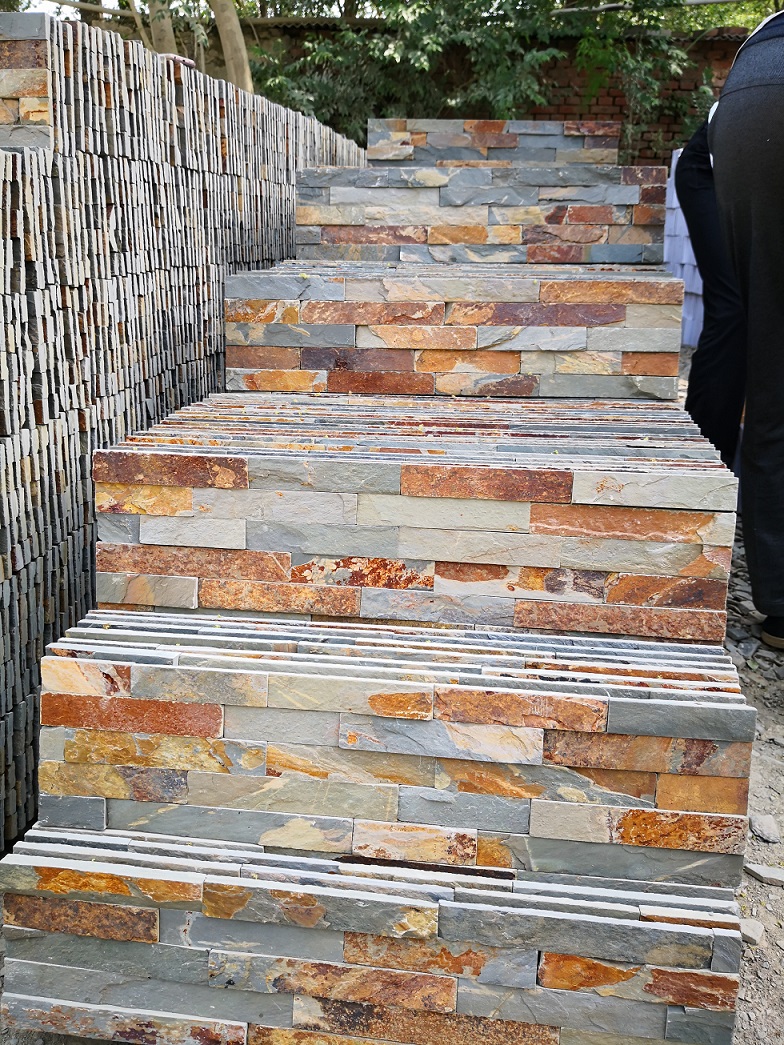
Avoiding Yellowing: Iron Content Control in White Stone
Iron oxidation causes yellowing in white stone. We prevent this through low-iron sourcing and Grade A sorting at our Hebei quarry, ensuring ASTM C1670 compliance.
| Quality Metric | Standard Market Veneer | Toppkildestein Protocol |
|---|---|---|
| Iron Oxide Management | Mixed-grade mineral veins | Low-iron quartzite sourcing |
| Sorting Process | Random batch selection | Grade A manual selection at quarry |
| Moisture Resistance | Variable porosity | ASTM C97 high-density standard |
| Transparency | Factory sample photos only | Pre-Shipment Visual Verification |
Understanding Why White Natural Stone Develops Rust Stains
White stone discoloration is rarely a surface stain; it is a chemical reaction from within the mineral structure. When iron minerals inside the stone encounter moisture, they oxidize. This creates yellow or orange “bleeding” that moves toward the surface, making it nearly impossible to clean with standard topical agents.
Light-colored materials like our Glacier White Stacked Stone are particularly sensitive to these reactions. High-porosity stones accelerate this by allowing water to reach internal deposits faster. Controlling the raw material selection is the only effective way to ensure long-term color stability in high-humidity or exterior environments.
- Chemical Catalyst: Iron oxide deposits (CAS 1309-37-1) naturally occur in mineral veins.
- Industry Baseline: ASTM C1670 requires no objectionable color change after weathering.
- Vulnerability: High-porosity stones allow moisture ingress, triggering internal oxidation.
- Staining Depth: Rust bleeding often penetrates the stone body, requiring specialized poultices for removal.
Factory Sorting Processes and Batch Consistency Protocols
We eliminate the risk of yellowing before the stone leaves the quarry. By maintaining direct control over our Hebei production facility, we implement a strict Grade A sorting protocol. Workers manually inspect and remove slabs with visible iron concentrations or rust-prone mineral veins during the raw block selection phase.
Batch color consistency is a major pain point for B2B buyers. To protect dealer margins and reduce project site rejections, we use a three-stage inspection system. We verify the color and density during cutting, assembly, and final packing. This ensures the stone meets 2026 technical requirements for architectural consistency.
- Quarry Control: Manual selection of Grade A low-iron material in Hebei.
- Density Standards: Adherence to ASTM C97 absorption limits reduces water penetration.
- Verification: Pre-shipment high-resolution photos and videos confirm batch quality.
- Logistics Check: Weight is maintained at 8–12 lbs/sqft to meet US road weight regulations.
These protocols ensure that wholesalers receive a product that stays white after installation. Our focus on batch consistency prevents the “patchy” appearance common in lower-grade imports where high-iron stones are mixed into the crates.

Pairing White Stone with Modern Black Accents (The Contrast Trend)
Pairing Glacier White quartzite with matte Carbon Black slate creates sharp architectural lines and visual balance for high-contrast commercial facades in 2026.
Current architectural trends for 2026 move away from flat, painted surfaces in favor of raw mineral textures. High-contrast palettes use Glacier White stacked stone to ground a building’s profile while allowing matte black hardware and trim to define the structural geometry. This “tuxedo” aesthetic relies on the play of light against natural stone rather than artificial coatings to maintain long-term property value.
Monochromatic Texture Dynamics in Modern Facades
Natural white stone serves as a neutral canvas that makes dark window frames, soffits, and architectural metalwork appear more pronounced. Using the Rough Series for white stone introduces deep shadows. These shadows prevent large-scale facades from looking flat or washed out under direct high-noon sunlight.
Designers increasingly specify 100% natural quartzite over manufactured alternatives. Natural stone retains its crispness without the risk of UV-induced yellowing that plagues cement-based products. This material choice ensures that the high-contrast look remains sharp for the life of the building facade.
Coordinating Glacier White Quartzite with Carbon Black Slate Panels
We pair the natural shimmer of Glacier White Quartzite with the non-reflective, matte finish of Carbon Black Slate. This combination creates a sophisticated interplay between light-reflecting minerals and light-absorbing carbon tones. Our factory-direct sourcing ensures batch color consistency, preventing the patchy or “checkerboard” look that occurs when mixing different production runs.
- Core Dimensions: 6″ x 24″ standard ledger panels.
- Installation System: Seamless Z-shape interlocking panels for grout-free transitions.
- Weight Profile: 8–12 lbs/sqft (Flat) up to 55kg/m2 (Rough Series).
- Bonding: High-strength glued system optimized for high-traffic commercial zones.
- Compliance: Natural stone selected to meet equivalent ASTM C170 and C97 standards.
Large-scale B2B projects require strict inventory control to maintain this balance. We provide pre-shipment visual verification of every batch. This transparency ensures the white quartzite remains free of iron-oxide staining and the black slate maintains its deep midnight tone across all 20 pallets in a standard container load.
Price Stability: Forecasting Sourcing Costs
Direct factory sourcing and 17.5-ton optimized shipping mitigate middleman markups and road weight penalties, stabilizing margins for the 2026 natural stone procurement cycle.
Economic Drivers of Natural Stone Pricing in 2026
Material costs remain tied to the extraction stability of quartzitic and slate deposits in key regional quarries. Manufacturing overhead fluctuates based on labor trends in high-precision fabrication, specifically regarding infrared cutting for Z-shape panels. While the U.S. stone veneer market reaches a projected $1.7 billion by 2025, price volatility often stems from energy shifts affecting the production of structural epoxy resins.
- Extraction Stability: Focuses on quartzitic and slate deposits in Hebei and regional quarries.
- Energy Costs: Impact the bonding strength of high-performance resins used in panel backings.
- Regulatory Compliance: Adherence to ASTM C1670 and C170 ensures product longevity and reduces long-term ownership costs.
Wholesalers can offset these external drivers by locking in production schedules during stable energy cycles. Natural stone continues to outpace manufactured alternatives in growth because its lifespan justifies the initial procurement investment, even in a fluctuating economy.
Mitigating Volatility Through Direct Quarry Sourcing
Direct quarry access eliminates the 15-30% price markup typically added by export trading companies. This strategy protects dealer margins and ensures tighter control over batch color consistency. We manage logistics by optimizing container weights to meet specific regional infrastructure requirements, reducing landed costs per square foot.
- US-Port Weight Optimization: Loading at 17.5 tons per 20GP container avoids heavy-weight road penalties.
- Visual Verification: Pre-shipment photos and videos secure the investment before final balance payments.
- Lead Times: 10-15 days for in-stock inventory; 20-25 days for specialized production.
- Material Weight: Standard panels range from 8–12 lbs/sqft to accommodate architectural load limits.
Managing the supply chain at the factory level prevents project delays caused by material waste. By utilizing high-strength glued systems and precision sorting, distributors receive consistent Grade A quality that simplifies installation and preserves capital for the 2026 market cycle.
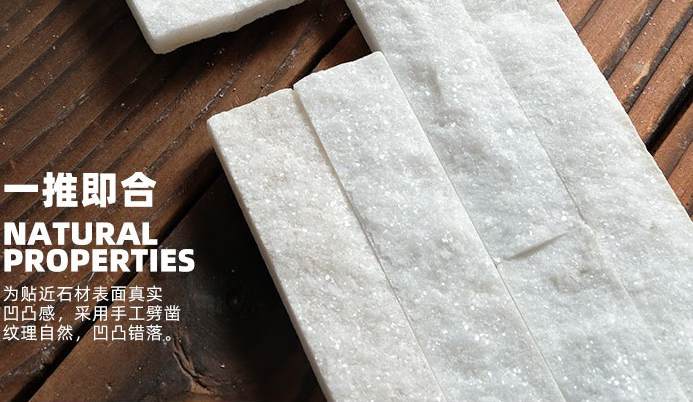
Sample Kits: Building a Trend-Forward Catalog for Clients
Mix Glacier White and Alaska Gray samples with private-label packaging to capture 2026’s high-contrast design trends while protecting wholesale margins through direct-quarry sourcing.
Curating Texture Profiles for Architectural Specifications
Architects currently demand a balance between high-relief textures for commercial facades and clean, flat panels for modern interior feature walls. A winning catalog must demonstrate this range to secure specifications in high-end residential and commercial projects.
- Core Inventory Models: Include Glacier White (Quartzite), Alaska Gray, and Carbon Black to address the shift toward high-contrast aesthetics.
- Dimensional Options: Provide standard 6″ x 24″ ledgestone panels alongside M-Series variants (4.5″ x 16″) for kitchen backsplashes and smaller fireplace surrounds.
- Texture Grades: Feature both the Flat series (8–12 lbs/sqft) for weight-sensitive retrofits and the Rough series (55kg/m2) for deep-shadow exterior cladding.
- Material Origin: Every sample represents 100% natural stone, including Slate, Quartzite, and Marble, ensuring heat resistance for hearth applications.
We manage batch color consistency at the quarry level. This prevents the patchy appearance often found in lower-grade wholesale shipments. By showing the natural variation of real stone, distributors set realistic expectations and reduce site-level disputes.
Private Label Customization for Professional Branding
Generic packaging dilutes brand authority. Wholesalers can eliminate the middleman and establish themselves as the primary source by utilizing factory-direct private label services.
- Customization MOQ: Private label services and custom-printed 5-ply export cartons require a minimum order of 300 m2.
- System Components: Include L-Shape corner units in sample kits to demonstrate seamless transitions for pillars and wall ends.
- Technical Compliance: All materials meet ASTM C1670 and C170 standards, ensuring high compressive strength and low absorption for freeze-thaw resistance.
- Visual Verification: We provide Pre-Shipment Visual Verification through photos and videos of the specific batch before balance payments occur.
We optimize container logistics specifically for North American roads, capping loads at 17.5 tons for US ports. This allows wholesalers to maximize their stock levels without risking weight-related fines or delivery delays, ensuring the sample kits leads to a profitable bulk conversion.
The Commercial Verdict
Sourcing low-grade white stone often leads to expensive rust-claim liabilities caused by internal iron oxidation. Our direct quarry control in Hebei isolates Grade A, low-iron blocks to ensure Glacier White maintains its crystalline shimmer across every 20-pallet shipment. Investing in ASTM-compliant quartzite secures your professional reputation and protects the high margins currently driving the US natural stone segment.
The Next Logical Step
Secure your 2026 inventory by requesting a high-definition video of our current production batches or a physical sample kit featuring our Glacier White and Alaska Gray models. We can coordinate a 300 m2 trial order with private label packaging to establish your brand as the primary source for modern, high-contrast facades. Contact our team today to review current lead times and container loading schedules optimized for 17.5-ton US road limits.
ofte stilte spørsmål
Why is white stacked stone a preferred choice for commercial cladding?
Architects choose natural white stone panels like Glacier White for their durability and compliance with ASTM C170 standards. These quartzite-based panels offer high compressive strength while maintaining a weight of 8–12 lbs/sqft. This ensures they stay under the 15 lbs/sqft saturated limit required by building codes for adhered veneers on large-scale facades.
Does white natural stone yellow or fade in outdoor environments?
Premium white quartzite and marble are naturally UV-resistant and color-stable. We control iron content during the quarry sorting process to prevent oxidation, which is the primary cause of yellowing or rust staining. This sorting ensures the stone maintains its crisp appearance even after decades of exposure to rain and sun.
How does white quartzite compare to white marble in terms of performance?
Quartzite scores a 7 on the Mohs hardness scale, making it much more scratch-resistant than marble, which scores between 3 and 5. While marble offers a classic aesthetic, quartzite is less porous and resists acid etching. This makes quartzite the superior choice for high-traffic exteriors or commercial wet areas where maintenance needs must be minimized.
Can white stacked stone be installed on fireplaces or near high heat?
Natural stone is non-combustible and heat-resistant. It is a standard material for chimney breasts and fireplace surrounds. Our quartzite and slate panels meet Class A fire ratings. We recommend using heat-rated thin-set adhesives to ensure the bond remains secure during constant heating and cooling cycles.
What measures ensure the stones stay attached to the panel backing?
We use an industrial-strength epoxy resin system to bond individual stones into a single panel. This glue system is applied under controlled temperature and pressure to create a permanent bond. It is engineered to withstand freeze-thaw cycles and external environmental stress without delamination, providing a secure fit for the life of the installation.
How is shipping optimized for North American wholesalers?
We limit 20GP container loads to 17.5 tons specifically for the US and Canadian markets. This strategy allows wholesalers to receive between 756 and 864 square meters of stone per shipment while strictly adhering to road weight limits. It eliminates the need for overweight permits and prevents logistical delays during inland transport.
