
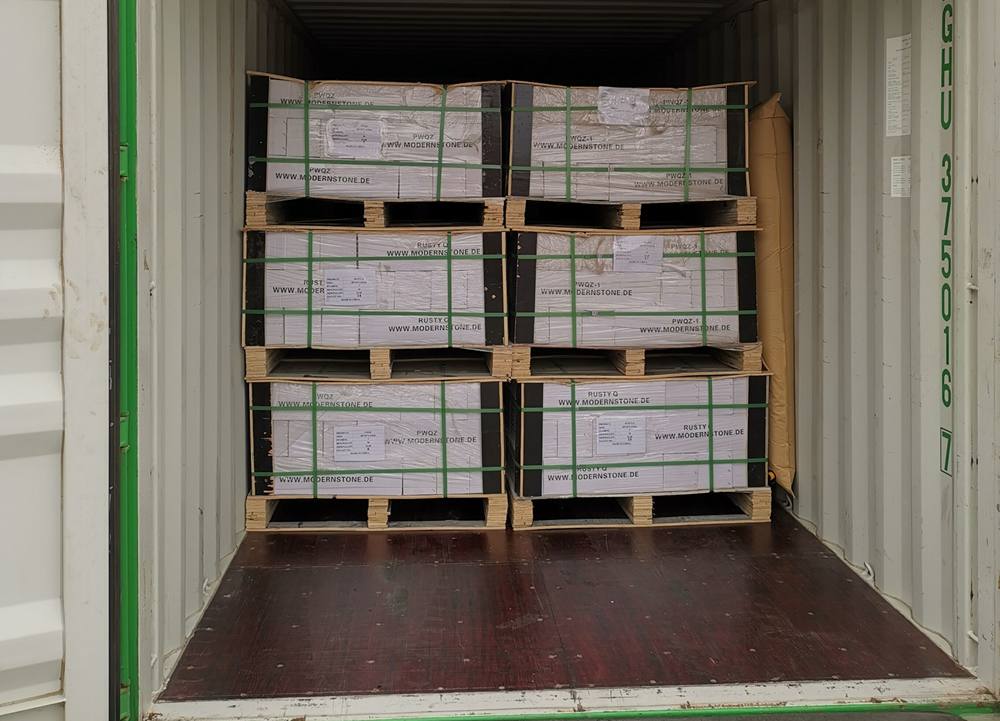
Executing an LCL import strategy for natural stone frequently triggers sticker shock when unbundled destination charges and CFS fees surpass the base ocean freight. Importers who ignore the 15 CBM break-even point face immediate margin erosion from fragmented logistics and inventory handling delays.
Our standards mitigate these risks by enforcing the 17.5-ton USA Port Standard and utilizing 5-ply reinforced export grade cartons. We demonstrate how 110cm x 110cm plywood crates and pre-shipment visual verification secure stone inventory against contamination and mechanical damage in shared containers.
LCL vs. FCL: Which Shipping Method Actually Maximizes Your Profit?
LCL works for volumes under 15 CBM. Beyond that—or above 17.5 tons for US ports—FCL flat-rate pricing significantly reduces the landed cost per square meter.
The 15 CBM Break-Even Point and Unit Economics
Shipping natural stone requires a hard look at how density affects your bottom line. LCL pricing follows a volumetric model where you pay per cubic meter (CBM) or weight, plus a stack of consolidation and handling fees. FCL uses a flat-rate container fee. In our experience, the 13-15 CBM range is the financial pivot point. Once your order exceeds 15 CBM, the cumulative LCL destination charges—like devanning and warehouse handling—usually exceed the cost of booking an entire 20GP container.
Inventory velocity also dictates your profit. LCL shipments typically take 28-35 days to reach the U.S. West Coast. This includes the 2-5 extra days needed for consolidation at the origin. Longer transit times tie up your working capital in “dead” inventory. FCL bypasses these delays, allowing you to cycle your cash flow faster and fulfill dealer orders without the wait associated with shared containers.
Optimizing Pallet Loading for North American Weight Limits
Profit maximization in the North American market depends on weight discipline. While a 20GP container can physically hold more, we strictly manage loads based on regional logistics constraints to prevent your margins from disappearing into overweight fines.
- USA Port Standard: We cap loads at 17.5 tons to adhere to strict road weight limits and avoid high-cost drayage surcharges.
- Heavy-Weight Exception: For regions allowing 24-26.5 tons, we utilize the full 20GP capacity by loading 25 to 30 pallets of stacked stone.
- Container Efficiency: A standard plywood crate weighs approximately 900-1000kg. Filling a container effectively brings the shipping cost per square meter to its lowest possible point.
Dealers can reach these FCL volume targets without over-committing to a single color. We recommend a strategy of mixing “The Big 10” inventory models. By combining popular sellers like Alaska Gray and Carbon Black in a 300 square meter trial order, you hit the volume necessary for FCL cost-efficiency while maintaining a diverse stock for your showroom.
Are Destination Charges and De-vanning Fees the Hidden “Cost Trap” of LCL?
LCL port fees often exceed base ocean freight. Shipments over 15 CBM trigger cost traps, making a 20GP full container strategy more profitable for high-density natural stone importers.
| Logistics Variable | LCL (Shared Container) | FCL (20GP Full Container) |
|---|---|---|
| Fee Structure | Unbundled (DDC, DTHC, CFS fees) | Flat-rate per container |
| Handling Process | Manual de-vanning at warehouse | Direct seal-to-door transit |
| Weight Limit | Variable (Often per CBM/Ton) | 17.5 Tons (USA Port Standard) |
| Transit Risk | High (Shared cargo contamination) | Low (Exclusive stone loading) |
The Financial Impact of Unbundled Port Fees and Devanning
LCL freight quotes are notoriously fragmented. Importers often see a low ocean freight rate but get hit with heavy costs at the destination port. These fees cover the labor required to “destuff” or unload stone pallets at a Container Freight Station (CFS).
- Scaling Costs: De-vanning fees for palletized natural stone start at roughly $175 for small loads but climb rapidly as volume and weight increase.
- Excluded Charges: Destination Delivery Charges (DDC) and warehousing are rarely included in initial LCL estimates, creating a “sticker shock” during customs clearance.
- Time Surcharges: Shipments to remote ports can face transshipment delays of 45 days. This increases the window for detention and storage surcharges at the CFS.
- The 15 CBM Trap: Once a shipment reaches 10-15 CBM, the total destination expenses often match or exceed the cost of a full 20GP container while offering less security.
Optimizing 20GP Loading and USA Port Weight Standards
Transitioning to a Full Container Load (FCL) strategy removes the unpredictability of the CFS cycle. By controlling the entire 20GP container, we fix the logistics costs and maximize the square footage per dollar spent on shipping.
- Loading Capacity: We load 25 to 30 pallets per 20GP container, bypassing the need for third-party sorting and reducing the risk of transit damage.
- Weight Compliance: We strictly adhere to the 17.5-ton USA Port Standard. This ensures fixed-cost logistics and prevents the delays associated with heavy-weight approval.
- Packaging Integrity: Our use of 5-Ply Reinforced Export Grade Cartons maintains pallet stability. This eliminates the need for costly pallet reworking often required in shared LCL transit.
- Trial Order Efficiency: We set a 300 square meter trial order strategy. This volume maximizes container floor space and protects B2B profit margins for our dealers.
Direct quarry sourcing allows us to manage the supply chain from the mountain to the crate. We provide high-definition video of the finished goods before you pay the balance, ensuring transparency that fragmented LCL shipping cannot match.
Premium Natural Stone for Architectural Projects
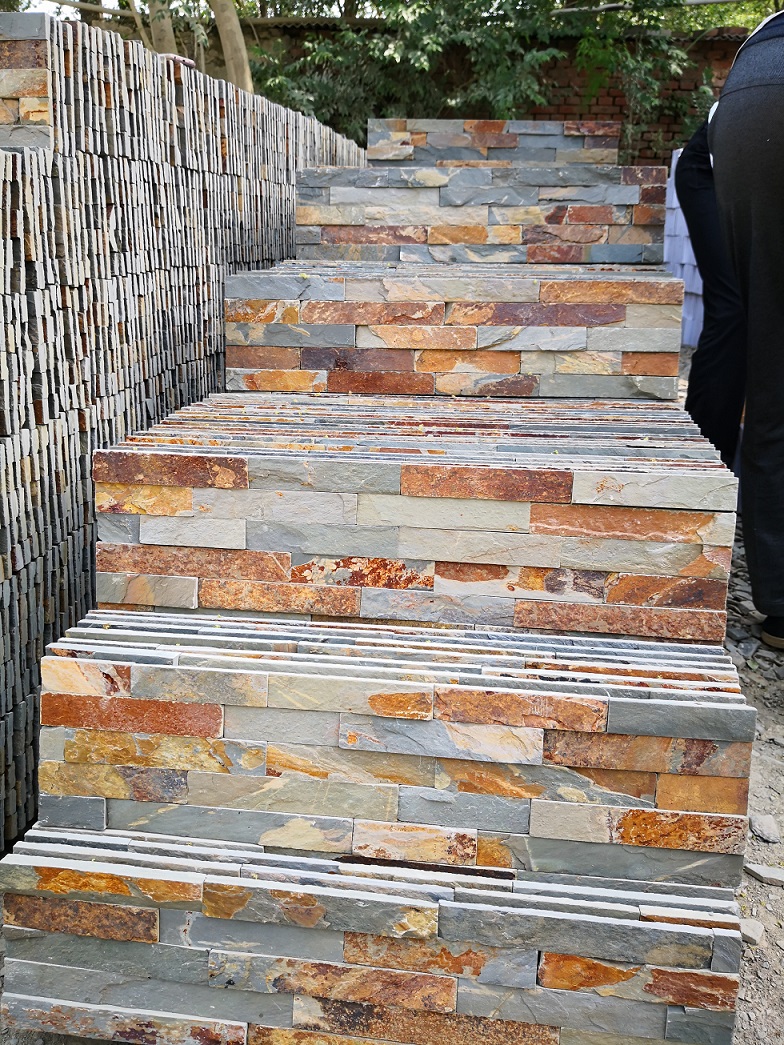
Why Are Reinforced Wood Pallets Non-Negotiable for LCL Shipments?
Reinforced pallets protect 1,000kg stone loads from excessive LCL handling and ensure ISPM-15 compliance, preventing transit damage and costly customs rejections in shared containers.
Risk Mitigation in Consolidated Freight Environments
Shipping natural stone through Less Than Container Load (LCL) channels exposes cargo to significantly higher risks than Full Container Load (FCL). In a shared container, your stone panels sit alongside diverse freight, undergoing multiple loading and unloading cycles at consolidation warehouses. Without reinforced palletization, the constant mechanical vibrations and shifting during transit can lead to micro-fractures in the stone or complete crate failure.
- Vibration Control: Secures natural stacked stone panels against the high-frequency movements common in shared ocean containers.
- Forklift Compatibility: Provides the rigid base necessary for forklifts to safely maneuver crates that weigh between 900kg and 1000kg.
- Handling Protection: Prevents loose-box damage during the 2026 logistical reality of multiple touchpoints at Container Freight Stations (CFS).
Heavy-Duty Plywood Crate Standards for Stone Cargo
Top Source Stone applies specific engineering standards to every LCL shipment to ensure products arrive project-ready. We move beyond basic pallets by utilizing export-grade materials that handle the extreme density of quartzite and slate. These standards prioritize both structural safety and the speed of customs clearance.
- 5-Ply Reinforced Cartons: We pack individual 6” x 24” panels in high-strength export boxes to shield edges from impact within the crate.
- Fumigation-Free Plywood: We use engineered plywood crates that bypass ISPM-15 fumigation delays while easily supporting a 1000kg gross weight.
- The Big 10 Stability: Our best-selling models, like Alaska Gray and Midnight Slate, utilize reinforced strapping and industrial shrink-wrap to eliminate internal load shifting.
- Standardized Footprint: Crates maintain a 110cm x 110cm base for predictable stacking and space optimization in shared containers.
Using these reinforced units ensures that high-value architectural stone remains stable during the 28-35 day transit from China to major Western ports. By controlling the packaging quality at our source factory, we eliminate the common “hidden costs” of pallet reworking or damage claims at the destination.
How Can You Prevent Cargo Contamination in a Shared LCL Container?
Isolate stone using vapor barriers and 5-ply reinforced cartons. Physical segregation from chemicals and moisture-resistant packaging prevent cross-contamination in shared LCL environments.
LCL shipping places your natural stone next to unknown cargo. Leaking chemicals, strong industrial odors, or fine dust from neighboring pallets can ruin the surface of natural quartzite or slate before it reaches your warehouse. Because you cannot control what else the consolidator puts in the container, you must build a protective environment within your own packaging.
Physical Segregation and Incompatibility Management
Protecting natural stone starts with strict adherence to separation protocols. Porous materials like slate and sandstone easily absorb airborne contaminants and moisture, leading to permanent staining or efflorescence during the 30-day transit from our Xingang port facility.
- IMDG Compliance: We follow IMDG Code guidelines to ensure stone shipments stay physically separated from hazardous chemicals, liquids, or foodstuffs that pose a leakage risk.
- Vapor Barriers: We use internal vapor barriers and industrial-grade desiccants inside the packaging to insulate quartzite and slate from humidity and airborne dust.
- Weatherproof Labeling: Durable labels on all four sides of the pallet guide handlers on correct stacking and orientation, preventing the cargo from being placed under leaky or unstable items during deconsolidation.
Reinforced 5-Ply Cartons and Plywood Crate Engineering
Shared containers involve multiple handling touchpoints at the Container Freight Station (CFS). Standard packaging often fails under the pressure of shifting loads or contact with neighboring freight. We utilize engineered packaging to create a structural shield around the stone.
- 5-Ply Reinforced Cartons: We pack all panels into 5-Ply Reinforced Export Grade Cartons (61cm x 15cm x 13cm) to provide a rigid buffer against external contact.
- Plywood Crate Standards: Shipments are secured in 110cm x 110cm fumigation-free plywood crates, which prevent individual box movement and eliminate cross-pallet friction.
- Visual Verification: We conduct pre-shipment visual inspections, providing high-definition photos of the shrink-wrapping and pallet seals to ensure the cargo is perfectly intact before the consolidation process begins.
This two-tiered approach of internal chemical barriers and external structural reinforcement ensures that even in a crowded container, your stacked stone maintains its quarry-fresh appearance. We focus on these technical details so dealers can avoid the margin-draining costs of damaged or contaminated inventory.
Do You Have the Right Wastage Forecast and Insurance Strategy for LCL?
Protect LCL margins by pairing “All Risk” insurance with 5-ply reinforced packaging. Documenting cargo within three days of arrival is mandatory to secure successful claims.
Selecting Insurance Tiers to Offset Shared Container Risks
Shared container environments introduce significantly more touchpoints than full containers. Every time a consolidator moves your pallet at a Container Freight Station (CFS), the risk of impact increases. You need a policy that reflects these specific handling realities rather than just maritime disasters.
- All Risk Coverage: Provides comprehensive protection against theft and rough handling during the multiple loading phases of LCL.
- Named Perils: Limits coverage to specific events like fire or sinking, often leaving you exposed to common forklift damage.
- Premium Benchmarks: Budget between 1% and 1.5% of the total stone cargo value for standard LCL insurance.
- Claim Reporting: Policies typically enforce a strict 3-day window to report damage after de-vanning.
We recommend documenting pallet conditions with high-definition photos immediately upon arrival. Waiting until the stone reaches the final job site usually voids your ability to prove the damage occurred during the ocean leg.
Decreasing Wastage with 5-Ply Reinforced Export Cartons and Visual Audits
Physical protection is the first line of defense against the industry average 3-5% wastage rate. Since LCL cargo often sits beneath unrelated, heavier freight, the structural integrity of the individual box and the master crate determines whether your shipment arrives intact.
- 5-Ply Reinforced Cartons: We use export-grade 5-ply cardboard to prevent box crushing during stacking and transit.
- Plywood/Solid Wood Crates: Heavy-duty crates weighing 900kg to 1000kg ensure stability in high-traffic containers.
- Pre-Shipment Visual Verification: We provide photos and videos of finished crates before the balance payment to confirm packing standards.
- IPPC Compliance: All solid wood crates undergo fumigation to meet ISPM-15 standards, preventing customs rejections.
Our CNC diamond-blade edges provide precision fits for Z-shape and S-shape panels, but that precision is wasted if the corners chip in transit. Using reinforced crates with internal bracing keeps the stone from shifting, ensuring the seamless architectural finish you promised your client remains achievable.
Często zadawane pytania
Why are destination charges typically higher for LCL than for FCL?
LCL shipments require intensive handling at a Container Freight Station (CFS) for unpacking, sorting, and deconsolidation. These additional labor steps and coordination fees often make the per-cubic-meter cost higher than FCL, where the container moves as a single, sealed unit directly to its destination. For volumes exceeding 13 to 15 cubic meters, switching to FCL usually reduces these accumulated overheads.
Which components of a stacked stone shipment are most vulnerable during LCL transit?
The natural stone panels themselves are the most fragile part due to geological variability and the physical stress of shared transport. Because LCL cargo is loaded and unloaded multiple times, the edges of the stone are prone to chipping if not secured. We mitigate this by using CNC diamond-blade precision for tighter fits and matching L-corners to protect transitions during handling.
How does the customs clearance process vary between shared and full containers?
FCL uses a single Bill of Lading, simplifying the process for one consignee. LCL operates under a House Bill of Lading (HBL) within a Master Bill of Lading, creating shared risk. If any shipment in a shared container triggers a customs inspection or documentation error, every importer in that container faces cascading delays and shared examination costs.
How can I prevent stone contamination when my cargo shares space with chemicals?
Stone is protected through physical separation and secondary containment. In a shared storage environment, we ensure a minimum distance of three meters from incompatible materials. Using secondary containment systems that hold 110% of a container’s volume ensures that any chemical leaks are trapped before they can stain or react with the natural minerals in the stone.
What are the standard requirements for wooden crates in international LCL shipping?
All wooden packaging must comply with ISPM 15 standards, which mandate heat treatment or fumigation to prevent the spread of pests. To handle the extra pressure of LCL groupage, we use 5-ply reinforced export-grade cartons and heavy-duty plywood crates that support weights up to 1,000kg per pallet.
What is the best way to track my order milestones during transit?
You can monitor your shipment using the Bill of Lading (BL) or booking number provided after dispatch. Most freight forwarder platforms offer real-time visibility into consolidation status, vessel departures from Xingang port, and estimated arrival dates at your local terminal, allowing for better inventory planning.
SEO
Title: Small Orders, Big Business: Hidden Costs and Packaging Standards for LCL Stone Imports
Description: LCL Natural Stone Shipping: Optimize margins with 17.5-ton USA port standards & 5-ply cartons. B2B factory source. 300m² MOQ.
URL: lcl-natural-stone-shipping
Keywords: LCL Natural Stone Shipping
