

Mastering Post-Import Inventory Mgmt is the primary defense against patchy wall installations and expensive site-level rework. Failure to isolate mineral signatures by quarry batch leads to tonal mismatches that destroy B2B margins and wholesaler reputation.
We benchmark storage protocols against the 125+ psf floor capacity and 1,000kg pallet standards. This analysis uses FIFO rotation and Batch ID tracking to ensure your Big 10 inventory maintains strict color consistency and high capital turnover.
Warehouse Requirements: Floor Load Capacity and Humidity Control
Industrial stone storage requires 125+ psf floor capacity and humidity-controlled zones to prevent pallet failure and preserve high-strength adhesive bonding on 1,000kg stone loads.
Structural Load Limits for Industrial Racking and Concrete Slabs
Standard industrial flooring for natural stone inventory must accommodate uniform live loads of 125 psf or higher. When using vertical racking, the weight concentrates into point loads that can reach 6 to 8 tons over very small footprints. Engineering these zones correctly prevents structural failure and equipment tipping.
- Floor Load: 125 psf minimum for standard storage; 250 psf for high-density heavy stone zones.
- Slab Thickness: 3-8 inches of reinforced concrete to manage concentrated rack point loads.
- Compression Threshold: Concrete must resist failure above 7,112 psi in high-traffic racking aisles.
- Regulatory Codes: Strict adherence to IBC and ASCE 7 standards prevents slab cracking under 1,000kg pallet weights.
Logistics Specs for Pallet Weight and Packaging Moisture Management
Górny kamień źródłowy pallets range from 900kg to 1,000kg. This mass places significant stress on the bottom layers of the stack. Controlling the warehouse environment is necessary to maintain the structural integrity of the reinforced export packaging and the stone panels themselves.
- Pallet Mass: Calculate floor stress based on a standard 1,000kg plywood crate footprint.
- Material Density: Rough Stacked Stone averages 55kg per square meter, requiring specialized handling equipment.
- Moisture Protection: Maintain low humidity to prevent 3 or 5-ply BC Flute cartons from softening and collapsing.
- Adhesive Integrity: Avoid extreme temperature fluctuations to preserve the high-strength structural adhesive used in the panel bonding system.
Properly engineered storage prevents product loss. If moisture compromises the reinforced cartons, the stack becomes unstable, risking both the inventory and worker safety. Warehouses must prioritize dry, high-capacity flooring to manage the 20-pallet loads typical of a 20GP container arrival.

Tracking Batches: Why You Must Never Mix Different Import Batches on One Wall
Mixing batches creates a patchwork effect. We use high-level color blending and pre-shipment photos to ensure tonal harmony across your 20GP container orders.
The Impact of Quarry Layer Shifts on Color Harmony
Natural stone is a geological snapshot, not a factory-printed ceramic. Deep quarry layers and different mountain faces yield unique mineral signatures. These shifts cause slight but visible color variations between import batches. If an installer mixes separate batches on a single architectural surface, the result is a jarring patchwork of inconsistent tonal transitions.
Beyond the visual failure, commingling batches destroys project traceability. Mixing crates makes it impossible to isolate specific production lots if a defect arises. Maintaining strict separation ensures that every 6″ x24″ panel on a feature wall shares the same mineral DNA and origin.
Implementing Batch Color Consistency and Visual Verification
Górny kamień źródłowy eliminates the “patchy wall” risk through a disciplined manufacturing protocol. We treat color uniformity as a technical specification rather than a suggestion. We strictly manage inventory to protect the aesthetic integrity of high-end commercial and residential cladding projects.
- High-Level Color Blending: Our sorting teams manually blend stones during the glue-up process to ensure tonal uniformity within every production batch.
- Pre-Shipment Visual Verification: We provide detailed photos and videos of the actual finished crates before the 70% balance payment. This protects your cash flow and guarantees transparency.
- Batch Labeling: Every plywood crate carries specific batch IDs to prevent mixing during 20GP container loading (approx. 17.5 to 26.5 tons per shipment).
- Material Integrity: We use 100% natural quartzite, slate, and marble, ensuring “Real Stone, Real Value” for every square meter shipped.
| Control Metric | Top Source Stone Protocol | Industry Standard Mixed Imports |
|---|---|---|
| Tonal Sorting | Active blending during production | Random crating by quarry run |
| Traceability | Unique batch IDs per crate | Obscured lot origins |
| Quality Assurance | Pre-shipment video/photo verification | Blind shipping with no visual proof |
| Installation Risk | Harmonized, seamless visual flow | High risk of patchwork/tonal seams |
By focusing on batch consistency, we protect the margins of our B2B partners. We don’t sell to end-users, so our priority remains providing wholesalers with inventory that installs quickly and looks exactly like the sample. This disciplined approach minimizes site-level complaints and expensive tear-outs caused by color mismatching.

FIFO vs. LIFO: Managing Inventory Flow for Color Consistency
FIFO rotation prevents batch mixing, ensuring large-scale projects maintain color consistency by shipping stone from the same quarry block and production cycle.
FIFO (First-In, First-Out) ensures that the earliest imported stone batches are sold before newer arrivals. This practice is essential for natural stone because color variations occur naturally between quarry blocks. Rotating stock prevents the accidental mixing of divergent batches on a single project site, which is the primary cause of aesthetic rejection in the B2B sector.
| Management Factor | FIFO (Recommended) | LIFO (Avoid) |
|---|---|---|
| Batch Tracking | Maintains chronological lot sequence. | Risks mixing different production years. |
| Aesthetic Integrity | High; panels match original quarry blocks. | Low; high risk of shade variance on one wall. |
| Warehouse Health | Prevents “buried” stock and packaging rot. | Older stock stays at the back, accumulating dust. |
Operational Benefits of FIFO Rotation for Stone Wholesalers
Wholesalers managing high-volume items like Alaska Gray or California Gold rely on systematic rotation to keep inventory fresh. Stagnant inventory doesn’t just tie up cash; it physically degrades in a warehouse environment. Using FIFO protocols protects the distributor’s margin by ensuring every crate sold meets the same quality standard as the day it arrived.
- Inventory Health: Prevents older crates from becoming “stale” or buried behind newer shipments.
- Packaging Integrity: Reduces the risk of dust accumulation or packaging degradation on long-term stock.
- Color Range Control: Keeps high-volume Quartzite and Slate items within acceptable shade tolerances.
- Project Scaling: Allows distributors to track lot numbers so commercial projects receive panels from the same import cycle.
Batch Color Consistency and Systematic Sorting Protocols
Top Source Stone implements batch color consistency through rigorous sorting during the assembly of 6 inch x 24 inch panels. Warehouse FIFO systems protect the work done during our pre-shipment visual verification process. By keeping consistent lots together, you ensure the installer doesn’t end up with a “patchy” wall that leads to expensive rework and claims.
- Source Management: Groups direct quarry materials by block to preserve natural color flow.
- Quality Protection: Aligns warehouse flow with the factory’s pre-shipment visual verification.
- Traceability: Uses unique batch IDs to isolate production months and prevent shade mixing.
- Standardized Dimensions: Maintains lot control for both Flat and Rough stacked stone to ensure 100% interlocking accuracy.
Premium Natural Stone Panels for Professionals
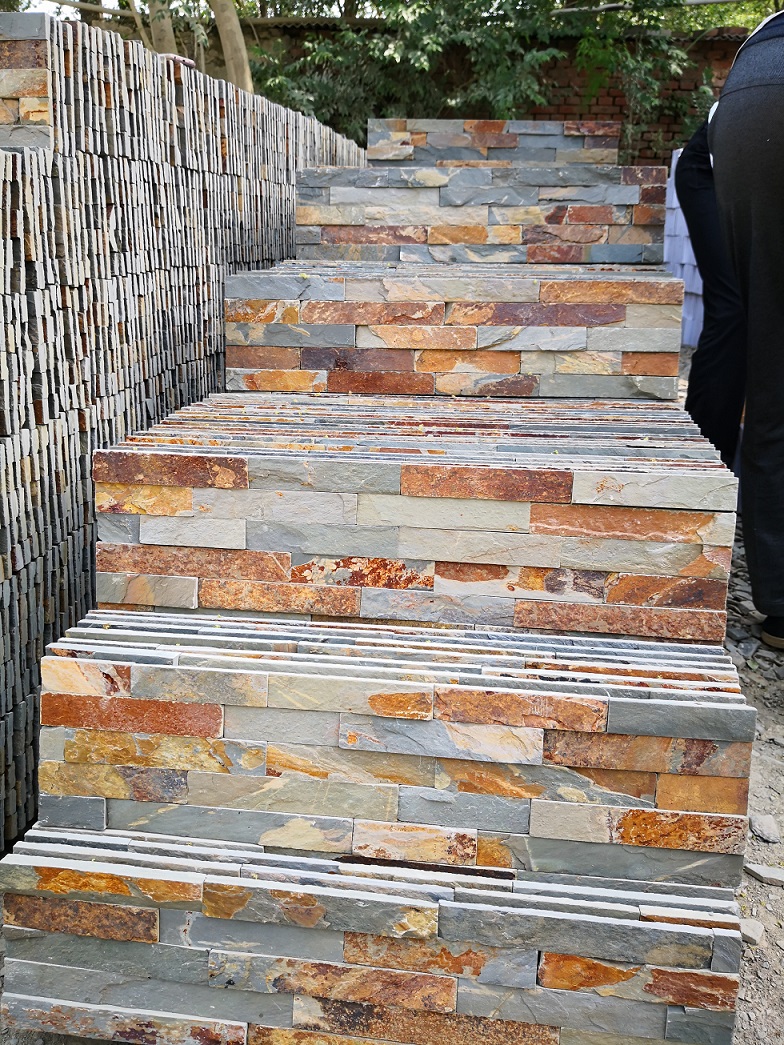
SKU Management: Organizing Panels, Corners, and Samples
Physically separate 6×24 flats from L-corners and group by density to eliminate picking errors and prevent pallet failure during high-volume stone fulfillment cycles.
Categorizing Components by Functional Geometry
Mixing different panel shapes in a single racking aisle is the fastest way to blow your fulfillment accuracy. Standard 6×24 inch ledger panels and their matching L-shaped corner units often look identical in dim warehouse lighting, but they serve entirely different structural purposes. Picking errors lead to expensive site delays and return freight costs that eat into B2B margins.
- Functional Zones: Designate dedicated picking lanes for standard 6×24 inch flat panels and separate zones for L-shaped corners.
- Profile Segregation: Group inventory by interlocking geometry to prevent mixing Z-shape and S-shape panels.
- Color-Coded Identification: Apply high-visibility labels to distinguish between Quartzite (HS 6802.9311), Slate (HS 6803.0090), and Marble materials.
Installers rely on our “Seamless Z-Shape Interlock” for a grout-free finish. If a warehouse worker mistakenly ships S-shape panels with Z-shape corners, the edges will not align, resulting in visible vertical seams. Visual management on the floor ensures the batch color consistency Top Source Stone is known for remains intact from crate to wall.
Standardizing Storage for Export-Grade Packaging and Samples
Stone is heavy and unforgiving. Organizing a warehouse around the physical specs of 5-ply BC flute reinforced cartons and 1000kg pallets is a safety requirement, not a suggestion. We optimize our 2026 logistics standards to ensure racking can handle the high-density loads typical of the Big 10 Inventory colors like Alaska Gray and California Gold.
- Racking Load Ratings: Calibrate rack capacity for 900-1000kg plywood pallets to support reinforced 5-ply cartons.
- Sample Velocity Area: Maintain a front-of-house fulfillment zone for the Big 10 Inventory to speed up sample distribution to retail dealers.
- Inventory Balancing: Store corner unit stock in a 1:5 ratio with flat panels, matching the 48-carton or 60-carton pallet configurations.
Warehouse managers must track weight variations between materials. A pallet of Rough Ułożony kamień weighs significantly more than Pencil ledger panels due to the thickness and density of the natural stone. Adhering to these palletization configurations prevents floor load failure and protects the “Profit Protection” promise we make to our wholesale partners.
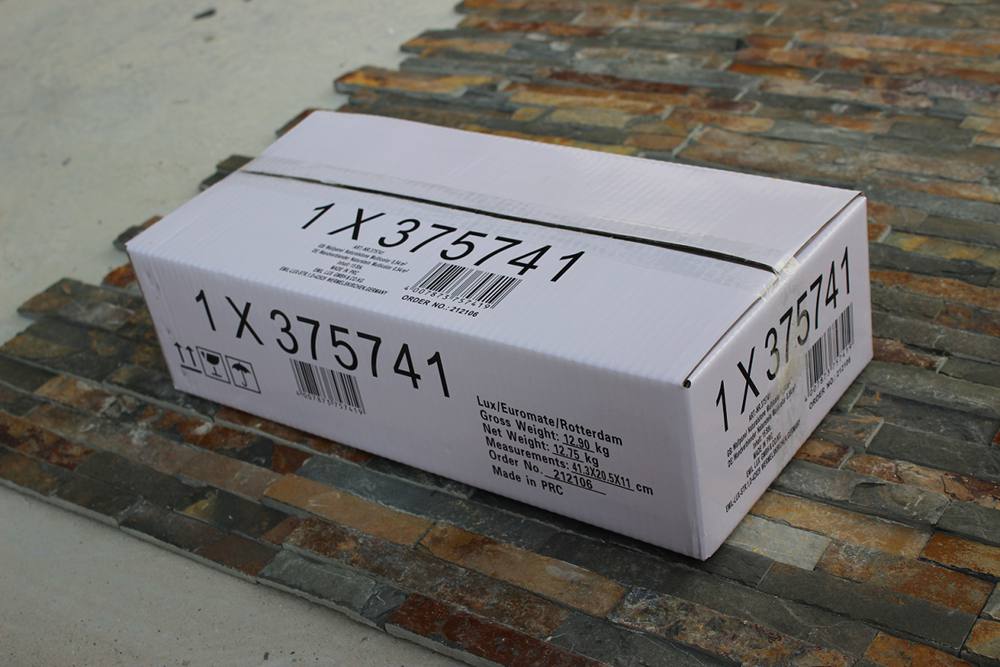
Preventing Warehouse Damage: Proper Forklift and Racking Protocols
Protect racking via OSHA-compliant guarding and bollards. Use export-grade 5-ply cartons and plywood crates to ensure load stability and prevent structural failure during high-reach maneuvers.
Warehouse managers often underestimate the specific stress natural stone puts on racking systems. While general cargo is light and forgiving, a single stone pallet concentrates up to 1,000kg onto a small footprint. This creates high point loads that can compromise floor slabs or rack uprights if not managed with industrial-grade precision.
Implementing Impact Protection and Aisle Clearances
The most common cause of rack failure is forklift impact at the aisle ends. Minor bumps accumulate over time, weakening the steel until a localized collapse occurs. Install physical barriers to separate heavy machinery from structural components.
- OSHA 29 CFR 1910.176: Mandates guards and bollards at high-impact zones to protect racking frames.
- ANSI MH16.1-2023: Sets the benchmark for seismic stability and rack deflection limits.
- Bollard Specs: Floor-mounted steel bollards must withstand the full force of a moving 4-ton forklift.
- Aisle Clearance: Set minimum widths based on the specific turning radius of your reach trucks to prevent corner clips.
Conduct weekly visual inspections. Look for loose floor anchors or any rack upright deflection. Even a slight bend in a vertical support reduces its load-bearing capacity by more than 50%.
Load Stability via Export-Grade Palletization and Crating
Safe racking starts with the crate. If the base is unstable, the load shifts during high-reach maneuvers, creating dynamic forces that racks aren’t designed to handle. Top Source Stone standardizes packaging to fit industrial rack beam depths perfectly.
- Crate Dimensions: 110cm x 110cm x 68cm plywood crates provide a square, non-shifting base.
- Weight Rating: We maintain a maximum gross weight of 900kg – 1000kg per pallet to stay within industrial racking safety margins.
- Carton Strength: 5-ply BC flute export-grade reinforced cartons prevent the stone panels from sliding within the crate.
- Internal Protection: High-density foam inserts minimize internal movement during transit.
Stick to a strict “no-stacking” policy for stone pallets unless they are specifically designed for it in floor-block storage. When placing these units on beams, ensure the plywood pallet is centered to distribute weight evenly across both front and rear beams.
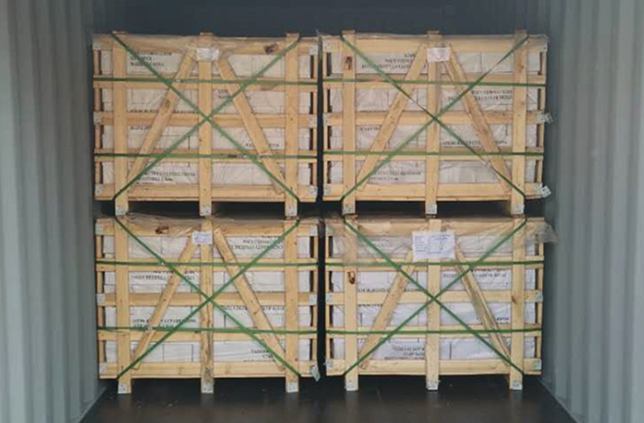
Digital Inventory Tracking: Using Software to Predict Re-Order Points
Digital tracking replaces manual logs with real-time factory synchronization, preventing stockouts on high-demand stone panels while optimizing capital for B2B distributors.
Automating Stock Levels with Real-Time Perpetual Data
Manual entry is the primary cause of stock discrepancies in stone distribution. Switching to barcode or RFID scanning allows warehouses to reach over 95% inventory accuracy. This transition eliminates the 5-10% error rate common in paper-based logs.
Software now identifies seasonal spikes for natural stone demand ahead of 2026 construction cycles. Automated alerts prevent understocking popular ledger panels. These systems use turnover ratio analytics to ensure your warehouse space remains dedicated to high-velocity products.
Aligning Software Triggers with Factory Production Cycles
Inventory software must account for specific factory timelines to be effective. Top Source Stone operates on a 20-25 day production lead time for a 20GP container. Re-order algorithms should trigger based on this window plus the 10-15 day dispatch time to Xingang port.
- Core SKU Priority: Alaska Gray and Glacier White require constant “Ready-to-Ship” triggers.
- Container Capacity: Re-order points should batch items to fill the 20-pallet container limit.
- Lead Time Buffer: Factoring the 25-day production cycle prevents mid-season stockouts.
Managing re-orders around the 20-pallet limit maximizes your profit margin per shipment. This data-driven approach ensures you utilize the full loading capacity of the container while keeping your “Big 10” inventory models in stock. By synchronizing software triggers with our actual production specs, you maintain high service levels without overextending your working capital.
Inventory Logistics: The Competitive Edge
Mixed-batch imports and substandard packaging create hidden costs that quickly erode wholesale margins through site claims and warehouse breakage. We eliminate these variables by providing batch-consistent panels and export-grade 5-ply reinforced cartons designed for high-density industrial racking. Choosing a direct quarry partner with disciplined logistics ensures your stock remains a high-turnover asset rather than a liability of mismatched inventory.
Request a sample kit of our “Big 10” inventory colors to verify our seamless Z-shape interlock and tonal harmony firsthand. We provide detailed pre-shipment video verification for every 20GP container order to protect your cash flow and reputation before the balance payment. Contact our team to discuss private label options or to secure your next container shipment from our current production cycle.
Często zadawane pytania
What is the best method for tracking color batches in an ERP system?
Assign unique batch numbers that encode the production date and specific color identifier (e.g., YYMMDD-ColorCode). Use real-time barcode scanning to manage these lots post-import. This prevents color mismatches on large-scale walls and reduces labor waste by roughly 22% by eliminating manual data entry errors. Top Source Stone ensures high-level color blending during the initial sorting process to maintain batch consistency and avoid patchy installations.
How many months of stock should a stone distributor maintain to avoid shortages?
Maintain 1-2 months of forward supply, typically 30-60 days, to balance lead times against cash flow. Target an inventory turnover of approximately 8x per year. This strategy prevents stockouts without incurring the high carrying costs associated with excessive inventory buildup. For high-demand items like Alaska Gray or Glacier White, rely on real-time Warehouse Management Systems (WMS) to maintain 95%+ accuracy.
What floor load capacity does a natural stone warehouse require?
Standard heavy storage requires 250 psf (12 kN/m²), but stone pallets create high concentrated point loads. Ensure warehouse floors use reinforced concrete rated for 4,000–6,000 psi to handle localized pressures reaching 4,645 psi. This prevents structural cracking during forklift operations, especially when handling 20GP containers that weigh between 17.5 and 26.5 tons.
Is outdoor storage under a tarp safe for stacked stone panels?
Tarps alone provide insufficient protection against moisture and staining. While natural quartzite and slate are durable, use polythene-lined plywood crates for outdoor storage to prevent frost damage and wood-tannin staining. Follow ASTM C616 and C629 standards by keeping crates elevated and protected from direct ground moisture. This preserves the high-strength structural adhesive used in the stone’s backing technology.
How can a business manage leftover remnant pieces profitably?
Implement ABC categorization to identify low-volume remnants and set minimum stock thresholds for automatic liquidation. Use real-time inventory tracking to maintain at least 98% accuracy. This allows you to bundle slow-moving stock for clearance sales, reclaiming warehouse space and capital while protecting margins for your primary B2B inventory.
