
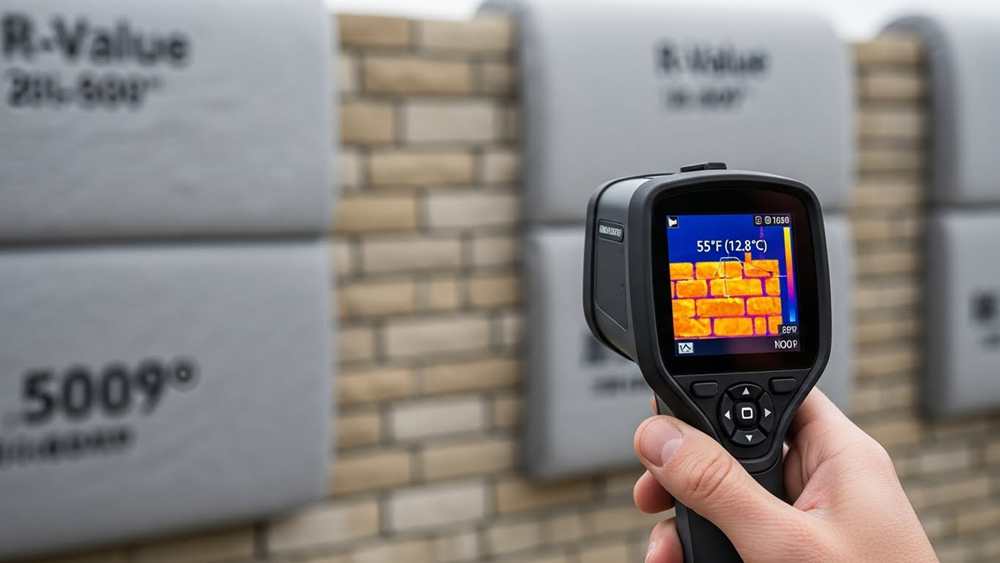
Implementing 12. Winter Protocols is the only way to prevent structural delamination and the catastrophic financial loss of spring-time facade failures. When temperatures drop below the 40 degree threshold, cement hydration stops, turning a premium installation into a liability that triggers expensive warranty claims and ruins subcontractor reputations.
We maintain project integrity by pairing site climate control with ASTM-standard freeze-thaw resistant materials from the Big 10 inventory. Utilizing 100% natural quartzite and slate with same-batch quarry consistency ensures that every panel bond survives extreme thermal cycles without the risk of moisture-driven shearing.
Why 40°F (4°C) is the Critical “Red Line” for Mortar Safety
40°F is the point where cement hydration stalls. Falling below this threshold prevents mortar from developing the bond strength required for heavy natural stone, leading to structural failure.
Cement hardening is not a simple drying process. It is a chemical reaction known as hydration that generates its own heat. When ambient temperatures drop toward the 40°F mark, this reaction slows to a crawl. If the temperature dips further, the chemistry stops entirely, leaving the mortar in a vulnerable, un-bonded state.
The Impact of Sluggish Cement Hydration
For B2B projects where structural integrity is non-negotiable, understanding the 40°F threshold is vital. Mortar that fails to hydrate properly will never reach its specified load-bearing capacity, regardless of how much time passes after the temperature rises.
- Chemical Activity: Cement hydration requires temperatures strictly above 40°F (4.4°C) to stay active and form crystalline bonds.
- Strength Development: Below this limit, the reaction stalls, resulting in minimal compressive strength development for the mortar bed.
- Temperature Window: Industry standards dictate that fresh mortar must be maintained between 40°F and 120°F to ensure it reaches its rated performance.
Ensuring Freeze-Thaw Resistance in Cold Climates
Górny kamień źródłowy products, including our Slate and Quartzite series, are engineered to meet ASTM freeze-thaw resistance standards. But even the highest quality natural stone will delaminate if the mortar substrate is compromised by cold-weather installation errors.
- Regional Compliance: Respecting the 40°F red line is mandatory for northern US and Canadian projects during the 2026 winter construction cycle.
- Substrate Integrity: Natural Quartzite and Slate require a fully hydrated, high-strength bond to prevent stone panels from shearing during extreme thermal shifts.
- Failure Prevention: Proper temperature management during the first 48 hours is the only way to guarantee the “Premium Nature” of the stone translates into a permanent architectural fixture.

Do Anti-Freeze Additives Compromise Long-Term Bond Strength?
Antifreeze additives prevent freezing but compromise long-term mortar bonds. They increase porosity and can slash compressive strength by 50%. Limit additives to 1-2% or specify ASTM-rated natural stone.
The Impact of Increased Porosity and Disrupted Hydration
Antifreeze admixtures often act as unintentional plasticizers during the mixing process. While these chemicals keep the mortar workable in sub-zero temperatures, they introduce microscopic air bubbles into the matrix. This aeration fundamentally weakens the density of the mortar bed before it even begins to cure.
- Hydration Interference: Chemical additives disrupt the crystal formation necessary for cement to create a permanent, structural bond with the stone substrate.
- Strength Loss Data: Modified mortar specimens show dramatic performance drops, losing nearly 50% of their compressive strength after 55 freeze-thaw cycles.
- Chemical Degradation: High concentrations of antifreeze increase drying times and accelerate the long-term breakdown of the inter-particle bonds within the mortar.
Dealers should advise installers that these additives are a compromise, not a cure. Over-reliance on chemical accelerators without temperature management leads to brittle joints that fail during the spring thaw.
Leveraging ASTM-Standard Freeze-Thaw Resistance for Climate Durability
Sourcing low-porosity, high-density materials helps mitigate the risks associated with mortar additives. When the stone itself resists moisture infiltration, the bond remains protected from the internal pressures of expanding ice.
- ASTM Durability: Top Source Stone products utilize 100% natural Quartzite and Slate that meet strict ASTM freeze-thaw resistance standards for northern markets.
- The Big 10 Inventory: High-density models like Alaska Gray and Sierra Blue Quartzite reduce weight loss during extreme thermal cycles common in 2026 climate zones.
- Concentration Limits: Restricting antifreeze to 1-2% of total cement weight preserves the necessary balance between winter workability and long-term bond longevity.
- Environmental Stability: Natural stone provides inherent UV and salinity resistance, ensuring the facade remains stable even if the secondary mortar requires slight chemical modification.
We focus on “Same-Batch Quarry Consistency” to ensure that the material density is uniform across the entire project. This uniformity prevents patchy failures where some stones absorb more moisture than others during freeze cycles.
Scale Your Business with Premium Natural Stone
Tenting and Insulation: Creating Controlled Curing Environments
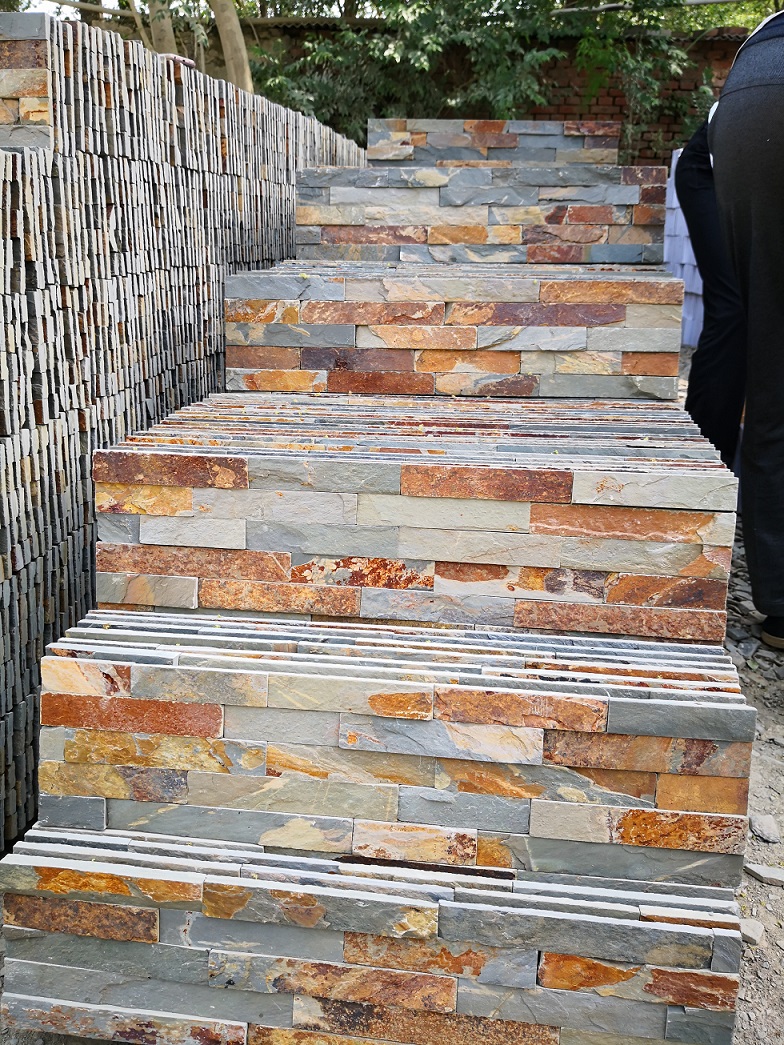
Thermal enclosures and R-value blankets maintain substrates above 40°F, preventing frozen mortar and ensuring natural stone installations meet structural 2026 building standards.
| Infrastructure Component | Technical Requirement | Operational Function |
|---|---|---|
| Curing Tents | Hot-dip Galvanized Frames | Portable weather & wind shield |
| Heating Units | 68,000 – 3,400,000 BTU | Internal air temp regulation |
| Vapor Diffusers | Steam Distribution Networks | Prevents premature mortar drying |
| Insulated Blankets | High R-Value ratings | Prevents substrate heat loss |
Thermal Enclosure Infrastructure and Vapor Management
Maintaining a controlled microclimate requires specialized physical components designed for extreme environments. These systems replace unpredictable winter variables with stable, repeatable conditions for the installation team.
- Structural Frames: Retractable curing tents using hot-dip galvanized steel provide a portable, weather-resistant workspace that collapses for easy relocation.
- Environment Skins: UV-resistant, non-flammable tarps shield the stone surface from snow, ice, and wind chill factors that accelerate heat loss.
- Humidity Distribution: Vapor diffusers and steam networks maintain localized humidity levels so mortar does not dry out in the low-moisture winter air.
- BTU Output: Integrated heating units ranging from 68,000 to 3,400,000 BTU regulate internal air to ensure consistent thermal distribution across the facade.
Protecting ASTM Freeze-Thaw Resistance and Epoxy Bonds
Insulation protocols directly impact the long-term durability of Top Source Stone natural panels. Without thermal stability, the chemical bonds within the stone and the mortar matrix cannot reach their engineering specs.
- ASTM Preservation: Controlled environments protect the freeze-thaw resistance of natural slate and quartzite panels during the vital 72-hour setting window.
- Chemical Cross-linking: Sustained heat ensures the high-strength epoxy resins used in factory panel assembly reach maximum chemical bond strength.
- Thermal Barrier: Heavy-duty insulated blankets with specific R-value ratings prevent heat from migrating from the substrate into the colder structural wall.
- Stress Prevention: Maintaining stable temperatures protects the quarry-sourced consistency of the stone by preventing expansion-contraction stress during the initial cure.
The Danger of “Flash Freezing” and Spring-Time Facade Failure
Flash freezing triggers a 9% volume expansion in trapped moisture, shearing stone from substrates. These failures often remain hidden until spring thaws melt the ice acting as temporary adhesive.
Why Trapped Moisture Triggers Structural Delamination
The physics of cold-weather masonry failure centers on the 4°C (40°F) threshold. Below this point, cement hydration slows or stops entirely, preventing mortar from developing the bond strength needed to resist internal pressures. When water enters the system, it becomes a mechanical wedge that destroys the facade from the inside out.
- Volumetric Expansion: Water trapped in pores or behind panels expands by approximately 9% as it turns to ice, creating massive internal pressure.
- Mechanical Shearing: Repeated cycles of freezing and thawing enlarge micro-cracks, eventually “popping” the stone out of the mortar bed.
- The “Ice Glue” Effect: Facade failures are often invisible in winter because frozen water acts as a temporary adhesive, holding loose stones in place until the spring thaw.
- Infiltration Points: Failed sealants and improper flashing at roof-to-wall junctions allow wind-driven rain to saturate the cladding system before a freeze.
Ensuring ASTM-Standard Freeze-Thaw Resistance
Dealers and wholesalers in northern climates cannot rely on cement-based faux imitations, which lack the density to withstand extreme thermal cycles. Structural integrity starts with material selection and manufacturing protocols designed to minimize moisture absorption and thermal stress.
- 100% Natural Minerals: Top Source Stone utilizes Slate and Quartzite, which possess higher density and lower porosity than manufactured imitations.
- ASTM Compliance: Our panels meet the strict durability requirements for freeze-thaw resistance in extreme US and Canadian climates.
- Thermal Stability: Natural stone offers superior UV and thermal resistance, preventing the warping that creates entry points for moisture.
- Same-Batch Quarry Consistency: Sourcing from the same quarry vein ensures uniform thermal expansion across the wall, reducing stress on the mortar bond.
Post-Installation Monitoring During the First 72 Hours
Maintain enclosures above 40°F for 72 hours to ensure proper mortar hydration and achieve full ASTM-rated freeze-thaw resistance before heating systems are removed.
The first 72 hours represent the most vulnerable phase for winter masonry. Professionals must keep consistent enclosure temperatures to allow the mortar to cure. This monitoring phase prevents flash freezing and ensures the stone panels reach their engineered strength before exposure to the elements.
Critical Curing Benchmarks for Cold-Weather Bond Stability
Mortar requires a specific temperature range to complete the chemical hydration process. When temperatures drop below the 40°F threshold, the bond strength development stops, which can lead to structural failure once the wall is put into service.
- Thermal Maintenance: Maintain heated enclosures for at least 72 hours so mortar reaches the compressive strength needed to resist ice crystalline growth.
- Flash Freeze Prevention: Monitor for surface moisture turning to ice, as this halts chemical hydration and causes future delamination.
- Substrate Tracking: Utilize digital manometers or thermal sensors to track temperatures at the substrate level instead of relying on ambient air readings.
- Seam Inspection: Check for uniform drying across interlocking Z-shape seams to verify that vertical joints do not harbor excess moisture.
Verifying ASTM Freeze-Thaw Resistance and Joint Integrity
Górny kamień źródłowy panels are engineered for durability, but their performance depends on the integrity of the initial set. We verify that the 100% natural stone units and the substrate are behaving as a synchronized system during the curing window.
- Edge Alignment: Verify that CNC diamond-blade edges remain flush and tight, which confirms the substrate has not experienced excessive thermal contraction.
- Efflorescence Control: Confirm that Quartzite and Slate panels show no signs of surface efflorescence, a common issue when moisture is trapped by rapid temperature drops.
- Warranty Validation: Document site conditions to validate the manufacturer’s freeze-thaw resistance warranty and prove the environment matched engineered tolerances.
- Corner Integrity: Inspect matching L-Corners for synchronized movement with main wall sections to prevent stress cracks at 90-degree transitions.
SEO
Title: Winter Masonry: Safe Installation Protocols for Freezing Climates
Description: Winter Stone Installation: ASTM freeze-thaw resistant natural stone. B2B factory sourcing. 300sqm MOQ. Protect your 2026 project ROI.
URL: winter-stone-installation-wholesale-protocols
Keywords: Winter Stone Installation
