

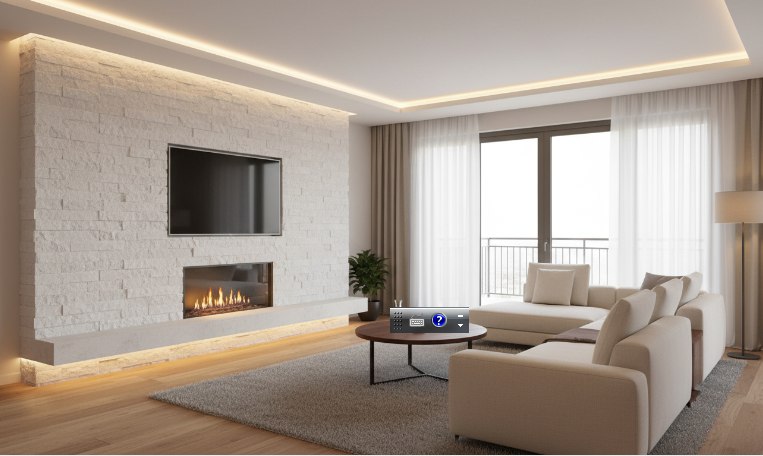
Sourcing stone materials through intermediaries often adds unnecessary layers of cost and logistical uncertainty to commercial projects. Moving to a direct factory model allows businesses to bypass these markups while gaining tighter control over production schedules and material quality. By partnering directly with stacked stone manufacturers, companies can achieve 15-25% savings on material acquisition and reduce project waste factors to a stable 5-8%.
This guide breaks down the essential steps for vetting suppliers, from conducting remote factory audits to verifying ISO 9001:2015 certifications and ASTM C1670 compliance. We examine the financial impact of markup elimination, the technical differences between OEM and ODM services, and the specific inspection metrics required to ensure batch consistency. You will also find a detailed analysis of 20-30 day lead time standards and strategies for protecting intellectual property in custom stone designs.
Manufacturer vs. Trading Company: Cost and Risk Breakdown
Direct manufacturer sourcing typically yields 15-25% savings by removing intermediary markups. While trading companies offer variety, direct factory partnerships ensure 20-30 day lead times and multi-stage quality control, reducing waste factors to 5-8% compared to higher distributor variances.
Financial Impact of Direct Sourcing and Markup Elimination
Direct factory sourcing reduces material acquisition costs by 15-25% compared to distributor pricing. When sourcing natural stacked stone directly from manufacturers like Top Source Slate, prices generally range from $10-20 per square foot. This price advantage stems from the elimination of layers of logistics and handling fees that trading companies typically add, which can inflate final unit pricing by up to 25%.
Beyond the purchase price, factory-engineered interlocking panel systems facilitate significant labor savings. These systems allow for 40-60% faster installation, effectively bringing labor costs down to a range of $4.50 to $7.00 per square foot. Buying direct ensures these technical specifications remain consistent, preventing the cost overruns associated with incompatible or poorly fitted components often found in mixed-source trading inventories.
Supply Chain Stability and Quality Control Benchmarks
Direct manufacturers maintain 20-30 day lead times through integrated quarry sourcing in established stone regions like Hebei. This vertical integration allows for tighter scheduling and predictable delivery windows. In contrast, trading companies often face extended lead times of 4 to 8 weeks because they rely on variable geology matching and indirect logistics networks that are susceptible to third-party delays.
Quality assurance protocols also differ between these two sourcing models. Manufacturers implement three-stage inspections, including post-cut, post-assembly, and pre-pack checks, to ensure dimensional stability. These rigorous factory-controlled production standards limit waste factors to 5-8%. Distributors and traders often lack the ability to verify production at the source, leading to variances that can push waste factors as high as 10-15%, impacting the overall project margin.
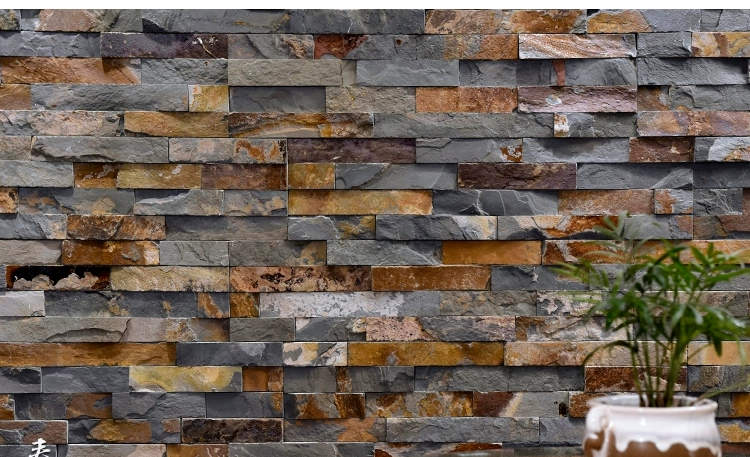
How to Conduct a Remote Factory Audit (Video & Documentation)
A robust remote audit follows a four-step sequence: risk-based pre-assessment, document review of ISO 9001/QC logs, a live video tour following material flow from blocks to packing, and a final findings evaluation. This method uses real-time ICT tools to mitigate sourcing risks without immediate on-site travel.
| Audit Phase | Key Activities | Required Evidence |
|---|---|---|
| Document Review | Verification of QMS and certifications | ISO 9001 logs, CAPA records, licenses |
| Live Video Tour | End-to-end material flow inspection | Real-time footage of cutting and packing |
| ICT Testing | Signal and connectivity verification | Pre-audit signal check in production zones |
Document Verification and Quality System Review
Effective remote verification begins with a structured document request package. We require manufacturers to provide current business licenses, factory layouts, and ISO 9001 certifications to establish baseline legitimacy. These documents allow us to map the facility’s capacity against stated production volumes before the live session begins.
Detailed quality logs serve as the primary evidence for process consistency. We analyze dimensional check records and stone strength testing reports to confirm the material meets structural requirements. Reviewing calibration logs for infrared cutting equipment ensures that the precision machinery used for stacked stone panels maintains tight tolerances over time.
We also examine Corrective and Preventive Action (CAPA) logs alongside worker training records. This review confirms that the factory identifies production errors and implements standardized safety and precision protocols. Verifying the supplier list and raw material source documentation ensures the stone originates from stable, high-quality quarries rather than inconsistent secondary markets.
Live Video Protocols and Material Flow Assessment
The live video portion simulates an on-site visit by following a 2026 material flow standard. The camera tracks the journey of the stone from incoming block inspection through cutting and calibration lines. By observing the assembly and final packing stages in real-time, we can verify that the factory’s physical operations align with their written quality manuals.
During the tour, we direct camera movement to critical points such as high-strength epoxy bonding stations. We specifically look for Z-shape panel interlocking checks to ensure a seamless fit for the end user. These unscripted walk-throughs allow us to inspect specific machines, worker PPE, and batch IDs that pre-recorded videos might overlook.
Technical reliability is a priority for virtual inspections. We perform an ICT signal test in all production areas prior to the audit to prevent connectivity drops in noisy or shielded factory environments. To support the live findings, we capture time-stamped photos and system screenshots of ERP or MES logs, which allows us to cross-check the live footage against digital production records for total transparency.
Decoding OEM vs. ODM Services in the Stone Industry
Stone OEM focuses on custom-built designs with buyer-owned tooling and intellectual property, taking 1-6 months for development. ODM utilizes a factory’s existing mold library for faster 2-4 week market entry, offering private labeling with limited design exclusivity.
OEM Customization and Intellectual Property Ownership
Original Equipment Manufacturing (OEM) in the stone sector allows brands to dictate every technical aspect of a product. Buyers manage the design process from initial sketches to 3D models, specifying exact panel dimensions such as 150×600 mm, joint layouts, and specific interlocking edge treatments. This model ensures the final product remains unique to the brand, preventing competitors from sourcing identical stone panels.
We build dedicated molds and fixtures specifically for these drawings. Because these tools are unique, the development phase typically spans 1 to 6 months to accommodate mold fabrication, first-article sampling, and rigorous performance validation. This validation includes testing breakage rates during transit and ensuring seamless installation of the interlocking profiles.
Legal protections remain a primary driver for the OEM model. Contracts explicitly assign all copyrights, design patents, and derivative rights to the buyer. Since the buyer pays for the exclusive tooling, the factory cannot legally use these molds for other clients. This arrangement protects profit margins by making it difficult for other distributors to offer the same aesthetic at lower prices.
One operational trade-off involves the financial commitment required. Custom OEM programs often demand higher minimum order quantities (MOQ). Factories set these higher thresholds to amortize the costs of specialized mold fabrication and the setup time required for non-catalog production runs.
ODM Private Labeling and Rapid Market Deployment
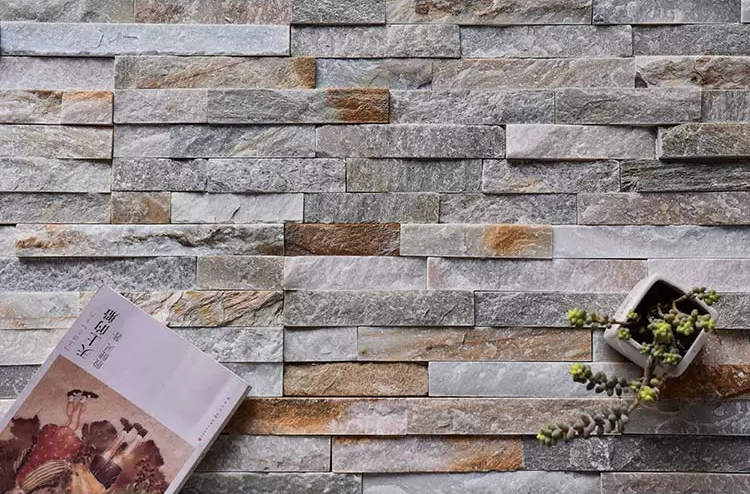
Original Design Manufacturing (ODM) provides a faster route to market by leveraging the factory’s existing assets. Factories maintain an extensive library of surface patterns and panel geometries that are already production-ready. By selecting from these pre-validated designs, brands can launch new SKUs in as little as 2 to 4 weeks, bypassing the lengthy research and development cycle.
This model lowers upfront costs significantly. Since the molds and packing specifications already exist, buyers avoid heavy investment in tooling and engineering. The primary customization involves cosmetic changes, such as private labeling, branded packaging, or specific color blends applied to the standard factory profiles.
Ownership structures differ fundamentally in ODM agreements. The intellectual property for the base profiles and stone textures stays with the factory. Most standard contracts grant the buyer only a non-exclusive license to sell the product. This means the factory can technically offer the same base design to other importers or online sellers unless specific protections are negotiated.
To secure market share, buyers must define exclusivity through clear contractual terms. Current standards for 2026 often involve limiting exclusivity by territory—such as North American regions—or by sales platforms. These agreements typically last for 24 to 36 months and may require the buyer to maintain a minimum annual purchase volume to keep the exclusive rights active.
Premium Stacked Stone for Architectural Excellence
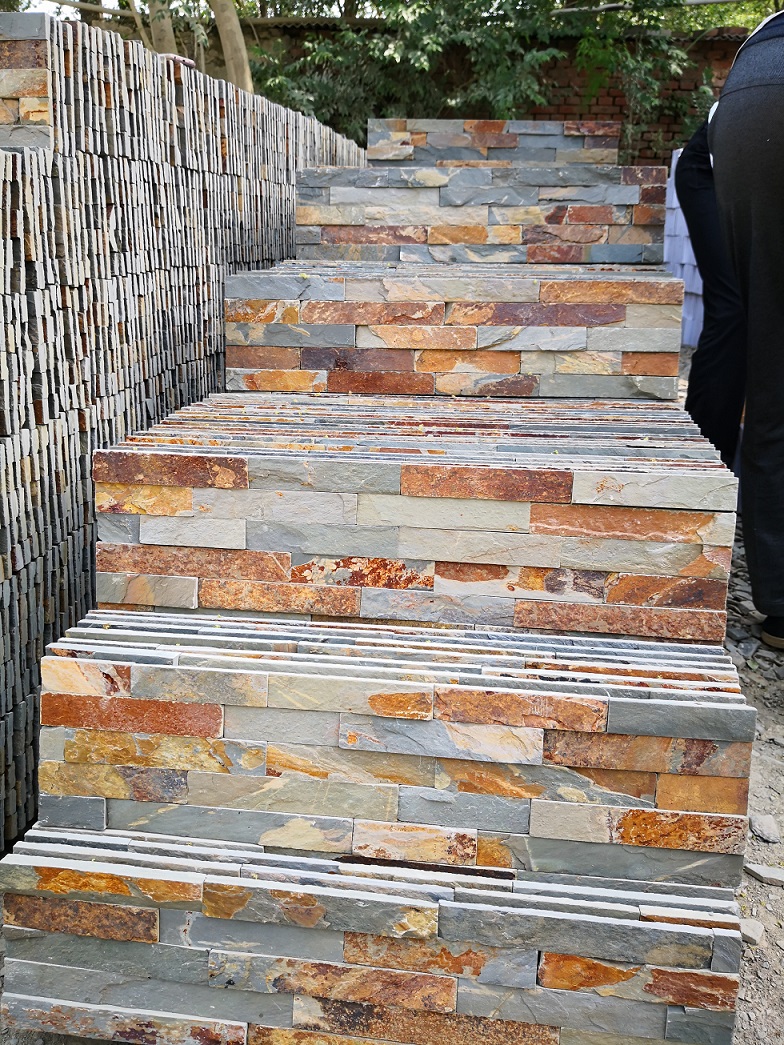
Quality Control Protocols: The Importance of Pre-Shipment Inspection (PSI)
Pre-shipment inspection (PSI) mitigates risk by verifying dimensional tolerances, material density, and ASTM compliance. Implementing a rigorous 2026-standard checklist typically reduces batch defects by 40-55%, ensuring material integrity and protecting distributor margins from costly onsite failures.
| Technical Metric | Acceptable Tolerance | Compliance Standard |
|---|---|---|
| Dimensional Accuracy | ±1–2 mm (Thickness deviation <1mm) | ASTM C1670 |
| Flexural Strength | 40-60 MPa | ASTM C616 / C629 |
| Material Density | 2.4-2.6 g/cm³ (for Quartz) | ISO 9001 Verification |
| Compressive Strength | >30 MPa | ASTM C39 |
| Color Uniformity | ≤5% variation from sample | Factory Lot Matching |
Critical Inspection Metrics for Material Integrity
Technicians perform dimensional accuracy verification to confirm that stone cladding meets strict ±1–2 mm tolerances. Any thickness deviations exceeding 1mm or squareness errors over 1mm per side lead to immediate batch rejection to prevent installation misalignment. These physical checks ensure that products fit perfectly on-site without requiring extensive field cutting.
Color and pattern uniformity analysis maintains aesthetic consistency across large orders. For lots exceeding 50 slabs, we require a 95% match rate compared to the approved master sample. Inspectors also conduct density testing, specifically targeting 2.4-2.6 g/cm³ for quartz products. Results falling below this range indicate excessive resin content, which compromises the structural life of the stone. Surface flatness assessments further limit deviations to a maximum of 1.5mm to eliminate visible gaps after installation.
Compliance Standards and Structural Performance
Verification of flexural strength remains a priority, with materials tested against ASTM standards to reach 40-60 MPa. This metric ensures structural stability under load. We also confirm compressive strength for cladding products to meet ASTM C39 compliance, which requires levels exceeding 30 MPa. These tests provide the necessary data to validate that the stone can withstand environmental and mechanical stresses in high-traffic or exterior applications.
Quality protocols extend to adhesive and sealant penetration checks, where a minimum depth of 5mm must be achieved to prevent stone detachment over time. We validate manufacturing consistency by auditing ASTM C1670 properties for manufactured stone veneer and maintaining ISO 9001 certifications. Documenting these technical benchmarks allows distributors to secure their supply chains and reduces the risk of costly claims arising from material failures or non-compliance.
Key Vetting Points: Certifications (ISO 9001) and Ethics
Reliable stone manufacturers use ISO 9001:2015 to manage quality and must provide third-party certificates from accredited bodies like Dekra or Element. Ethics in the stone industry are verified through transparency, traceable document trails, and compliance with building codes such as ICC-ES or IAPMO-ER 462.
Verifying ISO 9001:2015 Quality Management Systems
ISO 9001:2015 serves as the global benchmark for quality management systems (QMS) in stone fabrication. This standard ensures that a factory follows consistent processes for customer focus, supply-chain control, and corrective actions. When a manufacturer implements this system, they move away from ad-hoc workshop practices toward a structured environment where every slab or veneer panel meets specific criteria.
A legitimate certification cycle takes a minimum of three to four months to complete from initiation to final issuance. You should avoid suppliers claiming instant approval or “same-week” certification, as these claims often indicate forged or purchased documents. Genuine certification requires a rigorous audit of factory workflows and risk-based thinking protocols.
Certificates must be issued by accredited third-party bodies such as Dekra, Element Singapore, or other JAS-ANZ accredited organizations. ISO itself develops the standards but does not perform certifications. You should always check that the certified scope specifically covers the manufacture of stone veneer or masonry products. A certificate for an unrelated product line does not guarantee process control for stone fabrication.
Technical Compliance and Ethical Transparency Standards
Safety and ethical standards rely on verifiable technical documentation. You should demand third-party evaluation reports like ICC-ES or IAPMO-ER 462. These documents confirm that the stone products meet building code requirements for freeze-thaw resistance, fire ratings, and adhesion. Without these reports, a manufacturer cannot prove their products will survive harsh environmental shifts or remain securely attached to a facade.
Verify Certificates of Conformity that are backed by laboratory tests required by law for facade applications. Ethical manufacturers demonstrate transparency by sharing traceable document trails and numbered test reports upon request. This openness allows you to cross-reference certificate numbers with the issuing body’s database to prevent the use of forged or expired credentials.
Reluctance to share documentation serves as a major red flag regarding a supplier’s ethics. Genuine ISO 9001 implementation requires controlled documentation and honest communication with all interested parties. By auditing these technical files, you ensure the supply chain remains accountable and the materials used in 2026 projects remain compliant with modern safety regulations.
Negotiating Terms: MOQ, Payment, and Lead Time Standards
Standard wholesale negotiations for stacked stone in 2026 center on MOQs of 50-100 square feet and lead times of 20-30 days. Buyers should prioritize suppliers meeting ASTM C1670 standards and offering 40-50 year warranties to mitigate long-term structural and financial risks.
Standard MOQ and Lead Time Benchmarks for 2026
US-based stacked stone manufacturers typically require Minimum Order Quantities (MOQ) between 50 and 100 square feet. This volume allows factories to maintain production efficiency while providing enough material for standard residential accents or small commercial feature walls. Buyers should prepare for these thresholds when negotiating with domestic suppliers to ensure competitive wholesale pricing.
Procurement timelines for natural stacked stone sourced directly from factory quarries usually range from 20 to 30 days. This period covers extraction, precision cutting into panels, and initial quality sorting. Planning for this window prevents project delays, especially when coordinating with masonry schedules that depend on material arrival.
Large-scale logistics involve significant volume, often exceeding 220 containers annually for major distributors. This scale of operation necessitates specific packaging standards, including reinforced crates and fumigated wooden pallets, to protect the stone during transit. Ensuring these logistical safeguards are part of the negotiation protects the investment from breakage and compliance issues at the port of entry.
Technical Compliance and Warranty-Backed Payment Terms
Building codes drive material requirements, so buyers must verify that stone products meet a minimum compressive strength of 1800 psi. This rating ensures compliance with ASTM C1670 and IBC 2018 standards for manufactured stone veneer. In some cases, premium products exceed these requirements by double, providing a higher safety margin for exterior applications.
Securing financial interests involves linking payment milestones to third-party testing and verification. Contracts should require proof of IAPMO evaluations or ANSI A118.15 mortar compatibility before final funds are released. This technical validation protects the buyer from sub-standard imports that may fail under environmental stress or lack proper adhesion properties.
Quality assurance in B2B contracts relies on transferable warranties, with 40 to 50 years serving as the industry baseline. These long-term guarantees reflect the manufacturer’s confidence in the material’s durability. Furthermore, confirming that panels weigh between 7 and 10 lbs per unit for adhered masonry veneer helps avoid the added expenses of structural footings required for heavier natural stone installations.
Intellectual Property Protection for Custom Stone Designs
Protecting custom stone designs involves securing design patents for ornamental textures and using OEM/ODM contracts to establish ownership of molds and CAD files. In 2026, brands must document the design process—from 3D scans to prototypes—to prove originality and prevent suppliers from selling similar panels to competitors.
Legal Framework for Ornamental Stone Textures
Protecting the visual identity of stacked stone panels requires a multi-layered legal approach. Under 35 U.S.C. §171, design patents safeguard the novel and non-obvious ornamental characteristics of a stone relief profile. These patents focus strictly on the aesthetic appearance, allowing brands to stop competitors from importing or selling panels that look substantially similar. Because masonry performance is functional, the legal claim must center on the unique arrangement of stone faces, depths, and joint rhythms rather than the material’s durability.
Copyright registration under 17 U.S.C. §408 offers another layer of defense for surface artwork and texture maps. While copyright attaches automatically when a design is fixed in a tangible medium, formal registration with the U.S. Copyright Office is necessary to seek statutory damages and attorney fees during litigation. Additionally, the Lanham Act provides trade dress protection for a product line’s distinctive “look,” such as specific color blends and face geometries, provided the design has achieved secondary meaning in the market and remains non-functional.
Maintaining a rigorous documentation trail is the primary way to prove priority in an IP dispute. Brands should archive dated CAD models, 3D scans, and physical prototypes to establish a clear timeline of creation. This design history serves as evidence that the work is original and was developed before any infringing products appeared in the market.
Contractual Safeguards for OEM and ODM Partnerships
Statutory IP rights work best when paired with precise manufacturing agreements. In OEM and ODM partnerships, the contract must explicitly allocate ownership of custom molds, 3D files, and physical tooling to the buyer. Without these clauses, factories may claim ownership of the tools used to create the textures, leading to “factory cloning” where proprietary designs are sold to other customers. Non-competition and no-reuse clauses further bar the supplier from using your specific relief profiles for any other project.
Exclusivity should be defined by specific territories or sales channels to protect market share. For instance, a contract can restrict the production of a specific stone face to a brand’s Amazon store or a particular geographic region. These limitations prevent the factory from leaking a successful SKU into the same digital marketplaces where the brand operates. Setting strict protocols for the destruction or return of molds after a production cycle ends also helps eliminate unauthorized “after-hours” manufacturing.
Monitoring the market is the final step in design security. Brands should regularly scan online platforms for close copies of their stone textures. When infringement is detected, having both a registered design patent and a well-structured manufacturing contract allows for rapid enforcement through takedown notices or legal injunctions against the manufacture, sale, and import of infringing goods.

Case Study: Successful OEM Partnership
Strategic OEM partnerships in 2026 prioritize turnkey solutions, where manufacturers provide both custom-engineered materials and installation. The collaboration between Simon Property Group and Quality Stone Veneer across North America proves that factory-direct sourcing of profiles like Urbana Fusion reduces labor costs and ensures architectural consistency.
Turnkey Material and Installation for Commercial Scale
Quality Stone Veneer operates as a national partner for Simon Property Group, managing the exterior facades for Premium Outlets throughout the United States and Canada. This large-scale partnership relies on a full-service model where the manufacturer controls both the production and the application of the stone. By handling the logistics and labor internally, the partnership maintains quality standards across geographically diverse sites.
The Norfolk Premium Outlets project serves as a primary example of this integrated supply chain. Contractors utilized a turnkey approach for Powder Ridge and Fieldstone profiles, which simplified procurement and site management. Similarly, projects like the Clarksburg Premium Outlets benefited from this model, ensuring that the stone veneer was delivered and installed according to the specific architectural requirements of the retail developer.
Direct factory sourcing offers a clear financial advantage over traditional procurement. For the Montreal site, the use of Provence Cobblestone through a direct OEM channel allowed the project to bypass the markups often added by third-party trading companies. This lean supply chain protects project margins while ensuring the material meets the original design intent without substitution risks.
Custom Engineering and Precision R&D Fitment
Technical customization plays a critical role in high-volume stone sourcing. During the construction of the Toronto Premium Outlets, the project required Drystack Lambris panels for curved radius walls. To ensure a precise fit, the manufacturer rebuilt the wall sections using wood framing within their R&D shop in Pennsylvania. This allowed for the custom engineering of arches that matched the site’s specific geometry before the materials even reached the job site.
Product development also drives the aesthetic success of these partnerships. For the Denver Premium Outlets project, the team developed the Urbana Fusion profile. This dark gray, contemporary drystack style was engineered specifically to meet the modern aesthetic requirements of that location. Such collaboration shows how R&D capabilities allow developers to achieve unique visual branding through custom-developed stone textures and colors.
Labor efficiency remains a primary goal for residential and commercial developers alike. In a case involving a 50-home community entrance, the implementation of pre-fabricated stacked stone column kits saved the developer thousands in specialized labor costs. These kits allow for rapid installation without the need for traditional masonry skills, proving that engineered stone solutions can solve both aesthetic and budgetary challenges in high-volume construction.
Final Thoughts
Success in direct factory sourcing depends on moving beyond simple price comparisons to focus on technical verification and legal security. Buyers who prioritize ISO 9001 compliance, conduct remote video audits, and establish clear IP protections through OEM or ODM agreements create a more resilient supply chain. By cutting out intermediaries, you gain not only a 15-25% cost advantage but also direct influence over quality control and lead times, which are essential for maintaining project margins in the current market.
Building a partnership with a reliable stone manufacturer requires a commitment to rigorous inspection standards and clear contractual terms. Relying on ASTM-compliant metrics and 40-50 year warranties ensures that the materials you source today will perform reliably for decades. As the industry moves toward more customized and integrated sourcing models, these vetting strategies provide the foundation for scaling your business while protecting your original designs and financial interests.
Frequently Asked Questions
How do I verify a factory’s ISO 9001 certification validity in 2026?
You must check the certificate against the CNCA/SAC accreditation system in China. Ensure the legal name and address match official records in the National Enterprise Credit Information Publicity System. Valid certificates typically follow a 3-year cycle; any mismatch in the scope, such as ‘trading’ instead of ‘stone production,’ or an expired date indicates an invalid document.
What is the standard process for a pre-shipment inspection of stacked stone?
Inspectors perform a random sample based on ANSI/ASQ Z1.4 AQL tables when production is at least 80% finished and 100% packed. Key checks include color uniformity, dimensional tolerances, and testing for a compressive strength of at least 1,800 psi. We also verify that crate fumigation meets ISPM-15 standards before clearing the lot for export.
Which payment terms are standard for new B2B stone clients?
Most new buyers use T/T with a 30% deposit and the 70% balance paid before shipment or against the B/L copy. For high-value initial orders, an irrevocable Letter of Credit (L/C) at sight provides the highest security. Bank fees for L/C handling usually range from 0.1% to 1% of the total invoice value.
How can I maintain color consistency across multiple stone batches?
We use CIELAB measurements to track variation, aiming for a ΔE*ab of 1–2 within a single batch and a maximum of 3–5 between different lots. To ensure a uniform appearance on large walls, contractors should blend panels from multiple crates during installation. Locking these specific variation limits into the purchase contract prevents significant shifts in tone.
Does buying direct from a factory save 30% compared to local distributors?
Buying direct from a manufacturer generally saves between 15% and 25% on material costs after including ocean freight. While container-level orders of 20–24 tons maximize these savings by removing middleman margins, a full 30% net saving is rare once you account for landing costs and local logistics.
What legal contracts protect my custom designs from being copied?
Overseas buyers should use NNN Agreements (Nondisclosure, Nonuse, Noncircumvention) and International Manufacturing Agreements. These documents must include specific IP ownership clauses and monetary penalties for breaches. This legal framework ensures you retain control over unique tooling and prevents the factory from selling your custom designs to other competitors.
