

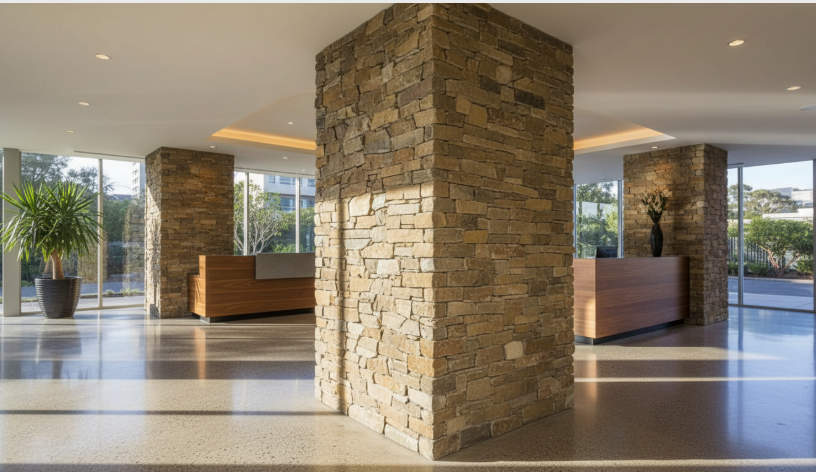
When you’re a distributor expanding into natural stone panels, matching stone panels to the wall isn’t just about color. It’s about knowing whether that 11-pound ledger panel will hang on a metal stud partition or sit solidly on concrete. A facade mismatch costs you more than a return—it costs the relationship. At Top Source Stone, we’ve been solving that for 18 years, from our own quarry in Yixian to 200 containers a year across six continents.
The problem is that most importers blend stone from multiple quarries to hit a price point. You get three shipments, and each one drifts a shade. That drives rework claims and inventory write-offs. A factory that controls its own seam—and documents every batch—eliminates the drift.
Why Most Commercial Stone Panel Selections Fail: Managing the Wall Substrate Mismatch Risks
Most panel failures trace back to a structural wall type assessment skipped at the initial project bidding stage.
Distributors routinely treat stone panels as a one-size-fits-all product, but the wall substrate determines every downstream decision. A natural stone ledger panel at 11–15 lbs/sq ft behaves differently on poured concrete than on ½-inch drywall. The weight limit, adhesive bond strength, and fastener pull-out resistance all shift with the substrate. Ignoring these variables is how perfectly good inventory ends up in the returns pile.
Substrate Structural Capability Limitations:
- Solid Concrete / CMU Substrates: Structural load limits remain virtually unlimited for heavyweight natural stone panels (11–15 lbs/sq ft). Applied directly utilizing advanced polymer-modified thin-set mortars.
- Exterior Brick / Masonry Facades: Safely supports 12–15 lbs/sq ft dead loads. Demands proper mechanical anchors or engineered tie-in screws fixed directly into structural masonry courses.
- Light-Gauge Metal Stud Partitions: Restricted to a maximum 10 lbs/sq ft load line unless structural steel framing reinforcement or secondary structural sheathing sheets are deployed.
- Standard Gypsum Drywall (½ Inch): Maximum safe mechanical capacity locks at a strict 8 lbs/sq ft boundary. Direct application of heavy cleft materials is structurally prohibited without specialized backer board installation.
Catastrophic delamination occurs when natural stone panels are bonded to drywall without proper backing. The panel weight exceeds the adhesive’s peel strength, and under thermal cycling or humidity, the bond fails. The result is not a simple re-grout — panels can fall in sections, creating safety liability and full facade replacement costs. This failure mode is well documented in commercial projects where the substrate was treated as an afterthought.
Qualifying each wall type before quoting a job eliminates that risk. The process is straightforward: identify the substrate, check its load rating, then match the panel weight, adhesive type, and fastening method accordingly. Top Source Stone’s ledger panels include pre-applied mesh for adhesive compatibility, and we provide documented batch IDs and load calculation data to support proper specification. Competitor content from Mutual Materials and others focuses on visual appeal but omits substrate-specific limits — a gap that costs distributors in returns and reputation.
| Wall Type | Common Mistake | Consequence | Solution | Top Source Stone Advantage |
|---|---|---|---|---|
| Drywall / Metal Studs | Installing heavy panels without structural backing. | Drywall paper shears under excessive dead load weight. | Limit load to ≤8 lbs/sq ft or substitute substrate with cement board. | Provide calibrated load profiles; offer lightweight thin panels with 50% load limits reduction. |
| Concrete / Masonry | Using unrated porous faux blocks on exterior systems. | Rapid face cracking and spalling from trapped water paths. | Enforce ASTM C666 certified natural stone cladding. | All extraction blocks carry certified 300-cycle freeze-thaw laboratory test logs. |
| Brick / Block | Ignoring safety fire ratings inside egress paths. | Building permit failures and multi-week project standstills. | Specify high-performance ASTM E84 Class A materials. | Natural mineral split veneers inherently achieve non-combustible Class A data lines. |
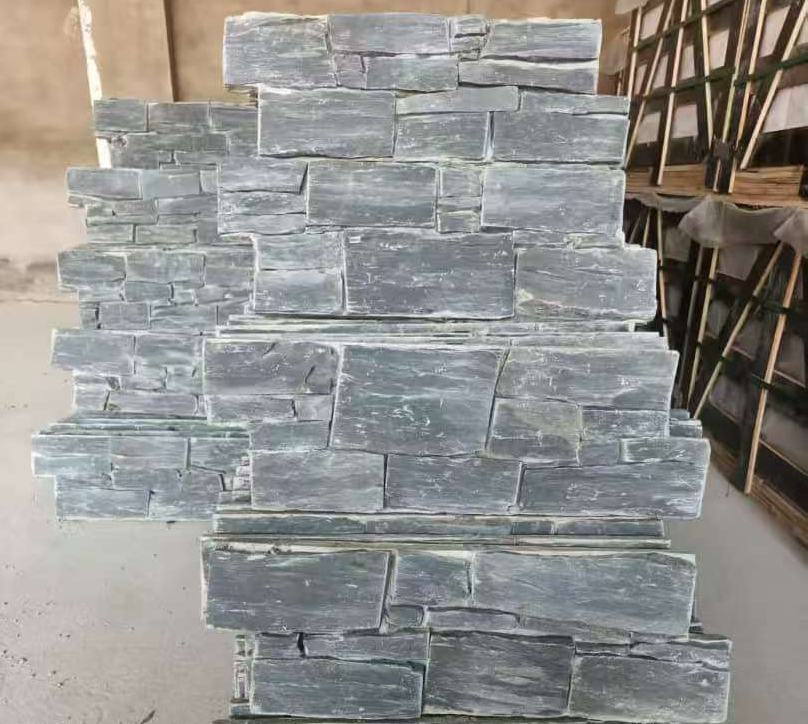
Weight & Load Parameters: Critical Sourcing Specifications for Drywall vs. Concrete Frameworks
Natural stone veneer weighs 11–15 lbs/sq ft — drywall needs engineered furring strips, not just adhesive.
Weight is the first filter when matching stone panels to walls. Natural stone ledger panels run 11–15 lbs per square foot. Manufactured cast stone drops to 8–10 lbs/sq ft. Pour a concrete foundation wall or a solid brick facade? Either option works — the substrate can handle the load. But spec a full-thickness natural stone panel onto a standard drywall partition over metal studs without structural reinforcement, and you are looking at a liability claim within months. The panel may not pull the wall down, but weight cycling and vibration will crack the drywall, pop screws, or delaminate the bond line. Entire retrofits have been yanked off because the installer used lightweight mastic designed for faux stone.
Structural Substrate Load Thresholds:
- Solid Concrete or CMU Assemblies: Requires zero structural modification. High-bond thin-set applied directly to clean masonry faces comfortably accommodates up to 15 lbs/sq ft dead loads.
- Exterior Structural Wood Sheathing: Supports natural stone elements up to 12 lbs/sq ft provided framing centers stay at 16 inches O.C. and sheathing thickness holds minimum 5/8-inch.
- Interior Metal Stud Drywall: Panel dead loads exceeding 10 lbs/sq ft mandate continuous engineered furring tracks or cement backer units mechanically locked straight into structural studs via heavy screws.
Some adhesive manufacturers claim their product bonds natural stone directly to drywall. In my 18 years in this industry, that holds for accent panels up to 10 sq ft at low weight. For full-wall ledger panels covering 50+ sq ft, differential thermal movement between wall and stone will shear the bond over time. Always recommend mechanical fastening via furring or at minimum a cementitious backer board screwed into structure.
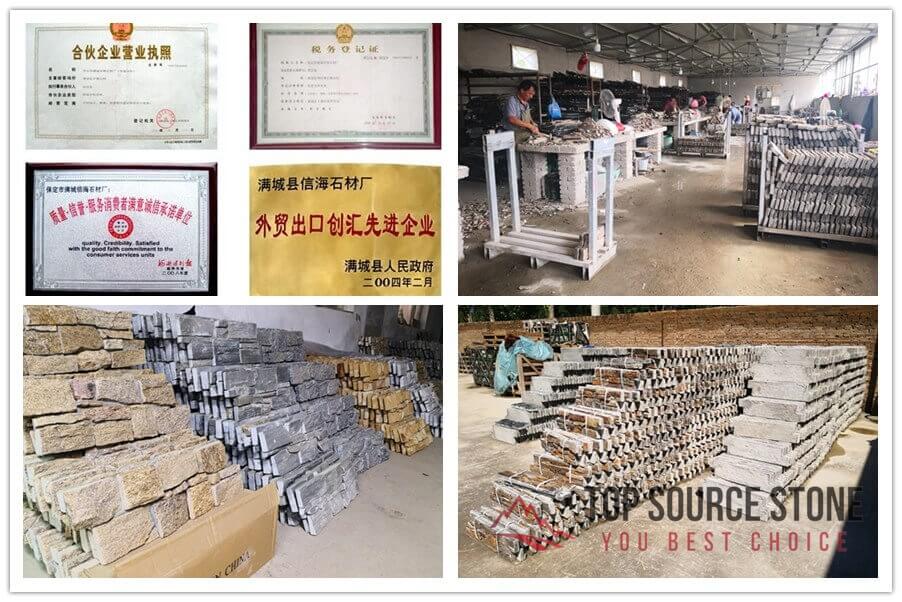
Natural Thin Stone Ledger Panels vs. Manufactured Cast Stone Veneer: 2026 Engineering Guide
Natural stone ledger panels offer authentic texture and fire rating that manufactured veneer cannot replicate.
Distributors often face a choice between natural stone ledger panels and manufactured (cast) stone veneer. The decision hinges on four factors: aesthetics, weight, fire rating, and freeze-thaw performance. Below is a direct comparison using verified test data. For the full freeze-thaw methodology, see our separate guide on Freeze-Thaw Testing Standards for Natural Stone Veneer.
| Technical Metric | Natural Thin Stone Panels (Top Source) | Manufactured Cement Veneer |
|---|---|---|
| Aesthetic Drift Range | <5% hue variation via single-quarry control logs | >10% print shade drift across multi-mold batches |
| Unit Weight Stress | 11–15 lbs/sq ft (Requires rigid masonry substrate) | 8–10 lbs/sq ft (direct interior drywall adhesive ok) |
| ASTM E84 Fire Rating | Inherently Non-Combustible Class A (Flame index 0-10) | Class B or lower due to synthetic binder composites |
| ASTM C666 Frost Resistance | Passes 300 rapid cycles with 0% crystalline spalling | Prone to face micro-fractures after 150 cycles |
How to Verify Batch Consistency and Spectrophotometer Delta E Metrics in Stone Procurement
Batch-to-batch color drift is avoidable — it’s a sourcing problem, not a product problem.
Most distributors see color variation as an inevitable headache of natural stone. That assumption comes from buying through importers who batch-blend from multiple quarries, mixing hues like a paint store. When the next shipment draws from a different deposit, the mismatch is immediate. The fix is upstream: source from a factory that controls its own quarry. Our Yixian quarry yields a consistent geological vein, which keeps hue variation under 5% across all shipments. That’s the baseline for the 95% hue uniformity guarantee — not something a reseller can replicate.
But even with a single quarry, you need proof for your clients. A verbal assurance is worthless when a facade fails visual inspection. The practical step is to request a 10-sq-ft sample board and a documented batch number for every order. That sample board becomes your reference standard — match the delivered panels against it before they ship. If the batch number matches, the color drift stays within the guaranteed tolerance. If it doesn’t, you reject the container before it leaves the factory.
Procurement Inspection Workflow Protocol:
- Calibrated Sample Boards: Always secure a physical 10-sq-ft reference lot from the live kiln run. Cross-check against bulk arrival under identical daylight exposure indices.
- Lot Number Traceability: Enforce unique digital batch prefix stamps across every wooden crate packing manifest to isolate alternative quarry block tracking vectors.
- Pre-Qualification Safeguards: Utilize the comprehensive multi-point supplier inspection log outlined in our companion technical submittal article before wire clearance authorizations.
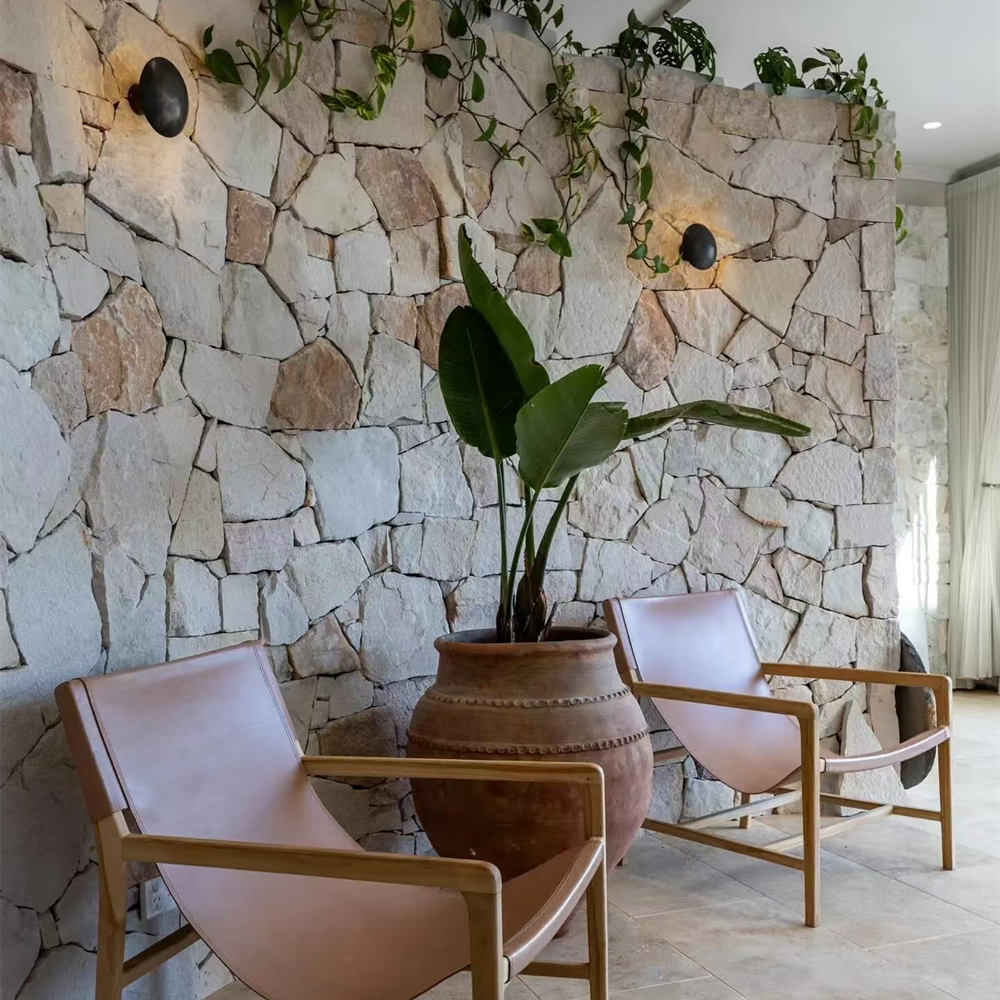
Installation Considerations: ANSI A118.4 Polymer-Modified Mortar vs. High-Bond Construction Adhesives
For natural stone ledger panels over 11 lbs/sq ft, thinset mortar is non-negotiable on concrete — adhesive alone risks structural failure.
The wall substrate dictates your bonding method. Concrete walls demand a polymer-modified thinset mortar (ANSI A118.4) because natural stone ledger panels weigh 11–15 lbs/sq ft. Adhesive alone cannot sustain that load in freeze-thaw or shear conditions — the bond creeps over time, leading to delamination. Drywall, on the other hand, cannot handle the weight of thinset mortar without sagging. Use a high-strength construction adhesive (e.g., Loctite PL Premium) specifically rated for stone veneer on drywall.
Top Source Stone’s ledger panels come with a pre-applied fiberglass mesh on the back. This mesh mechanically keys into thinset mortar on concrete walls, increasing bond strength by roughly 30% compared to bare stone backs. For drywall installations, the mesh also helps the adhesive grab more surface area, reducing the risk of panels shifting during cure. Always follow the adhesive manufacturer’s open time and cure schedule — rushing this step is the leading cause of callbacks.
Bonding Compound Specifications Matrix:
- Exterior Concrete Substrates: Requires ANSI A118.4 polymer thin-sets applied with full-back back-butter coverage to clear interstitial pocket voids.
- Interior Gypsum Board: Requires elastomeric structural hybrid urethanes. Maximum panel dead weight limits must stay strictly under 10 lbs/sq ft bounds unless supplementary structural backing is integrated.
Conclusion
Matching stone panels to the right wall substrate stops facade failures and inventory write-offs before they happen. Weight limits, batch traceability, and fire ratings aren’t optional specs—they determine whether a project holds up under inspection or turns into a callback.
Review the product specs for natural stone ledger panels to see how same-quarry sourcing and ASTM E84 Class A certification match your next commercial bid. You can request a sample board and batch ID directly from the factory.
Frequently Asked Questions
How to match stone veneer?
Match stone veneer by first verifying the wall type, weight load, and substrate compatibility. Natural stone panels weigh 11–15 lbs/sq ft and require structural support or furring strips on drywall. Always verify wall load capacity before selecting veneer.
What are the different types of stone wall panels?
Stone wall panels include stacked stone ledger panels, split face wall tiles, stone cladding, thin stone veneer, and flagstone pavers. Each type varies in weight, installation method, and application—ledger panels suit accent walls and expansive high-rise commercial structures natively. Choose panel type based on wall structure and project scope.
What are the popular fake stone brands?
Popular manufactured stone brands include those by regional brokers like MSI’s Rockmount and Terrado series. These weigh 8–10 lbs/sq ft and are used where natural stone’s weight is a concern. Compare fire rating and durability data to satisfy severe local code compliance guidelines before substitution.
Is mortar or glue better for stone veneer?
Mortar with mechanical fastening is required for heavy natural stone (11–15 lbs/sq ft); adhesive alone may work for lighter manufactured panels on sound substrates. Always follow the manufacturer’s spec and wall preparation. Use mortar for structural bond; adhesive only for lightweight panels.
What color pairs well with stone?
Neutral beige, gray, and earth tones complement natural stone’s organic color variations. For consistent color across a project, order same-quarry batches at a premium—mixed batches create a more varied look. Test stone samples against wall paint under project lighting first.
