
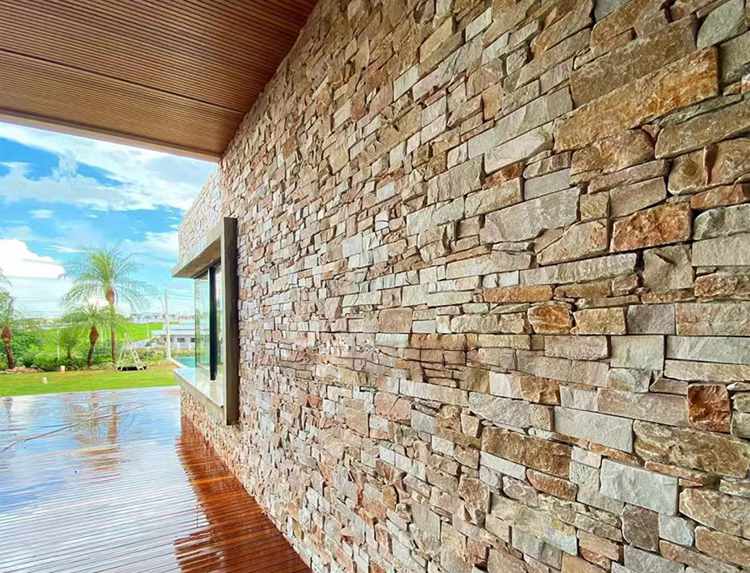
For B2B procurement teams and engineers in arctic or alpine regions, standard stone facades often become a liability when moisture traps in adhesive voids, leading to sudden delamination. This failure occurs because water expands by 9% upon freezing, creating a hydraulic jack effect that destroys the bond between the stone and the substrate. Selecting a Z panel with the right engineering specs is the only way to avoid expensive repairs and safety hazards in environments that regularly drop to -40°C.
This guide analyzes the top manufacturers specializing in Z Panel freeze-thaw resistance, focusing on systems that utilize non-porous cementitious backers and high-strength epoxy resins. We examine the critical performance metrics required for northern projects, including compliance with ASTM C666 standards and the ability to withstand 300+ cycles of extreme temperature fluctuation. You will learn how moisture-blocking technology and mechanical interlocks protect primary bonds from ice-jacking and thermal fatigue.
10 Leading Cold-Climate Z Panel Manufacturers and Brands
Quick Comparison: Top Picks
| Manufacturer / Brand | Location | Core Strength | Verdict |
|---|---|---|---|
| Top Source Stone | China (Global Shipping) | Natural Stone Ledger Panels & Z-shaped Veneer | Best for high-end aesthetics with factory-direct pricing and extreme frost durability. |
| Stonepanel (Cupa Group) | Spain / Europe Offices | Patented Cement-Backed Interlocking Z-Panels | The global standard for multi-story facades with built-in mechanical safety anchors. |
| Eldorado Stone | United States | High-Density Engineered Stone Z-Veneers | Top choice for cold-climate high-fidelity textures in the North American market. |
| Canyon Stone Canada | Canada | Freeze-Thaw Certified Lightweight Stone Veneers | Excellent broad-spectrum provider for large-scale severe winter infrastructure supply. |
| Real Stone Cladding UK | United Kingdom | Natural Modular Stone Z-Panels with Rigid Backers | Bespoke solution for European architectural facades needing verified moisture management. |
| Cultured Stone | United States | Low-Absorption Engineered Cementitious Facades | The original industry leader in manufactured stone with proven freeze-thaw data. |
| ErthCoverings | Canada | Natural Modular Interlocking Z-Veneer Sheets | Highly recommended for alpine residential projects requiring organic mineral depths. |
| Tier Natural Stone | United Kingdom / Ireland | High-Stiffness Fiber-Cement Reinforced Z-Panels | Best for commercial builds needing seamless layouts without visible vertical mortar joints. |
| Dekton by Cosentino | Spain / Global | Ultra-Compact Zero-Porosity Exterior Slabs | The pinnacle of zero-absorption tech, fully proofed against extreme alpine ice expansion. |
| Century Stone | United Kingdom | Calibrated Modular Stone Wall Facings | Reliable distribution partner for high-volume residential cladding in frosty regions. |
Top Source Stone
Top Source Stone operates as a vertically integrated manufacturer, managing the entire lifecycle of their cladding products from raw material extraction to final fabrication. By owning their own quarries, they provide a level of consistency in color and texture that many middle-market trading companies cannot match. Their production facility utilizes advanced infrared cutting technology to ensure that every Z-shaped interlocking panel meets tight tolerances, which is vital for maintaining tight seams in high-end architectural applications. This direct control over the supply chain allows them to offer professional-grade natural stone solutions that outperform synthetic concrete alternatives in both appearance and structural longevity.
The company specifically focuses on the needs of B2B distributors and contractors who require materials capable of withstanding demanding climates. Their Z-panel systems are engineered for freeze-thaw durability, making them a reliable choice for exterior facades in regions with extreme temperature fluctuations. Because they eliminate traditional markups associated with third-party sourcing, they provide cost-effective pricing without compromising on the quality of the raw stone. For architects and builders, this factory-direct model reduces procurement risk by providing a clear line of communication during the OEM or ODM customization process, ensuring that specific project dimensions and finish requirements are met exactly.
At a Glance:
- 📍 Location: China (Global Shipping)
- 🏭 Core Strength: Natural Stone Ledger Panels (Flat, Rough, Pencil, and Marble series), Z-shaped interlocking stone veneer, L-shaped corners
- 🌍 Key Markets: Global B2B, Distributors, Contractors, and High-end Residential/Commercial Architects
Why We Picked Them:
| ✅ The Wins | ⚠️ Trade-offs |
|---|---|
|
|
Stonepanel (Cupa Group)
Stonepanel, an engineering masterpiece under the European multi-national Cupa Group, stands as a premier system-level solution for severe cold climates. Each panel features individual slices of genuine quarried slate, quartzite, or limestone cast mechanically into a fiberglass-reinforced cementitious core during factory production. Engineered specifically to eliminate the standard risks of hand-laid masonry in harsh winter territories, their interlocking Z-shaped geometry forms an tightly sealed envelope that blocks frost penetration lines.
The true technical value of Stonepanel lies in its patented built-in mechanical anchor hooks, allowing architectural panels to be pinned directly to structural concrete backup walls. This configuration effectively manages the physical expansion and contraction pressures experienced in alpine regions. Backed by extensive European building codes and technical assessments (ETA), Stonepanel significantly simplifies regulatory approvals for institutional builders managing high-exposure real estate portfolios.
At a Glance:
- 📍 Location: Spain (With national distribution lines across Europe)
- 🏭 Core Strength: Patented cement-backed natural Z-panels, embedded stainless steel anchors, commercial facade ratings
- 🌍 Key Markets: United Kingdom, Western Europe, High-Rise Commercial Facades
Why We Picked Them:
| ✅ The Wins | ⚠️ Trade-offs |
|---|---|
|
|
Eldorado Stone
Eldorado Stone operates as a leading force in the architectural cladding industry, focusing heavily on precision-engineered stone profiles that replicate organic textures. By utilizing specialized cement-based concrete mixtures mixed with deep mineral pigments, they produce Z-shaped veneer setups that match the visual character of natural geology. This factory-controlled format gives contractors consistent product geometry, facilitating uniform, low-error layout parameters on large commercial envelopes.
Sourcing from their extensive North American production lines significantly mitigates the logistical overhead and volume delays common with raw quarried items. Their materials pass strict regional frost-exposure tests, ensuring the matrix resists surface scaling when subjected to aggressive sub-zero humidity. Their balanced product weight profiles reduce facade dead loads, providing a predictable domestic supply route that optimizes construction program schedules.
At a Glance:
- 📍 Location: United States
- 🏭 Core Strength: Engineered stone cladding, cement-bonded veneer panels, high-fidelity textural molds
- 🌍 Key Markets: North American Commercial and Premium Residential developments
Why We Picked Them:
| ✅ The Wins | ⚠️ Trade-offs |
|---|---|
|
|
Canyon Stone Canada
Canyon Stone Canada acts as a critical procurement hub for building developers facing the intense climatic stress of Canadian winters. Their technical catalog centers on highly resilient panelized stone veneers specifically engineered to block moisture entrapment. By managing a rigorous quality pipeline, they verify that their interlocking Z-panel lines maintain strict dimensional uniformity, allowing for gap-free layouts that prevent ice-wedges from forming between individual sections.
Their business model is heavily structured around northern execution requirements, maintaining robust inventory levels capable of supporting large housing tracts or corporate complexes. Their products focus on lightweight parameters that require no additional masonry footings, making them highly effective for retrofitting existing facade systems. This logistical and technical combination provides project managers with an efficient solution that performs reliably through severe freeze-thaw shifts.
At a Glance:
- 📍 Location: Canada
- 🏭 Core Strength: Freeze-thaw rated stone panels, lightweight interlocking Z-cladding profiles
- 🌍 Key Markets: Canadian and North American building industries
Why We Picked Them:
| ✅ The Wins | ⚠️ Trade-offs |
|---|---|
|
|
Real Stone Cladding UK
Real Stone Cladding UK focuses extensively on bridging the gap between natural geologies and modular engineering. Sourcing premium quartzites and slates from certified global extractions, they supply the UK and northern European architectural markets with loose and pre-cast Z-cladding systems. By overseeing backer adhesion at the industrial production level, they guarantee that panels maintain structural cohesion when exposed to driving rains and subsequent frost transitions.
Their technical setup addresses moisture-jacking risks by enforcing flat-sawn backing tolerances across every modular batch. This precision ensures high-surface contact area for adhesives, eliminating the hollow pockets where water accumulates and freezes. Their team provides tailored technical support for large facade projects, helping engineers maintain clear drainage cavities behind the cladding to extend the lifespan of the installation.
At a Glance:
- 📍 Location: United Kingdom
- 🏭 Core Strength: Modular natural stone panels, Z-shaped stone slips, anti-trap backing profiles
- 🌍 Key Markets: British and Irish Commercial real estate, upscale residential accents
Why We Picked Them:
| ✅ The Wins | ⚠️ Trade-offs |
|---|---|
|
|
Cultured Stone
Cultured Stone stands as a historic benchmark in the engineered stone sector, trusted globally for delivering lightweight cement-bonded stone replicas. Their automated manufacturing facilities utilize advanced molds and tightly monitored aggregate curing processes to create Z-format cladding options with extremely low capillary water absorption scores. This chemical defense reduces the risk of sub-zero face-shattering by preventing moisture from saturating the stone matrix.
The company minimizes long-term facade maintenance through the use of permanent mineral oxidation colors that resist bleaching from intense solar or alpine UV rays. Their structural cladding lines integrate easily into modern commercial systems, backed by decades of laboratory validation files. This comprehensive technical data gives engineers confidence that the panels will maintain their design properties through repeated freeze-thaw cycles.
At a Glance:
- 📍 Location: United States
- 🏭 Core Strength: Low-porosity manufactured stone veneers, interlocking corner blocks, aggregate composite technology
- 🌍 Key Markets: Global building materials market, major commercial housing hubs
Why We Picked Them:
| ✅ The Wins | ⚠️ Trade-offs |
|---|---|
|
|
ErthCoverings
ErthCoverings operates with a commitment to material authenticity, delivering high-performance real stone options designed to withstand the harsh conditions of Canadian mountain regions. Sourcing dense quartzites and silty slates, they process their catalog into precise interlocking Z-panels and loose cladding lines. Their factory operations emphasize geometric calibration, ensuring that every panel fits tightly with adjoining units to minimize open joints that trap driving snow.
The brand mitigates structural risks for northern builders by selecting stone lots based on low water absorption metrics. Their design-forward ranges allow architects to carry natural stone aesthetics onto light-frame wall assemblies without creating heavy structural dead loads. This localized supply chain network ensures responsive material fulfillment and clear communication for developers managing complex project timelines in alpine regions.
At a Glance:
- 📍 Location: Canada
- 🏭 Core Strength: Interlocking natural stone sheets, calibrated Z-veneers, high-density mineral selections
- 🌍 Key Markets: Canadian luxury ski resorts, high-end residential estates
Why We Picked Them:
| ✅ The Wins | ⚠️ Trade-offs |
|---|---|
|
|
Tier Natural Stone
Tier Natural Stone serves the UK and European commercial sectors, specializing in a modular panelized system that integrates natural stone slips onto a reinforced concrete or cement base. Their manufacturing process utilizes a tongue-and-groove or stepped Z-shape design, allowing panels to interlock cleanly to speed up on-site installation and lower crew hours. This pre-assembled format ensures that the raw visual look of a dry-stone wall is preserved without the structural thickness of full-bed blocks.
The company addresses regional freeze-thaw challenges by verifying panel performance through independent laboratory testing. Their cement backing panels provide a stable bonding plane that prevents moisture accumulation behind the stone pieces, minimizing the risk of winter delamination. This technical approach makes them a reliable partner for large-scale housing developments and commercial projects where repeatable quality and long-term durability are primary drivers.
At a Glance:
- 📍 Location: United Kingdom / Ireland
- 🏭 Core Strength: Pre-assembled natural stone Z-panels, fiber-cement modular backing plates, rapid-install framing layouts
- 🌍 Key Markets: Western European commercial construction, multi-unit residential facades
Why We Picked Them:
| ✅ The Wins | ⚠️ Trade-offs |
|---|---|
|
|
Dekton by Cosentino
Dekton, an advanced product line manufactured by the Spanish global entity Cosentino, represents a technological shift in exterior surface performance. Utilizing proprietary Particle Sintering Technology, their manufacturing processes duplicate geological changes under extreme pressure and heat, creating a composite plate with near-zero porosity. This engineered density removes the fundamental cause of frost failure by preventing water from entering the material matrix.
For high-altitude alpine developments, Dekton panels serve as a durable cladding system that resists intense thermal expansion forces and harsh wind loads. Their material structure guarantees complete resistance to UV radiation, maintaining color and texture consistency across expansive facades. Tested under severe arctic parameters, these thin-profile composite sheets provide architects with a reliable envelope solution for high-exposure commercial projects.
At a Glance:
- 📍 Location: Spain (Global Architectural Project Supply Hubs)
- 🏭 Core Strength: Ultra-compact sintered mineral plates, completely zero-absorption surfaces, high-load panel engineering
- 🌍 Key Markets: Global Institutional Facades, High-Altitude Alpine Infrastructure
Why We Picked Them:
| ✅ The Wins | ⚠️ Trade-offs |
|---|---|
|
|
Century Stone
Century Stone functions as a key supplier for the UK building sector, focusing on natural and manufactured stone cladding options that survive intensive weathering. Their product catalog features modular Z-shaped sets and thin veneers designed to streamline field installation while maintaining structural safety. By sourcing from technologically advanced production plants, they ensure that each panel batch adheres to tight thickness and density metrics.
The company manages procurement risks for builders by checking material behavior against local European freeze-thaw standards. Their distribution infrastructure supports predictable lead times for volume residential developments, offering a reliable supply of consistent stone looks. This localized technical support helps project managers integrate real stone textures into energy-efficient backup assemblies without incurring premium direct-import logistics overheads.
At a Glance:
- 📍 Location: United Kingdom
- 🏭 Core Strength: Calibrated modular facing stone, lightweight architectural veneers, cold-climate certified lots
- 🌍 Key Markets: UK Regional Housing Developments, Medium-scale Commercial renovations
Why We Picked Them:
| ✅ The Wins | ⚠️ Trade-offs |
|---|---|
|
|
The Delamination Trap: Why Extreme Frost Destroys Standard Multi-Point Adhesive Systems
Standard multi-point “dots and dabs” adhesive methods create unventilated voids where moisture accumulates and freezes, resulting in a 9% volumetric expansion that acts as a hydraulic jack against stone backers. This repetitive ice jacking, combined with thermal expansion mismatch and adhesive embrittlement in sub-zero temperatures, leads to progressive fatigue failure and sudden, large-scale delamination of stone facades.
Mechanics of Ice Jacking in Adhesive Voids
Moisture ingress into tiny gaps at the stone–adhesive interface initiates a destructive physical process during frost events. When water trapped within these cavities freezes below 0°C, it undergoes a 9% volumetric expansion. In standard “dots and dabs” installations, these voids are often unventilated and poorly drained, turning each pocket of trapped water into a hydraulic jack. This generates powerful wedging forces that push directly against the stone backer from behind. Because the cavities prevent drainage, ice persists through the winter season, repeatedly stressing the same bond-line locations and turning minor initial imperfections into full-depth delamination planes.
Thermal Expansion Mismatch and Fatigue Failure
External stone panels, concrete substrates, and adhesive compounds all expand and contract at different rates during temperature swings. Standard multi-point layouts typically provide only 20% to 40% contact area, which concentrates these movements into isolated high-stress nodes rather than distributing them smoothly across the surface. These adhesive “islands” are subjected to intense torque and peel stresses as the materials fight each other during freeze-thaw cycles. Over several seasons, this thermal fatigue drives micro-cracks at the stone interface, causing the bond to weaken progressively until the system reaches a tipping point where sections release under their own weight or wind loads.
Brittle Transformation of Non-Engineered Adhesives
General-purpose adhesives and stone-setting compounds are frequently designed for room-temperature performance and lack the chemistry required for 2026-standard extreme cold climates. In severe frost conditions, these non-engineered materials stiffen and become brittle, losing the flexibility needed to accommodate sub-zero fatigue. Chemical cohesion failures occur as the adhesive layer can no longer redistribute stress. This damage accumulation is often hidden from view, as the facade may appear flawless for years while microscopic cracking spreads internally. Eventually, the brittle layer fails completely, leading to sudden and significant delamination that appears to happen without warning.
The Solid Backer Shield: How Non-Porous Cement Bases Protect Primary Stone Bonds
Non-porous cementitious backer shields function as an impermeable barrier that prevents moisture saturation behind stone units, mitigating the nine percent volumetric expansion of ice that typically causes bond-line delamination. By replacing porous masonry with dense, engineered substrates, these systems stabilize mechanical anchors and adhesive cohesion during extreme sub-zero temperature cycles.
Moisture Barrier Mechanics in Freeze-Thaw Environments
A non-porous cementitious backer acts as a critical barrier layer, limiting water ingress into the backing plane and preventing saturation behind stone units. When moisture penetrates traditional porous substrates, it becomes trapped; upon freezing, the resulting internal pressure generates wedging forces that exceed the tensile strength of standard mortars. Engineered cementitious substrates stabilize the mechanical bond between stone facing and the building envelope by maintaining a drier bond line during temperature cycles. These low-absorption matrices effectively interrupt the reservoir effect common in traditional masonry, which typically feeds water into the interface and drives freeze-induced stress through repeated expansion and contraction.
Engineering Superiority Over Traditional Porous Masonry Backings
Unlike site-mixed mortar or porous concrete blocks that expand by nine percent when internal moisture freezes, dense precast substrates feature controlled pore structures to minimize water uptake. This structural density ensures that the substrate remains dimensionally stable even as exterior temperatures fluctuate. Non-porous backers provide a predictable bonding surface, ensuring that adhesive mortars and polymer-modified cements maintain their designed cohesion and adhesion values without interference from substrate-borne moisture. Furthermore, factory-controlled surface textures facilitate uniform adhesive application, reducing the risk of micro-delamination and fatigue at mechanical anchor points or Z-clips, which are often the first points of failure in variable climates.
Strategic Integration for Long-Term Façade Integrity
Combining solid backer shields with drained and ventilated rainscreen cavities ensures incidental moisture exits the system, protecting primary bonds from long-term saturation. This dual-layered defense mechanism is essential for high-exposure elevations where wind-driven rain and snowmelt are prevalent. Specifying Z-panels with integrated low-porosity bases allows northern procurement directors to treat durability as a controlled material property rather than a site-variability risk. The implementation of non-porous shields reduces total cost of ownership by extending the service life of stone cladding and minimizing disruptive façade repairs in cold-region developments, where traditional stone-setting methods often fail within a few winter seasons.
Elevate Your Architecture with Premium Natural Ledger Panels
Certified Compliance: Deciphering Heavy-Frost Testing Cycles for North American and Nordic Projects
Securing building envelopes in arctic and alpine environments requires verification against ASTM C666 standards, ensuring cladding systems withstand rapid sub-zero transitions. Modern Z-panel configurations utilizing non-porous cementitious backers provide a verified defense against the 9% volumetric expansion of trapped ice, maintaining structural bond integrity through 300+ cycles of extreme temperature fluctuation.
ASTM C666 Standards and Portland Cement Durability Benchmarks
The ASTM C666 standard serves as the primary technical benchmark for evaluating the durability of Portland cement concrete under repeated freezing and thawing. This protocol is vital for cold-climate infrastructure where moisture ingress and temperature drops below 0°C can otherwise cause rapid material fatigue. Testing monitors the resistance to internal stresses generated by water freezing within the pore structure, a process that can lead to severe scaling or structural cracks if the mix design is not sufficiently robust.
For 2026 infrastructure projects, compliance hinges on the material’s ability to maintain a high relative dynamic modulus of elasticity over hundreds of cycles. Engineers analyze these benchmarks to prevent the deterioration observed in standard masonry when exposed to arctic conditions. By establishing these resistance thresholds early in the design phase, projects in northern regions avoid the long-term degradation associated with saturated freezing, ensuring the cementitious matrix remains stable throughout the life of the building.
Performance Metrics for 300-Cycle Heavy Frost Resistance
Technical verification for high-performance exterior cladding often involves subjecting panels to 300 continuous freeze-thaw cycles between -30°C and +20°C. Data logs from these tests confirm whether the assembly can endure extreme thermal shocks without exhibiting face cracking or delamination. Unlike standard modular stone which may fail within the first few winters, these heavy-frost rated systems ensure that the bond between the stone facing and the structural backer remains airtight and secure.
Procurement teams utilize these hard data points to mitigate the risk of expensive facade write-offs in harsh northern commercial environments. Comparing R&D performance against industry-wide durability logs allows for a quantitative assessment of service life. This verification is particularly critical for high-visibility facades where any loss of adhesion not only presents a safety hazard but also compromises the thermal performance of the underlying insulated building envelope.
Engineering Compliance for Frost Depth and Heave Force Mitigation
Managing frost penetration depths is a fundamental requirement for structural stability in northern climates. Frost heave forces exert significant upward pressure on foundation systems, meaning anchor depths and pier designs must account for the specific frost line of the local geography. Compliance protocols for cladding systems integrated into solar foundations or exposed sub-structures focus on preventing these heave forces from displacing the protective panels or damaging the primary load path.
Stable design for Arctic foundations involves calculating the soil’s moisture content and its interaction with freezing temperatures. Anchoring systems must be engineered to withstand the tensile and shear forces generated by shifting ice, especially in projects where the cladding extends to or below grade. By integrating frost protection directly into the foundation and cladding interface, engineers ensure that the entire building envelope moves as a cohesive unit, reducing the likelihood of mechanical fatigue at connection points.
Top Source Stone: Climate-Engineered Cement-Backed Z Panels for Unforgiving Winter Zones
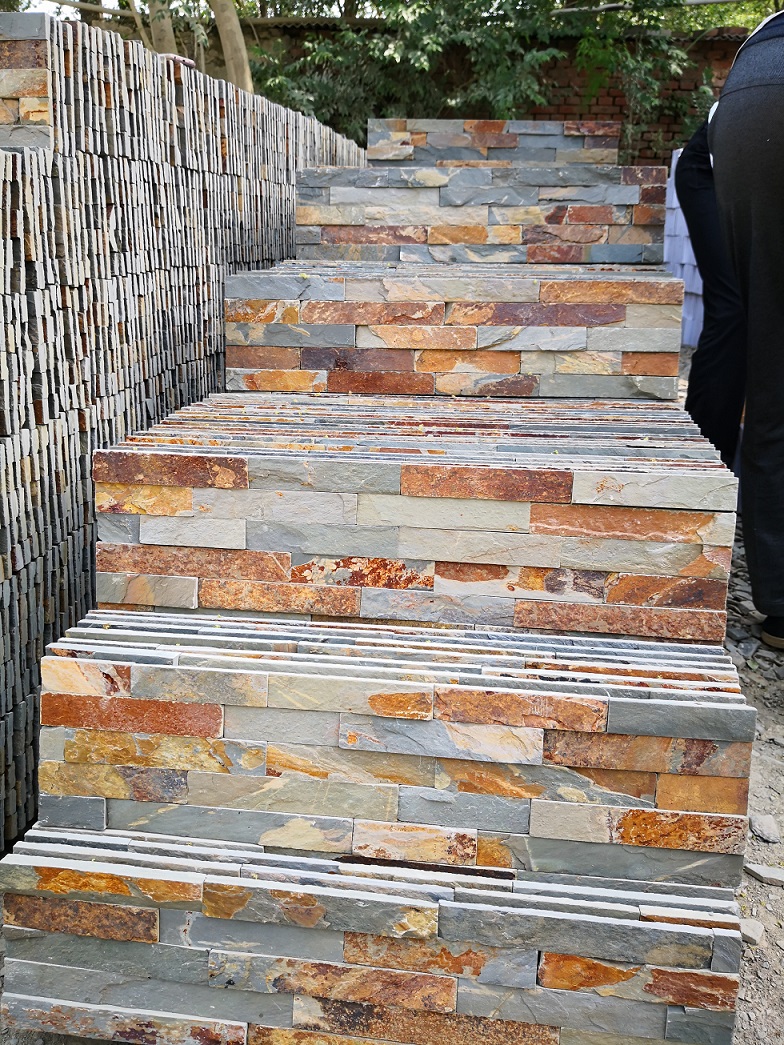
Traditional stone veneers often fail in arctic climates due to moisture expansion behind the panels. Topsource Stone addresses this vulnerability by integrating a non-porous cement backing that acts as a rigid shield, preventing water migration and bond-line delamination during extreme freeze-thaw cycles. These Z-shaped panels utilize mechanical interlocks and high-strength epoxy resins to maintain structural integrity in temperatures as low as -40°C.
Reinforced Cement Backing for Freeze-Thaw Resilience
Standard modular stone systems frequently suffer from “ice jacking,” where moisture trapped in porous substrates expands by roughly 9% upon freezing. This volumetric change generates immense wedging forces that pry stone units away from their support walls. Topsource Stone utilizes a non-porous cement base that serves as a barrier, limiting water ingress and stopping saturation at the critical bond plane. By eliminating the moisture reservoir common in traditional masonry backings, the system ensures the stone interface remains dry and dimensionally stable.
The adhesion between the natural stone face and the cement backer relies on a high-strength epoxy resin bond. This chemistry is specifically engineered for flexibility at low temperatures, allowing the panel to withstand the differing thermal expansion rates of stone and concrete without becoming brittle. Precision-cut Z-shape geometry further enhances durability by providing a seamless interlocking fit. This design blocks wind-driven ice and snow from penetrating the joints, shielding the building envelope from the interior out.
Heavy-Duty Specifications for Arctic and Nordic Facades
For projects in high-impact zones, the 1.75-inch thick Rough Series profiles provide the mechanical performance necessary to resist physical stress in extreme cold. These panels are weight-balanced at 10-13 lbs/sqft, a specification that allows for stone cladding on high-rise facades without requiring heavy structural footings in deep-frost soil zones. This weight optimization simplifies the engineering of the building envelope while maintaining the aesthetic and protective qualities of thick natural stone.
Structural continuity is maintained across the entire facade through the use of integrated L-shaped corner units. These components ensure that exposed building edges—the areas most vulnerable to wind pressure and thermal shock—possess the same moisture-blocking properties as the primary wall sections. Internal R&D testing confirms that these panels can complete 300 freeze-thaw cycles between -30°C and +20°C without signs of cracking or delamination, providing a verified durability benchmark for architects and procurement teams working in northern European and Canadian climates.
Frequently Asked Questions
How does freeze-thaw weather cause standard modular stone panels to fail?
Standard modular panels fail when water penetrates porous stone and mortar joints; as temperatures drop below 0°C, trapped water expands by approximately 9% in volume. This internal pressure causes micro-cracking, spalling of the stone face, and eventual delamination of the adhesive bond between the panel and the substrate.
Do these cement-backed Z panel systems carry formal ASTM C666 testing data?
While manufacturers test specific concrete mixes or panel assemblies for freeze-thaw durability using ASTM C666 protocols, most do not hold a renewable formal product ‘certification’ as it is a laboratory test report rather than a marking standard. Sourcing groups should demand independent laboratory validation sheets proving the exact cycle performance and micro-mass retention values for the specific composite backer used.
What is the maximum sub-zero temperature solid-backed Z panels are engineered to withstand?
Solid-backed Z panels engineered for cold-climate building envelopes are typically designed to operate safely down to -40°C (-40°F). This aligns with industry-standard design minimums for projects in the Canadian, Alaskan, and Northern European markets where extreme winter exposure is a primary concern.
What are the common red flags when sourcing stone panels for high-frost zones?
Key risks include suppliers claiming ‘freeze-thaw resistance’ without citing specific ASTM C666 data or cycle counts. Additionally, the lack of a clear drainage plane or the use of non-breathable barriers behind the panels can trap moisture, accelerating failure even in materials that are otherwise durable.
Final Thoughts
Success in extreme cold environments depends on moving away from porous masonry and multi-point adhesive systems that trap moisture. The shift toward non-porous cementitious backers and Z-shaped interlocking panels provides the necessary defense against ice jacking and thermal fatigue. By prioritizing materials that meet ASTM C666 standards through 300+ cycles, project teams can ensure stone facades remain structurally sound despite the physical stresses of sub-zero volumetric expansion.
Selecting climate-engineered solutions like those from Topsource Stone transforms durability from a variable risk into a predictable performance metric. As northern climates continue to present harsher winter cycles, the integration of solid backer shields and high-strength epoxy bonds becomes a requirement for protecting the building envelope. Utilizing these verified systems reduces long-term maintenance costs and prevents the sudden delamination failures that often plague traditional stone-setting methods in arctic and nordic regions.
SEO
Title: The Top 10 Freeze-Thaw Resistant Z Panel Manufacturers for Extreme Cold Climates
Description: Z panel manufacturers provide arctic-grade stone veneer solutions that prevent ice-jacking and delamination in extreme sub-zero environments.
URL: z-panel-manufacturers-freeze-thaw-resistance
Keywords: Z panel manufacturers
