Specifying high-performance fireplace surrounds is the primary safeguard against thermal degradation and structural failure in custom residential builds. Using substandard materials or improper masonry techniques leads to significant liability risks, ranging from cracked mortar joints to catastrophic chimney fires that jeopardize property and occupant safety. For contractors and architects, ensuring the fireplace assembly meets rigorous thermal standards is the only way to avoid costly rework and long-term insurance claims.
This guide establishes the standard operating procedure for installing natural fieldstone veneer over critical heat zones. We break down the technical requirements for cement backer board preparation, the physics of engineering a structural arch over the firebox opening, and the specific thermal properties of quarried stone. These steps provide a clear framework for executing a rustic aesthetic while maintaining strict compliance with modern fire safety codes and structural load limits.
The Timeless Appeal of the Rustic Mountain Hearth
Natural stone hearths combine high-density thermal performance with a non-repeating aesthetic that manufactured alternatives cannot match in high-end residential architecture.
Natural Stone Texture and Authentic Character
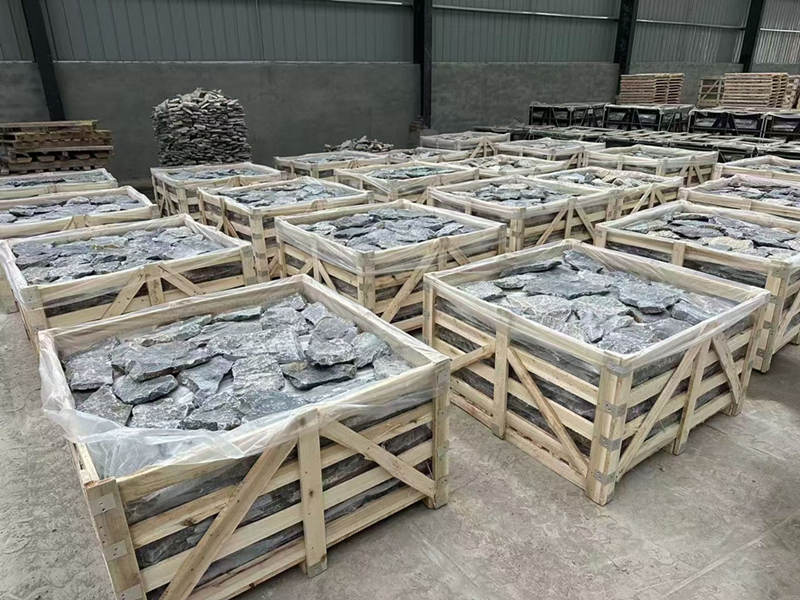
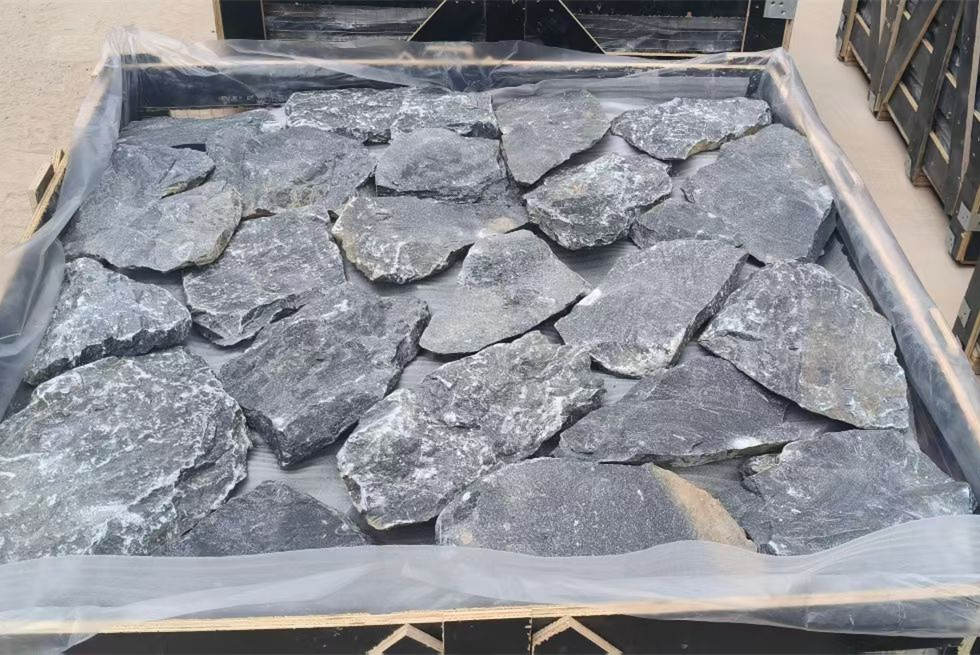
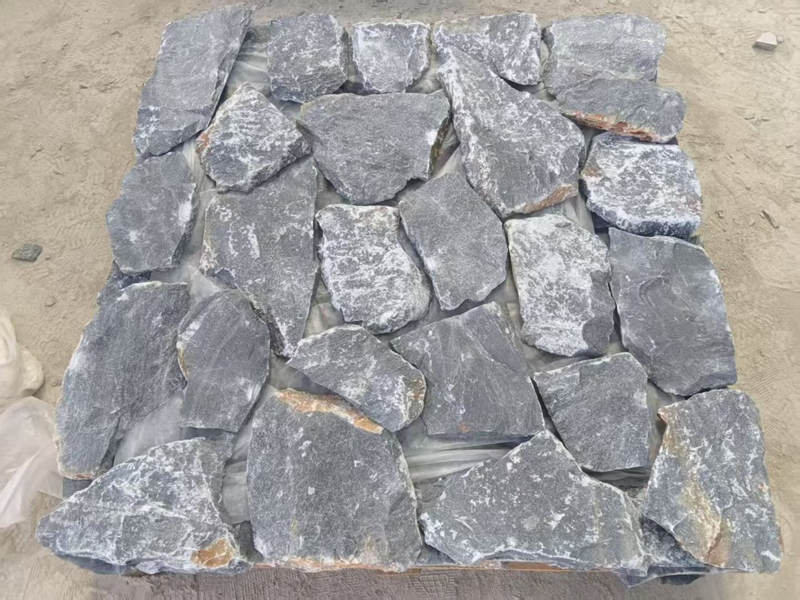
Real quarried stone brings an organic variation and physical weight to 2026 residential projects that synthetic materials simply lack. Using individually sawn-back loose stone ensures each piece remains a unique mineral specimen, providing a tactile quality that defines a bespoke installation. This approach avoids the “stamped” look of panelized systems, allowing the mason to curate a one-of-a-kind facade where every shadow and contour serves a purpose.
The Rough Series specifically leverages these varied depths to create high-dimensional surfaces. By utilizing stones of different thicknesses, designers can manipulate light and shadow across the fireplace face, establishing a focal point that feels historically grounded yet technically superior.
The Evolution of Mountain Modern Design
Current trends in “mountain modern” aesthetics require a precise balance between rugged natural elements and clean, sophisticated architectural lines. Designers now frequently pair traditional stone textures with neutral palettes—such as charcoal, slate, or warm greige—to anchor the room without making the space feel dated or overly rustic.
- High-contrast styling uses dark slate against light-colored walls to create a bold, minimalist focal point.
- Textured finishes like fluted surfaces add visual interest without cluttering the design.
- Clean-lined mantels made of reclaimed wood or steel provide a modern counterpoint to the raw stone surface.
Durability for Multi-Generational Warmth
Natural stone serves as the ideal hearth material because of its inherent fire resistance and long-term color integrity. While manufactured stone often uses surface pigments that can fade under intense UV exposure or high heat, natural quartzite and granite remain color-fast for decades. These materials handle the thermal stresses of an active fireplace while maintaining their structural and aesthetic properties.
The low-maintenance requirements of natural loose stone allow homeowners to enjoy a rugged mountain aesthetic without worrying about the cracking or peeling associated with concrete-based veneers. Choosing high-density minerals ensures the installation survives harsh freeze-thaw cycles in mountain climates while providing a lifetime of reliable performance.
Would you like me to generate the technical specifications for the “Heat Resistance” or “Structural Arch” [CORE] sections next?
Heat Resistance of Natural Quarried Fieldstone
High-density metamorphic stones like quartzite provide a 1,670°C melting point and superior thermal stability, outperforming manufactured concrete veneers in high-heat fireplace environments.
Inherent Thermal Stability of Metamorphic Rock
Natural stone products like quartzite and slate offer superior heat tolerance compared to manufactured alternatives because they form under intense geological pressure. Metamorphic stones such as quartzite possess high melting points, often reaching 1,670°C, which ensures structural integrity even when positioned directly near high-heat sources. This crystalline structure allows for efficient heat distribution, preventing the localized stress and cracking common in synthetic materials.
Natural fieldstone remains chemically stable when heated. It will not off-gas or release volatile organic compounds (VOCs), a critical safety factor for 2026 indoor air quality standards. Selecting dense, quarry-sourced materials ensures the fireplace remains a safe, functional centerpiece without the risks associated with resin-based substitutes.
| Performance Metric | Top Source Stone (Natural) | Manufactured Stone (Concrete) |
|---|---|---|
| Melting Point / Threshold | Approx. 1,670°C (Quartzite) | Degrades above 300°C |
| Chemical Composition | 100% Mineral (Zero VOCs) | Concrete & Pigment Resins |
| Thermal Expansion | Ultra-low (Resists fractures) | Moderate (Prone to heat stress) |
Non-Combustible Performance in Fireplace Applications
Natural stone is classified as a non-combustible material, meeting strict 2026 building codes for both residential and commercial hearths. Unlike “cultured” or man-made stone, real fieldstone will not melt, scorch, or deform when exposed to open flames or radiant heat. The 25mm to 40mm thickness of our Thin Stone Veneer series provides substantial thermal mass that absorbs and slowly releases heat into the living space.
- Precision-sawn backs ensure 100% surface contact for better thermal transfer.
- High-density minerals prevent the steam-trapping issues found in porous travertine.
- Compliance with modern fire codes allows for closer proximity to firebox openings.
Color Permanence Under Thermal Stress
The mineral-based pigments in natural stone ensure that the aesthetic value of the installation does not degrade over time. Natural stone maintains its original hue indefinitely, avoiding the yellowing or fading that affects resin-based or pigmented concrete stone veneers. Even the high-strength epoxy resins used in specific bonding applications are formulated to withstand the temperature fluctuations of a functioning fireplace.
Our “Quarry-to-Project Consistency” protocol guarantees that stones used in the fireplace surround share the same mineral makeup. This ensures uniform reaction to heat across the entire surface. Because these stones contain no artificial dyes, they retain their authentic texture and color regardless of how often the firebox is used.
Boost Profitability with
Premium Stacked Stone
Secure factory-direct pricing on durable, interlocking panels that significantly reduce labor costs and installation time. Our rigorous quality control and direct quarry ownership ensure a consistent supply for your high-volume commercial and residential projects.

Prepping the Firebox Framing with Cement Backer Board
Substrate preparation dictates the longevity of a fireplace surround, requiring non-combustible materials that handle both the thermal expansion of the firebox and the dead weight of natural stone.
Selecting Fire-Rated Cement Boards
Standard drywall fails under the thermal stress and weight of natural stone. High-performance installations require certified cement boards like USG Durock or HardieBacker, which offer one- to two-hour fire-resistance ratings. These boards do not rot, warp, or physically decompose when exposed to the consistent heat cycles of a functional hearth. For a professional finish, we select board thickness—typically 1/2 inch or 5/8 inch—to sit flush with the surrounding wall’s gypsum board, creating a seamless transition for the stone application.
| Material Feature | Standard Cement Board | Top Source Stone Requirement |
|---|---|---|
| Fire Rating | Varies by brand | Minimum 1-Hour Certified |
| Weight Capacity | Standard loads | Supports ~65kg/m² (Natural Stone) |
| Adhesion Surface | Smooth or Textured | Textured for Polymer-Modified Thinset |
Securing the Substrate to Wood or Metal Framing
Structural integrity depends on the fastening pattern. We secure the backer board using corrosion-resistant screws spaced every 8 inches vertically along the studs. To prevent the board from cracking during the house’s natural settling or thermal shifts, we maintain a 1/8-inch gap between sheets and at the floor line. Applying a bead of high-heat adhesive to the framing before driving screws eliminates potential rattling and provides a secondary bond that reinforces the mechanical fasteners.
Sealing Joints for Thermal Protection
Unguarded seams allow heat to penetrate the wall cavity, risking damage to the internal framing. We fill all gaps with a polymer-modified thinset mortar specifically engineered for masonry. While the mortar is wet, we embed alkali-resistant fiberglass mesh tape into the joints. This reinforcement prevents cracks from telegraphing through to the stone veneer. Every joint must be smoothed to a flat plane; even minor ridges can disrupt the alignment of individually sawn-back stones during the hand-laid process.
Final Surface Preparation for Thin Stone Veneer
Before the first stone touches the wall, the surface must be free of dust and debris. We wipe the cement board with a damp sponge to prevent the dry substrate from “stealing” moisture from the mortar, which would weaken the bond. Because we use 25–40mm thick loose stone rather than interlocking panels, the wall must be perfectly plumb. We mark horizontal chalk lines every 12 inches to serve as a guide, ensuring the bespoke random-lay pattern maintains a level visual across the entire hearth.
Would you like me to generate the technical specifications for the “Heat Resistance” or “Structural Arch” [CORE] sections?
Creating a Structural Arch Over the Firebox Opening
Building a durable fireplace arch requires a calculated balance between traditional self-corbeling geometry and modern load-bearing reinforcements to manage the thermal expansion of natural stone.
Traditional Masonry Arch Techniques and Load Distribution
Standard masonry practices in 2026 continue to prioritize self-corbeling principles for fireplace headers. By utilizing the compressive strength of natural stone or brick, an expertly engineered arch transfers vertical loads outward to the side piers. This geometric distribution minimizes the need for heavy internal steel, which can sometimes warp under extreme heat. Architects typically aim for specific rise-to-span ratios—often 1:8 or higher—to prevent center-point sagging over the firebox opening.
Successful arch construction begins with a temporary wooden or metal form to establish the curve. Each stone is then hand-cut to conform to this radius, ensuring tight joints that lock under pressure. This method provides the “Full-Depth Visual Integrity” that defines high-end rustic architecture, making the fireplace a permanent structural focal point rather than just a decorative surface.
| Support Method | Structural Advantage | Recommended Material |
|---|---|---|
| Traditional Arch | Self-supporting through compression; minimal steel needed. | Full-thickness Fieldstone or Brick |
| Steel Lintel | Discrete support for flat or wide spans; rapid installation. | Top Source Stone Thin Veneer (25–40mm) |
| Precast Concrete | High fire-resistance rating; uniform load distribution. | Reinforced Concrete Lintel |
Integrating Modern Support Systems and Lintels
Modern “Mountain Modern” designs often call for wider firebox openings or flatter spans where a traditional high-rise arch is visually unsuitable. In these cases, contractors utilize reinforced brick masonry lintels or steel angle supports. These systems bridge the gap while carrying the significant weight of upper masonry. For projects using Top Source Stone’s Thin Stone Veneer, the structural demand is lower—averaging just 65kg/m²—which often allows for lighter lintels and eliminates the need for massive specialized footings.
Precision Installation with Natural Stone Veneer
Achieving a seamless transition around an arch requires a “Bespoke Random-Lay Pattern.” Instead of pre-made panels, professionals use individually sawn-back loose stones to follow the curve precisely. This approach ensures there are no awkward gaps or repetitive “steps” in the stonework. To finish the returns inside the firebox opening, masonry teams use “Authentic Masonry Corner Wraps” (L-shaped corners), which provide the look of 6-inch thick structural blocks while maintaining the lightweight benefits of veneer.
- Use high-strength epoxy or Type S mortar to handle the thermal expansion near the firebox header.
- Maintain a 4 to 6-inch bearing on each side of the masonry when installing steel lintels.
- Select High-Density Quartzite or Granite for the arch to ensure “Climate-Tested Durability” against high-heat cycles.
Would you like me to generate the technical specifications for the “Heat Resistance of Natural Quarried Fieldstone” section?
Choosing the Right Grout Color to Pop the Stone
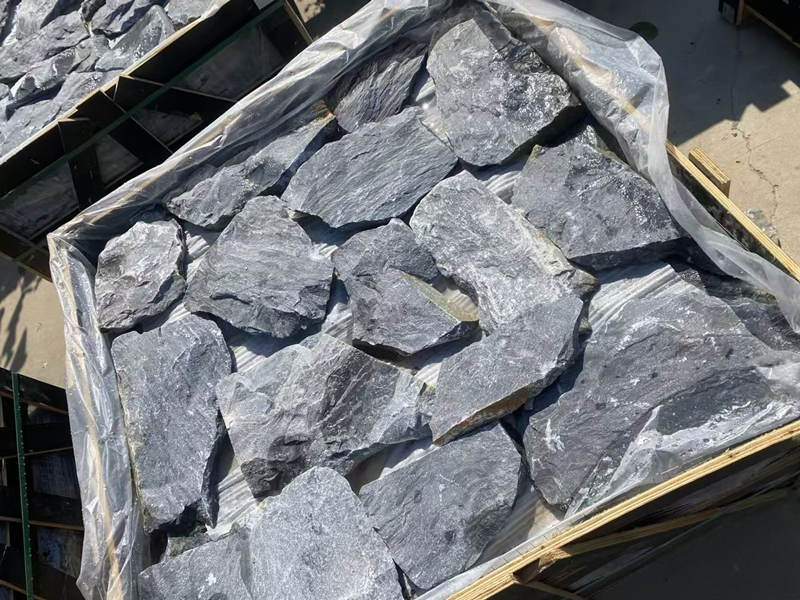
For a rustic mountain aesthetic, neutral foundations such as taupe, greige, and warm whites are the most popular choices. These colors blend seamlessly with natural fieldstone, creating a soft, cohesive look. If you are aiming for a more contemporary “mountain modern” style, using a darker charcoal or slate-toned mortar can provide a high-contrast effect that highlights the individual shapes and textures of the stones.
The Impact of Mortar Tone on Fieldstone Aesthetics
The choice of grout color acts as the “visual frame” for natural fieldstone. When selecting a palette for 2026 mountain modern projects, architects must consider how the mortar color interacts with the natural mineral veining of the stone. A matching mortar tone (monochromatic) tends to soften the overall appearance, making the fireplace surround feel like a solid, monolithic structure. Conversely, a contrasting mortar color defines the polygonal geometry of each individual fieldstone, emphasizing the artisan nature of the hand-laid masonry.
- Light Neutrals (Taupe/Greige): Best for traditional rustic designs where the goal is a timeless, weathered look that mimics century-old hearths.
- Dark Tones (Charcoal/Slate): Ideal for modern industrial or “mountain modern” interiors, creating sharp definition and a sense of luxury.
- Oversanded Joints: A technique where mortar is slightly spread over the stone edges to create an “Old World” European cottage aesthetic.
Technical Grout Application for High-Heat Zones
Beyond aesthetics, the mortar used in the “pop” areas must be polymer-modified to handle the localized thermal stress at the firebox header. We recommend using Type S masonry mortar mixed with high-strength bonding agents to ensure the grout lines do not shrink or hairline-crack over time. For the best visual result, the mortar should be “raked” or recessed by about 1/2 inch to create deep shadow lines, which adds three-dimensional depth to the fireplace facade under ambient room lighting.
Conclusion
Combining natural fieldstone veneer with proper firebox framing and structural arch techniques ensures a fireplace that balances rustic aesthetics with long-term heat resistance. Using individually sawn-back stones allows for a secure bond to cement backer boards, while matching L-shaped corners provide the full-depth visual integrity of traditional masonry. These technical standards protect the structural masonry and maintain the organic character of the stone for years to come.
You can review your current project specifications against our climate-tested natural stone range to find the ideal texture for your design. Contact our team to request a technical data sheet or a sample of our quarry-sourced fieldstone collections.
Frequently Asked Questions
Can you use fieldstone veneer for a fireplace?
Yes, fieldstone veneer is an ideal choice for fireplace surrounds. Natural stone facades are a dominant design choice in the rustic mountain market because they provide a dramatic focal point while being lighter and easier to install than full-thickness stone. It can be applied over a non-combustible substrate like cement backer board or masonry to achieve a traditional stacked stone look.
How to build a fieldstone fireplace surround?
Building a surround begins with a solid, non-combustible foundation. Apply a scratch coat of Type S mortar over a metal lath fastened to the framing. Once cured, back-butter each fieldstone and press it firmly into place, working from the bottom up. To achieve a modern mountain aesthetic, focus on tight joints or “dry-stack” appearances, and consider pairing the stone with a reclaimed wood mantel for a balanced, sophisticated finish.
Is natural fieldstone heat resistant?
Natural fieldstone is inherently heat resistant and highly durable, making it perfectly suited for fireplace exteriors. While it can withstand the radiant heat from a firebox, it is important to use fire-rated mortar and ensure the stones are not in direct contact with the internal flame. Proper installation ensures the stone maintains its integrity and color without cracking under standard thermal expansion.
How to make a stone arch over a firebox?
To create a stone arch, first construct a temporary wooden template (a “centering”) in the shape of the desired arch. Arrange your fieldstones along this curve, ensuring the “keystone” is placed at the very top center to lock the structure. Use high-strength mortar for the joints. Once the mortar has fully set and cured, the wooden support is removed, leaving the self-supporting stone arch as a classic architectural feature.
Best mortar color for a rustic fireplace?
For a rustic mountain aesthetic, neutral foundations such as taupe, greige, and warm whites are the most popular choices. These colors blend seamlessly with natural fieldstone, creating a soft, cohesive look. If you are aiming for a more contemporary “mountain modern” style, using a darker charcoal or slate-toned mortar can provide a high-contrast effect that highlights the individual shapes and textures of the stones.
