
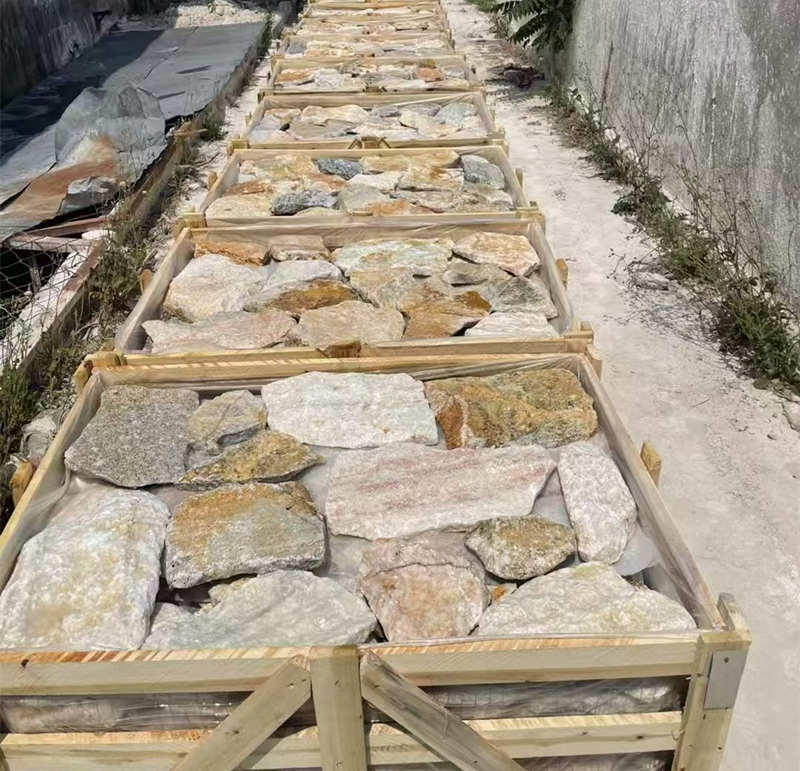
Grouting Styles directly impact project profitability by either securing client approval or triggering expensive rework when the finished texture fails to meet architectural standards. Mismanaging the mortar-to-stone ratio on irregular fieldstone creates visual inconsistencies that jeopardize a firm’s reputation in the luxury masonry market. Using imprecise jointing methods increases labor costs and leads to material waste that erodes the margins of high-end residential installations.
This guide provides a technical standard operating procedure for overgrouting fieldstone veneer to produce a consistent European farmhouse aesthetic. We compare standard raked joints against the smeared overgrout method and detail the mechanical differences between grout bag application and hand-troweling. The following sections outline the precise brushing techniques needed to reveal stone texture, ensuring field teams deliver a repeatable, high-quality finish across every square foot of the project.
The Aesthetic Power of the Mortar Joint on Irregular Stone
Mortar joints act as the primary architectural tool for defining the visual rhythm and perceived scale of irregular stone installations, bridging the gap between raw natural material and intentional design.
Defining Architectural Character through Joint Selection
Modern masonry design treats the mortar joint as a deliberate design tool. Strategic selection of joint profiles compensates for the inherent irregularities of natural fieldstone, creating a balanced and intentional artistic effect. While tight-fitted joints favor minimalist, contemporary aesthetics, wider profiles emphasize the rugged, organic nature of the stone.
The choice of mortar color and joint width fundamentally shapes the depth and shadow play of the wall. A carefully tuned joint profile transforms individual loose stones into a cohesive surface, allowing designers to control the visual weight and texture of the final feature wall.
Balancing Heritage Restoration with Functional Modernity
Contemporary projects blend traditional profiles with modern performance requirements. Beveled ridge and concave joints enhance water resistance by promoting efficient shedding, which is vital for exterior durability in harsh climates. This approach maintains a historically accurate appearance while ensuring the building envelope remains secure against moisture intrusion.
Selecting 100% quarried stone from a direct source factory ensures the mortar-stone bond remains maintenance-free for decades. Because the material comes from a single quarry vein, the thermal expansion and mineral compatibility between the stone and the mortar remain consistent, preventing the structural degradation common in synthetic alternatives.
The Visual Impact of Mortar on Irregular Fieldstone
Mortar shapes the rhythm of a wall by bridging gaps in “Rough Series” fieldstone, highlighting the authentic character of the material. For interior feature walls, pairing “Flat Series” stones with subtle mortar textures creates a sophisticated, low-profile aesthetic. This interaction turns individual pieces into a unified architectural statement.
High-strength mortar bonds provide a permanent structural anchor that complements the stone’s natural texture. Using matching L-shaped corners provides full-depth visual integrity, making the thin stone veneer indistinguishable from traditional, heavy-set stone walls while benefiting from a lighter, precision-sawn back profile.
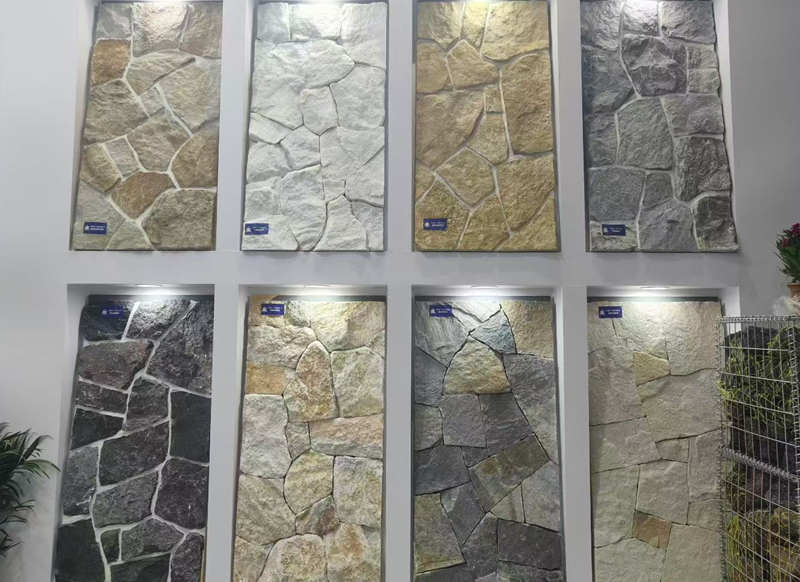
Standard Raked Joints vs The Smeared Overgrout
Selecting between raked and overgrouted joints defines whether a project emphasizes the individual geometry of each stone or the unified, historical mass of the entire wall.
Standard raked joints serve as the baseline for modern masonry. In this approach, installers tool the mortar to a consistent depth—usually 1/2 inch to 3/4 inch—leaving a clean, recessed profile that allows each stone to cast a distinct shadow. This technique highlights the “Bespoke Random-Lay Pattern” of Top Source Stone fieldstone, emphasizing the natural variation and clean, sawn-back edges of the individual units. While aesthetically sharp, raked joints require careful maintenance in exterior applications to prevent water from pooling on the exposed stone ledges.
| Feature | Standard Raked Joint | Smeared Overgrout |
|---|---|---|
| Visual Impact | High-contrast shadows; defines stone edges. | Old-world, monolithic “cottage” look. |
| Mortar Volume | Standard (fills joint only). | High (covers edges and some stone face). |
| Best Application | Modern residential; interior accent walls. | Heritage restoration; French Country styles. |
The Mechanics of the Overgrout Aesthetic
Overgrouting shifts the focus from the stone to the mortar seam. Installers apply the mix liberally so it sits flush with or even extends past the stone face, intentionally blurring the boundaries between units. This method effectively masks inconsistencies in irregular fieldstone, creating a rugged, “full-depth visual integrity” that mimics centuries-old European masonry. It is a highly manual process where the grout becomes a design element in its own right, often requiring a larger mortar budget due to the increased volume needed to cover stone edges.
Would you like me to generate the technical specifications for the mortar mix ratios best suited for these different joint styles?
Premium Ledger Panels for Architectural Excellence

The European Cottage Aesthetic (German Smear Technique)
The German Smear technique bridges the gap between raw masonry and finished architecture by using mortar as a semi-transparent textural element rather than a simple joint filler.
Historical Roots of the Old-World Look
This masonry style originates from centuries of Northern European building traditions. In these regions, masons used surplus mortar to smear over irregular stone joints to provide additional structural stability and weatherproofing. Today, we replicate this weathered appearance to evoke a sense of heritage and permanence. By partially obscuring the stone faces with a white or off-white mortar wash, installers create a unified surface that looks like it has stood for generations.
2026 residential designs heavily favor this “lived-in” aesthetic because it softens the aggressive profile of raw fieldstone. Unlike modern tight-fit joints that prioritize clean lines, the German Smear celebrates the human element of masonry. It turns a standard exterior wall into a focal point that suggests history and architectural depth, making it a preferred choice for high-end custom builds and heritage restoration projects.
Visual Impact on Natural Stone Variations
Applying a smear technique to natural stone like Top Source Stone’s Rustic Irregular series transforms the wall’s color palette. The mortar acts as a filter, muting high-contrast color shifts between individual stones while highlighting the physical ridges and textures of the quartzite or sandstone. This creates a cohesive look where the individual stones blend into a singular, textured tapestry.
The technique proves highly effective on interior features like fireplaces or kitchen backsplashes. It allows the heavy texture of 25–40mm thick veneer to remain prominent without overwhelming the room with dark or varied stone colors. The sawn-back nature of our loose stone ensures that even with a heavy smear, the stones maintain a flat, secure bond to the substrate, preventing the “bulky” look often seen with inferior, non-sawn products.
Long-Term Durability and Maintenance Benefits
Choosing a German Smear over a traditional limewash or paint provides superior longevity. Because the finish utilizes actual mortar, it becomes a permanent part of the masonry. You avoid the peeling and frequent maintenance cycles associated with surface coatings. The mortar protects the joints from UV exposure and harsh weather, making it an excellent choice for North American and European climates prone to freeze-thaw cycles.
- Permanent Bond: The mortar-based wash adheres chemically to the natural stone, eliminating the need for repainting.
- Natural Patina: The finish gains character as it ages, resisting the “dirty” look of aged paint by developing a natural mineral crust.
- UV Stability: High-density quartzite and natural sand-based mortars maintain color fastness even under direct, high-intensity sunlight.
Would you like me to generate a material comparison table to help you select the best mortar-to-stone ratios for your next project?
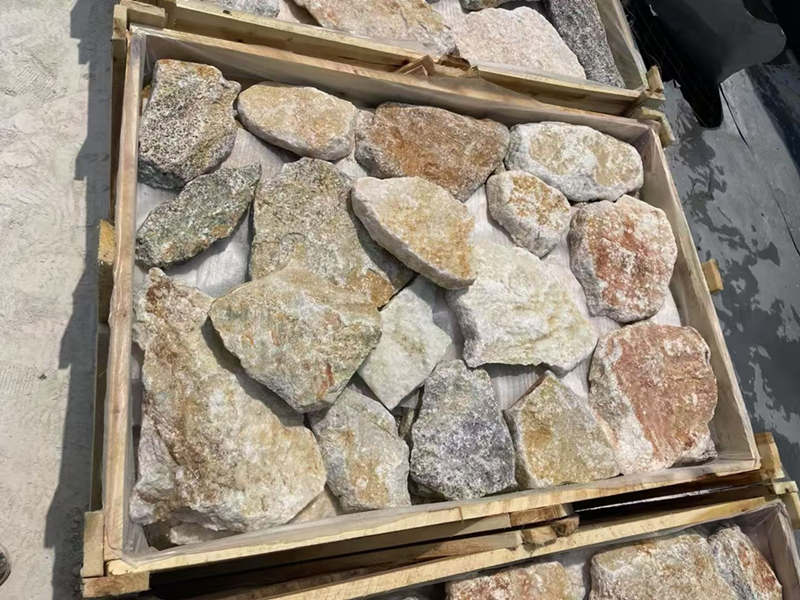
Using a Grout Bag vs Hand-Troweling the Joints
Choosing between a grout bag and hand-troweling depends on the desired joint width and the specific texture of the natural stone, as each method fundamentally alters both the installation speed and the final weather-resistance of the facade.
Precision Application with Grout Bags
Grout bags serve as the primary tool for filling deep joints in irregular fieldstone installations. This method provides a controlled flow of mortar, which is essential when working with 25–40mm thick veneer to ensure the material reaches the back of the stone for a structural bond. By directing the mortar specifically into gaps ranging from 1/4 inch to 3/8 inch, installers protect the face of the natural stone from accidental overspill and staining. Success with this tool requires a “cake batter” mortar consistency—fluid enough to move through the tip without clogging, yet firm enough to stay seated in the joint without sagging.
| Feature | Grout Bag Method | Hand-Troweling (Pointing) |
|---|---|---|
| Ideal Joint Width | 1/4″ to 3/8″ (Standard to Wide) | Under 1/4″ (Tight or Dry-Stack Look) |
| Application Speed | High – Efficient for large areas | Low – Detail-oriented/Artisanal |
| Mortar Consistency | Wet/Plastic (Pippable) | Stiff/Damp (Thixotropic) |
| Best For | Deep fill and Overgrouting styles | Historical restoration and tight joints |
The Art of Hand-Troweling and Pointing
Hand-troweling and tuck-pointing offer a tactile, artisanal finish that grout bags cannot replicate. We utilize this technique for high-durability commercial facades where maximum mortar compaction is required. For the 2026 standards of building envelope integrity, hand-pointing allows the mason to manually compress the mortar into the smallest crevices of the individually sawn-back stone. This level of manual manipulation is particularly useful for “dry-stack” looks where the goal is to keep the mortar hidden deep within the joints while still providing the necessary adhesive bond between the stone and the substrate.
Tooling and Finishing Techniques
Regardless of the initial application method, the timing of the strike defines the project’s aesthetic and longevity. Professionals wait until the mortar is “thumb-print hard” before using a jointing tool to strike the surface. This compression seals the edges of the joint against water infiltration—a critical step for exterior walls exposed to freeze-thaw cycles. Brushing away excess material should only happen after the initial set; premature brushing smears wet mortar across the unique textures of the natural stone, dulling the vibrant colors of quartzite.
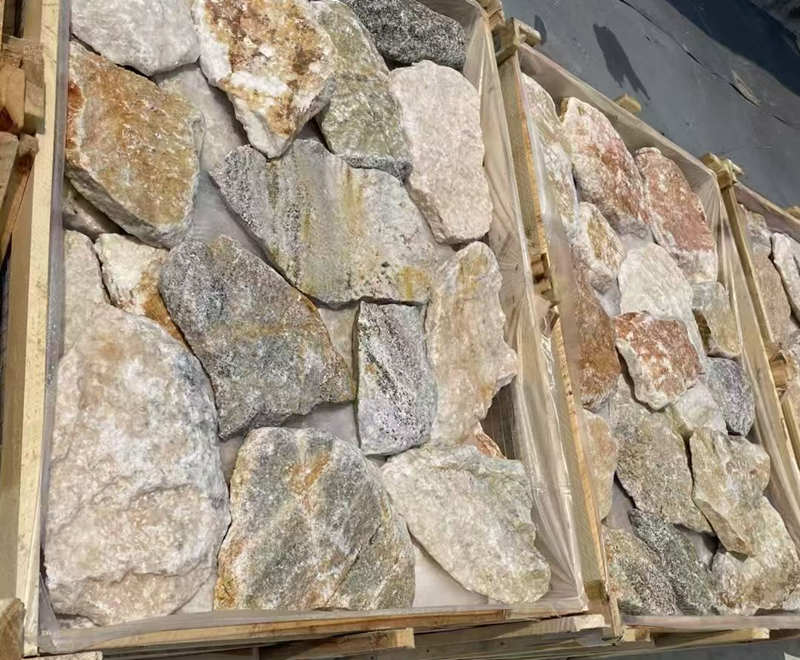
Brushing the Mortar to Reveal the Fieldstone Texture
The final aesthetic of an overgrouted wall is determined not during the application of the mortar, but during the brushing phase, where the timing of the strike dictates how much of the natural stone’s 100% mineral color remains visible.
Timing the Set: The “Thumb-Print” Benchmark
In 2026 high-end masonry standards, brushing must occur only after the mortar has reached a specific state of dehydration known as “thumb-print hard.” If you brush too early, the wet mortar smears across the stone’s face, creating a dull, muddy film that obscures the vibrant quartzite or sandstone textures. If you wait too long, the mortar becomes too rigid to manipulate, leading to a jagged finish that lacks the soft, weathered appeal of an authentic European farmhouse.
Mechanical Brushing Techniques for Texture Control
We recommend using a medium-stiff nylon brush or a specialized horsehair masonry brush to achieve a repeatable, high-quality finish. The goal is to gently knock down the high points of the smeared grout while the material is still pliable.
-
For a Heavy Smear: Use a light, circular motion to flatten the grout flush with the stone edges.
-
For a Semi-Transparent Look: Apply more pressure to the center of larger boulders to “reveal” the stone’s primary face, leaving the heavy mortar concentrations in the deep recesses.
Preserving 100% Mineral Color and Edge Definition
One of the primary advantages of Top Source Stone’s 25–40mm sawn-back veneer is that the uniform depth allows the brush to glide across a relatively consistent plane. This prevent “gouging” where the brush pulls too much material out of a deep joint. By carefully brushing away the surface efflorescence and loose sand particles, you ensure the final project displays full-depth visual integrity. This process creates a natural patina that mimics centuries of wind-driven erosion, a look that is highly sought after in luxury residential and hospitality designs.
Conclusion
Mastering the technical nuances of overgrouting and brushing transforms a standard fieldstone installation into a high-value architectural statement. While standard raked joints celebrate the individual geometry of each stone, the German Smear technique offers a monolithic, historic aesthetic that simplifies the visual complexity of irregular shapes.
For B2B contractors and project managers, the choice of grouting style is a strategic balance between labor efficiency and architectural vision. Utilizing Top Source Stone’s 25–40mm sawn-back veneer provides the necessary flat bonding surface to ensure these heavy mortar applications remain structurally secure and moisture-resistant. By implementing a disciplined brushing workflow at the “thumb-print hard” stage, masonry teams can deliver the repeatable, elite-level finish required for 2026 luxury residential and commercial facades.
Frequently Asked Questions (FAQ)
1. What is overgrouting on fieldstone veneer?
Overgrouting is a masonry technique where mortar is applied liberally to fill and slightly overflow the joints, covering up to 40% of the stone’s face. Unlike recessed joints, overgrouting creates a flush, rugged surface that mimics the hand-laid look of 18th-century European masonry.
2. How do you achieve the “German Smear” look on stone veneer?
To achieve a German Smear, installers smear wet mortar across the joints and partially over the stone’s surface using a trowel or grout bag. Once the mortar begins to set (thumb-print hard), it is brushed with a stiff masonry brush to reveal the high-relief textures of the stone while maintaining a semi-transparent mortar wash.
3. Should mortar be flush with fieldstone or recessed?
This depends on the desired aesthetic. Flush mortar (overgrouting) creates a rustic, old-world “cottage” look and is often more weather-resistant in freeze-thaw climates. Recessed or “raked” joints create deep shadow lines that emphasize the individual shapes of the stones, suitable for modern or contemporary designs.
4. How do you grout irregular stone walls without staining the face?
For precision work, use a grout bag to inject mortar directly into the deep joints of irregular stone. If a clean look is required, avoid smearing wet mortar on the face. If a German Smear is intended, the “staining” is part of the aesthetic, but the stone should still be brushed at the correct time to prevent a muddy, dull finish.
5. Does overgrouting require more mortar than standard jointing?
Yes. Because overgrouting involves filling the joints flush to the stone’s face and occasionally smearing the surface, it typically requires 15% to 25% more mortar than standard raked joints. Contractors should adjust their material budgets and mixing schedules accordingly when specifying a German Smear finish.
