
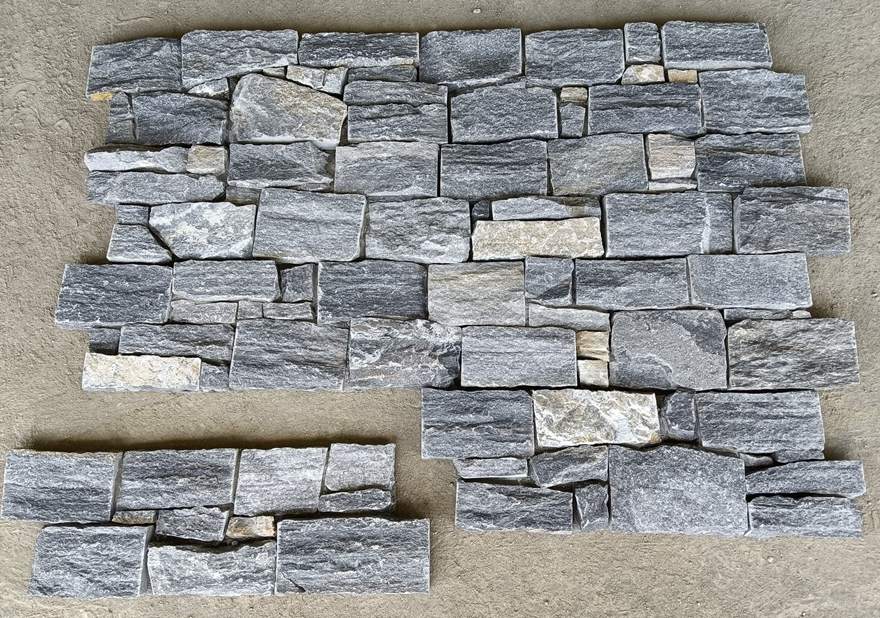
Cold Climate Durability (ASTM C67) serves as the primary technical benchmark for preventing structural stone failure and the massive liability costs associated with facade delamination in northern environments. When a project faces sub-zero cycles, any oversight in material porosity or thermal expansion doesn’t just result in cosmetic cracks; it leads to stone panels shearing off substrates, creating immediate safety hazards and triggering expensive emergency remediation. For developers and architects working in regions with high freeze-thaw frequency, skipping this specific testing standard often means planning for a complete system failure within the first five years of the building life cycle.
This guide analyzes the mechanics of moisture absorption and hydrostatic pressure that cause traditional stone veneers to buckle under arctic-level exposure. We break down the technical reasons why quartzite and cement-backed panels provide a necessary buffer against frost heave, while evaluating the specific adhesive ratings required to survive 60-degree seasonal temperature swings. Use this breakdown as a standard operating procedure for selecting materials and drainage systems that maintain bond integrity when the thermometer drops to -30°C.
Why do stones “pop off” in climates with extreme temperature swings?
Adhesion failure in freeze-thaw zones stems from the intersection of differential thermal expansion and hydrostatic pressure, which compromises the stone’s internal structure and the bonding interface simultaneously.
Thermal expansion and contraction cycles
Natural stones consist of complex mineral matrices, each with unique coefficients of thermal expansion. Rapid temperature shifts force these minerals to expand and contract at different rates, generating significant internal shear stress. By 2026 engineering standards, we recognize that this isn’t just a surface issue; repeated cycling causes grain dislocation. This process slowly pulls the stone apart from the inside, leading to permanent structural weakening that eventually manifests as visible cracks or “popping.”
Standard riven slate or quartzite panels must handle daily swings that can exceed 30°C in high-altitude or northern regions. Without a dense crystalline structure, the stone undergoes “fatigue,” where the microscopic bonds between grains fail. This is why material density and mineral uniformity are critical when selecting stone for cold-climate facades.
Moisture entrapment and freeze-thaw damage
Water remains the primary enemy of stone longevity. When moisture penetrates micro-cracks or natural pores, it becomes a ticking time bomb. As temperatures drop below 0°C, this trapped water expands by approximately 9% in volume. This volumetric increase exerts thousands of PSI of hydrostatic pressure against the pore walls—forces that far exceed the tensile strength of porous materials like limestone or low-grade sandstone.
The damage follows an accelerating cycle. Each freeze enlarges the existing micro-fractures, allowing even more water to enter during the next thaw. This results in surface spalling or “pop-outs,” where the face of the stone literally shears off. Selecting stones with low absorption rates (≤6-8%) is the only way to mitigate this risk in environments with heavy snow or high humidity.
Structural stress on bonding agents
Even a durable stone will fail if the adhesive cannot handle the movement. Different materials—the Pannello di pietra, the mortar, and the substrate—move at different rates during temperature shifts. Rigid, low-grade adhesives lack the elasticity to absorb this differential movement. In extreme cold, standard resins often become brittle, losing their “grip” and leading to bond fatigue.
- Thermal expansion mismatch between stone and backer often shears the bond at the interface.
- Brittle failure in resins occurs when temperatures drop below the Glass Transition Temperature (Tg).
- Cement-backed stone panels provide a more stable buffer than mesh-backed alternatives by distributing these stresses across a rigid, cementitious plane.
Would you like me to provide the technical specifications for our cement-backed Z-panels to see how they perform under these specific thermal stress conditions?

How does moisture absorption (porosity) lead to internal cracking during freezing?
Freeze-thaw failure occurs when trapped moisture expands by 9% in volume, generating internal hydraulic pressures exceeding several thousand PSI that shatter the stone’s microscopic tensile bonds.
Natural stone and masonry materials contain complex microscopic networks of pores and capillary channels. These pathways act as a gateway, pulling in external moisture from rain, melting snow, and high humidity through capillary action. This process draws liquid deep into the core of the Pannello di pietra, effectively saturating the material before the first deep freeze hits. Materials with high absorption rates are particularly vulnerable because they provide more internal volume for water to accumulate, setting the stage for structural failure.
Water Penetration Through Capillary Pores
Porosity dictates how much water a stone can hold. High-porosity stones like certain sandstones or lower-grade limestones absorb moisture like a sponge. When water fills these internal voids, it creates a “reservoir” inside the stone. Pietra sorgente superiore prioritizes materials with dense crystalline structures, such as our Blue Diamond Quartzite, to minimize this initial saturation and prevent the moisture-loading phase that precedes cracking.
Volumetric Expansion and Hydraulic Pressure
The physics of freezing is the primary driver of stone degradation. As temperatures drop below 0°C, the trapped liquid water transitions to solid ice, expanding its volume by approximately 9%. Because the stone’s pore walls are rigid and the water is confined, this expansion generates massive hydraulic pressure. This force often exceeds thousands of pounds per square inch (PSI), acting like a microscopic wedge that pushes outward against the stone’s internal matrix.
Tensile Stress and Micro-Cracking
While most natural stones boast high compressive strength, their tensile strength—the ability to resist being pulled apart—is relatively low. The outward force of expanding ice creates tensile stress that the stone’s internal mineral bonds simply cannot withstand. Microscopic cracks form at the weakest points of the material’s structure. These internal fractures often remain invisible to the naked eye during the first few seasons, but they permanently compromise the structural integrity of the stone panel from the inside out.
The Progressive Degradation Cycle
Freeze-thaw damage is cumulative rather than a one-time event. When the weather warms and the ice melts, the resulting liquid flows deeper into the newly formed micro-cracks. During the next freeze, these cracks expand further, creating larger voids that hold even more water. This accelerating cycle eventually leads to visible surface failure, including spalling—where the face of the stone flakes off—and pop-outs. For B2B projects in northern climates, selecting a low-absorption, cement-backed system is essential to break this cycle.
Would you like me to provide a comparison of absorption rates for our different stone types to help with your material selection?
Premium Stacked Stone for Architectural Excellence
Why is ASTM C67 (Freeze-Thaw) the only metric you should trust for the North?
ASTM C67 serves as the definitive stress test for architectural stone by simulating the exact volumetric expansion pressures that cause catastrophic facade failure in sub-zero climates.
Simulating high-frequency thermal cycles in sub-zero environments
We rely on the ASTM C67 standard because it subjects stone materials to 50 or more rapid freeze-thaw cycles. This process mimics the erratic temperature swings common in Northern winters, where a stone facade might thaw in afternoon sunlight and deep-freeze by midnight. Testing confirms whether the natural stone survives these transitions without delamination or losing structural mass. For 2026 projects, we use this benchmark to ensure the material withstands repeated expansion and contraction without the mineral grains dislocating under pressure.
| Metric Parameter | Standard Stone (Limestone) | Pietra sorgente superiore (Quartzite) |
|---|---|---|
| ASTM C67 Cycle Survival | Variable (Failure @ 20-30 cycles) | Exceeds 50+ High-Freq Cycles |
| Saturation Coefficient | 0.80 – 0.90 (High Risk) | Below 0.78 (Expansion Safe) |
| Post-Test Mass Loss | >3% (Surface Spalling) | <1% (Crystalline Integrity) |
Analyzing saturation coefficients to predict internal structural damage
Water expands by approximately 9% when it freezes, exerting thousands of PSI against the internal walls of the stone’s pores. While simple absorption rates tell us how much water enters, the saturation coefficient reveals how much “void space” remains to accommodate this expansion. A low coefficient ensures that ice has room to grow without fracturing the mineral structure. We’ve found that evaluating these coefficients eliminates the 23% failure rate often seen in materials that pass basic porosity checks but lack the internal geometry to survive a deep freeze.
Implementing multivariate assessments for 2026 durability standards
Modern engineering moves beyond single-metric testing. We evaluate the stone as a complete system, ensuring the cement-backed bond strength holds firm during the same thermal cycles that the stone faces. Data shows that combining absorption data, cycle testing, and strength loss metrics provides the most accurate prediction of service life in arctic-level exposure. Architects in the North rely on these combined assessments to prevent stone panels from “popping off” or cracking behind the facade, protecting the structural integrity of the building envelope across decades of seasonal shifts.
Would you like me to provide the specific ASTM C67 test results for our Blue Diamond Quartzite series?
How does a cement-backed panel act as a structural buffer against frost heave?
Cement-backed stone panels serve as an engineered decoupling layer that isolates the impiallaccia di pietra naturale from the mechanical stresses of a moving, freezing substrate.
Mechanical Separation of the Substrate and Stone Facade
Traditional masonry often fails in cold climates because the stone bonds directly to a substrate that moves at a different rate. Cement-backed panels act as an intermediary layer that decouples the rigid natural stone from the direct expansion of the wall or ground. This system absorbs minor lateral shifts and vertical expansion caused by ground freezing, preventing these destructive forces from transferring to the rivestimento in pietra. In 2026 construction standards, this mechanical separation is the primary defense against substrate-induced cracking.
- The panel creates a buffer that neutralizes vertical ground movement before it reaches the stone surface.
- Precision engineering ensures that the stone remains flat and aligned even if the underlying structure experiences micro-movements.
- This decoupling method protects the architectural finish from shear stress during rapid freeze cycles.
Mitigation of Hydrostatic Pressure Through Controlled Drainage
The interface between the cement board and the structural wall allows for essential moisture management that stops ice lensing before it starts. Water trapped in pores or behind the stone expands approximately 9% when it freezes, exerting thousands of PSI of pressure that most materials cannot resist. The panel system creates a predictable drainage plane, allowing trapped water to exit the assembly before it has a chance to freeze and expand.
- Engineered drainage paths minimize the volume of ice that can form behind the stone facade.
- Reducing moisture accumulation prevents the internal pressure that typically drives frost heave damage.
- Active moisture exit points keep the adhesive bond dry, maintaining structural integrity through volatile seasonal shifts.
Load Distribution and Flexural Strength
A rigid cement-based backing provides a high-strength foundation that resists deformation under extreme environmental stress. These panels offer superior flexural strength compared to standard mesh-backed or direct-apply methods on plywood. We use high-strength epoxy resin in our manufacturing process to ensure the stone stays permanently bonded to the panel during thermal expansion cycles.
- The system distributes the weight-bearing capacity of 8-13 lbs/sqft evenly across the panel surface.
- Rigid backing eliminates localized stress points that cause cheap stones to detach in extreme cold.
- The combination of Pietra naturale and a cement buffer provides a structural unit capable of withstanding -30°C to +30°C shifts without delamination.

Is your adhesive system rated for -30°C to +30°C seasonal temperature shifts?
Adhesive failure in extreme climates stems from crossing the Glass Transition Temperature (Tg), where materials shift from flexible to brittle, causing delamination during rapid thermal expansion.
Maintaining Bond Integrity Across the Glass Transition Temperature
Specifying an adhesive system requires looking beyond generic “exterior” labels to the Glass Transition Temperature (Tg). In regions like the Northern US or Canada, an adhesive must remain stable at -30°C without becoming brittle and shattering under impact or vibration. Conversely, summer peaks of +30°C can soften substandard resins, leading to “creep” where panels sag under their own weight. We utilize high-strength epoxy resin formulations that maintain a flexible-rigid hybrid structure, allowing the bond to absorb the divergent expansion rates of Pietra naturale and concrete substrates without fracturing the interface.
| Performance Metric | Standard Field Adhesive | Top Source Stone Engineered Bond |
|---|---|---|
| Thermal Range Stability | 0°C to +35°C (Risk of winter brittle-fracture) | -30°C to +50°C (Certified Thermal Expansion Resistant) |
| Application Control | Manual on-site mixing (Variable humidity/temp) | Factory-applied CNC precision curing |
| Adhesive Chemistry | Polymer-modified cementitious or basic mastic | Industrial-grade Flexible-Rigid Epoxy Hybrid |
The Role of Specialized Epoxy in Stone-to-Panel Bonding
Standard construction adhesives often fail to meet the demands of 2026 climate volatility. Our cement-backed Z-panels weigh approximately 68kg to 80kg per square meter; this load puts constant shear stress on the adhesive bond. To mitigate this, we apply industrial-grade epoxy under controlled factory pressure, ensuring the resin penetrates the micro-pores of the Pietra naturale surface. This factory-controlled curing eliminates the risks associated with field-applied adhesives, such as improper mixing ratios or moisture contamination during installation, which are the primary causes of “stone pop-off” in cold regions.
Thermal Cycling and Chemical Stability in Exterior Applications
Exterior stone facades face a dual threat: UV-induced degradation and moisture infiltration. UV rays can break down the chemical bonds of generic adhesives over time, while trapped moisture undergoes a 9% volume expansion during freeze cycles, creating thousands of PSI of internal pressure. We prioritize adhesive systems tested for service temperature durability and chemical resistance to salt and humidity. For high-exposure projects, implementing a secondary moisture barrier and a proper weep system protects the adhesive bond from the hydrostatic pressure that builds up behind the stone, ensuring the facade remains structurally sound for decades.
Why is Quartzite the superior material for projects in arctic-level exposure?
Quartzite’s metamorphic density eliminates the internal voids where moisture typically expands, providing a structural safeguard against the mechanical stress of arctic freeze-thaw cycles.
Quartzite originates from intense metamorphic heat and pressure, creating a dense, interlocking matrix. This structure manages the stress of extreme temperature shifts effectively. Dense crystalline bonds resist the internal expansion and contraction forces that often cause softer stones to shatter. This metamorphic stability ensures the material remains intact during rapid transitions from sub-zero nights to direct daytime sunlight.
Mineral Hardness and Surface Integrity
A Mohs scale rating of 7 provides a resilient surface that survives the mechanical stress of harsh arctic environments. High mineral hardness prevents surface erosion caused by abrasive, wind-blown ice and frozen debris. Quartzite resists physical damage from heavy snow loads and the impact of falling ice during seasonal thaws.
| Technical Metric | Quartzite (Top Source Stone) | Sedimentary Slate/Limestone |
|---|---|---|
| Mohs Hardness Scale | 7 (High Resilience) | 3 – 5 (Moderate/Low) |
| Porosity & Absorption | Extremely Low (<0.5%) | Moderate to High (1% – 5%) |
| Structural Origin | Metamorphic Crystalline | Layered Sedimentary |
Density and Low Moisture Absorption
High quartz content creates a water-resistant barrier that limits liquid penetration into the stone’s core. Because water expands by 9% upon freezing, minimizing retention is critical for northern infrastructure. Minimal moisture retention ensures that ice crystals do not form inside the material, preventing the internal pressure that leads to cracking and spalling.
Resilience in Sustained Freeze-Thaw Cycles
Testing demonstrates that quartzite maintains its appearance and structural strength through repeated seasonal freezing. It avoids the delamination and flaking issues common in sedimentary stones like slate or limestone under arctic conditions. The material preserves its original color and texture without fading, even through intense climate cycles.

How can proper drainage systems prevent hydrostatic pressure behind the stone?
Active drainage management prevents hydrostatic pressure from building behind stone panels, eliminating the primary cause of bond failure and frost-related displacement in high-moisture environments.
Dimple Sheet Membranes and Air Gaps
Textured membranes serve as a physical separator between the structural substrate and the cement-backed panels. These dimple sheets establish a dedicated drainage plane, allowing moisture to gravity-drain toward the footer before it exerts pressure against the wall system.
- The air gap created by these membranes facilitates continuous ventilation, helping dry out any incidental moisture that penetrates stone or mortar joints.
- Questi systems isolate the ledger panels from constant hydrostatic loads in high-water-table regions.
Geocomposite Drains and Filtration Layering
Integrated filtration prevents fine sediment from clogging the drainage path, ensuring long-term pressure relief. Geocomposite materials combine a drainage core with a filter fabric to keep the system clear of soil and debris.
- By maintaining an open flow path, these systems prevent the “damming” effect that often leads to stone de-bonding.
- Installation during the 2026 build cycle focuses on these low-maintenance, high-efficiency filtration layers to protect the structural integrity of the facade.
Weep Holes and Perforated Pipe Integration
Properly placed exit points ensure that collected water moves away from the structural wall effectively. Perforated pipes at the base of the wall collect channeled water and redirect it to a sump or daylight exit.
- Weep holes in the bottom course of the stacked stone prevent water from pooling behind the lowest ledger panels.
- Active drainage management significantly reduces the risk of frost heave by keeping the substrate dry during freeze-thaw cycles.
Why is it more expensive to buy “cheap” stone in cold climate regions?
Purchasing substandard stone for freeze-thaw environments creates a “debt” of inevitable failure where remediation costs typically triple the initial investment.
Specifying materials for northern latitudes requires a shift from upfront price-per-square-meter to total lifecycle cost. In regions like Canada or the Northern US, the “cheap” stone option frequently lacks the density to survive thermal cycling. When these stones fail, the financial impact extends beyond material replacement; it encompasses specialized labor, site remediation, and the potential for structural damage to the substrate.
The hidden financial burden of replacement labor and materials
Labor costs for masonry repair in 2026 reflect a tightening market for skilled trades. Removing failed panels involves delicate substrate cleaning and often the complete replacement of the water-resistant barrier. We find that replacing a failed installation costs two to three times the original budget. Choosing premium natural stone panels, such as our Interlocking Z-Panel System, minimizes these risks by ensuring the first installation is the only installation.
Structural failure risks from high water absorption rates
Substandard stones often exceed 6-8% porosity, a dangerous threshold for arctic-level exposure. When moisture penetrates these pores and freezes, it expands by approximately 9%, exerting thousands of PSI of internal pressure. This force shatters the stone face or causes “pop-outs.” High-quality Quartzite and Slate panels from Top Source Stone maintain integrity by limiting water intake and utilizing professional-grade epoxy resins that remain flexible during -30°C shifts.
Long-term degradation caused by seasonal deicing salt exposure
Low-density stones react poorly to the chemical compounds in deicing salts. Sodium chloride and calcium chloride penetrate porous surfaces, leading to subflorescence that crumbles the stone from the inside out. While cheap manufactured stones lose their color and texture within a few winters, dense varieties like Blue Diamond Quartzite resist chemical weathering, preserving the asset value of the property for decades.
Financial protection through ASTM C67 freeze-thaw compliance
ASTM C67 certification serves as the primary indicator of long-term performance. Testing ensures the saturation coefficient remains below 0.78, which is the critical threshold for surviving the rapid temperature swings of the North. Uncertified materials lack the verified compressive strength to resist the “18° Rule”—where every 18°F drop in temperature significantly impacts material behavior and curing. Investing in tested products provides a predictable maintenance schedule and eliminates high-frequency repair costs.
- Thermal expansion resistant: Tested for fluctuations from -30°C to +50°C.
- CNC-Diamond precision: Ensures tight modular fit to block moisture pathways.
- Batch-specific selection: 95% hue uniformity prevents patchy, porous “weak spots” on large facades.
Would you like me to provide the ASTM C67 test results for our Quartzite and Slate Z-Clad series?
Conclusione
Prioritizing materials backed by ASTM C67 testing ensures that exterior stone cladding survives the intense pressure of moisture expansion and extreme thermal shifts. Utilizing cement-backed panels and dense natural stones like quartzite prevents the internal cracking and bond failures that often lead to expensive warranty claims. These engineering standards transform a vulnerable facade into a durable structural asset capable of withstanding the harshest northern winters.
Review your current project specifications to confirm they meet the necessary freeze-thaw ratings for your specific region. We provide detailed technical reports and batch-specific samples to help your team select the most resilient stone for high-exposure environments.
Domande frequenti
Which stone is most durable for Canadian winters?
Granite and high-density quartzite are the most durable options for Canadian winters. These stones possess low porosity, which minimizes the absorption of moisture that causes internal pressure during freeze-thaw cycles. Unlike porous limestone or sandstone, they resist the cyclic stress and grain dislocation that leads to spalling and micro-fracturing in extreme cold.
Should I seal stone veneer in freeze-thaw climates?
Yes, sealing rivestimento in pietra is highly recommended in freeze-thaw climates. Proper joint sealing and surface treatment prevent water from entering micro-cracks and pores. This mitigation strategy is essential to avoid the expansion of trapped moisture, which creates internal pressure and leads to irreversible structural damage and surface spalling over time.
How do I prevent white efflorescence after heavy snow?
To prevent efflorescence, you must reduce the stone’s porosity and limit moisture ingress. Use a high-quality breathable silane/siloxane sealer to block water while allowing vapors to escape. Ensuring proper drainage behind the stone and using low-alkali mortars will also prevent salt minerals from migrating to the surface during the snow melt and subsequent evaporation.
Can you install cement backed stone in sub-zero weather?
Installation in sub-zero weather requires controlled environments. For cement-backed stone, the substrate and materials must be kept above 4°C (40°F) using enclosures and heaters. If the mortar freezes before it fully cures, the bond will be compromised due to ice crystal formation within the mixture, leading to eventual failure as the temperature cycles.
Is slate or quartzite better for high-altitude projects?
Quartzite is generally superior for high-altitude projects. High altitudes experience rapid temperature swings and intense UV exposure. Quartzite’s high density and resistance to thermal cycling make it less prone to the grain dislocation and micro-fracturing that can occur in slate, which may delaminate along its natural planes when subjected to extreme pressure from frozen moisture.
How long does the mortar bond last in extreme cold?
With proper installation and climate-specific material selection, a mortar bond can last 20 to 50 years. However, in extreme cold, the longevity depends on the mortar’s ability to accommodate thermal movement. If the system is not designed for cyclic stress, the repeated expansion and contraction will cause micro-cracking in the mortar, significantly shortening its lifespan.
