

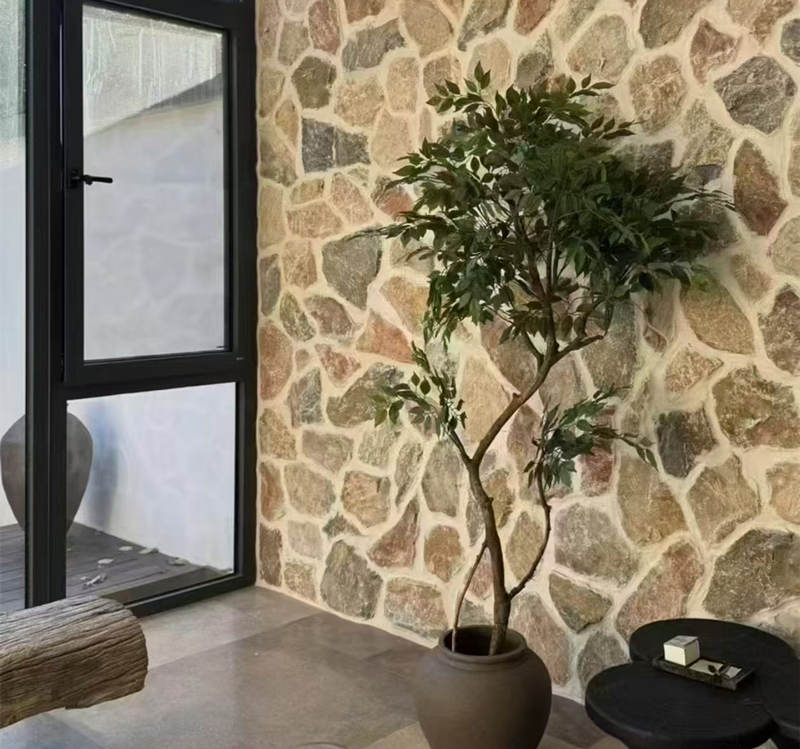
Architects and developers tasked with French heritage restoration often face a difficult trade-off: maintaining the soulful aesthetic of aging masonry without compromising structural stability. Older buildings frequently lack the load-bearing capacity for full-depth stone, yet historical guidelines demand authentic limestone and sandstone textures. Thin stone veneer solves this by delivering the visual depth of traditional French masonry at a manageable weight of 8 to 13 lbs per square foot, removing the need for costly reinforcements or new footings.
This guide profiles the top manufacturers providing slim-profile stone for the French market, focusing on materials that mimic regional Burgundy limestones and Parisian grays. We examine the technical specifications essential for 2026 projects, including 3/4 inch thickness profiles and the critical regulatory requirements of DTU 20.13 standards. You will find detailed insights into sourcing direct from quarries and the mechanical anchorage systems necessary to secure ten-year liability insurance for large-scale commercial developments.
10 Leading Thin Stone Veneer Manufacturers and Suppliers in France
Quick Comparison: Top Picks
| Manufacturer | Location | Core Strength | Verdict |
|---|---|---|---|
| TopSource Stone | China (Global Shipping) | Thin Stone Veneer & Z-panel Systems | Best for factory-direct wholesale and high-precision interlocking systems. |
| Cupa Stone France | Nantes, France | Natural Stone Cladding & Panels | The top choice for local distribution and heritage restoration in France. |
| Orsol | Lot-et-Garonne, France | Wall Cladding & Stone Veneer | Premier manufacturer for authentic traditional French masonry aesthetics. |
| StonePanel (Cupa Group) | France (Regional Offices) | Interlocking Stone Panels | Best for high-rise commercial projects requiring mechanical safety anchors. |
| Pierres Actuelles | Paris/Regional France | Thin Slate Veneer & Slabs | Excellent boutique supplier for luxury interior and landscape designs. |
| Bati Orient | France | Decorative Stone Veneer & Mosaics | Perfect for trend-focused interior designers and DIY retail shoppers. |
| Eurostone France | Lyon, France | Facing Stones & Natural Veneer | Reliable logistics partner for construction industry building code standards. |
| Modulo | Europe (France Distribution) | Interior Stone Veneer & Adhesives | The leading brand for user-friendly, DIY-focused interior renovations. |
| Decopierre | France | Stone-Effect Facing & Coating | A specialized alternative for breathable, joint-free lime-based finishes. |
| Artemis Natural Stone | The Côte d’Azur, France | Thin Stone Slabs & Ledger Panels | Go-to distributor for unique, high-end textures in the luxury villa market. |
TopSource Stone
TopSource Stone operates as a direct manufacturer focusing on the production of authentic natural thin stone veneers, including materials like Slate, Quartzite, and Marble. By maintaining factory control over the entire supply chain, the company provides professional-grade architectural finishes that cater to both residential developments and large-scale commercial projects. Their production line excels in creating diverse textures ranging from the Rough Series to refined Pencil Series designs, ensuring a wide selection for architects and builders who require specific aesthetic outcomes without the typical markups of middleman distributors.
The technical execution of their product line centers on high-precision, interlocking Z-panel systems. These systems are specifically engineered to reduce on-site installation time and labor costs, addressing a major pain point in the masonry industry. By utilizing high-strength epoxy for superior adhesion and supporting full OEM/ODM branding, the factory minimizes procurement risks for global wholesalers. This combination of local manufacturing expertise and specialized shipping capabilities allows them to deliver consistent quality across European and American markets while maintaining competitive factory-direct pricing.
At a Glance:
- 📍 Location: China (Global Shipping)
- 🏭 Core Strength: Thin Stone Veneer, Ledger Stone, Flat Series, Rough Series, Pencil Series, Marble Veneer
- 🌍 Key Markets: France, Europe, USA, Global Wholesale
Why We Picked Them:
| ✅ The Wins | ⚠️ Trade-offs |
|---|---|
|
|
Cupa Stone France
Cupa Stone France serves as a cornerstone in the European natural stone sector, bridging the gap between raw quarry extraction and refined architectural application. By maintaining strict factory control over their supply chain, they provide a reliable source for high-quality stone cladding and specialized panels. Their operations in France emphasize local execution, ensuring that architects and developers receive materials that meet specific regional building codes and aesthetic standards.
The company effectively reduces project risk by managing a sophisticated distribution network that spans across France, Spain, and Portugal. Their catalog focuses on versatile stone solutions that facilitate both the preservation of historic heritage sites and the construction of contemporary structures. This dual focus allows them to support large-scale commercial developments while providing the precision required for delicate restoration work in the French market.
At a Glance:
- 📍 Location: Nantes, France
- 🏭 Core Strength: Natural Stone Cladding, Stone Panels
- 🌍 Key Markets: France, Spain, Portugal
Why We Picked Them:
| ✅ The Wins | ⚠️ Trade-offs |
|---|---|
|
|
Orsol
Based in Lot-et-Garonne, Orsol serves as a premier French manufacturer dedicated to the craft of stone veneers and wall cladding. The company focuses on merging modern industrial precision with the timeless aesthetic of regional French architecture. By keeping production local, they maintain tight factory control over the molding and coloration processes, ensuring every piece of manufactured stone captures the authentic texture and warmth of natural materials.
Buyers often choose this specialist to reduce the risks associated with inconsistent finishes found in mass-market imports. Their execution emphasizes durability and visual depth, making their pillars and veneers suitable for high-end residential and commercial projects. Since they manage the entire lifecycle from design to manufacturing within France, they provide a reliable supply chain for European builders who prioritize aesthetic heritage and local manufacturing standards.
At a Glance:
- 📍 Location: Lot-et-Garonne, France
- 🏭 Core Strength: Wall Cladding, Pillars, Stone Veneer
- 🌍 Key Markets: France, European Union
Why We Picked Them:
| ✅ The Wins | ⚠️ Trade-offs |
|---|---|
|
|
StonePanel (Cupa Group)
StonePanel represents a significant advancement in natural stone cladding by combining aesthetic appeal with industrial-grade safety standards. This patented system addresses the primary risks associated with high-rise exterior facades through a design that incorporates stainless steel mechanical anchors directly into the stone panels during the manufacturing process. By shifting the complex assembly from the job site to a controlled factory environment, the system ensures that every component meets rigorous structural requirements while maintaining the authentic look of traditional masonry.
The interlocking S-shaped design minimizes visible joints, creating a seamless stone surface that caters to global commercial architecture. Architects and builders in the French market choose this solution specifically to reduce installation times and mitigate the risks of manual errors common with traditional wet-set stone. Because the mechanical anchors allow for high-altitude installation, the system provides a reliable way to utilize heavy-duty cladding on skyscrapers and public buildings where safety regulations are most stringent.
At a Glance:
- 📍 Location: France (Regional Offices)
- 🏭 Core Strength: Interlocking Stone Panels, Heavy-duty Cladding
- 🌍 Key Markets: Global Commercial Architecture, France
Why We Picked Them:
| ✅ The Wins | ⚠️ Trade-offs |
|---|---|
|
|
Pierres Actuelles
Pierres Actuelles operates as a specialized distributor within the French market, focusing on the bridge between raw natural materials and refined architectural application. By maintaining a local presence in Paris and regional France, they provide decorators and architects with direct access to high-end stone slabs and thin slate veneers. Their approach emphasizes local execution, ensuring that materials meet the aesthetic and structural requirements of luxury residential and European commercial projects.
The company manages supply risks by vetting stone quality at the source and handling the complexities of regional logistics across France, Belgium, and Luxembourg. They maintain strict factory control over their product range to ensure that thin veneers retain the natural texture and durability of full-thickness stone while remaining lightweight for modern interiors. This streamlined distribution model reduces the typical overhead and uncertainty associated with sourcing raw stone, making them a reliable partner for small-scale luxury builds.
At a Glance:
- 📍 Location: Paris/Regional France
- 🏭 Core Strength: Thin Slate Veneer, Natural Stone Slabs
- 🌍 Key Markets: Luxembourg, France, Belgium
Why We Picked Them:
| ✅ The Wins | ⚠️ Trade-offs |
|---|---|
|
|
Bati Orient
Bati Orient operates as a prominent specialist in the French decorative material sector, carving out a specific niche within the home improvement landscape. They primarily serve the French DIY retail market and interior design professionals who require aesthetic variety without the structural weight of traditional masonry. By focusing on thin stone technology and mosaics, they bridge the gap between heavy construction materials and high-end interior finishing, ensuring their catalog stays aligned with current European decor trends.
The company maintains tight control over its supply chain to meet the rigorous inventory demands of large-scale retail chains. Their operational model prioritizes local execution and availability, allowing French distributors to stock fashionable stone products without the logistical risks associated with direct overseas sourcing. This approach reduces uncertainty for retailers, as Bati Orient manages the quality inspections and factory standards required to maintain a consistent presence in premium decorative showrooms across the country.
At a Glance:
- 📍 Location: France
- 🏭 Core Strength: Decorative Stone Veneer, Mosaics
- 🌍 Key Markets: French DIY Retailers, Interior Designers
Why We Picked Them:
| ✅ The Wins | ⚠️ Trade-offs |
|---|---|
|
|
Eurostone France
Eurostone France operates as a bridge between global quarries and the French building sector, focusing on the rigorous technical requirements of local architecture. They manage the entire supply chain for natural stone veneers and facing stones, ensuring every shipment complies with national building codes. By maintaining direct relationships with international extraction sites, they give builders and developers access to a wide variety of textures and finishes while maintaining strict quality control over every batch.
Their execution strategy centers on reducing the risks associated with international stone procurement. They handle the logistical complexities of moving heavy materials from diverse global origins into their French distribution hubs. This localized presence allows them to offer predictable lead times and inventory stability for large-scale projects. By overseeing factory production at the source, they ensure that the final facing stones arrive ready for installation, meeting the precise aesthetic and structural expectations of their Western European clients.
At a Glance:
- 📍 Location: Lyon, France
- 🏭 Core Strength: Facing Stones, Natural Stone Veneer
- 🌍 Key Markets: Western Europe
Why We Picked Them:
| ✅ The Wins | ⚠️ Trade-offs |
|---|---|
|
|
Modulo
Modulo established itself as a leader in the European home improvement landscape by specializing in lightweight stone veneer solutions. The brand focuses heavily on the interior DIY sector, providing homeowners with the ability to transform living spaces without needing professional masonry skills. By prioritizing thin-profile designs, they ensure that their products are manageable for solo projects and compatible with a wide range of existing wall surfaces found in modern apartments and houses.
The company maintains a strong logistical presence in France, which allows for efficient distribution across the primary European DIY markets. Their operational strategy centers on simplifying the renovation process through cohesive adhesive systems and pre-calculated kits. This approach reduces the technical barriers typically associated with stone installation, as the factory-controlled dimensions and weight of each piece allow for quick application and a significant reduction in project timelines and labor risks.
At a Glance:
- 📍 Location: Europe (France Distribution)
- 🏭 Core Strength: Interior Stone Veneer, Adhesive Systems
- 🌍 Key Markets: European DIY Market, France
Why We Picked Them:
| ✅ The Wins | ⚠️ Trade-offs |
|---|---|
|
|
Decopierre
Decopierre provides a specialized lime-based solution designed to transform building exteriors into textured stone surfaces. Unlike standard cladding, this material is applied directly to the facade, allowing technicians to hand-carve details that replicate the appearance of traditional French limestone or rustic masonry. This process ensures the finish blends naturally with existing architecture, particularly in regions where heritage aesthetics are a priority.
The company maintains tight control over the application process through trained local installers, which reduces the risks typically associated with third-party masonry work. By utilizing a factory-formulated lime crushed stone mix, Decopierre offers a breathable finish that supports the structural integrity of older buildings. This approach provides the visual weight and texture of authentic stone while significantly lowering the load on the building’s exterior walls.
At a Glance:
- 📍 Location: France
- 🏭 Core Strength: Stone-Effect Facing, Wall Cladding
- 🌍 Key Markets: French Residential Market
Why We Picked Them:
| ✅ The Wins | ⚠️ Trade-offs |
|---|---|
|
|
Artemis Natural Stone
Artemis Natural Stone operates as a premier supplier for the Mediterranean coastal strip, specifically targeting the high-end residential sector. Their catalog centers on thin stone slabs and ledger panels that allow for grand architectural statements without the structural weight of traditional masonry. By sourcing materials from specialized quarries worldwide, they maintain a portfolio of rare geological patterns that cater to the specific aesthetic demands of luxury villas and upscale commercial projects.
The distributor ensures high standards through rigorous factory control at the source, managing the risks associated with international stone procurement. Their presence in the Côte d’Azur facilitates local execution, providing architects and developers in Southern France with direct access to exotic textures. This focused approach allows for a streamlined supply chain where the emphasis remains on the visual impact and tactile quality of the stone surface, ensuring each slab meets the precise requirements of its site-specific application.
At a Glance:
- 📍 Location: The Côte d’Azur, France
- 🏭 Core Strength: Thin Stone Slabs, Ledger Panels
- 🌍 Key Markets: Luxury Real Estate, Southern France
Why We Picked Them:
| ✅ The Wins | ⚠️ Trade-offs |
|---|---|
|
|
The Heritage Challenge: Achieving Authentic Historical Textures Without Massive Structural Loads
Preserving French architectural heritage requires materials that replicate the depth of full-bed masonry without exceeding the load-bearing limits of aging structures. Natural thin stone veneer solves this by providing authentic limestone and sandstone textures at a weight of 8 to 13 lbs per square foot, enabling historically accurate restorations without expensive structural reinforcement.
Balancing Historical Aesthetics with Structural Load Constraints
Renovating existing wall assemblies in France often requires maintaining the appearance of full-bed stone. However, many older buildings lack the structural capacity for the heavy loads associated with traditional masonry. Natural thin stone veneer provides a practical solution by delivering the unique texture and color of quarried stone at a fraction of the weight, ensuring that the visual integrity of the building remains intact.
Weight profiles for these materials typically range from 8 to 13 lbs per square foot. This significant reduction in mass often removes the need for additional footings or expensive structural reinforcements that would otherwise be necessary for full-depth blocks. By using thin stone, architects can achieve the look of traditional French masonry while respecting the physical limitations of the original building fabric.
Technical Specs of Slim-Profile Stone for 2026 Restoration Projects
Thin stone veneers used in modern restoration projects often start at 3/4 inch (approximately 1.9 cm) thickness. This profile is suitable for most heritage wall structures and rarely requires extensive engineering. These materials allow both internal and external elevations to remain faithful to regional French architecture, whether the project involves a Parisian Haussmann apartment or a rural Burgundy farmhouse.
Advanced cutting equipment enables the production of veneers with precise dimensions that maintain interlocking integrity. This precision is especially crucial for curved applications or sensitive load-bearing walls where weight distribution must be carefully managed. Utilizing ultra-thin natural cladding ensures that the project meets modern performance standards while following the aesthetic guidelines set by conservation authorities like the Architecte des Bâtiments de France.
French Building Code compliance: Navigating DTU 20.13 Standards for Exterior Stone Cladding
Compliance with French DTU 20.13 is mandatory for thin stone cladding projects in France, ensuring structural stability, moisture management, and eligibility for ten-year liability insurance (garantie décennale). This standard governs everything from material selection and mechanical anchorage to fire safety barriers in ventilated facades.
Scope and Strategic Importance of the Unified Technical Document
DTU 20.13 serves as the definitive regulatory framework for “revêtement en pierre mince” (thin stone cladding) applied to masonry or concrete substrates throughout France. This document is not merely a technical guide but a contractual reference point that insurers require to validate the ten-year liability coverage essential for French construction projects. While it covers standard installations, it often works in tandem with specific technical approvals like the Avis Technique (ATEC) or European Technical Assessment (ETA) for proprietary fixing systems used on complex or high-performance façades.
Material Performance and Mechanical Requirements for Stone Veneer
The standard imposes strict thresholds on the physical properties of the stone, specifically focusing on compressive strength, flexural strength, and frost resistance aligned with 2026 climatic exposure zones. Contractors must provide comprehensive documentation for each stone type, including petrographic descriptions and water absorption rates verified through CE marking and EN testing. For heritage restoration, the code emphasizes mineralogical compatibility between the new thin veneer and the original masonry to prevent issues like differential movement or accelerated chemical decay of the historic substrate.
Fixing Systems and Stability Checks for High-Exposure Zones
For exterior surfaces, DTU 20.13 prioritizes mechanical anchorage over adhesive methods to ensure long-term safety. This includes the use of stainless-steel anchors, kerf supports, or rail systems designed to withstand wind suction and impact loads. Engineers must consult national wind maps to determine the precise anchor diameter and embedment depth required for the building’s specific height and location. Additionally, the system must integrate fire safety measures, such as mandatory fire-stops within ventilated cavities, to prevent the chimney effect during a fire event.
Technical Detailing for Moisture Management and Site Quality Control
Effective moisture management is a core requirement, dictated by specific rules for joint widths and drainage cavities that accommodate thermal expansion and runoff. On-site installation requires adherence to tight tolerances for plumbness and alignment, often necessitating documented pull-out tests to verify anchor integrity. In projects involving protected historical monuments, installers must coordinate closely with the Architecte des Bâtiments de France (ABF) to ensure that modern safety compliance does not compromise the aesthetic and conservation goals of the structure.
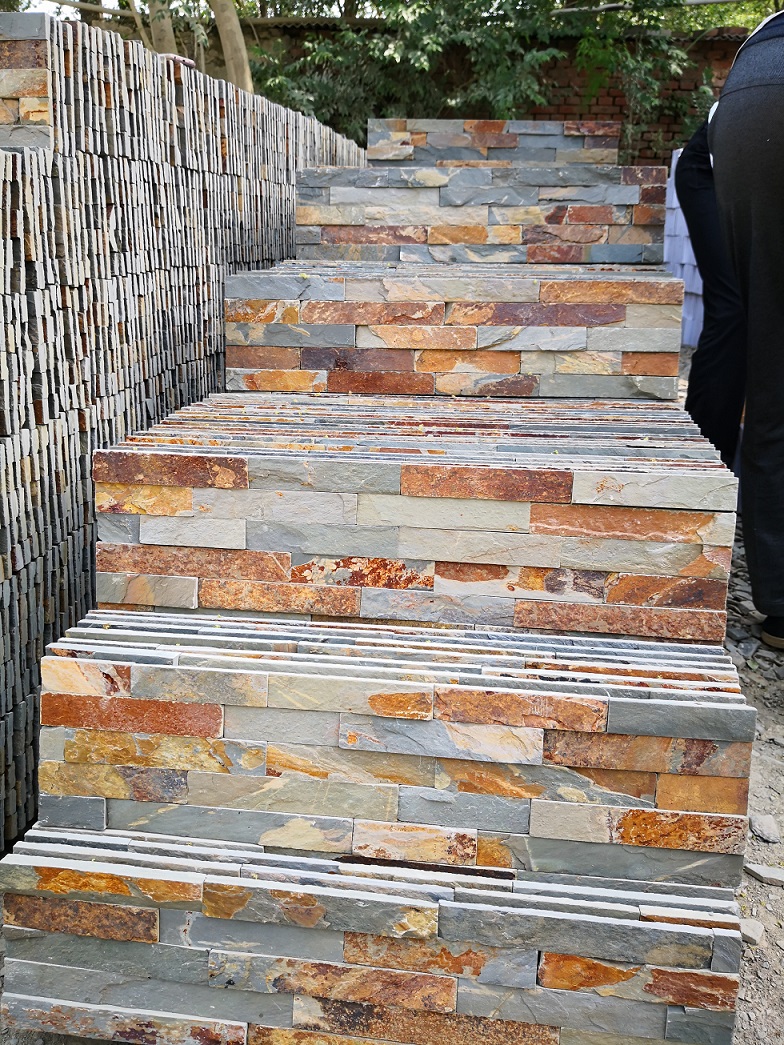
Elevate Your Architecture with Premium Stacked Stone
Color Matching Masters: Sourcing Regional French Tones via Global Direct Quarries
Architects and developers can achieve authentic French masonry aesthetics by leveraging global direct quarries to source thin stone veneers that replicate regional palettes such as Burgundy limestones, Parisian grays, and rustic château textures. By matching specific mineralogical profiles and grain textures, these thin formats provide a historically accurate appearance while meeting modern structural weight limits and logistics requirements for large-scale 2026 development projects.
Regional Tone References: Matching Massangis and Burgundy Palettes
Sourcing uniform beige-to-cream limestone tones allows for the faithful replication of the Valangis and Massangis families originally found in the Yonne region of Burgundy. These stones serve as the primary reference for historic masonry across Bourgogne and Île‑de‑France, where a consistent hue is essential for maintaining the architectural integrity of heritage facades. By focusing on fine-grained textures and specific sediment profiles, suppliers can provide thin veneers that integrate seamlessly with existing ashlar blocks.
The cream and ivory palettes frequently benchmarked against the French Vanilla standard ensure a warm, neutral masonry finish that mirrors traditional French facades. This colorimetric consistency is vital for new construction in historic districts where municipal building codes demand a visual match to local limestone. Utilizing global direct quarries ensures that these specific warm-neutral tones remain available at scale, providing a reliable material stream for commercial projects requiring the classic French aesthetic without the weight of full-bed stone.
Aesthetic Templates: Replicating Château Rusticity and Coastal Grays
The French Château texture set utilizes irregular, rounded stone patterns to recreate the rural masonry aesthetics characteristic of the French countryside. This style is particularly effective for 2026 residential and hospitality projects seeking a rustic yet refined profile. By selecting compatible limestones and sandstones across various quarries, thin veneer formats can emulate the varying heights and deep textures of traditional fieldstone while adhering to contemporary rainscreen or adhered installation protocols.
For urban environments and northern regions, sourcing soft silver and muskoka-style stones provides a cool-grey analog to Parisian granitic facades. These palettes offer subtle fluid veining that delivers an effortless luxury look suitable for contemporary additions to historic districts. Combined with light natural sand and off-white palettes, these stones also complement modern coastal housing along the Atlantic-rim, where heritage restoration requires materials that resist salt-air exposure while maintaining a pale, sun-bleached appearance.
Direct quarry sourcing enables the production of these historically accurate tones in thin veneer formats for large-scale commercial developments. This approach reduces the dead load on existing substrates—a critical factor for renovations and high-rise applications. By calibrating thickness and preserving natural surface finishes, engineers can ensure that the final cladding meets both the aesthetic expectations of conservation authorities and the performance requirements of modern facade engineering.
Top Source Stone: Historically Accurate Natural Thin Veneers with Modern Installation Advantages
Topsource Stone provides natural thin stone veneers that bridge the gap between rigorous French heritage preservation requirements and modern structural efficiency. By reducing standard ashlar thickness to a calibrated veneer, these materials allow for authentic masonry aesthetics on projects where dead-load restrictions or existing substrate conditions prohibit full-bed stone installation.
Natural Stone Profiles for French Architectural Restoration
Quarried stone veneers precisely match traditional French masonry textures and regional colors while significantly reducing material thickness. These profiles remain compatible with historic joint patterns and ashlar configurations required for 2026 preservation standards. Calibrated units preserve the natural surface and characteristic edge finishes, ensuring authentic aesthetics for heritage façades and sensitive urban infill projects.
Lightweight Engineering and Structural Load Reduction
Veneer weight typically averages between 8 and 13 lbs per square foot, which effectively eliminates the need for expensive structural footings or heavy brick ledges. This substantial reduction in dead load allows for the direct application of stone to existing masonry and concrete substrates during retrofit projects. Furthermore, modern interlocking Z-panel systems enable seamless installation on interior surfaces, such as 2026 hotel lobby walls and high-end retail interiors, without reinforcing the primary wall assembly.
Durability and Performance in High-Traffic Commercial Zones
The use of proprietary high-strength epoxy resin bonding prevents stone displacement even in busy hospitality environments subject to frequent impact. Because the composition is natural stone, the material provides inherent UV resistance and permanent color stability that surpasses pigmented or manufactured alternates. These systems meet modern moisture management requirements by integrating seamlessly with contemporary waterproofing and surface protection protocols required for building envelope integrity.
Frequently Asked Questions on French Architectural Sourcing
How do thin stone veneers achieve compliance with French DTU 20.13 standards?
Compliance with DTU 20.13 is achieved at the system level rather than by the stone alone. It depends on tested performance—including adhesion, thickness, and fixing methods—within a specific wall design. Architects should verify compliance via a French technical assessment (Avis Technique/ETE) or request specific test reports for frost resistance and substrate compatibility from the supplier to ensure the system meets CSTB criteria.
Can thin stone veneer match the specific historical limestone and sandstone shades of France?
Yes. Matching historical shades like those found in Euville, Comblanchien, or Vosges sandstone involves petrographic and colorimetric analysis. You can source veneers in ivory, beige, cream, and light grey tones with grain and fossil content that mirrors regional French fabrics. This allows for heritage facade restoration and thin veneer retrofits while preserving the original character of historic farmhouses and public buildings.
What is the standard packaging method to prevent chipping during transit to France?
To minimize breakage during international transit to France, thin stone veneer panels are stacked vertically or flat on fumigated wooden pallets or custom crates. Protection involves foam or cardboard spacers between layers, corner guards for edge protection, and tight shrink-wrapping with steel or plastic banding to eliminate movement during shipping.
Are thin stone veneers suitable for fireplace surrounds and high-moisture areas?
Natural stone is non-combustible and serves as an excellent material for fireplace surrounds. While the stone itself is naturally water-resistant, the panel system is not a standalone waterproof barrier. For exterior applications or wet areas, you must install a proper moisture barrier and flashing system, and apply a high-quality pH-neutral stone sealant after installation to prevent staining.
Final Thoughts
Thin stone veneer offers a practical way to maintain the architectural soul of France while meeting the strict technical demands of modern construction. By choosing materials that mirror the limestone and sandstone textures of regions like Burgundy or the Loire Valley, architects can bypass the structural challenges of heavy masonry. These slim profiles satisfy both the aesthetic requirements of heritage authorities and the rigorous safety standards defined by DTU 20.13, ensuring that restoration projects remain durable and visually authentic.
Selecting the right supplier involves more than just finding a color match; it requires a focus on material performance and logistical reliability. As restoration projects for 2026 continue to prioritize weight reduction and ease of installation, natural stone veneers provide the necessary balance between old-world craftsmanship and contemporary engineering. Utilizing these systems allows for the preservation of historic facades and the creation of new landmarks that respect the rich texture of French building traditions.
