


Getting a Natural Stone Substitution Approved: The Contractor’s Equivalency Package
Short answer: an architect rejects substitutions to avoid liability, and approves one when the package removes both objections at once. A stone cladding equivalency package is not a price sheet with a sample stapled to it; it is a self-contained proof that answers the four questions in the specification: same material type and geology, equal or better physical performance with test data for the actual product, equal installation behavior in the named system, and no change to design intent, schedule or warranty exposure. Present it in the project’s substitution format, cite the third-party standards the spec already references, and offer a range board and mock-up as the acceptance basis. What kills most substitution requests is not price skepticism, it is an incomplete package that asks the architect to do the evaluation work and carry the risk.
Every estimator meets the wall eventually: the specification names a proprietary stone veneer, the approved-equal route runs through the architect, and the two earlier attempts came back rejected without a reason your team could act on. The instinctive response, cheaper sample, faster lead time, friendlier letter, is exactly wrong. A substitution is an engineering decision dressed as a procurement one, and the architects who approve them are the ones who received a file that did their work for them. This article is what that file contains, why each item is there, and the failure patterns that get requests bounced before anyone reads the price.
Why Architects Reject Stone Substitutions
Three objections account for most rejections. First, incompleteness: the package does not answer a question the specification actually asks, so approving it would mean issuing an addendum with blanks in it. Second, unproven equivalence: claims like “meets or exceeds” arrive without test data for the proposed product, only for the original brand or for “typical” stone, which transfers evaluation work onto the reviewer. Third, design-intent risk: the proposed stone differs in face size, joint pattern, corner geometry or finish in ways that read differently on the wall, even when the material is chemically identical. None of these objections is about price, and the third one cannot be fixed with documents alone; it is fixed by offering the architect a visual acceptance basis, a range board and a mock-up, that protects the design intent in writing.
Substitution procedures in most specifications follow the format the construction industry’s standards bodies publish, and the mechanics of a compliant request, format, deadlines, and what the reviewer is entitled to expect, are defined by CSI’s documents for submittal procedures, which the package should visibly follow: csiresources.org. Following the format is not bureaucracy; it is the first signal that the request will be easy to process.
The Four Proofs an Equivalency Package Must Contain
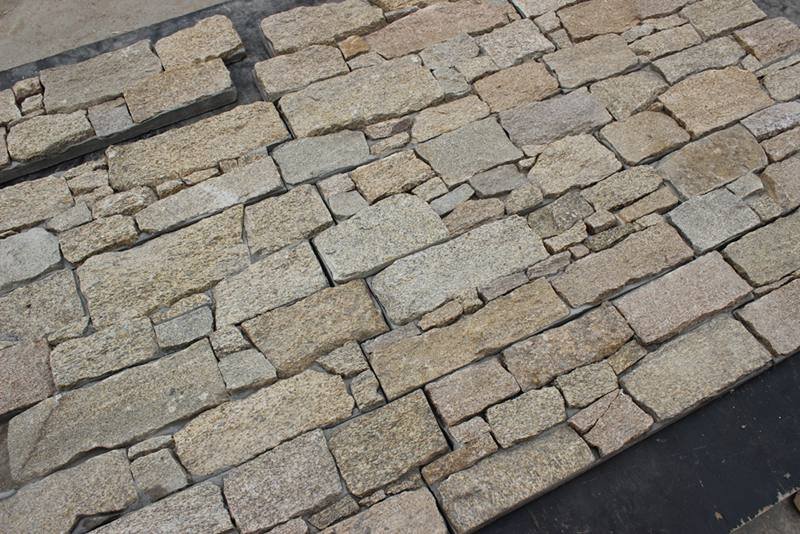
The package should be organized around the four questions a reviewer must answer, each with its own evidence. Material identity: name the stone by geological type and origin, state the finish and thickness, and demonstrate the proposed product is the same class of material the specification intends, because a quartzite-faced panel is not interchangeable with a manufactured cement product even when the profile matches. Physical performance: test data for the actual proposed product against the values the specification names, absorption, flexural strength and the durability property relevant to the exposure, from a competent laboratory, with methods cited. Installation compatibility: the named substrate, setting system and joint details the spec assumes, with the supplier’s confirmation that the product installs under them unchanged, because a veneer that needs a different adhesive or lath is not an equal, it is a redesign.
Design intent: a range board showing the permitted color spectrum, full-size corner and panel samples, and a mock-up offer, so the architect approves an acceptance basis rather than a promise. The Natural Stone Institute’s selection guidance is the neutral reference most specs already cite for exactly these properties, and including it as the evaluation framework makes the reviewer’s job mechanical: naturalstoneinstitute.org. Our own guide to the B2B sample program shows how a factory builds range boards and control sets that an approval process can actually use.
Package Mechanics: Format, Evidence, and the Letter
Mechanics decide whether a complete package gets read. Submit on the project’s substitution request form with the section numbers the spec uses, and keep the request letter to one page: what is proposed, what it replaces, and a statement that the enclosed data demonstrates compliance with each referenced requirement. Attach the test reports with the proposed product named in them, not the competitor’s, because a report for a different brand is the fastest rejection in the stack. Where the specification cites performance standards, reference the same methods and editions rather than inventing equivalents, so the reviewer checks rather than translates. And where the specification is proprietary by named product, request the proprietary basis for the spec’s named product too, since the named item must meet the same performance tests your substitute does, a symmetry that experienced reviewers check anyway and that professional practice guides recommend establishing upfront.
Enforceability also flows the other way. If your firm plans to write its own specs on future design-build work, the same discipline applies: name performance values with methods, define an approved range rather than a single sample, and leave a real approved-equal path. Our guide to writing ASTM requirements into a purchase order shows the drafting pattern that keeps acceptance criteria objective, and the same pattern is what makes an architect’s approval of your substitute defensible on the record.
The Sequencing Mistake That Costs Two Weeks
Most rejected substitutions were submitted too late to be reviewed properly. A stone package is long-lead, and the equivalency file needs laboratory time, sample production and, for a serious reviewer, a mock-up window. Submit the request when the spec is issued for bid, not after award when the mason is mobilized, and ask in the cover letter for the reviewer’s acceptance basis: range board, mock-up, or both. The second sequencing error is batching: three substitutions in one envelope get evaluated as one risk and often rejected together. One product, one package, one submission, keeps the review scoped and approvable.
What Happens After Approval: Keep the Package Alive Through Construction
An approved substitution is not the end of the file; it is the beginning of a construction-phase obligation the package should anticipate. The approved range board, the named test reports and the accepted mock-up become the acceptance criteria for every shipment, so the submittal file must travel to the site and into the purchase order, or the approval quietly erodes when a later batch arrives judged against a memory instead of the board. Reference the approved substitution in the procurement documents by its request number and date, and require the supplier to tie batch certificates to the approved range, which keeps the chain intact from the architect’s desk to the crane hook.
Two late-stage failures are worth naming because they are common. First, the value-engineering substitution that gets approved on paper and then substituted again in the field by the supplier’s own dealer, undetected because nobody tied the purchase order to the approval number. Second, the approved product that ships with a quietly changed finish or thickness, caught only because a crate label failed to match the report. Both are paperwork failures, not stone failures, and both are prevented by the same act: making the approved package a numbered, referenced document that every later shipment must trace back to. The batch-traceability mechanics for doing that are the same ones described in our guide to batch color consistency, applied from the architect’s approval forward.
Conclusion: Do the Architect’s Work, Keep the Design Intent
A stone substitution succeeds when it arrives as a finished evaluation rather than a request for one: the right format, test data for the actual product, installation compatibility with the specified system, and a visual acceptance basis that protects the design intent. The rejected requests almost never failed on price; they failed on incompleteness, on borrowed test reports, or on leaving the architect to judge appearance without a defined basis. Build the package around the four proofs, follow the submittal format the specification references, and submit early with a mock-up offer, and the equivalency route stops being a wall and becomes a procedure.
Frequently Asked Questions
Why was my substitution rejected when my stone looks identical?
Because equivalence is evaluated on data and procedure, not appearance. Missing test reports for the proposed product, a nonstandard request format, or an undefined visual acceptance basis are the usual reasons, and none of them is fixed by a closer color match.
Do we need a mock-up for a substitution?
For a high-visibility application, offering one is the strongest move available: it converts design-intent risk into a written acceptance basis. Offer the range board and mock-up in the request, and let the architect choose the acceptance route.
Is it acceptable to cite the competitor’s test data for equivalent stone?
No. Reviewers expect data for the product being proposed, tested by the methods the specification cites. Borrowed reports are the fastest path to rejection because they prove the category, not your material.
