

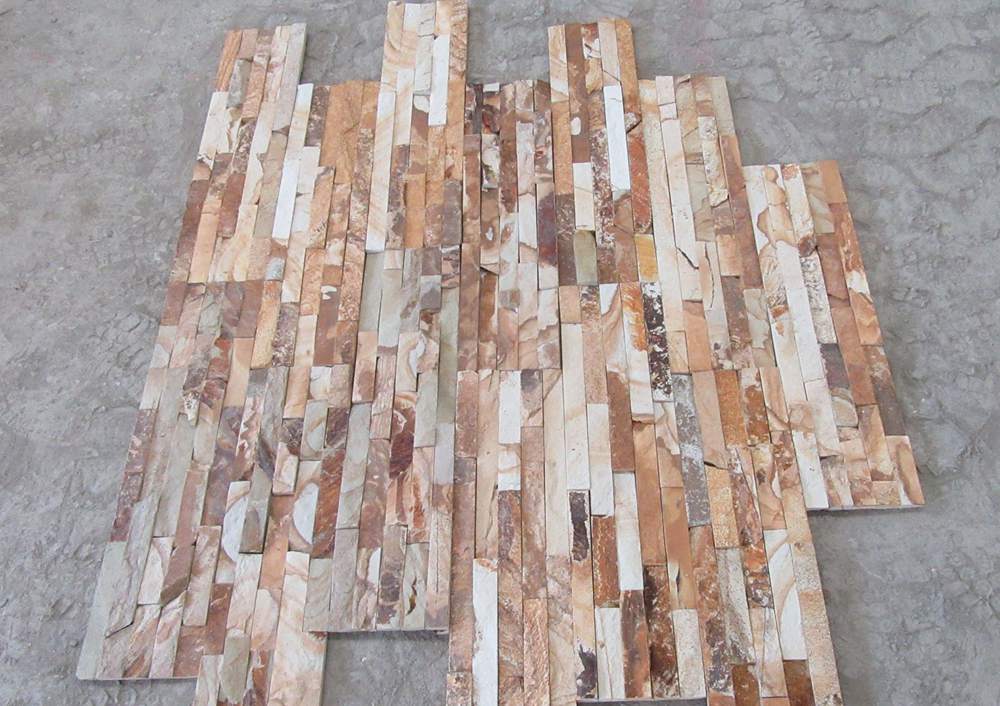
batch color consistency stone ledger is the first checkpoint buyers should lock before they approve a supplier, budget, or production slot. When you are an architect specifying natural stone ledger panels for a commercial lobby or a retail feature wall, batch color consistency is the metric that defines the difference between a seamless installation and a costly redo. The reality is that most suppliers still rely on vague ‘visual blend acceptable’ clauses in their contracts—language that leaves you with no enforceable recourse when panels from two different batches don’t match under the site’s lighting. Before you commit to a order, you need to understand how to verify that consistency using objective data, not just a hand sample.
Here is the specific insight that most architects miss: the color variation in natural stone is not random, but it is quantifiable. Stratum depth differences of as little as ten feet in the same quarry can produce visible hue shifts, which is why suppliers who hide behind ‘visual blend’ language are essentially transferring the liability to you. The only way to shift that liability back is to specify a metric like delta E—a numerical measurement of color difference in the CIE Lab color space—and demand a spectrophotometer certificate for every batch. At Top Source Stone, we have been measuring this internally since 2005, and our Yixian quarry logs show that 92% of production from the same vein stays within a delta E of 1.8. That is the kind of data that turns a subjective risk into a contractual pass/fail threshold.
Why Batch Consistency Fails in Natural Stone
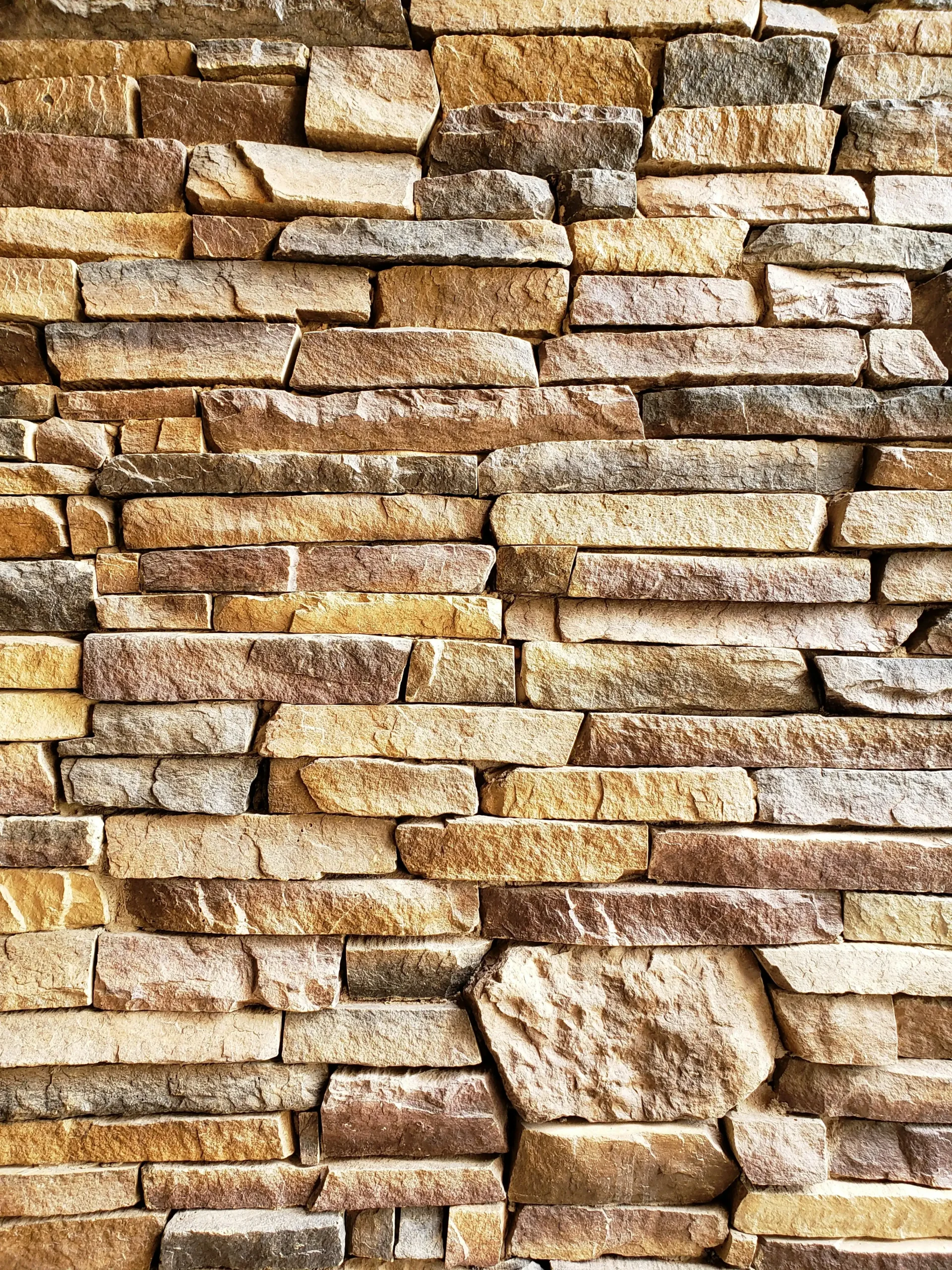
Natural stone is a geological product, not a manufactured one. Two blocks from the same quarry, separated by only 10 feet of stratum depth, can produce a visible hue shift – a fact most suppliers conveniently omit from their quotation language.
Commercial projects fail when a supplier draws the first order from one stratum and a restock from another. The difference in mineral composition and oxidation across just a few vertical feet of the quarry face can shift the L (red-green) values in CIE Lab space beyond a delta E of 3.0 – instantly noticeable to any observer. Yet few suppliers disclose which zone the stone comes from for restock orders, leaving the architect to discover the mismatch only after pallets are delivered and partially installed.
The industry’s default contract clause – “visual blend acceptable” – is a liability trap. It replaces objective measurement with subjective judgment, and when a client rejects a wall because it looks patchy, the architect is left without an enforceable pass/fail criterion. That vague phrasing exists for one reason: to shield the supplier from responsibility for batch variation they know exists but cannot (or will not) control through quarry management.
The solution is not to avoid natural stone, but to demand geological traceability and numerical verification before the contract is signed. For a side‑by‑side comparison of how natural variation compares with the controlled consistency of manufactured veneers, see our article on Natural vs Faux Stacked Stone Panels.

Delta E Thresholds for Commercial Specs
Writing a quantitative threshold — delta E less than 2.0 between approved mock-up and delivered batches — transforms an aesthetic gamble into an objective contract mandate.
Delta E is the only metric that turns subjective visual approval into an enforceable pass/fail contract clause. For architects specifying high-end commercial projects, the CIE Lab color space allows you to define exactly how much batch variation is legally acceptable before the material is staged on the wall profile.
When reviewing batch submittals, enforce this industry-accepted color deviation matrix:
- Delta E < 1.5 (Excellent): The variance is entirely invisible, ensuring an indistinguishable side-by-side daylight comparison.
- Delta E 1.5–2.0 (Good): Acceptable for premium commercial architecture; slight shifts are only detectable under specialized light booths.
- Delta E 2.0–3.0 (Fair): Shift is visible to a trained eye; usable for rustic residential work where natural variation is the goal.
- Delta E > 3.0 (Reject): Instantly noticeable to casual observers; triggers a blocky, patchy appearance across flat facades.
Our internal Yixian quarry logs show 92% of batches from the same vein stay comfortably within a delta E of 1.8. To safeguard your design intent, specify delta E < 2.0 in your core project documents. This is especially critical for focal fireplace feature walls – read our Stacked Stone Fireplace Specs guide for fire rating and weight considerations.
Sample Protocol for Architects
Never rely on a single 4×6‑inch chip sample for color matching. That single hand sample covers roughly 0.02% of a typical commercial order—making it statistically meaningless for establishing range. You must demand an expansive verification protocol anchored in physical, multi-block data.
Before signing off on full container allocations, enforce this rigorous sample step sequence:
- Order Multi-Block Panels: Request three full-size ledger panels from three separate blocks extracted from the same quarry vein. This provides a clear cross-section of true geological range.
- Compare Under Calibrated Light: Lay the panels side by side under standardized D65 natural daylight conditions. Evaluate the texture depth from 10 feet and 3 feet to detect micro-fissures.
- Demand Spectrophotometer Certification: Enforce the submission of original lab charts verifying delta E parameters. Most sample matching guides from competitors (including Sharp NC Group and Black Bear Mountain) stop at visual comparison. Insist on numbers.
Your sample protocol should also reference installation tolerances that affect visual blending. The Stacked Stone Ledger Panel Installation guide covers panel spacing, mortar choices, and corner details that either amplify or mask minor hue variance.
On-Site Verification Checklist
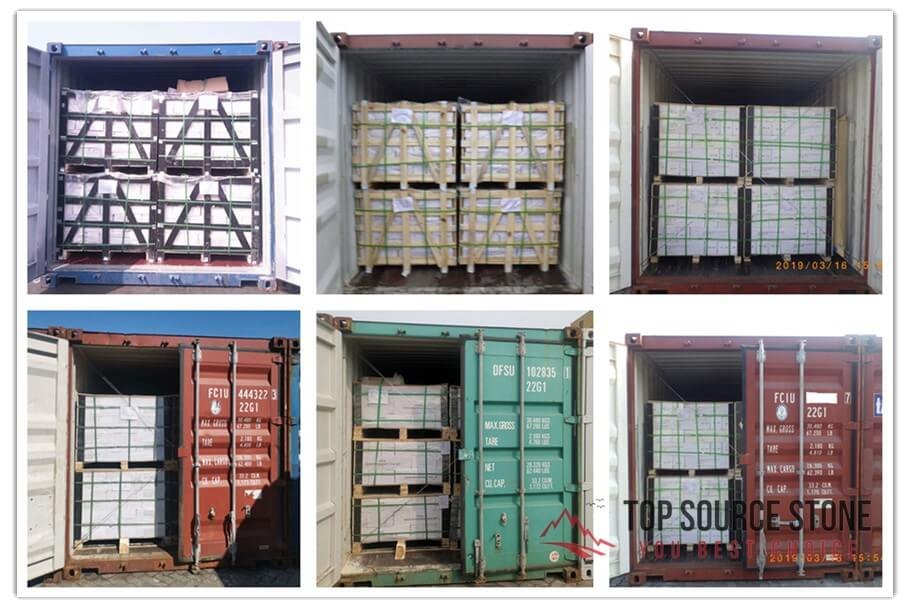
- Pallet Batch Matching: Cross-check crate codes upon arrival to confirm all delivered stone draws from the identical quarry block lot.
- Handheld Spectrophotometer Check: Test 3 random panels per pallet under natural daylight to confirm delta E remains < 2.0 against the approved baseline.
- Dry-Joint Alignment Audit: Examine interlocking rows prior to back-buttering to prevent ‘zipper seams’ or step-gaps.
- Environmental Exposure Check: For exterior walls, cross-reference weather profiles to prevent water trapping—review our Exterior Stone Veneer for Wet Climates guide.
Common Pitfalls & Project Delays
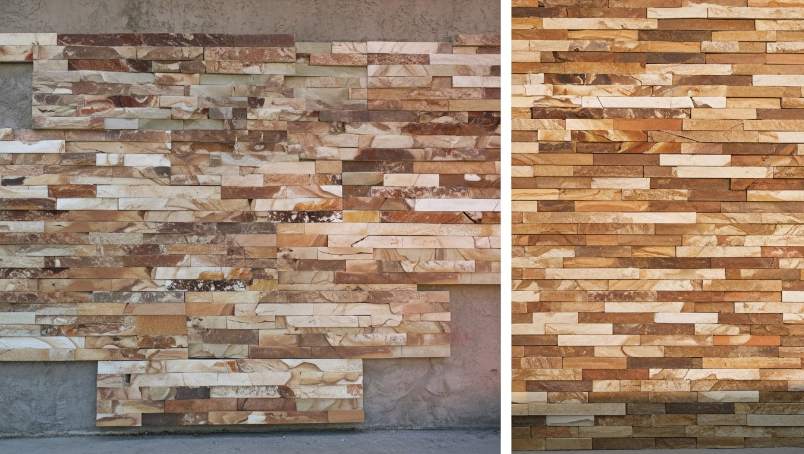
Restocking fees for rejected batches run 15–30% of your total stone budget, and re-ordering custom lots adds an unnecessary 3–6 weeks to the project timeline. You can avoid these exposures completely by locking batch traceability rules directly into your initial purchase order documentation. Require that the supplier hold the exact same geological vein for the entire project volume allocation. Never accept mid-project restock containers drawing from unverified quarry zones. If you are sourcing direct from a Chinese factory, ensure their pre-delivery team executes the strict 8-point factory checklist before loading occurs.
Browse Natural Stone Ledger Panels – View product specs, batch QC data, and available colors
The Natural Stone Ledger Panels product page showcases multiple color options (e.g., Blue Diamond, White, Gray), dimensional specs (6×18‑24 inches, various thicknesses), and highlights the factory’s batch control process. Architects can preview the V0‑V4 variation and request a delta E certificate before ordering.
Conclusion
Specifying batch color consistency for natural stone ledger panels is not an abstract ideal; it is a measurable requirement enforced through delta E thresholds and reproducible sample protocols. Our internal data from the Yixian quarry shows that 92% of production from the same vein stays within delta E 1.8, providing a reliable baseline for commercial-grade uniformity. Rejecting a non-matching batch is costly—15–30% of material budget plus 3–6 weeks delay—making pre-order validation an essential risk management step.
Review the product specifications and batch QC data available for our Natural Stone Ledger Panels to see how numerical color control is integrated into every order. You can also request a delta E certificate for your specific batch before committing to a purchase.
Frequently Asked Questions
What is the acceptable color variation for natural stone ledger panels?
For high-end commercial projects, acceptable variation is delta E below 2.0 measured by spectrophotometer. Natural stone from the same vein averages delta E 1.8, but a range up to 2.0 is specifiable. Always specify delta E < 2.0 in your project documents.
How do I match stone color from different batches?
Demand numerical delta E readings from each batch, ideally below 2.0. Combine with a physical blend sample covering at least 10 panels to see the natural range. Reject any supplier that only offers a visual blend promise.
Can I rely on a single sample for color matching?
No, a single sample covers only 0.02% of your order and is statistically meaningless. Always request a multi-panel blend sample of at least 10 panels to assess natural variation. Never approve color based on one hand sample.
What is delta E and why does it matter for stone?
Delta E quantifies color difference in the CIE Lab color space; for stone, delta E below 2.0 ensures invisible batch variation. It matters because it converts subjective visual approval into an enforceable pass/fail. Always request delta E readings in your QC paperwork.
How to avoid color mismatch on large walls with stacked stone?
Order all material from the same production run and request a pre-blended pallet from the factory. Install using a random mix of panels across boxes. Confirm with supplier that all boxes are from the same vein and have matching delta E readings.
