
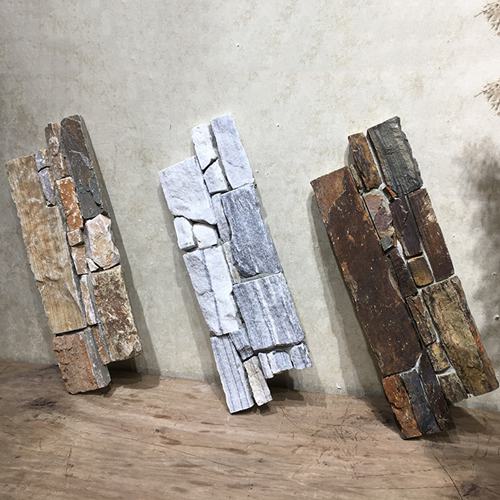
Australian developers and facade contractors face a growing shortage of skilled stonemasons, driving project costs higher and slowing down site progress. These labor constraints are pushing the industry toward factory-finished interlocking stone panel systems that deskill the installation process. By replacing traditional wet trades with mechanical fastening and Z-shape modular geometries, builders can now achieve authentic masonry finishes without the need for specialized apprenticeship-level craft skills on-site.
This guide highlights the leading distributors providing high-efficiency stone solutions across Australia, focusing on technical performance and supply chain reliability. We examine how lightweight panels—typically weighing between 8 and 14 lbs—eliminate the need for heavy structural footings while using staggered Z-profile engineering to create seamless, monolithic wall surfaces. Whether you are managing a large-scale commercial lobby or a high-end residential renovation, these distributors offer the containerized logistics and batch consistency needed to meet 2026 project timelines.
Top 10 Interlocking Natural Stone Panel Distributors in Australia
Quick Comparison: Top Picks
| Manufacturer | Location | Core Strength | Verdict |
|---|---|---|---|
| TopSource Stone | China (Global Shipping) | Interlocking Stone Panels, Ledger Stone | Best for factory-direct B2B projects requiring high-precision cutting. |
| BuildMart Australia | Melbourne, Australia | Stone pavers, landscaping stone | Top choice for Victorian builders needing immediate local stock. |
| StoneWorks (StoneCraft Distributor) | Australia (National) | Manufactured stone veneer panels | Premium architectural finishes for high-end aesthetic feature walls. |
| Futurebuild Australia Network | Sydney, Australia | Facade systems, wall panel technologies | Ideal for identifying new international supplier container loads. |
| Can-tario Brick & Stone | Ontario, Canada | Thin veneer stone, landscaping stone | Trusted North American exporter for diverse masonry styles. |
| Arriscraft | Canada | Manufactured stone units, thin veneer | Best for durability and unique ‘Natural Process’ technology. |
| Australian Local Stone Wall Panel Dealers | Across Australia | Natural stone cladding, modular panels | Excellent for trade wholesalers requiring physical showrooms. |
| Generic Interlocking Natural Stone Panel Importers | Major Australian Ports | Containerized stone panels | Highly competitive bulk pricing for standardized designs. |
| Feature Wall-Focused Stone Veneer Wholesalers | Sydney, Melb, Brisbane | Modular stone formats, facade trims | Best for boutique developers needing specialized corner pieces. |
| National Exhibition Aggregated Suppliers | Exhibition Centers | Aggregated product portfolios | Efficient for comparing multiple tiers of container-supply at once. |
TopSource Stone
TopSource Stone operates as a direct manufacturer, managing the entire production lifecycle from their private quarries to the final packaged product. This tight vertical integration allows them to maintain strict oversight over material selection and manufacturing precision. By eliminating middle-man logistics, they focus on delivering professional-grade natural stone solutions like the Flat, Rough, and Pencil series, specifically engineered for the high-demand architectural and wholesale sectors.
The technical execution of their stone panels relies on advanced infrared cutting technology to ensure every piece fits seamlessly during rapid installation. This precision reduces onsite labor costs and minimizes waste, a critical factor for large-scale contractors and B2B projects. Their commitment to zero-fade authenticity ensures that the natural marble and ledger stone maintain their visual integrity over time, providing a durable and aesthetically consistent wall cladding solution for international markets.
At a Glance:
- 📍 Location: China (Global Shipping to Australia)
- 🏭 Core Strength: Interlocking Stone Panels, Ledger Stone, Z-Shape Wall Cladding, Marble Veneer
- 🌍 Key Markets: Wholesale Distributors, Large-scale Contractors, and B2B Architectural Projects
Why We Picked Them:
| ✅ The Wins | ⚠️ Trade-offs |
|---|---|
|
|
BuildMart Australia
BuildMart Australia operates as a dedicated wholesale partner for the Victorian construction sector, focusing on the supply of premium stone paving and cladding solutions. By maintaining significant inventory within Melbourne, they bridge the gap between overseas quarry production and local site requirements. Their local execution model ensures that custom home builders and contractors can access high-quality natural stone without the logistical risks or long lead times often associated with international sourcing.
The company maintains tight factory control over their stone-look and natural stone ranges, ensuring that every batch meets the aesthetic and structural standards required for Australian outdoor landscaping. By acting as a central hub for Victorian resellers and small contractors, they reduce project risk through immediate stock availability and specialized product knowledge. Their regional focus allows for a high level of service, particularly for those needing specific textures or finishes for feature walls and residential outdoor projects.
At a Glance:
- 📍 Location: Melbourne, Australia
- 🏭 Core Strength: Stone pavers, stone tiles, landscaping stone, natural stone cladding
- 🌍 Key Markets: Custom home builders, small contractors, and Victorian resellers
Why We Picked Them:
| ✅ The Wins | ⚠️ Trade-offs |
|---|---|
|
|
StoneWorks (StoneCraft Distributor)
StoneWorks operates as the primary Australian wholesale gateway for StoneCraft’s manufactured stone veneer collection. This distributor bridges the gap between international manufacturing excellence and local project needs by maintaining a national distribution network across Australia. They focus on delivering materials that replicate the nuances of natural stone while offering the consistency and performance required for sophisticated modern builds.
The distributor manages the specific logistics and quality control standards necessary for high-end residential and commercial developments. By handling the wholesale channel directly, they ensure that project builders and landscape designers receive products that meet strict architectural specifications. This local execution helps reduce the risks associated with sourcing heavy building materials, providing clear oversight from the factory floor to the final Australian site delivery.
At a Glance:
- 📍 Location: Australia (National Distribution)
- 🏭 Core Strength: Manufactured stone veneer panels, hearthstones, stone window sills
- 🌍 Key Markets: Building material wholesalers, project builders, and landscape designers
Why We Picked Them:
| ✅ The Wins | ⚠️ Trade-offs |
|---|---|
|
|
Futurebuild Australia Network
Futurebuild Australia Network functions as a specialized nexus for the construction and architectural sectors in Sydney, focusing specifically on high-end facade solutions. By hosting a concentrated environment of global manufacturers and local distribution partners, the platform allows building professionals to evaluate stone facade systems and wall panel technologies in person. This physical interaction ensures that importers and architects can verify material quality and interlocking mechanisms before committing to large-scale procurement.
The network streamlines the supply chain by bridging the gap between international production and local Australian demand. It operates as a strategic marketplace for identifying container-load suppliers who can meet the rigorous building standards required for the domestic market. For wholesalers and large-scale developers, this exhibition platform reduces the risks associated with overseas sourcing by facilitating direct negotiations and providing immediate access to the latest natural stone finishes and cladding innovations.
At a Glance:
- 📍 Location: Sydney, Australia
- 🏭 Core Strength: Facade systems, natural stone finishes, wall panel technologies
- 🌍 Key Markets: Importers, wholesalers, and architects
Why We Picked Them:
| ✅ The Wins | ⚠️ Trade-offs |
|---|---|
|
|
Can-tario Brick & Stone
Can-tario Brick & Stone operates as a specialized supplier and exporter based in Ontario, focusing on the production and distribution of thin veneer stone and masonry products. They serve as a primary link between North American manufacturing quality and international markets, particularly for masonry dealers who require consistent material standards. By providing a diverse catalog of interlocking stones and landscaping materials, they cater to professional builders and importers looking for authentic textures and durable finishes that meet strict building codes.
The company manages the complexities of global logistics by facilitating containerized shipments, specifically targeting Australian wholesalers and other high-volume buyers. This focus on export-ready packaging ensures that fragile stone products survive long-distance transit without significant breakage. Their role involves significant factory control and quality oversight, which reduces the risk for overseas buyers who need reliable stock for large-scale residential and commercial landscaping projects.
At a Glance:
- 📍 Location: Ontario, Canada
- 🏭 Core Strength: Brick, stone, thin veneer stone, landscaping stone
- 🌍 Key Markets: Masonry dealers and international import-focused wholesalers
Why We Picked Them:
| ✅ The Wins | ⚠️ Trade-offs |
|---|---|
|
|
Arriscraft
Arriscraft stands out in the building materials industry through its proprietary Natural Process technology, which replicates the way stone forms in nature. This factory-controlled method ensures that every masonry unit and thin stone product maintains a level of consistency and structural integrity that is often difficult to find in quarried alternatives. By managing the production environment so closely, the brand reduces the risks of color shading and structural weak points, providing architects and builders with a reliable material for both large-scale commercial facades and high-end residential projects.
The company maintains a strong international presence by leveraging a network of specialized partners to reach the Australian market. This local execution strategy allows them to supply premium Canadian-manufactured stone while ensuring that technical support and distribution meet regional building standards. Their product range, spanning from full-bed masonry to lightweight thin stone veneers, offers versatile solutions for various design requirements. By focusing on durability and aesthetic precision, the brand serves as a primary resource for distributors who prioritize long-term performance in architectural masonry.
At a Glance:
- 📍 Location: Canada (Multiple Locations)
- 🏭 Core Strength: Manufactured stone units, thin stone veneer, masonry accessories
- 🌍 Key Markets: Architectural masonry distributors and large commercial projects
Why We Picked Them:
| ✅ The Wins | ⚠️ Trade-offs |
|---|---|
|
|
Australian Local Stone Wall Panel Dealers
These regional dealers operate across Australia’s major metropolitan hubs, including Sydney, Melbourne, and Brisbane, to provide immediate access to natural stone cladding solutions. By maintaining local inventory, they bridge the gap between heavy industrial manufacturing and the specific aesthetic needs of custom home builders and landscape designers. Their focus remains on interlocking modular panels and stacked stone, products that require tactile inspection before purchase.
Local execution is the primary driver for this network, as they reduce the logistical risks typically associated with importing heavy masonry. Trade wholesalers and retail builders benefit from physical showrooms where they can verify color consistency and texture under local lighting conditions. While these dealers function as middle-tier suppliers, they offer factory control through established supply chains, ensuring that the stone panels meet Australian building standards and climate requirements.
At a Glance:
- 📍 Location: Sydney, Melbourne, Brisbane, Perth, Adelaide
- 🏭 Core Strength: Natural stone wall panels, interlocking cladding, stacked stone
- 🌍 Key Markets: Custom home builders, regional resellers, and landscape designers
Why We Picked Them:
| ✅ The Wins | ⚠️ Trade-offs |
|---|---|
|
|
Generic Interlocking Natural Stone Panel Importers
High-volume importers operating out of major Australian port hubs serve as the backbone for the mass-market stone industry. By focusing on container-based procurement, these entities bridge the gap between large-scale Asian quarries and local retail environments. They prioritize standardized interlocking formats and ledgestone systems that meet the aesthetic demands of modern residential feature walls while maintaining the low price points required for private-label distribution.
Local execution is the primary driver for these businesses, as they manage the complex logistics of international shipping and port clearance so their clients don’t have to. By maintaining factory control over specific, popular designs, they reduce the risks associated with quality variance and supply chain gaps. This approach allows local tile shops and national retail chains to stock reliable, high-turnover products without the overhead of direct overseas sourcing.
At a Glance:
- 📍 Location: Major Australian Port Hubs
- 🏭 Core Strength: Containerized interlocking stone panels, ledgestone systems
- 🌍 Key Markets: Tile shops, independent stone yards, and national retail chains
Why We Picked Them:
| ✅ The Wins | ⚠️ Trade-offs |
|---|---|
|
|
Feature Wall-Focused Stone Veneer Wholesalers
These suppliers specialize in the technical niche of modular stone cladding, focusing on the specific needs of boutique developers and high-end design studios in Australia’s major hubs. By prioritizing repeatable formats, they allow architectural designers to plan projects with high precision, ensuring that the visual intent matches the final physical result. This level of factory control reduces the variability often found in natural stone and enables a more predictable outcome for luxury residential builds and commercial fit-outs.
Operational efficiency is at the core of their service model, particularly through the use of interlocking feature wall panels that streamline local execution. By providing specialized complementary pieces like pre-fabricated stone veneer corners and facade trims, these wholesalers significantly reduce onsite labor risks and installation errors. This refined focus on specific stone systems allows fireplace installers and contractors to complete projects faster while maintaining a consistent color batching that is critical for large-scale vertical surfaces.
At a Glance:
- 📍 Location: Sydney, Melbourne, Brisbane
- 🏭 Core Strength: Interlocking feature wall panels, stone veneer corners, facade trims
- 🌍 Key Markets: Boutique developers, fireplace installers, and design studios
Why We Picked Them:
| ✅ The Wins | ⚠️ Trade-offs |
|---|---|
|
|
National Exhibition Aggregated Suppliers
National exhibitions in Sydney and Melbourne serve as centralized hubs for procurement officers and building product wholesalers to engage with multiple industrial suppliers simultaneously. These events act as meta-source platforms where trade-show participants showcase diverse portfolios of natural and manufactured stone panels. By bringing together various manufacturing tiers under one roof, these exhibitions allow Australian buyers to bypass individual factory visits and instead conduct high-level market research across a broad spectrum of the supply chain.
Businesses leveraging these exhibition centers gain a distinct advantage in negotiating distribution rights and securing exclusive territory agreements for the Australian market. The physical proximity of competing suppliers enables real-time price benchmarking and quality assessment of interlocking panel systems. This concentrated environment streamlines the selection of container-supply partners, ensuring that commercial developers and national retail chains can verify factory certifications and supply stability before committing to long-term procurement contracts.
At a Glance:
- 📍 Location: Sydney & Melbourne Exhibition Centers
- 🏭 Core Strength: Portfolios of interlocking natural and manufactured stone panels
- 🌍 Key Markets: National building product chains and commercial developers
Why We Picked Them:
| ✅ The Wins | ⚠️ Trade-offs |
|---|---|
|
|
Solving the Australian Masonry Shortage: The Shift to Pre-Assembled Interlocking Systems
Australia is addressing a critical shortage of skilled stonemasons by transitioning toward factory-finished interlocking panel systems. These modular solutions replace labor-intensive wet trades with mechanical fastening and precision-cut geometries like Z-shape profiles, allowing general contractors to achieve high-end masonry results at a lower cost and faster project turnover rate.
Mechanized Precision Over Scarce Manual Labor
Pre-assembled interlocking systems shift complex masonry tasks from the job site to controlled factory environments. This transition significantly reduces the 2026 demand for high-cost, skilled onsite stonemasons by deskilling the installation process. By utilizing factory settings, manufacturers can ensure that every panel meets strict quality standards before it even arrives at the project site.
Precision infrared cutting equipment ensures that modular panels fit together perfectly, removing the standard requirement for manual site adjustments and specialized masonry tooling. Furthermore, modular systems such as Norstone finger-jointed corner units allow general contractors to achieve professional results without the need for traditional apprenticeship-level craft skills, making stone features accessible to a wider range of developments.
Eliminating Wet Trades with Mechanical Fastening and Adhesives
Lightweight 2’×4′ modular panels use construction adhesives and mechanical fixings to replace heavy mortar beds and cement boards. This shift speeds up project turnover and reduces the load calculations required for residential framing. By moving away from traditional masonry, builders can avoid the mess and curing times associated with wet trades, allowing other interior or exterior finishing work to proceed without delay.
Indoor interlock wall panels utilize simple fixing systems that bypass traditional brick-and-block methods, making them ideal for rapid residential renovations. Additionally, structural topological interlocking (TI) concepts provide stiff, damage-tolerant wall assemblies. These systems prioritize mechanical positioning over error-prone continuous mortar joints, ensuring a more durable and predictable wall structure that can withstand seismic or thermal movements better than rigid traditional masonry.
Operational Efficiency for Large-Scale Australian Developments
Pre-formed L-shaped corner units and Z-shape geometry eliminate the time-consuming process of onsite mitre cutting for feature walls and outdoor facades. This geometry is specifically designed to mask joint lines, creating a monolithic appearance that appears much more expensive than the actual material and labor cost. These efficiencies allow developers to maintain high aesthetic standards even when working with tight construction schedules.
Lightweight panels ranging from 8–14 lbs per panel remove the requirement for structural footings or wall tie-ins, which drastically lowers material and logistics overhead. Direct-to-wholesaler supply chains provide consistent panel batches, ensuring color harmony and structural integrity for multi-unit projects across Australia. This consistency is vital for large developments where matching natural stone variations across multiple buildings is a significant logistical challenge.
Eliminating Visible Joint Lines: How Z-Shape Geometry Creates Flawless Seamless Walls
Z-shape geometry eliminates visible joint lines by replacing straight butt joints with a staggered, interlocking profile that hooks adjacent panels together. This design scatters joint paths into irregular segments, effectively hiding vertical and horizontal seams within the natural texture of the stone and preventing the “grid look” common in standard rectangular panel installations.
Z-Profile Engineering and Multi-Directional Mechanical Interlocks
Engineered Z-shaped profiles replace traditional straight edges to hide the transition between units. By overlapping and hooking into adjacent panels, the Z-geometry obscures the vertical and horizontal grid lines that typically define modular wall systems. This interlocking mechanism ensures that the eye perceives a single, continuous surface rather than a collection of individual blocks.
Multi-directional interlocks provide critical control over movement along the X, Y, and Z axes. This structural stability keeps the stone face locked in a precise, single plane, preventing local shifts that could expose the underlying structure. Staggering the contact faces creates small, irregular interlocks that fracture the visual path of the seam across the wall, making individual panel boundaries nearly impossible to detect from a standard viewing distance.
Shadow Management and Joint Scattering Techniques
Shadow lines often emphasize joints in standard rectangular panels, especially under grazing light. Z-profile cuts reduce the length of these shadow lines by breaking the joint path into shorter, non-linear segments. This scattering technique prevents the formation of long, dark lines that usually reveal the modular nature of stone veneers. By recessing contact areas slightly behind the visible surface, micro-gaps and manufacturing tolerances remain hidden from direct view.
Maintaining strict manufacturing standards for thickness and precision is essential for the Z-shape system to succeed. Accurate 2026 production cuts ensure that panels align perfectly without creating micro-steps or shadow-casting lips (lippage). When these precisely machined edges meet, the multi-level interlock scatters light reflections across the texture, further contributing to a monolithic aesthetic without the need for traditional grout or onsite masonry adjustments.
Implementation for Large-Scale Commercial and Residential Feature Walls
For Australian custom homes, Z-geometry serves as a self-aligning guide during the mounting process, enabling builders to achieve a solid stone look efficiently. The interlocking nature of the panels ensures consistent face positioning as the wall is stacked, reducing the reliance on highly specialized stonemasons. This makes the system particularly attractive for high-end residential projects where a seamless, premium finish is required for interior fireplaces or exterior facades.
Wholesalers importing container stock benefit from factory-controlled Z-cuts, as they enable uniform results across large batches. Because the seamless effect is built into the panel geometry rather than requiring bespoke site finishing, mid-tier installers can deliver professional-grade results. This application is highly effective across diverse materials, including slate, quartzite, and royal white marble, creating monolithic textures in commercial lobbies and high-traffic public spaces where visual continuity is a primary design objective.
Elevate Your Architecture with Premium Stacked Stone
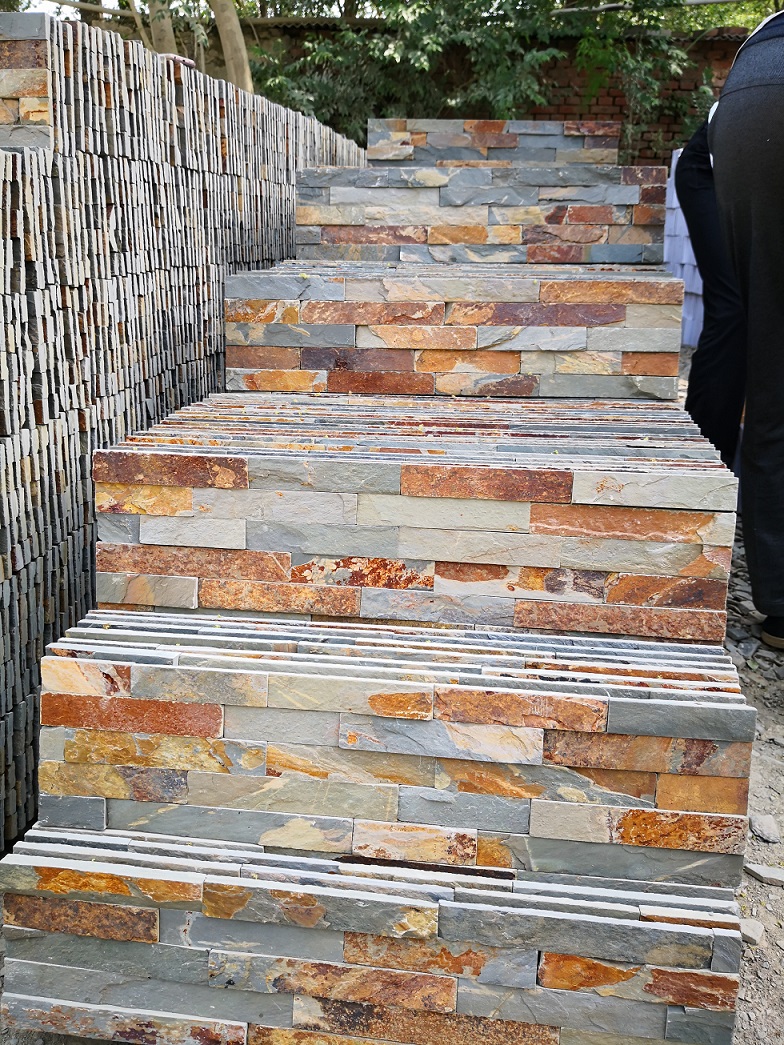
Substrate Rigidity: Preventing Wall Flexing in Demanding Australian Outdoor Environments
Installing interlocking stone panels in Australia requires a high-stiffness substrate to counteract the effects of intense UV exposure and cyclic wind loading. We use engineered rigid battens and structural backing to distribute panel loads, which effectively prevents wall flexing and ensures long-term adhesive integrity in harsh outdoor conditions.
Structural Performance of Rigid Batten Systems
Engineered rigid battens serve as a critical interface between the building frame and the stone cladding. These systems distribute individual panel loads across multiple stud points, creating a stable substrate that resists the cyclic movement often found in lightweight Australian timber or steel framed walls. By providing a firm mounting surface, these battens act as a buffer against structural vibrations and seismic shifts.
Limiting wall flexing is essential for the longevity of the facade. Excessive movement in the substrate leads to adhesive fatigue or physical panel cracking over time. Rigid structural configurations are specifically designed to minimize these risks, ensuring that the stone veneer remains securely bonded even when the underlying structure experiences minor thermal or moisture-induced shifts.
Maintaining dimensional stability is a priority given the 2026 Australian climate projections, which include more frequent extreme UV days and heavy rain cycles. Rigid substrates support the weight of the stone while resisting the warping forces of high heat. This stability ensures that the interlocking Z-profiles remain perfectly aligned, preventing the formation of gaps or shadow lines that would compromise the weatherproofing and aesthetic of the wall.
Technical Requirements for Exterior Stone Substrates
Adhering to maximum allowable wall deflection standards is mandatory for exterior stone applications. Structural backing, such as concrete masonry or reinforced sheathing, must meet strict serviceability limits under wind and live loads. This prevents the stone veneer from being subjected to tensile stresses it wasn’t designed to handle. Using mechanical ties alongside high-performance adhesives further secures the panels to the rigid substrate.
Stone Plastic Composite (SPC) cores offer an alternative for environments requiring superior moisture resistance and thermal stability. Compared to traditional organic claddings, SPC handles humidity changes without the expansion and contraction that often causes substrate-induced flexing. This material remains inert during rain cycles, providing a reliable foundation for exterior finishes that must endure fluctuating wet and dry states.
Long-term material integrity in high-sun outdoor environments depends on the integration of UV-stabilized pigments and mechanical hardware. Rigid backing prevents the surface undulations that can occur with flexible claddings, while stabilized materials resist fading and brittleness. Combining a stiff substrate with high-integrity panels ensures the installation survives the Australian landscape without the need for frequent maintenance or structural repair.
Top Source Stone: High-Efficiency Interlocking Panels Shipped Direct to Australian Wholesalers
Foshan Topsource Building Materials provides Australian wholesalers with vertically integrated manufacturing and containerized logistics, delivering 100% real quarried stone interlocking panels designed for rapid installation and batch consistency across large-scale commercial and residential projects.
Global Logistics and Containerized Shipping for the Asia-Pacific Market
Foshan Topsource Building Materials exports full container loads to building material wholesalers and facade contractors across the Asia-Pacific region. Our logistics teams manage the strategic loading of over 220 containers annually, focusing on maximizing internal volume while securing the load to prevent movement during sea transit to major Australian ports like Sydney and Melbourne.
Packaging protocols involve reinforced cartons and fumigated wooden crates designed to withstand the rigors of international shipping. This ensures that materials arrive intact for scheduled 2026 delivery timelines, maintaining the structural integrity of the interlocking edges required for seamless installation on-site.
Direct Manufacturer Quality Control and Batch Consistency
Complete vertical integration from quarry ownership to final assembly allows for 100% real quarried stone production. Unlike concrete-based imitations, these panels offer the authentic texture and durability of natural minerals. A rigid three-stage inspection process—conducted post-cutting, post-assembly, and pre-packaging—verifies that every panel meets precise technical standards for aesthetics and strength.
The manufacturing facility utilizes advanced infrared equipment to ensure precise dimensional cutting of the Z-profile edges. High-strength epoxy resin creates a permanent bond between the stone elements and the panel substrate, preventing delamination in high-traffic or exposed environments. This level of factory control provides wholesalers with consistent color matching and thickness across the entire container load.
OEM and Custom Solutions for Major Australian Infrastructure Projects
Full OEM and ODM services enable Australian distributors to brand products with custom-printed packaging and company logos. This private-labeling capability helps wholesalers differentiate their stock in a competitive market while relying on proven manufacturing quality. Wholesale orders also benefit from customizable panel formats and specialized material sourcing beyond standard slate or quartzite ranges.
Factory-direct pricing combined with pre-export inspections offers a cost-effective alternative to traditional masonry. By providing a modular system that reduces on-site labor requirements, these panels support high-volume commercial facade projects where speed and repeatability are essential. This systematic approach allows contractors to achieve premium stone aesthetics without the high overhead of artisanal stonemasonry.
Frequently Asked Questions
How do Z-shaped interlocking panels eliminate visible vertical seams?
Z-shaped interlocking stone panels use a staggered, zig-zag profile along joining edges rather than a straight line. When installed, these profiles lock together like puzzle pieces, breaking the joint into multiple short, offset segments. This geometry disguises the vertical joint within the natural irregular stone pattern, preventing the eye from tracking a continuous seam and ensuring a seamless wall surface.
Is a cement-backed interlocking panel too heavy for standard Australian residential substrates?
Most cement-backed interlocking panels are engineered to weigh between 13–25 kg/m², which is compatible with standard Australian timber or steel-framed walls. While individual panels are manageable, the total weight must be verified against the specific wall design capacity and manufacturer instructions to ensure compliance with AS/NZS structural standards.
What are the lead times for direct container shipping to Sydney or Melbourne ports in 2026?
Typical lead times for direct container shipping to major Australian ports like Sydney or Melbourne range from 6 to 10 weeks. This timeframe accounts for 2–4 weeks of production, 3–5 weeks for ocean transit from Asian manufacturing hubs, and 1–2 weeks for customs clearance and local delivery.
Can interlocking stone panels be used for fireplace surrounds?
Natural stone is inherently non-combustible, making interlocking panels an ideal choice for fireplace surrounds. However, installation must always adhere to local building codes and manufacturer guidelines regarding heat clearance and substrate requirements.
How should natural stone panels be maintained in outdoor environments?
For outdoor or wet areas, panels should be installed with a moisture barrier and treated with a high-quality natural stone sealant to prevent staining. Regular maintenance involves cleaning with a soft brush and water or a pH-neutral stone cleaner; acidic chemicals and high-pressure washers should be avoided to protect the stone’s integrity.
Final Thoughts
The adoption of interlocking stone panel systems marks a significant shift in how Australian builders approach natural masonry. By moving away from labor-intensive wet trades and toward precision-engineered Z-shape profiles, contractors can now bypass the challenges of a shrinking skilled labor pool. These systems offer a practical way to achieve high-end aesthetic results without the traditional costs or extended timelines associated with artisanal stonemasonry.
Success in implementing these modular solutions depends on selecting the right substrate and maintaining direct supply chains with specialized manufacturers. As the Australian construction industry moves toward 2026, the integration of rigid backing systems and factory-controlled quality will be essential for creating durable, seamless facades. Choosing a partner like Foshan Topsource Building Materials ensures that wholesalers and developers receive consistent, real-stone products that stand up to the unique demands of the Australian environment.
