


Selecting the right exterior stone veneer is the primary defense against facade delamination and UV-induced color degradation. While manufactured substitutes offer lower initial price points, they often fail under intense thermal cycling, leading to costly structural repairs and diminished property value over the building’s lifecycle.
This evaluation benchmarks natural stacked stone against ASTM C1690 freeze-thaw standards and ASTM C1670 shear bond requirements. We examine how high-strength epoxy bonding and natural thermal mass metrics create building envelopes that outperform concrete-based composites in both longevity and energy efficiency.
The Architectural Significance of Natural Stacked Stone
Natural stone combines ancient durability with modern design, offering authentic textures and organic depth that synthetic materials can’t replicate for high-impact construction.
Timeless Texture and Organic Design Versatility
Stacked stone bridges the gap between traditional heavy masonry and modern lightweight cladding. The material provides a level of visual depth that changes with the sun’s position, something flat surfaces fail to achieve. Architects use these variations to ground modern structures or add weight to interior focal points.
- Authentic Materials: Variations derived from genuine slate, quartzite, and marble quarries.
- Dimensional Surfaces: Split-face textures and varying stone thicknesses create high-impact shadows.
- Aesthetic Flexibility: Fits rugged rustic fireplaces, sleek commercial facades, and traditional load-bearing wall designs.
- Historical Continuity: Modern panel applications replicate the look of structural stone walls from ancient architecture.
Structural Integrity through High-Strength Epoxy Bonding
Technical engineering ensures that modern stone panels survive extreme thermal cycles. High-performance adhesives and precision cutting allow for large-scale installations that remain stable in harsh exterior environments. These systems prioritize speed on the job site without sacrificing the longevity of natural stone.
- Bonding Technology: Specialized high-strength epoxy resin formulated for extreme thermal stability.
- Fabrication Accuracy: Infrared cutting technology produces Z-shape panels for seamless interlocking.
- Environmental Shielding: Inherent UV resistance and weatherproofing prevent fading or material degradation.
- Maintenance Requirements: Decades of durability with simple periodic cleaning and minimal upkeep.
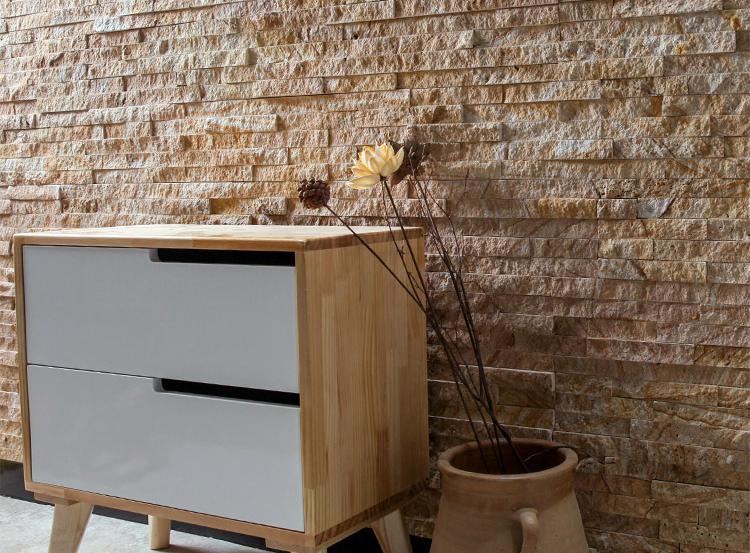
Technical Durability: Performance Under Environmental Stress
ASTM-certified stone veneer withstands extreme freeze-thaw cycles and moisture. High-strength epoxy bonds ensure shear strength exceeds 50 psi, preventing delamination and ensuring structural stability in harsh climates.
Standardized Metrics for Weather and Moisture Resistance
Engineers rely on standardized benchmarks to measure how stone materials handle environmental decay. These metrics provide a baseline for longevity, especially in regions where temperature swings and high humidity threaten the facade’s integrity.
- ASTM C1690: Subjects stone to 50 temperature cycles ranging from 73°F to 170°F. This test ensures weight loss stays below 1.5%, preventing surface cracking or spalling.
- ASTM C97: Measures water absorption rates. Low absorption prevents water from penetrating the stone and causing internal structural failure during freeze-thaw events.
- ASTM C170: Validates compressive strength. This confirms the panels resist crushing forces and bending loads during the life of the building.
High-Strength Epoxy Adhesion and Structural Bond Integrity
Modern manufacturing uses specific chemical bonding technologies to prevent stone detachment. Unlike traditional wet-stack methods, these panelized systems use industrial adhesives to create a permanent connection between the stone and the substrate.
- Epoxy Resin: High-strength resins create a permanent chemical bond between individual stone pieces and the panel substrate, making the system a single structural unit.
- Shear Bond Strength: Systems exceed the ASTM C1670 minimum of 50 psi. This ensures the veneer stays adhered even during rapid temperature fluctuations and structural settling.
- Z-Shape Design: Three-stage quality inspections verify the precision of the interlocking Z-shape. This geometry reduces visible gaps where ice or moisture could accumulate and cause leverage-based damage.
Premium Natural Stone Panels for Professionals
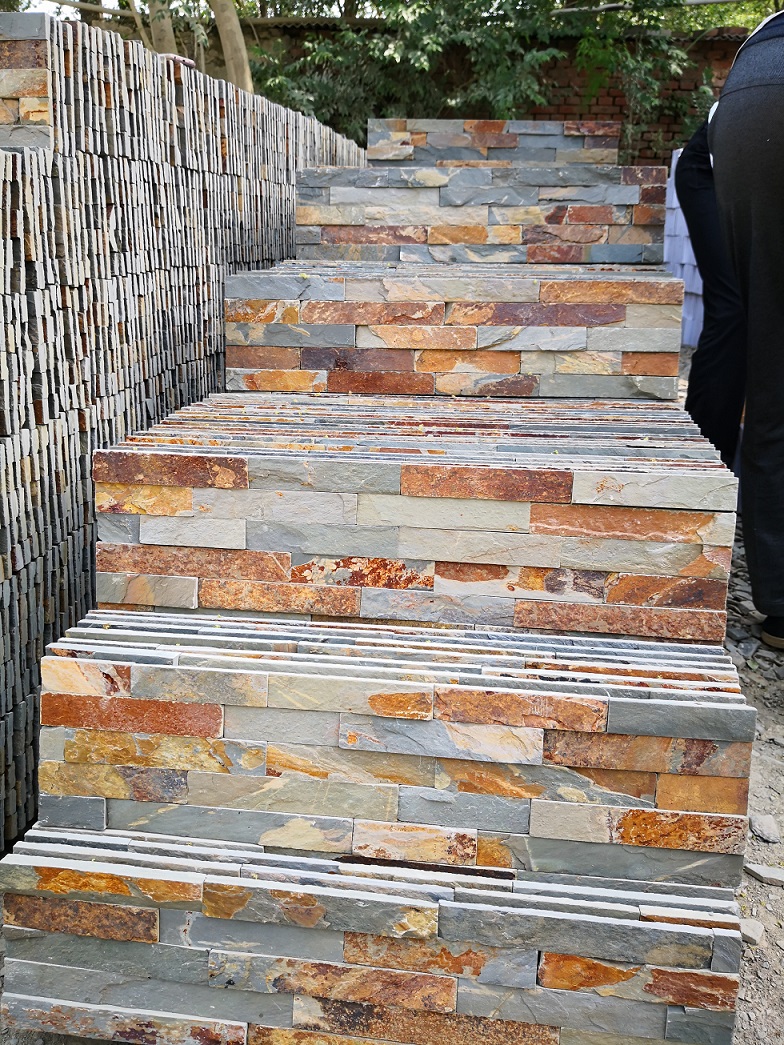
Comparative Analysis: Natural Stone vs. Manufactured Veneer
Natural stone veneer offers lifelong structural integrity and UV-stable colors, while manufactured concrete-based alternatives prioritize low weight but risk long-term fading and chemical degradation in exterior use.
| Feature | Natural Stone Veneer | Manufactured Veneer |
|---|---|---|
| Composition | Quarried genuine stone | Concrete and aggregate mix |
| Lifespan | 100+ years | 20 to 50 years |
| UV Stability | Permanent color | Prone to fading/discoloration |
| Maintenance | Pressure wash compatible | Gentle hand-cleaning only |
| Chemical Resistance | High (chlorine resistant) | Low (vulnerable to salt/chlorine) |
Physical Composition and Aesthetic Characteristics
The primary distinction lies in the origin of the material. Natural stone comes directly from the earth, featuring color variations and textures formed over thousands of years. Manufactured stone replicates this look using concrete composites pressed into molds, which often results in visible repetition on larger facades.
- Aesthetic Depth: Natural stone maintains visual authenticity even under close inspection, whereas manufactured veneer often relies on surface-level paint finishes.
- Material Base: Manufactured products use a mix of lightweight aggregates and cement, making them easier to handle for non-professional installers.
- Weight Metrics: Manufactured veneer typically weighs between 7.5 and 15 lbs per square foot, while thin-cut natural stone panels have narrowed the gap, often weighing around 12 lbs per square foot.
- Pattern Variation: Each natural stone piece is unique; manufactured stone production cycles may lead to identical “twin” stones appearing on the same wall.
Performance Under Environmental Stress
Exterior cladding must endure relentless UV radiation and moisture cycles. Natural stone provides permanent color stability because the pigment exists throughout the material. Manufactured stone relies on surface tints that eventually degrade, especially in high-exposure areas or near chemically treated water.
- UV Resistance: Natural stone does not fade; manufactured stone typically shows visible discoloration after a decade of intense sunlight.
- Chemical Sensitivity: Chlorine and harsh de-icing salts can weaken the structural integrity of concrete-based veneers, leading to surface flaking or “blistering.”
- Cleaning Protocols: Natural stone withstands professional pressure washing. Manufactured surfaces require soft-bristle brushes and mild detergents to prevent damaging the artificial pigments.
- Bond Integrity: Modern stacked panels use high-strength epoxy resins to ensure a permanent connection between the stone and substrate, reducing the delamination risks associated with lower-quality composites.
- ASTM Standards: Natural stone naturally exceeds most ASTM C1670 performance criteria for moisture resistance and freeze-thaw durability, often lasting more than 100 years.
Engineering Requirements for Exterior Stone Substrates
Exterior stone substrates require a 1/600 deflection limit, ASTM C1670 compliance, and precise moisture barriers to prevent structural failure and water infiltration.
Wall systems must provide a rigid foundation to prevent the stone veneer from cracking or delaminating. Building codes and engineering standards dictate specific physical parameters for both wood and metal framing to handle the dead load and environmental stress.
Structural Load Limits and Wall Frame Standards
Engineers prioritize the stiffness of the backing material. If the substrate flexes too much under wind or weight, the mortar bond will fail. We use these specific benchmarks to ensure stability:
- Deflection Limit: All supporting members must adhere to a maximum deflection of 1/600 of the span.
- Wood Framing: Requires minimum 2×4 studs spaced no more than 16 inches on center.
- Metal Framing: Requires 1-1/2 inch by 3-1/2 inch studs with 1/2 inch to 5/8 inch thick sheathing.
- ASTM C1670 Compliance: Manufactured stone units must meet strict thickness and face area limits to stay within safety tolerances.
Moisture Management and Lightweight Panel Integration
Managing water movement is just as critical as structural support. Proper drainage and material weight selection determine the long-term health of the wall assembly. Using lightweight systems can also simplify the structural design of the foundation.
- WRB Installation: Water-resistive barriers must overlap in a shingle fashion—2 to 4 inches horizontally and 6 inches vertically.
- Grade Clearance: Maintain 4 inches of clearance above earth or 2 inches above paved surfaces to stop moisture from wicking into the substrate.
- Weight Efficiency: Integrating 8-13 lbs/sqft lightweight stone panels removes the requirement for traditional masonry footings or brick ledges.
- Weep Vents: Install vents at 24-inch maximum intervals above through-wall flashing and shelf angles to allow internal drainage.
Following these technical parameters ensures the stone veneer performs as a durable exterior skin rather than a structural liability. Always verify local building department requirements as they may impose stricter clearances based on regional climate data.
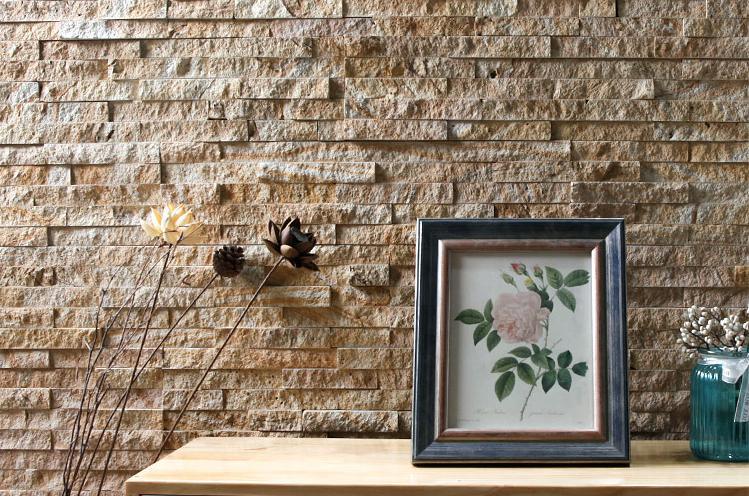
Thermal Mass and Energy Efficiency Benefits
Natural stone veneer acts as a thermal battery, creating a six-hour thermal lag that stabilizes indoor temperatures and reduces HVAC workload through superior density and heat storage.
Stone veneer is a mechanical asset for the building envelope. It mitigates the impact of external temperature swings by absorbing energy during peak exposure and regulating the transfer of heat into the structure. This creates a more predictable internal climate that relies less on constant mechanical adjustment.
Temperature Stabilization Through Thermal Lag
The mechanical process of thermal lag allows the wall assembly to stay behind the actual peak outside temperatures. By the time the external heat would typically penetrate the envelope, the sun has set, and the stone begins its release cycle.
- Solar Absorption: The material soaks up radiation during peak daylight hours to prevent rapid indoor temperature spikes.
- Gradual Release: Stored heat enters the living space slowly during cooler night hours, maintaining a consistent internal climate.
- Load Shifting: Extending the thermal lag to approximately six hours shifts energy consumption to off-peak hours, significantly reducing strain on HVAC systems.
Natural Stone Density and Insulation Synergy
High-density natural stone outperforms manufactured alternatives in energy conservation. While concrete-based substitutes are porous and lose heat quickly, natural stone retains energy longer, allowing for more efficient wall designs.
- Superior Storage: Natural slate, quartzite, and marble provide higher heat storage capacity than manufactured concrete.
- Optimized Assemblies: High mass performance helps achieve energy code compliance with thinner total insulation layers.
- Thermal Bridge Prevention: Combining stone veneer with continuous insulation and high-strength epoxy bonding systems prevents heat loss through conductive materials.
Placing thermal mass on the exterior of the insulation layer provides the most significant benefit in climates with high daily temperature fluctuations. This passive system maintains structural integrity through freeze-thaw cycles while delivering measurable reductions in annual heating and cooling costs.
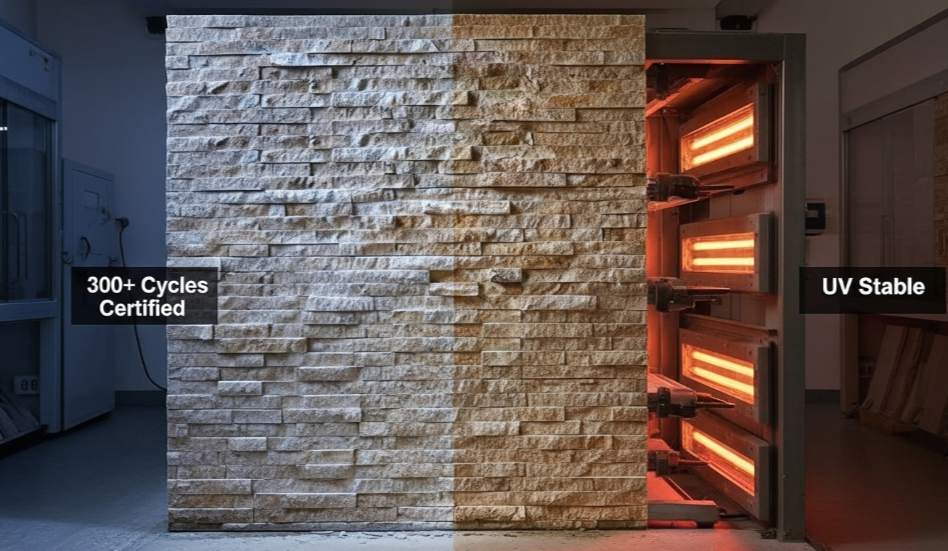
Maintenance Protocols for Preserving Exterior Integrity
Modern maintenance focuses on preventative inspections, pH-neutral cleaning, and breathable sealers. These steps preserve stone texture and UV resistance while protecting interlocking panel systems from environmental stress.
Systematic Inspection and Tiered Cleaning Methods
Routine monitoring stops minor surface issues from turning into structural failures. A tiered cleaning approach ensures you maintain the stone’s authentic appearance without accidentally eroding the natural finish or the mortar bond.
- Periodic Inspection: Conduct regular walk-throughs to detect hairline cracks, loose stones, or unusual moisture patterns before they escalate into delamination.
- Monthly Dusting: Remove loose dust and debris using soft-bristle brushes. This prevents grit from settling into the stone’s texture, which can cause abrasion over time.
- Gentle Washing: Wash surfaces with a mild detergent and water solution. Avoid high-pressure equipment, as intense water jets can strip natural stone finishes and damage the substrate.
Strategic Sealing and Moisture Protection Systems
Water management determines the lifespan of any exterior facade. Effective protocols combine chemical barriers with mechanical drainage to keep the substrate dry and the bond secure during temperature shifts.
- Breathable Sealing: Apply water-based sealers to high-moisture areas. These solutions prevent organic staining and preserve color depth while allowing the stone to vent internal vapors.
- Gutter Maintenance: Clear gutters and downspouts to prevent water overflow onto the veneer. Constant water pooling leads to efflorescence and weakens the adhesive bond.
- Epoxy Bond Protection: Ensure the panel system remains dry to protect the high-strength epoxy resin. Trapped moisture is the primary cause of failure during freeze-thaw cycles.
Frequently Asked Questions
Does natural stacked stone veneer require a vapor barrier for exterior walls?
Yes. Exterior installations on wood or metal studs require moisture protection. Building codes for 2026 typically mandate two layers of a Weather Resistive Barrier (WRB). For framed walls, select a barrier with a vapor permeability of 10 to 20 perms. This specific rating allows the wall assembly to dry while preventing external moisture penetration.
How do you calculate the weight load for stone cladding installations?
Calculate the total weight by multiplying the square footage by the thickness in feet, then multiplying that volume by the stone’s density (usually 165 to 175 lbs per cubic foot). For quick estimates, natural stone panels typically weigh at least 12 lbs per square foot, while manufactured stone ranges from 7.5 to 15 lbs.
Can natural stone veneer be installed directly over wood siding?
Natural stone can be applied over wood siding if you first install a weather-resistive barrier and metal lath. This setup protects the wood from moisture rot and accounts for the different expansion rates between the rigid stone and the flexible wood framing, preventing cracks in the veneer system.
What is the difference between dry-stack and mortared joint installations?
Dry-stack provides a rustic look where stones sit flush without visible mortar, requiring more precise cutting and fitting. Mortared joints use visible mortar to seal the gaps between stones. This provides better protection against insects and water infiltration, which is particularly important in climates with heavy freeze-thaw cycles.
Is sealing natural stone necessary for projects in coastal environments?
Sealing is essential in coastal areas to protect the stone from salt-air corrosion, high humidity, and UV damage. Use a penetrating sealer with UV inhibitors. This type of sealer prevents salt and moisture from entering the stone’s pores while still allowing the material to breathe and release internal vapor.
Final Thoughts
Choosing lower-cost manufactured alternatives risks visible fading and structural degradation within a decade. Our ASTM-certified natural stone panels ensure 100-year durability and permanent UV stability that concrete-based substitutes cannot match. High-strength epoxy bonding and precision Z-shape engineering protect your professional reputation and eliminate long-term liability.
Request a sample kit to test our interlocking precision and material density against your project specifications. Our technical team remains available to review your substrate engineering and moisture management plans for large-scale applications. Contact our distribution department to secure wholesale pricing and production timelines for your next development.
