

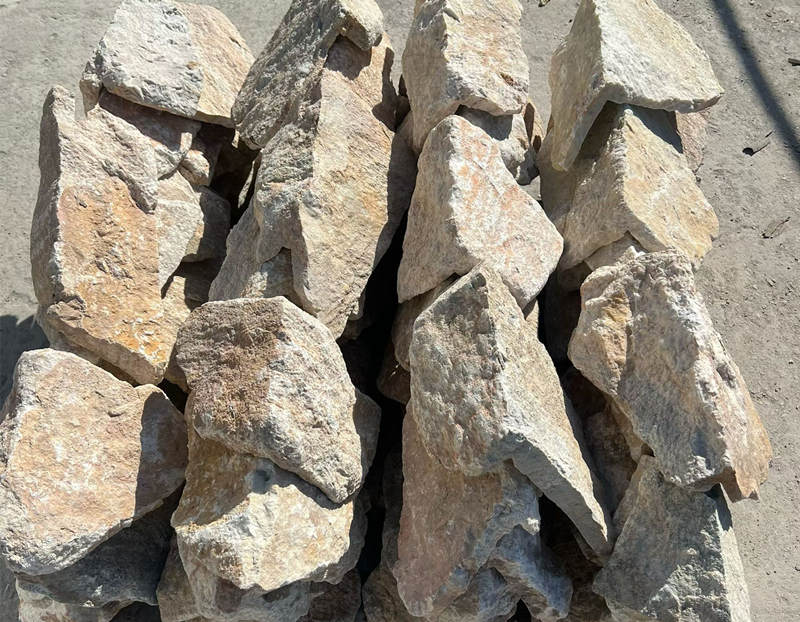
Efficient corner installation defines the difference between a high-end masonry finish and a costly structural failure that requires extensive rework. Irregular fieldstone veneer presents a particular difficulty because its varied thickness and jagged profiles make standard jointing techniques nearly impossible to execute consistently. If your crew relies on improvised field cuts, you risk creating weak points and aesthetic inconsistencies that lead to client rejection and lost revenue on large-scale commercial or residential builds.
This technical overview provides a clear SOP for handling fieldstone corners, covering the limitations of miter cuts and the practical advantages of using pre-cut L-shaped stones. We break down the process of alternating corner returns to prevent the dreaded vertical zipper effect and offer specific methods for blending these pieces into the primary wall puzzle. Implementing these standards allows for a faster job site pace while ensuring the finished facade maintains a professional, natural appearance.
The Complexity of Corners on an Irregular Stone Wall
Building corners with natural fieldstone requires an adaptive structural approach because traditional repetitive patterns fail when faced with the inherent dimensional variance of individual loose stones.
Managing Dimensional Variance in Natural Stone
Natural stones lack uniform dimensions, making standard coursing impossible. Installers must evaluate each piece’s thickness and height before placement, often using a compensatory leveling technique where shorter stones sit atop taller ones in subsequent courses to maintain a horizontal balance across the face. This bespoke random-lay pattern ensures that the wall does not develop slanted lines or awkward steps that distract from the natural aesthetic.
- Individual stones vary significantly in thickness and height, so installers cannot use a standard repetitive pattern.
- Masons compensate for height differences by placing shorter stones on top of taller ones in subsequent courses to level the wall.
- Natural textures create uneven contact points that require careful stone selection to maintain structural stability.
Maintaining Plumb Alignment on Tapered Surfaces
Achieving a perfectly vertical corner on a wall composed of tapered, irregular stones is a test of technical precision. Because the stone faces are rarely flat, measuring from the center or edge of a stone provides a false reading. Professional masons measure plumb from the high point—the furthest protruding point—of one stone to the high point of the next. This method ensures that the vertical accuracy of the corner remains the priority, even when individual stones taper significantly toward the edges.
- Installers ensure plumb alignment by measuring from the high point of each stone to the next high point.
- Vertical accuracy remains the priority even when stones taper in or out significantly toward the edges.
- Gaps between stones are common during the initial placement phase as long as the overall corner remains vertically straight.
Structural Weaving for Corner Stability
A successful 90-degree corner relies on a weaving pattern that bonds two separate wall planes into a single unit. This interlocking is achieved by alternating the direction of the stones—effectively wrapping the corner—to prevent the formation of a weak vertical seam. Without this weaving, the veneer is prone to separation under pressure or environmental stress. Skilled masons often make two precise cuts on a single stone to create a custom corner piece that mimics a full-depth visual integrity, locking the adjacent wall faces together securely.
- Weaving involves alternating the direction of flat stones at the corner to lock the adjacent wall faces.
- Masons often make two precise cuts on a single stone to create a custom corner piece that fits the irregular pattern.
- Correct weaving prevents a weak vertical seam, which might otherwise cause the corner to separate under pressure.
Precise Joint Spacing and Mortar Application
While the stones provide the visual mass, the mortar joints provide the final structural bond and aesthetic definition. Maintaining a consistent gap of approximately 10mm between irregular units allows for a sufficient mortar bed that supports the weight of the courses above. The finishing process defines the shadows and depth at the corner, highlighting the unique character of the natural stone and ensuring the transition between wall faces looks intentional and solid.
- Standard installation practices maintain approximately 10mm gaps between irregular stone units to allow for mortar bedding.
- Mortar fills these gaps to create a solid mass that supports the weight of the stone courses above.
- The finishing process defines the shadows and depth at the corner, highlighting the unique character of the natural stone.
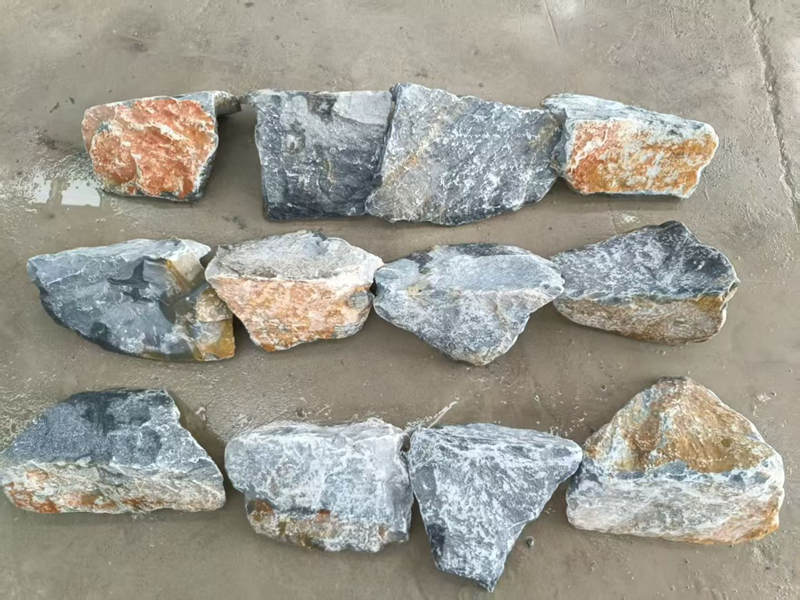
Why Miter Cuts Fail on Random Fieldstone Shapes
Miter joints in irregular fieldstone compromise structural integrity by creating fragile “knife edges” that cannot withstand the thermal expansion and physical impacts common in modern B2B construction projects.
Surface Irregularity and Geometric Mismatch
Miter cuts rely on two perfectly flat, uniform surfaces to create a tight 45-degree seal. Natural fieldstone, however, features a rugged cleft and varying depths that create unpredictable high and low points. When an installer attempts to join two mitered fieldstone pieces, these geometric inconsistencies result in uneven gaps and visible voids. Because the stone thickness varies across a single panel, the cutting blade cannot maintain a consistent path, often leaving the internal core material exposed. This exposure destroys the authentic weathered look of the stone face.
To hide these structural gaps, installers frequently resort to using excessive amounts of color-matched epoxy. While this might provide a temporary visual fix, it creates a synthetic-looking joint that fails to mimic the mass of a solid stone block. The resulting corner looks like a thin veneer glued together rather than a genuine masonry element.
| Performance Metric | On-Site Mitered Joint | Top Source Stone L-Corner |
|---|---|---|
| Edge Structural Mass | Fragile “Knife Edge” (Vulnerable) | Full-Depth Visual Integrity |
| Installation Labor | High (Custom cutting & patching) | Low (Pre-cut sawn-back fit) |
| Weather Resistance | Prone to joint separation | Climate-Tested Durability |
Structural Fragility and Edge Snapping
Removing the bulk of the stone to create a 45-degree angle leaves a thin, vulnerable point. This edge lacks the necessary density to withstand settling or minor physical impacts. In high-traffic commercial environments, external corners are often chipped by equipment or pedestrian contact because the mitered edge cannot distribute pressure as effectively as a solid stone piece.
- Thin mitered points provide zero resistance to mechanical stress.
- Corner delamination occurs when the face snaps away from the substrate during building settling.
- Freeze-thaw cycles in 2026 exterior projects put intense pressure on these narrow joints, causing rapid material failure.
Mechanical Spalling and Tool Stress
High-density natural materials like quartzite or slate react poorly to the vibration of diamond blades during long miter cuts. Even when using precision infrared cutting equipment, the abrasive nature of the stone causes micro-cracking along the visible edge. These micro-fractures may not be apparent immediately but expand over time when exposed to the elements.
Blade dullness is another critical factor. Attempting miter cuts on 1.75-inch thick “Rough Series” stone quickly wears down the diamond matrix, leading to jagged, unprofessional edges rather than clean lines. During the final inches of a cut, improper blade pressure often causes a “blowout,” where the corner of the stone snaps off entirely before the cut is finished, leading to significant material waste and increased costs for the wholesaler or contractor.
Thermal Expansion and Joint Separation
Natural stone expands and contracts with temperature fluctuations. The rigid bond required for a mitered joint offers no room for this movement. Because a mitered edge has a very small surface area for adhesive to grip, the bond is significantly weaker than the broad, individually sawn-back surface of a standard panel or L-shaped corner.
Over time, the sealant or epoxy inside the mitered gap tends to shrink, discolor, or crack. This highlights the seam and destroys the illusion of a solid stone wall. For professional projects requiring a bespoke random-lay pattern, miter cuts are increasingly avoided in favor of authentic masonry corner wraps that maintain visual consistency and structural performance across all seasons.
Premium Natural Stacked Stone for Architectural Excellence

Top Source Stone’s Pre-Cut L-Shaped Fieldstone Corners
Pre-cut L-shaped corners eliminate the high failure rates of manual site-mitering, providing an authentic masonry wrap that maintains structural integrity across the wall’s most vulnerable transitions.
Simplified Installation without Field Miter Cuts
Traditional fieldstone installation often grinds to a halt at the corners. Manual 45-degree miter cuts require specialized wet saws and high-skill labor, yet they frequently result in brittle edges and inconsistent joints. Top Source Stone removes this bottleneck with pre-manufactured L-shaped pieces that eliminate the need for labor-intensive manual cutting. These pieces allow for immediate application onto structurally sound surfaces like cement board or masonry, reducing on-site labor costs by up to 30% compared to site-fabricated corners.
- Eliminating site-side 45-degree cuts saves significant hours for contractors and installers.
- Pre-cut corners enable rapid vertical progress, serving as immediate guides for the flat wall field.
- Standardized dimensions (150-250mm long side) ensure a consistent 90-degree transition that aligns perfectly with our thin stone veneer series.
Structural Integrity through Factory-Bonded Joints
Field-assembled miters create structural weak points susceptible to cracking under environmental stress or substrate movement. We address this vulnerability by utilizing industrial-grade factory bonding. Our manufacturing process occurs under controlled temperature and pressure to ensure the stone remains a single, monolithic unit regardless of climate-tested durability requirements.
| Technical Feature | Field-Cut Miter | Pre-Cut L-Corners |
|---|---|---|
| Bonding Method | Standard mortar joint | High-strength industrial epoxy |
| Visual Appearance | Visible thin seam | Full-Depth Visual Integrity |
| Installation Risk | Chipping and cracking | Precision fit (zero-waste) |
- High-strength epoxy resin creates a permanent bond between the two stone segments.
- The internal sawn-back finish provides a 100% flat surface for maximum adhesive contact.
- Precision engineering prevents the formation of gaps where water or debris could collect.
Visual Continuity with Matching Panel Textures
Our factory coordination ensures that every corner piece shares the exact mineral characteristics and color profiles of the flat fieldstones. We maintain quarry-to-project consistency by sourcing both flat veneer and corners from the same geological vein. This 100% authentic quarried stone ensures that the corners do not fade or lose detail under 2026 UV exposure standards, providing a seamless look that mimics traditional full-thickness masonry.
- Natural textures continue around the corner without interruption in the stone’s grain.
- We select corner stock from the same batch to guarantee total color harmony.
- The Authentic Masonry Corner Wrap hides the veneer’s profile, making it indistinguishable from full-depth stone.
Dimensional Precision via Infrared Cutting Systems
Achieving tight architectural tolerances on a construction site is difficult. We utilize automated infrared cutting equipment to produce exact dimensions, allowing for a seamless transition from the corner to the field wall. A three-stage quality control process inspects each piece after cutting and assembly, ensuring every crate meets our 2026 performance benchmarks for B2B distribution.
- Infrared systems ensure every corner meets a perfect 90-degree angle.
- Each piece undergoes rigorous inspection prior to final plywood crate packaging.
- Precise dimensions reduce the need for on-site chipping, preserving the stone’s natural face.
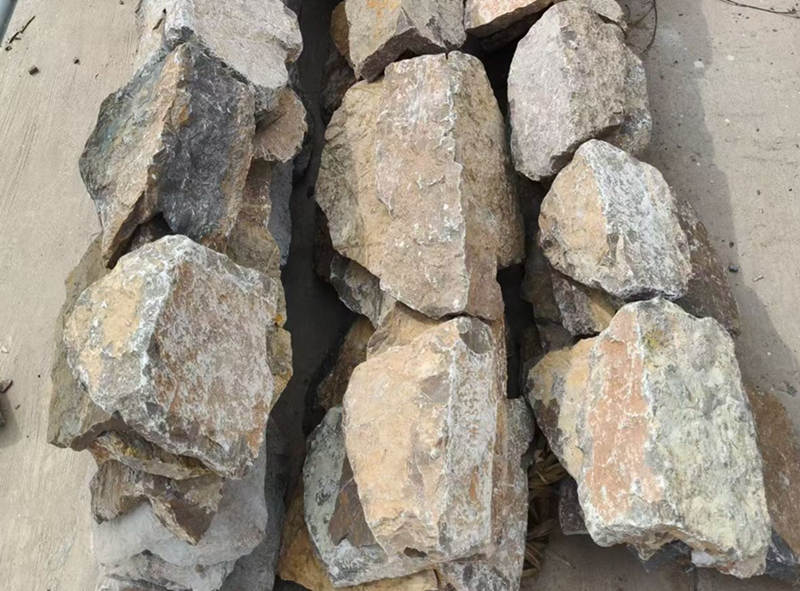
Alternating Corner Returns to Avoid Vertical Zippers
Eliminating vertical “zippers” requires a disciplined rotation of L-shaped returns to break the visual line and simulate a structural load-bearing wall.
Defining the Vertical Zipper Effect
Vertical zippers occur when installers align panel or stone joints in a straight vertical line. This mistake creates an artificial, manufactured appearance that immediately identifies the wall as a veneer rather than solid masonry. In professional 2026 installation audits, designers and architects frequently reject projects that display these linear seams because they break the visual illusion of a hand-laid stone wall.
- Straight vertical seams destroy the organic texture of natural fieldstone.
- Traditional masonry relies on staggered joints to distribute weight and ensure a random, interlocking pattern.
- Linear seams act as a “visual tell” that reduces the property value of high-end architectural builds.
Staggering Joints with L-Shaped Units
Standardizing the corner transition involves using L-shaped corner pieces with unequal leg lengths. By alternating the orientation of these units on every course, the installer shifts the starting point of the following flat stones. This method ensures that the vertical transition between the corner and the main wall surface remains irregular and authentic.
| Installation Metric | Standard Miter Cut | TSS L-Shaped Corner |
|---|---|---|
| Seam Geometry | Linear/Continuous (Zipper) | Offset (Staggered Returns) |
| Visual Depth | Thin, 2D appearance | Full-Depth Visual Integrity |
| Structural Logic | Fragile edge-bond | Interlocking Masonry Wrap |
Maintaining the Bespoke Random-Lay Pattern
While some systems attempt to solve this with interlocking panels, true high-end masonry utilizes loose stone to avoid repetitive factory patterns. Each L-shaped corner piece provides a long return (150-250mm) and a short return (50-100mm). Flipping these pieces on alternating courses prevents the eye from catching a vertical pattern, maintaining a zero-repeat natural variation across the entire feature wall.
- Rotating the corner pieces shifts the vertical seams by at least 100mm per course.
- Individually hand-laid stones allow for micro-adjustments that hide grout lines.
- Precision-cut sawn-back edges ensure the stones sit flush against the substrate, preventing “kick-outs” at the corners.
Securing Corner Returns with Precision Adhesion
The longevity of staggered corners depends on the bond between the stone and the substrate. Using high-strength polymer-modified thinset or specialized epoxy resins ensures that corner returns remain permanently attached under environmental stress. Because Top Source Stone utilizes infrared cutting equipment for a 100% sawn-back finish, the flat bonding surface increases contact area by 30% compared to split-back alternatives.
- Sawn-back finishes reduce on-site labor costs by eliminating the need for back-buttering irregularities.
- Controlled manufacturing environments prevent the bond failures common in field-cut miter joints.
- Properly secured corners resist the freeze-thaw cycles that often pop mitered edges loose.
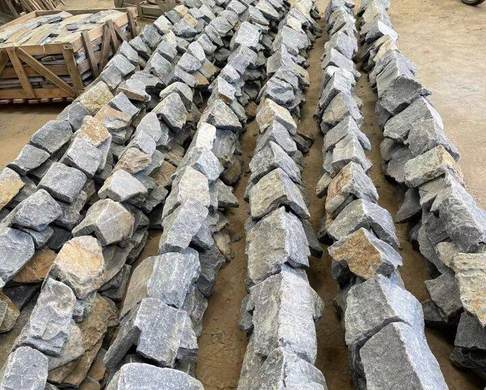
Blending the Corners Seamlessly into the Flat Wall Puzzle
Precision in the transition zone between corner returns and flat wall cladding determines whether a project looks like a professional masonry build or a budget DIY attempt.
Staggered Joint Alignment for Natural Continuity
Installers eliminate visible vertical seams by offsetting stone joints across the wall surface. This technique mimics traditional structural masonry where weight must be distributed across the substrate. By 2026 installation standards, failing to stagger these joints creates a “zipper” effect that immediately signals a non-professional application. We ensure every row starts with different stone lengths to break the visual line and maintain a bespoke random-lay pattern.
- Starting each row with varying corner return lengths prevents linear patterns from forming in the fieldstone.
- Staggering horizontal joints distributes the weight of the 65kg/m² veneer more effectively across the scratch coat.
- Randomizing the placement of different textures ensures the authentic look of a hand-laid stone wall.
Integrating L-Shaped Units with Loose Stone Flats
The transition from a corner to a flat surface requires a clean interface between the L-shaped corner piece and the individual flat stones. Our individually sawn-back stones provide a precision-cut rear surface that sits flush against the substrate, allowing the return leg of the corner to meet the flat stones without depth discrepancies. This creates the “Authentic Masonry Corner Wrap,” giving the illusion of a full-depth structural block.
- The sawn-back finish on both corners and flats ensures a tight, grout-free fit when opting for dry-stack aesthetics.
- Alternating the orientation of L-shaped returns creates a structural interlock that strengthens the wall edge.
- Precision factory-cut edges reduce the need for on-site grinding, cutting labor costs by approximately 30%.
Managing Expansion Gaps and Adhesive Seams
Proper spacing and high-strength bonding agents secure the stones while allowing for the subtle structural shifts common in modern builds. We specify a 1/8-inch expansion gap at wall terminations and corners to accommodate natural building movement. This prevents the stone from cracking or popping off the substrate during freeze-thaw cycles. High-density quartzite and granite materials require polymer-modified thinset to ensure a permanent bond.
- A 1/8-inch expansion gap at terminations absorbs building vibration and thermal expansion.
- High-strength epoxy resins or modified mortars create a permanent bond, preventing individual stones from loosening.
- Mixing color-matched stone dust with adhesive hides minor gaps for a monolithic appearance.
Custom Trimming for Precise Architectural Fits
Standard loose stones often require minor modifications to fit snugly against windows, door frames, or non-standard angles. Wet saws equipped with diamond-tipped blades produce clean, chip-free cuts that preserve the stone’s mineral character. When wrapping non-90-degree angles, manual miter adjustments on the sawn-back side allow the stone texture to flow continuously without exposing the cut face of the material.
- Wet saws prevent dust and ensure the precision required for high-end architectural features.
- Trimming the back of stones at transition points ensures a flush mount against existing trim or cabinetry.
- Manual edge rustication with a mason’s hammer restores a natural look to any visible cut edges.
Conclusion
Using pre-cut L-shaped corners eliminates the structural weaknesses of miter cuts and ensures the finished wall maintains full-depth visual integrity. Properly alternating these returns creates a seamless transition that mimics traditional dry-stack masonry while simplifying the installation process. This approach protects the project’s aesthetic value and long-term durability by preventing unnatural vertical patterns.
Review your current project requirements to determine which natural stone profile best fits your architectural design. Contact our team to request a technical catalog or discuss bulk sourcing options for your upcoming builds.
Frequently Asked Questions
How do you finish the edges of fieldstone veneer?
Edges are finished by managing joint spacing and tooling the mortar to create structural integrity. For a professional look, maintain approximately 10mm gaps between stones and fill them with mortar to provide visual definition. Exposed edges should be hand-dressed with a hammer and chisel to mimic a natural break, or wrapped using “return” stones to maintain the illusion of full-depth masonry.
Does fieldstone veneer have corner pieces?
Yes, fieldstone veneer is available in specialized corner pieces. In thin veneer applications, these are typically L-shaped units. For natural fieldstone installations where pre-cut corners are not available, corner pieces are fabricated on-site by making precise cuts on flat stone stock to create a 90-degree return or by selecting stones with two naturally usable faces.
How to install corners on irregular stone walls?
Installing corners on irregular walls requires maintaining plumb alignment in multiple directions by measuring from the “high point” of each stone. Use a “weaving” technique, alternating the direction of the long and short stones in each course. This prevents vertical seams and ensures structural stability. Gaps between the contact points of irregular stones are filled with mortar to maintain a uniform appearance.
Can you miter cut natural fieldstone?
Yes, natural fieldstone can be miter cut using a wet saw equipped with a diamond blade. Mitering is specifically used for 45-degree corners to create a seamless visual transition around edges. While mitering is effective for modern or clean-lined aesthetics, many installers prefer weaving natural edges to maintain a more rugged, authentic stone appearance.
Do you install flat stones or corners first?
You should always install the corner pieces first. Establishing the corners allows you to set the vertical plumb and horizontal level for each course. Once the corners are set, you can work the flat stones inward toward the center of the wall, making it easier to manage stone placement and ensuring the courses remain consistent across the entire surface.
