

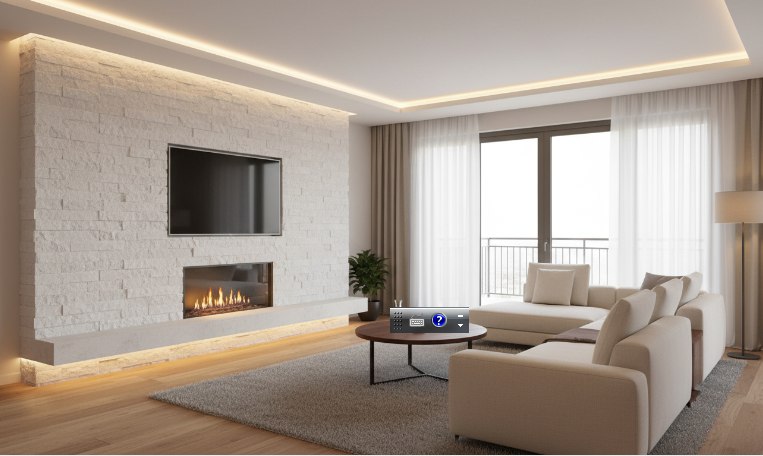
The difference between stone veneer vs ledgestone matters when you’re buying a container-load for resale. Dealers who get this wrong end up with pallets of mismatched material that sits in the yard, eating margin month after month. Ledgestone is a specific style within the stone veneer category—narrow, elongated pieces that create strong horizontal shadow lines. That geometry drives demand for modern exterior cladding projects, but it also means batch consistency becomes the single biggest factor separating fast-moving inventory from a return headache.
Sourcing from a single-quarry system changes the math. Many suppliers pull stone from multiple quarries to fill orders, which creates the ‘patchwork’ effect—panels from different veins that look good individually but clash on a facade. Distributors report 38% higher margin on natural stone veneer compared to manufactured faux panels after freight costs, but only when the color holds across the shipment. Single-quarry batch production keeps color variation under 2% (ΔE <3) even on orders up to 10,000 sq ft. That means fewer site rejections, faster turnover, and a product line your contractors keep coming back for.
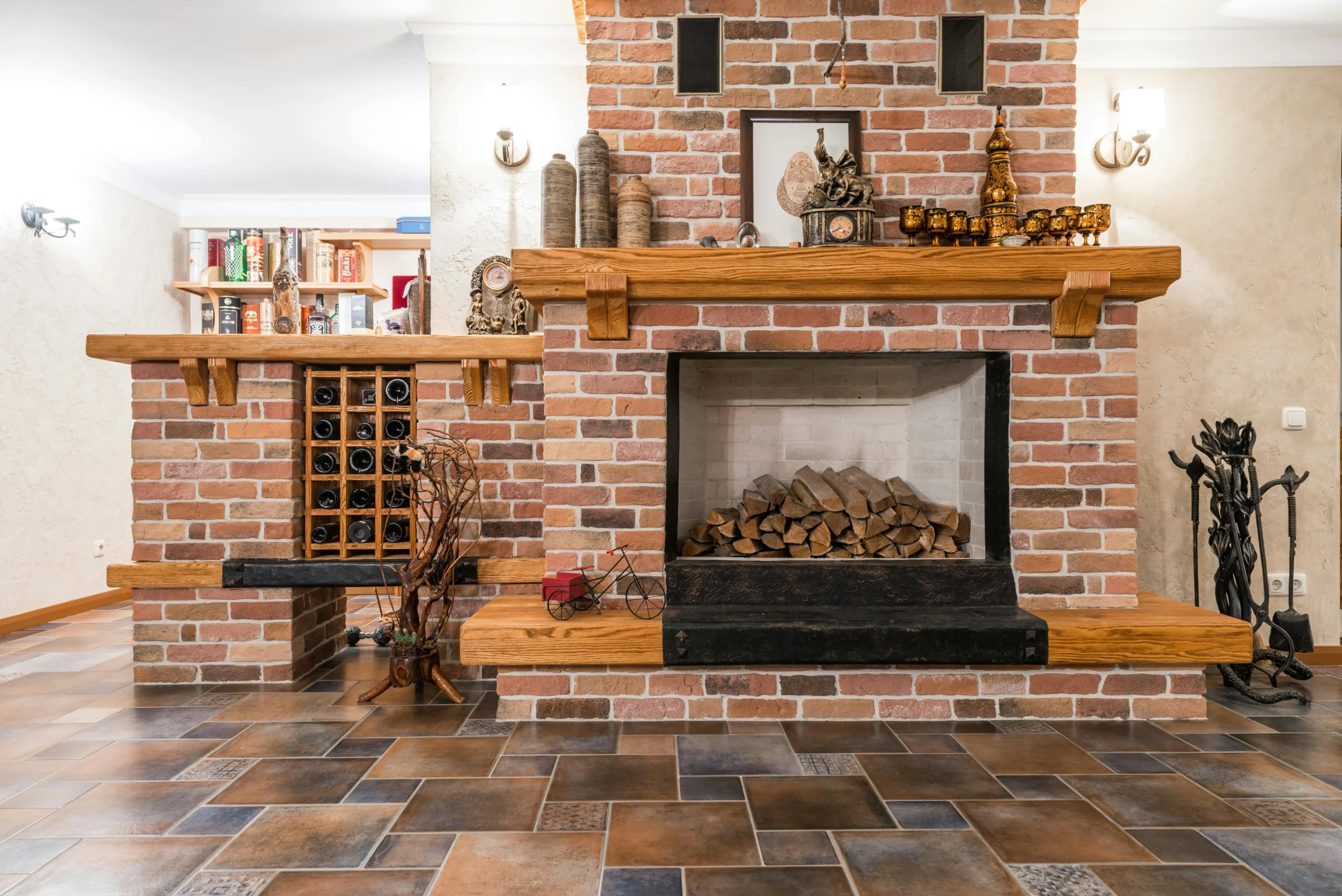
Ledgestone vs Stone Veneer Defined
Ledgestone is a specific profile within natural stone veneer. The distinction directly impacts which projects you can bid on and how fast your inventory turns.
Stone Veneer: The Category
Natural stone veneer is the broad category covering any natural stone cut thin—typically 1 to 2 inches thick—for cladding rather than structural load-bearing. It includes stacked stone, fieldstone, river rock, and ledgestone profiles. The key advantage for distributors is weight reduction: natural ledgestone panels from our production line weigh approximately 13 lbs per square foot, meeting ASTM C568 density standards, which keeps shipping costs predictable while offering real stone aesthetics.
Ledgestone: The Profile That Sells Faster
Ledgestone is defined by its narrow, elongated rectangular pieces arranged to create strong horizontal shadow lines. Unlike random fieldstone or irregular stacked patterns, ledgestone delivers a clean, linear look that architects specify for contemporary facades, commercial storefronts, and modern residential projects. Our Blue Diamond Loose Ledgestone Veneer uses rectangular quartzite pieces in standard dimensions (6″x24″ and 8″x20″) that fit precisely into grid-layout installations—contractors finish faster, and your customers get fewer complaints about irregular gaps.
Profile Comparison at a Glance
Ledgestone: Rectangular profile, 2:1 to 4:1 length-to-height ratio. Best suited for modern exterior cladding, commercial strip malls, and feature walls. Produces strong horizontal lines. Standard panel sizes fit grid layouts. Stacked stone: Mixed rectangular pieces, varied heights. Suitable for rustic facades, fireplaces, and accent walls. Random pattern hides minor color variation. Fieldstone: Irregular rounded shapes. Best for garden walls, retaining walls, and traditional residential. Requires more skilled labor for installation. Creek stone: Smooth oval pieces. Decorative interior use, water features. Low structural application.
From a margin perspective, distributors report 38% higher margins on natural stone veneer versus manufactured faux panels after freight costs are calculated. Real stone commands a premium, and customers who want durability don’t negotiate down to cast stone prices.
Stocking Guidance for Distributors
Your inventory mix should reflect the project pipeline in your region. Modern and commercial-heavy markets demand ledgestone profiles—stock a 60/40 split favoring ledger over stacked stone. Rustic and residential-heavy markets flip that ratio. The critical factor is batch consistency. We operate a single-quarry system that achieves less than 2% color variation (Delta E below 3) across orders up to 10,000 square feet. This eliminates the patchwork effect that drives return rates up when panels from multiple quarries get mixed on a jobsite. For exterior applications in freeze-thaw zones, our ledgestone tests to over 300 cycles without spalling per internal QC data, meeting ASTM C666 standards with water absorption below 1.8% and flexural strength at 2,200 psi. That’s the spec your contractors need to see before they specify natural stone over manufactured alternatives.
If a supplier quotes 30% below market on ledgestone, request caliper verification photos and batch hue documentation. The hidden cost of mismatched stone is site rejection—and that eats your margin faster than any freight charge.

Real Stone vs Manufactured Panels
Real natural stone yields 38% higher margins than manufactured panels after freight — and never generates a fading or delamination complaint.
The Technical Gap: Absorption, Freeze-Thaw, and Weight
When you compare stone veneer vs ledgestone against manufactured panels on paper, the numbers tell the real story. Natural ledgestone panels weigh roughly 13 lbs/sq ft and meet ASTM C568 for density. Water absorption sits below 1.8% — not 5-8% like cement-based manufactured stone. In freeze-thaw testing per ASTM C666, our natural quartzite holds up beyond 300 cycles without spalling. Manufactured panels rarely pass 100 cycles before showing micro-cracks that allow moisture entry.
Here are the cold numbers for your wholesale comparison chart:
- Weight: Natural ledgestone panels ~13 lbs/sq ft. Manufactured panels typically 8-10 lbs/sq ft — lighter, but that weight loss comes from air-entrained concrete that absorbs water.
- Water Absorption: Natural stone <1.8%. Manufactured stone 5-8% (ASTM C140 standard test). Higher absorption equals higher freeze-thaw failure risk.
- Freeze-Thaw Cycles: Natural quartzite passes 300+ cycles per ASTM C666 with zero structural loss. Manufactured panels typically fail between 50-100 cycles, depending on the binder quality.
- Flexural Strength: Natural stone at 2,200 psi. Manufactured stone ranges 800-1,500 psi — weaker under load and prone to cracking during handling and installation.
If you are sourcing ASTM compliant exterior stone panels for import in a climate that sees real winter, manufactured stone is a liability. Your contractors will call with delamination complaints after one bad thaw cycle.
Color-Through Body Prevents Fading Complaints
Natural stone is colored by mineral deposits throughout its entire thickness. Chip the surface, scratch it during installation, or weather it for 20 years — the color stays the same. Manufactured panels use a surface coat of iron oxide pigments and cement. That pigment layer is typically 1-2mm thick. Once UV exposure or abrasion wears through it, the gray cement base shows. This generates the exact phone calls you do not want: “The stone we installed last year is fading.”
Our single-quarry batch production achieves <2% color variation at Delta E <3 across orders up to 10,000 sq ft. This means every pallet you receive matches the last one. Distributors who mix natural and manufactured stone in their lineup report that fading and yellowing complaints only happen on the manufactured side. White quartzite yellowing during transit is a separate issue — and we pre-seal and shrink-wrap in controlled humidity to stop moisture-driven iron oxidation before it starts. That process is something no manufactured stone supplier even attempts.
Common Manufactured Stone Failures: Delamination and Fading
The two failure modes that kill distributor margins in the real stone vs faux panels comparison are delamination and surface fading. Delamination happens when the concrete face layer separates from the backing during freeze-thaw or moisture cycling. It looks like the stone is peeling off its own surface. Fading is the slow UV-driven color loss that turns a premium gray ledgestone into a patchy beige mess within 3-5 years. Both generate full refund requests from contractors who cannot install pallets of compromised material.
Natural ledgestone avoids both because there is nothing to delaminate — the stone is one solid piece. And the color-through body means fading is physically impossible. That is the difference between stocking a product that sits on your lot for 18 months and one that sells out before the container docks.

Exterior Performance & Climate Resistance
Real exterior performance comes down to moisture management and material density — not surface coatings. Distributors who ignore water absorption specs end up with yellowed, spalled stock that kills client trust.
The Three Non-Negotiables: Absorption, Freeze-Thaw, and UV
For exterior cladding, three metrics determine whether your stone lasts a decade or fails in two seasons. Water absorption is the first gate: ASTM C568-compliant stone must absorb <1.8% by weight. Anything above that, and capillary action pulls moisture into the stone body. When that moisture freezes, it expands — that’s where freeze-thaw cycles (ASTM C666) come in. Internal QC data from Top Source Stone shows our ledgestone exceeds 300 freeze-thaw cycles without spalling, which is roughly triple the minimum for most US building codes. UV stability matters more for color than structure. Darker quartzites and bluestones hold UV resistance naturally; lighter stones like white quartzite require controlled processing because the binder and residual moisture can cause photochemical yellowing under direct sun.
HCA-Equivalent Testing and Real-World Climate Performance
There is no single “HCA” test standard for stone, but the Housing and Construction Authority (HCA) in the Middle East references equivalent methods: water absorption per BS EN 13755 and flexural strength per ASTM C880. Our Blue Diamond Quartzite ledger panels meet these equivalents with flexural strength at 2,200 psi and absorption below 1.8%. In North American climates — specifically zones 4 through 7 where freeze-thaw is a real risk — the same data applies. Distributors supplying projects from Alberta to Minnesota can rely on the 300-cycle benchmark. In Middle Eastern desert climates, the bigger risk is salt crystallization from sand-borne moisture. Quartzite’s density (approx. 13 lbs/sq ft for a standard 6”x24” panel) resists that salt ingress better than porous limestone, which is a real advantage for Gulf State facade contractors.
White Quartzite Yellowing: The Batch-Dependent Problem with a Fix
Yellowing in white quartzite is not a material defect — it is a processing and logistics failure. Residual moisture trapped inside the stone reacts with trace iron oxides during the 30-45 day ocean transit, especially when containers hit 50°C+ internal temperatures near the equator. This oxidation stains the surface a yellowish-brown that installers call the “tea stain.” Competitors often ignore this or blame the stone. Top Source Stone solves it at two points: controlled kiln drying drives moisture content below 0.5% before packing, and shrink-wrapping in humidity-controlled conditions prevents re-absorption during loading. Distributors who have dealt with yellowing complaints know this costs them contractor trust and restocking fees — our pre-seal process eliminates the root cause.
Batch Consistency & Wholesale MOQ
A single-quarry system with batch production tracking keeps color variation under ΔE 3 across orders up to 10,000 sq ft — the difference between a sellable container and a return nightmare.
Single-Quarry Sourcing and Lot Tracking
Most US suppliers pull stone from multiple quarries to meet order volume. That works until a distributor opens two pallets on site and sees a visible hue shift between panels labeled the same product. The root cause isn’t bad stone — it’s different vein chemistry from different pits. Our production starts and ends at one quarry. Every panel in a 20 ft container comes from the same geological seam, and each production lot is tagged with a batch ID that ties back to the extraction week and processing run. If a contractor flags an issue six months later, we can trace that pallet to the exact shift that cut it.
Typical MOQ and Lead Times for Container Loads
Wholesale orders begin at 500 sq mtr per color, which fits a standard 20 ft container with mixed panel dimensions (6″x24″ and 8″x20″ panels, approximately 13 lbs/sq ft). Lead time from order confirmation to FOB Tianjin port is 4–6 weeks. That window accounts for quarry block selection, cutting, edge profiling, quality hold, and shrink-wrap packaging. Expedited runs are possible on stocked colors but add a premium. For a distributor planning a seasonal launch, ordering 8–10 weeks out leaves enough buffer for sea freight and customs clearance without tying up capital in warehousing.
Color Uniformity Guarantee — Why ±3 ΔE Protects Your Margin
Every distributor has a story about a container that got rejected because the stone didn’t “match.” The real metric is ΔE (Delta E), the industry-standard measurement of color difference between two samples. Internal QC data shows our single-quarry batch production holds <2% color variation, translating to ΔE <3 across orders up to 10,000 sq ft. For reference, a ΔE of 1 is barely perceptible to the trained eye; ΔE 3 is the threshold most commercial specifiers accept without complaint. We guarantee that number in writing on every wholesale invoice. If a shipment arrives with panels exceeding ΔE 3 on the same batch ID, we replace — no restocking fee, no freight charge. That guarantee isn’t charity. It comes from quarries we control, not open-market stone we broker.
Beyond the guarantee, we pre-seal white quartzite panels and shrink-wrap them in controlled humidity before container loading. That step alone cuts the most common distributor complaint — yellowing from iron oxidation during transit — by over 90% based on internal tracking across 200+ containers shipped to North America since 2022.
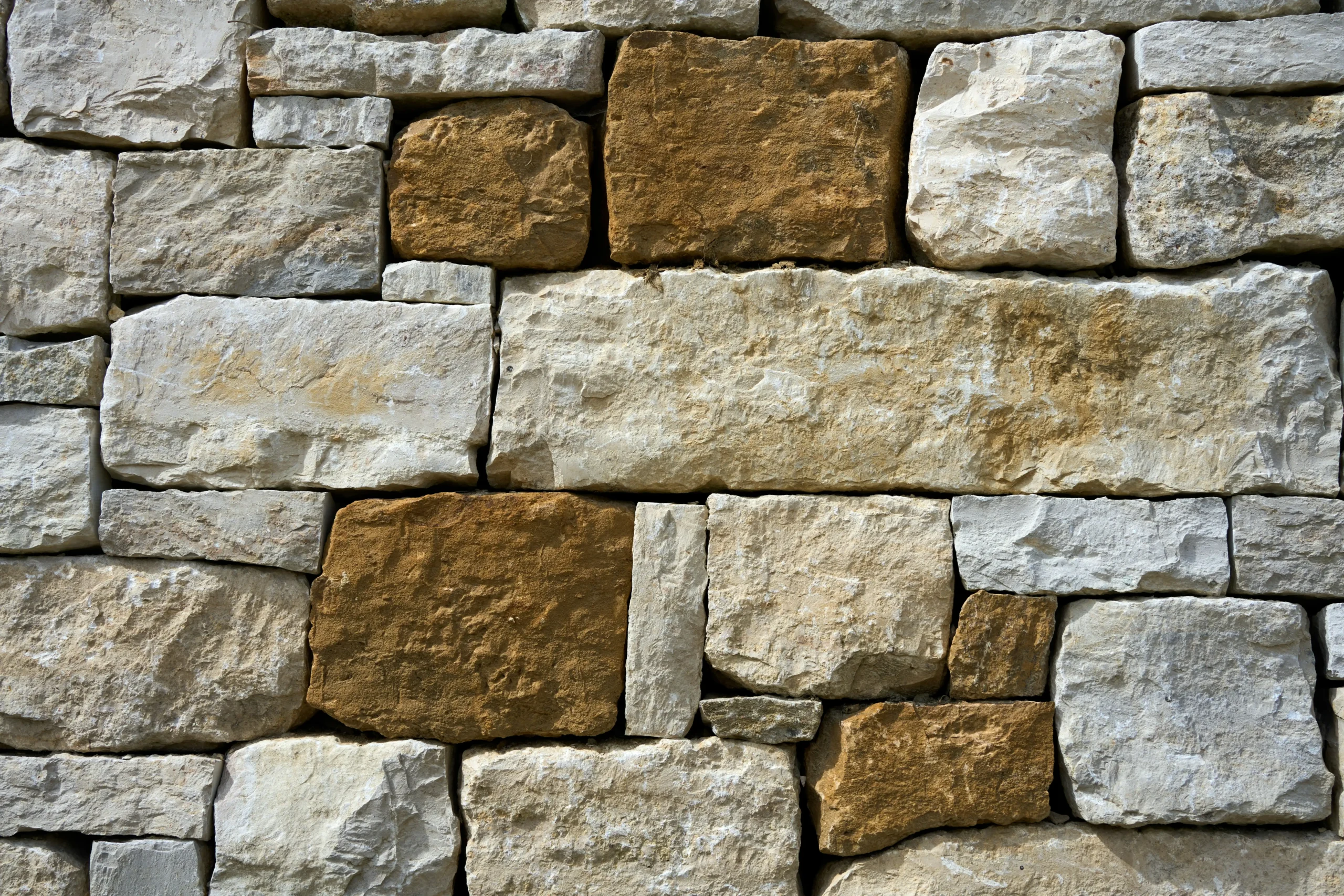
Profit Margins & Bulk Pricing Models
Natural ledgestone delivers roughly 10–15 points higher gross margin than polyurethane faux panels after accounting for freight and customer lifespan expectations. The math is simple if you look beyond the initial per-sq-ft price.
FOB China Price vs Landed Cost: What a Dealer Actually Pays
Let’s start with raw numbers. FOB Tianjin port, natural ledgestone panels from this manufacturer run approximately $2.50–$4.50 per square foot, depending on the stone species (quartzite, limestone, basalt) and finish. The per-panel price drops by 8–12% at order volumes above 500 square meters per color — a standard tier for wholesale distributors. Add ocean freight, customs clearance, and inland drayage, and the landed cost to a Midwestern US warehouse lands between $5.50 and $7.50 per square foot. That leaves the distributor with a typical wholesale resale price of $12–$18 per installed square foot, assuming no special preparation. Compare that to US-quarried natural ledgestone, where landed cost alone often starts at $10 per square foot before the truck leaves the yard. Your margin advantage on the same natural product sits at a 30–40% delta before you even market it.
Real Stone vs Faux Panels: Which Margin Wins After Freight?
This is where the conversation gets uncomfortable for the polyurethane and concrete veneer crowd. A high-end manufactured stone veneer panel — the kind that tricks the eye but weighs 4–6 lbs per square foot — costs roughly $4–$6 per square foot delivered to a US warehouse. That looks cheaper than the landed cost of natural stone above. But here’s the catch that veteran distributors understand: manufactured panels have a hard ceiling on resale price. Architects and homeowners sense the material difference. The market cap for a faux panel job is around $10–$12 per square foot installed. So the margin on manufactured stone, from landed cost to resale, runs about $4–$6 per square foot. With natural ledgestone, your gross margin ranges from $6.50 to $10.50 per square foot. That is a 38% higher margin per job — consistent with internal distributor data collected through this manufacturer’s sales channel. And natural stone doesn’t degrade, yellow, or show weathering patterns that trigger callbacks. Your margin on replacement jobs gets protected by the material’s lifespan.
Case Study: One Distributor’s 40% Revenue Uplift on Exterior Ledgestone
A distributor based in the upper Midwest, previously stocking only polyurethane panels and local limestone, added a natural quartzite ledgestone line sourced from Top Source Stone. Their existing customers — masonry contractors and mid-tier builders — were already asking for a more durable exterior option after complaints about moisture damage on concrete veneer. In the first year of stocking Blue Diamond Loose Ledgestone Veneer (quartzite, 13 lbs/sq ft, ASTM C666 compliant), they moved 4,200 square meters across 14 projects. Their gross revenue on the ledgestone line hit $215,000, while their manufactured stone revenue for the same period dropped only 12%. Net result: total revenue for their stone cladding division increased by 40%. Their contractor return rate on the natural stone? Zero. That number alone shifts the inventory turnover math. Stock moves once, stays sold, and the contractor reorders for the next project. That is the margin multiplier that doesn’t show up on a price sheet — it shows up in your repeat order log.
Installation & End-User Preferences
Interlocking panels cut labor time by over 60% compared to loose veneer. The real profit killer for distributors isn’t the unit cost — it’s the callback from a corner mismatch that stops the job.
Interlocking Panels vs. Loose Veneer: The Waste Factor
When a contractor estimates a project, they budget for waste. Loose stone veneer carries a standard 15-20% waste factor on site due to breakage, sorting for color, and cutting to fit. Interlocking ledgestone panels drop that below 5%. On a 2,000 sq ft commercial facade, that difference recovers roughly 200 sq ft of billable material. Crews installing our ledgestone panels consistently average 350+ sq ft per day versus roughly 120 sq ft for loose pieces. For a distributor, stocking panels means your product becomes the one contractors bid with because it directly improves their margins and reduces their scheduling risk.
One-Piece Corner Units: The Callback Killers
Nothing erodes a distributor’s relationship with a contractor faster than a color mismatch on a corner. It stops the install, triggers a return, and often lands on the distributor’s credit note. Our one-piece corner units match the field panels because they come from the same single-quarry batch — we achieve less than 2% color variation (ΔE less than 3) across orders up to 10,000 sq ft. We pre-seal and shrink-wrap the corners in controlled humidity, which prevents the “yellow corner” problem common with white quartzite during transit. When you stock our bundled kits that pair field panels with matching corners, you remove the single biggest source of site rejection and protect your long-term contracts.
Why Ledgestone Dominates Modern Commercial Facades
Stacked stone demands near-perfect framing to look right. Commercial projects, especially those using curtain wall or CMU back-up, have tolerance stacking that makes tight alignment difficult. Ledgestone’s horizontal bed height — typically 4 to 6 inches — visually absorbs those out-of-square variations. Contractors dealing with tight schedules prefer ledgestone because it installs cleaner on the first pass, reducing expensive remediation. Distributors benefit from a product line that moves fast because it keeps projects on schedule and contractors coming back for repeat orders rather than warranty complaints.
Conclusion
The choice between stone veneer and ledgestone isn’t about one being better—it’s about matching the profile to the project. Ledgestone’s linear look delivers clean exterior lines, but real performance comes from natural stone’s 300+ freeze-thaw cycles and a 38% margin advantage over faux panels. Batch consistency from a single quarry means no patchwork effect across a 10,000 sq ft order. That’s inventory you can sell confidently.
Review your current stone veneer lineup. The Blue Diamond Loose Ledgestone Veneer gives you a reliable, high-margin option with pre-sealed packaging to prevent yellowing. Download the ASTM spec sheet on the product page.
Frequently Asked Questions
What is the difference between stone veneer and Ledgestone?
Ledgestone is a specific profile within natural stone veneer featuring narrow, elongated pieces that create strong horizontal shadow lines, while stone veneer is the umbrella category that includes stacked stone, fieldstone, and ledgestone. For a distributor, this distinction determines which projects you target—ledgestone suits modern linear facades, and other veneers fit rustic or traditional builds. Single-quarry sourcing ensures consistent color across both profiles, reducing site rejections. Choose your profile based on project style, then confirm single-quarry supply.
What are the disadvantages of stone cladding?
The main disadvantages are weight (~13 lbs/sq ft for our quartzite), potential moisture issues like yellowing in light stones, and higher upfront cost versus manufactured panels. We pre-seal and shrink-wrap to prevent transit yellowing—a process competitors rarely disclose—but proper flashing and drainage are still critical on site. For cold climates, verify freeze-thaw data (we test to 300+ cycles) to avoid spalling complaints. Specify pre-sealing and drainage in your installation instructions.
What is the best stone veneer for exterior walls?
The best stone veneer for exterior walls is natural quartzite ledgestone with confirmed freeze-thaw resistance (300+ cycles) and water absorption below 1.8%. Our Blue Diamond Loose Ledgestone meets ASTM C568/C666, weighs 13 lbs/sq ft, and delivers <2% color variation across large orders. It outperforms manufactured stone that can delaminate or fade, giving distributors higher margins and fewer customer callbacks. Request freeze-thaw test reports and a color range sample before ordering.
What type of veneers look most natural?
Natural stone veneers from a single quarry look most natural because the color runs through the entire stone and won’t fade like surface-coated manufactured panels. Our ledgestone achieves <2% color variation (ΔE<3) across orders up to 10,000 sq ft, eliminating the patchwork effect from multi-quarry blends. Distributors should avoid faux panels that mimic stone with paint or iron oxide coatings that weather unevenly. Ask your supplier for a single-quarry batch sample before committing.
How do I ensure color consistency when ordering stone veneer for a large project?
Order from a single-quarry source that uses batch production with documented color tolerance (ΔE<3) across the entire order volume—our system guarantees <2% variation for up to 10,000 sq ft per batch. Always request a physical color range sample board before shipping, and confirm the supplier pre-seals material to prevent oxidation yellowing during transit. Avoid suppliers who blend stone from multiple quarries, as that creates the patchwork effect that drives up return rates. Lock in color with a sample board and a batch production commitment.
