

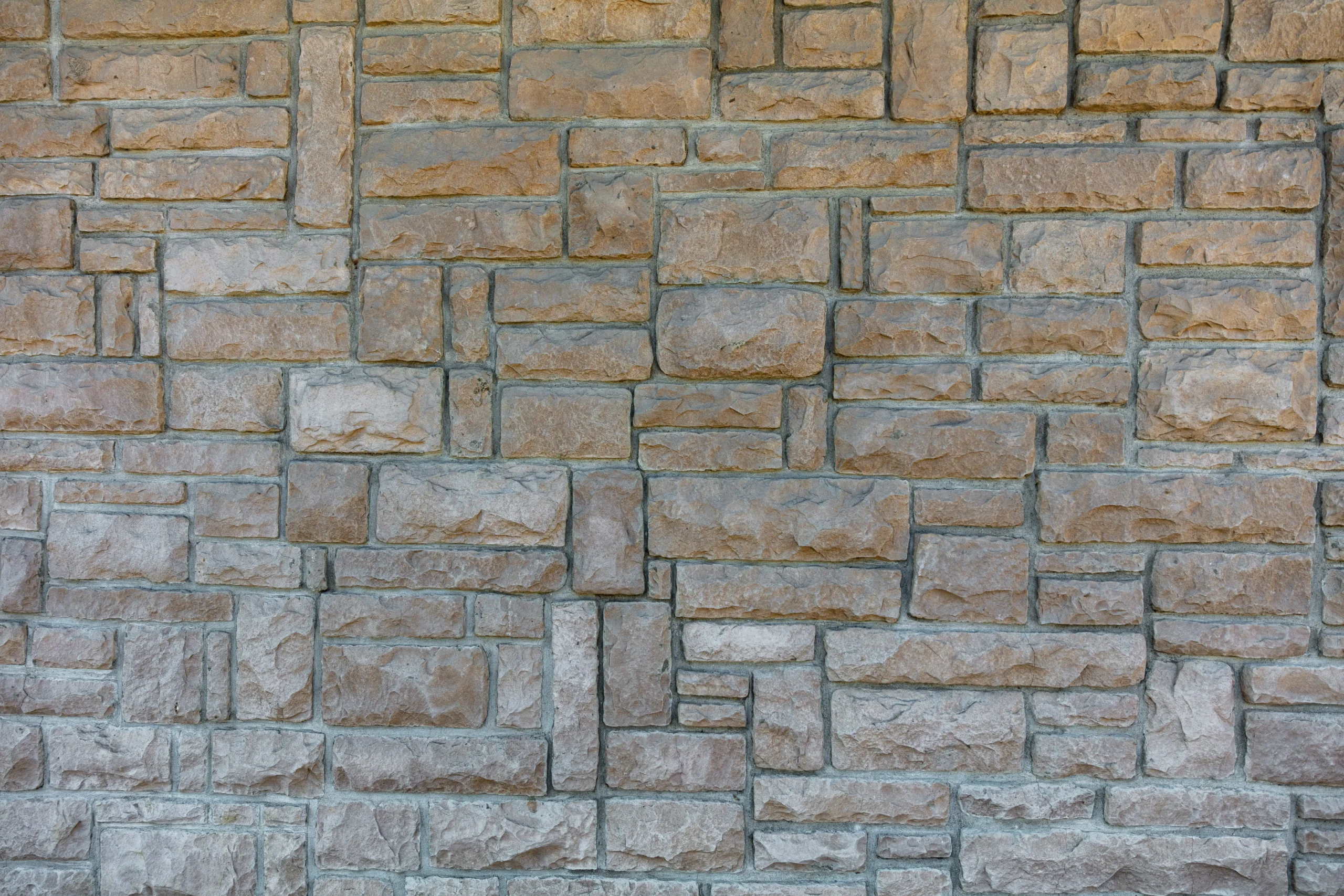
Choosing exterior stone veneer is a practical call for project teams who must balance aesthetics with batch consistency and safe performance on large facades. Top Source Stone is a China-based stacked stone ledger panels manufacturer with its own quarries in Yixian, Hebei, delivering batch-controlled panels to distributors and specifiers since 2005. Architects care about color drift, installation speed, and risk. That field reality guides spec and procurement choices on bid day. Integrated quarry-to-panel production provides traceability and helps you avoid patchy looks that derail design intent.
Verify batch data before shipment, including spectrophotometer results that prove color uniformity within ΔE ≤ 2.0 across the entire batch. Integrated quarry-to-panel production provides 100% traceability. That approach virtually eliminates batch-to-batch color drift across projects of any size. Factory pre-grouting speeds installation and keeps joint color stable. Per-project engineering letters sealed by in-house PEs confirm wind-load and anchor compliance, and fire-rating certificates can be provided to support design review.
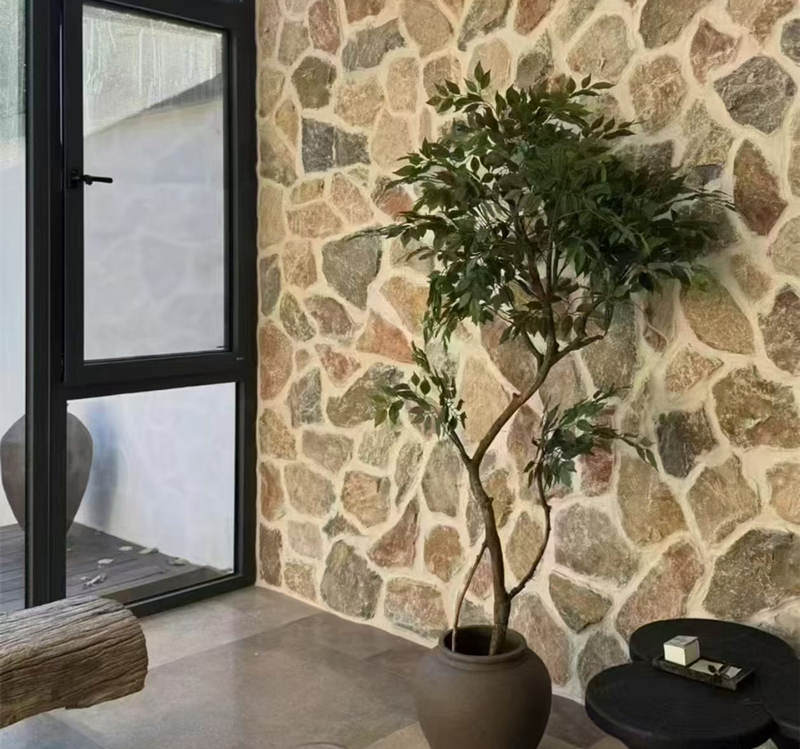
Stone Veneer Systems: Panelized vs Individual
Panelized stone systems speed facades while locking in batch color and joint accuracy for large walls.
Two primary exterior stone installation categories
The marketplace divides into pre-assembled modular panels and individually set natural stone veneer. Panels come with fixed coursing, color blending, and joint lines, enabling rapid cladding of large elevations. Individual stones are laid piece by piece, offering maximum layout freedom but requiring skilled labor and careful on-site coordination.
- Panel category: Pre-assembled 6″ x 24″ stacked stone panels with factory-aligned joints.
- Individual veneer: Natural stones set one-by-one, allowing bespoke patterns but longer schedules.
Installation speed
Panelized systems install at approximately 50 square feet per hour, while individually set veneer runs about 10 square feet per hour. The speed gap translates into shorter crane time, fewer crew days, and earlier occupancy for commercial façades.
Labor cost differentials and design flexibility
Panelized panels reduce on-site labor hours and increase predictability. For large projects, this approach frequently yields lower total labor cost and less on-site coordination, with factory-controlled joint spacing and color distribution helping keep visuals consistent across the wall.
- Installed cost: Panelized systems typically range $18–$27 per sq ft for large facades, including panels, fasteners, and basic grout. Indirectly, this can be up to ~30% lower than equivalent individual-stone installations on similar scopes.
- Design flexibility: Panels enable rapid mockups and easy color-trend testing across a whole façade, with significantly less field variation than loose stones.
For commercial facades >500 sq ft, panelized systems
For façades larger than 500 square feet, panelized systems drastically reduce schedule risk and on-site variability. Factory-built panels maintain uniform joint spacing, color distribution, and overall appearance, minimizing on-site rework and weather-driven delays.
Evidence, benchmarks, and production reality
Industry guides from competitors emphasize installation efficiency and color stability. Top Source Stone backs these claims with a controlled supply chain: integrated quarry-to-panel production delivers color drift below ΔE 2.0 across full batches, and pre-grouting at the factory helps ensure a uniform joint appearance. Panel data to plan freight and yield include 6″ x 24″ panels covering 1 sq ft each; a pallet covers 100 sq ft, and a standard 20-ton container optimizes to roughly 2,000 sq ft.
- Color uniformity: ΔE ≤ 2.0 across full batch, verified by spectrophotometer testing per project.
- Water absorption: ≤ 0.5% (ASTM C67), ensuring freeze-thaw stability to -20°C.
- Fire performance: ASTM E84 Class A Flame Spread Index ≤ 25 for Type I and II commercial buildings.
- Panel coverage: 6″ x 24″ panels cover 1 sq ft each; 1 pallet = 100 sq ft; 20-ton container ~2,000 sq ft optimized.
- Project costs: Installed cost breakdown for large-scale facades ranges $18–$27 per sq ft depending on labor and freight.
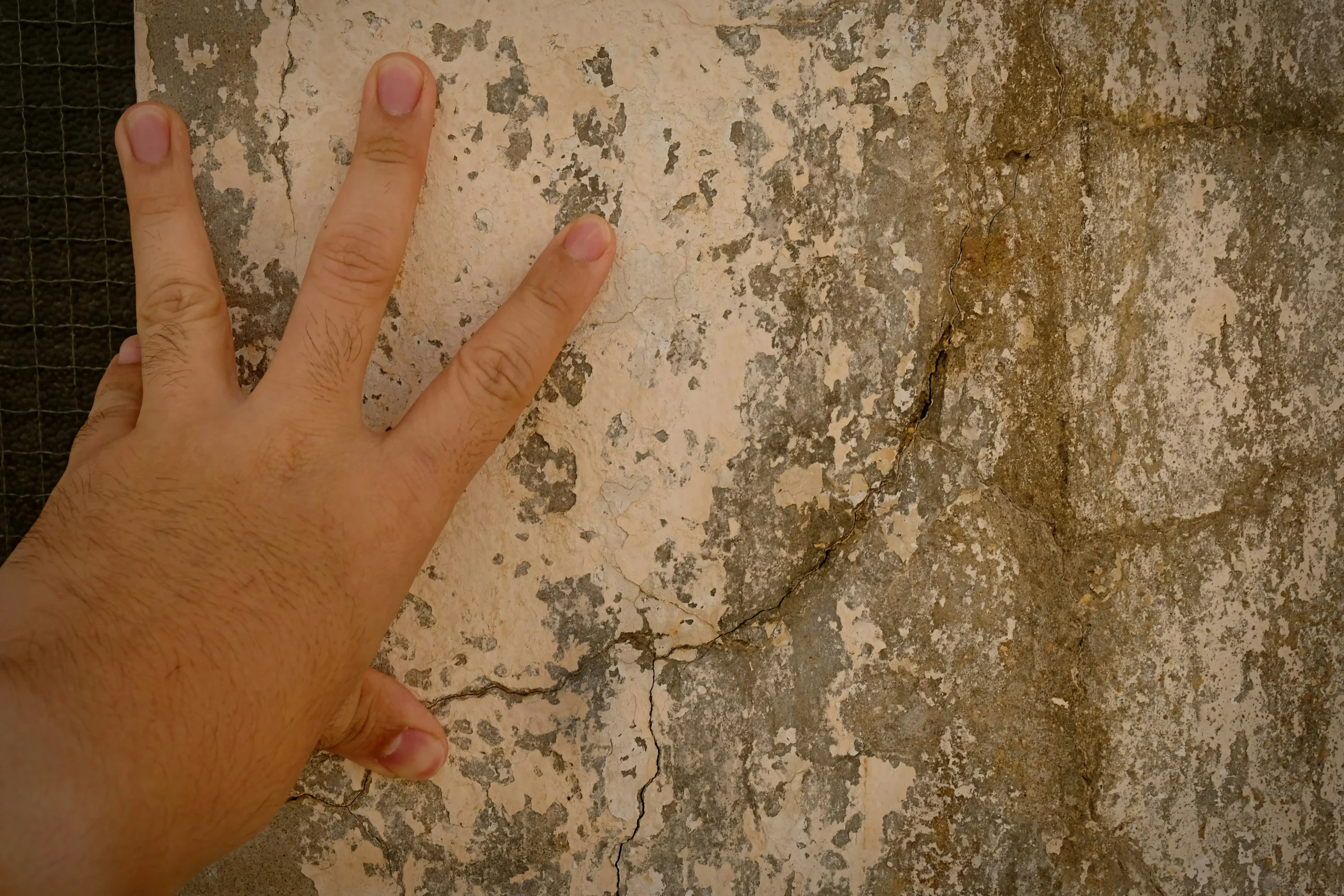
Architect’s Guide to Material Specs & Compliance
Direct answer: Architects must specify fire-rated exterior veneer with quantified performance data, documented by third-party lab results per project, and include moisture-management details to meet code on large facades.
NFRC, fire ratings, and freeze-thaw resistance architects must specify
NFRC ratings are designed for fenestration, not solid veneer panels. Architects should specify exterior envelope performance standards and require third-party lab data for the veneer system to verify air, water, and vapor management. Emphasize fire and moisture performance with test-backed evidence rather than generic marketing claims.
- Fire performance: ASTM E84 Class A Flame Spread Index ≤25, suitable for Type I and II commercial buildings.
- Freeze-thaw resistance: Water absorption ≤0.5% (ASTM C67), enabling freeze-thaw durability down to -20°C.
- NFRC applicability: NFRC labels do not cover stone veneer panels; specify exterior envelope performance and rely on third-party data for the veneer system.
- Flexural strength: Greater than 2,000 psi (≈14 MPa) minimum to withstand wind-load and handling across large panels.
- Third-party test reports: Catalogs often lack accredited reports; require per-project certification from an independent lab.
- Moisture management & drainage plane: Demand factory-installed drainage plane details, flashing, and moisture-control elements aligned with code requirements.
Top Source Stone provides certified lab results per project, plus installation guidance and drainage details that address wind-load and sealing continuity, reducing architect liability and expediting approvals.
| Aspect | Specification | Test/Standard | Notes |
|---|---|---|---|
| Color Uniformity | ΔE ≤ 2.0 across full batch | Spectrophotometer testing per project | 100% batch consistency via integrated quarry-to-panel production |
| Fire Rating | ASTM E84 Class A (Flame Spread ≤ 25) | ASTM E84 | Suitable for Type I and II commercial buildings |
| Water Absorption | ≤ 0.5% | ASTM C67 | Freeze–thaw stability to -20°C |
| Panel Size & Coverage | 6″ x 24″ panels; 1 panel covers 1 sq ft | N/A | Panelized systems enable faster installation; pallets ≈ 100 sq ft; 20-ton container ≈ 2,000 sq ft |
| Batch Traceability | 100% traceability within the same geological seam | In-house QA / production records | Reduces color drift across large walls |
| Engineering & Compliance | Per-project engineering letters sealed by in-house PEs | In-house PE process | Wind-load and anchor testing to de-risk liability |
| Code Compliance | ICC-ES AC51 compliance for mechanically fastened veneer | ICC-ES AC51 | Codes acceptance for structural veneer systems |
| Sustainability / Regional Materials | LEED v4.1 credits when quarry within 500 miles | LEED criteria | Supports regional-material credits |
| Installed Cost / Value | $18–$27 per sq ft installed | Market data | Panelized systems offer ~30% savings vs individual veneer |
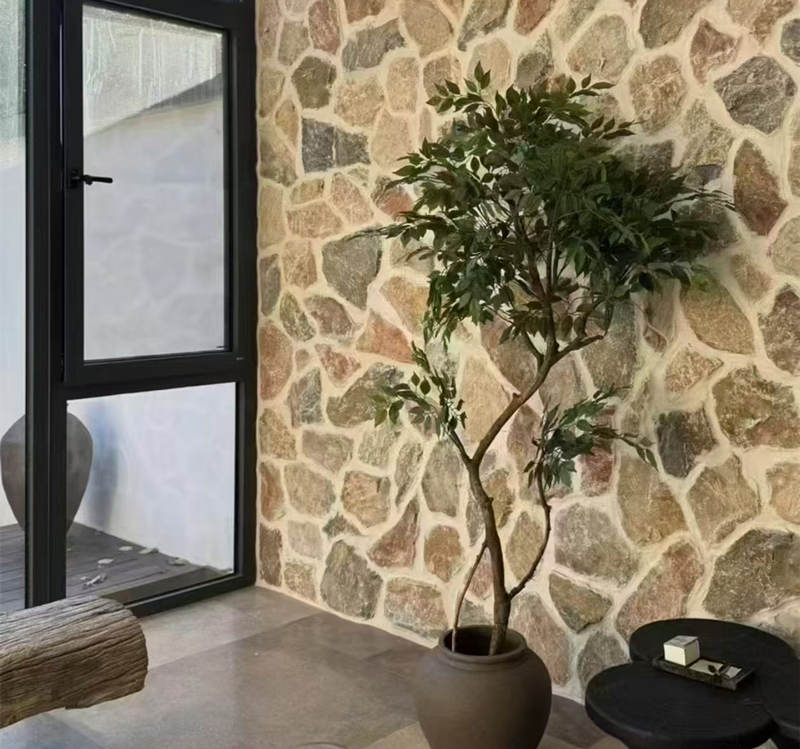
Eliminating Color Inconsistency at Scale
Single-quarry manufacturing minimizes color drift and delivers a near monolithic exterior over large facades, aligning with design intent across thousands of square feet.
Pain Point: Patchy Walls
Architects know that even small color variations on a large wall can ruin the architectural narrative. Patchy walls trigger rework, extra coatings, and costly schedule slips, undermining brand continuity on projects like hotels, campuses, and retail corridors. The risk increases when materials come from multiple quarry sources or batches, creating visible seams that contradict a render’s uniform appearance.
Same-Quarry Sourcing and Batch Intermixing During Panel Assembly are Critical
To maintain cohesion on large walls, sourcing and batching must be controlled from the outset. Intermixing stones from different quarries or batches during panel assembly is a common cause of color shifts, visible seams, and inconsistent texture across thousands of square feet.
ΔE Color Tolerance ≤ 2.0 Achievable When Manufacturing from One Quarry Block
Achieving a tight color tolerance hinges on single-quarry production. When manufacturing uses one quarry block for the full batch, color drift can be kept within ΔE ≤ 2.0, verified per project through spectrophotometer testing. This precision directly supports architectural intent across expansive façades.
- Color uniformity: ΔE ≤ 2.0 across full batch, verified by spectrophotometer testing per project
- Panel size: 6″ x 24″ panels cover 1 sq ft each
- Water absorption: ≤ 0.5% (ASTM C67)
- Fire performance: ASTM E84 Class A
- Batch traceability: 100% traceability within the same geological seam
This data-backed approach provides a measurable standard architects can reference in approvals, reducing unpredictable color shifts that jeopardize the design intent on large exterior walls.
Integrated Quarry-to-Panel Process: Same Geological Layer, Seamless Gradient Across Thousands of Square Feet
Top Source Stone employs an integrated process that selects stones from the same geological layer, blends them in controlled sequences, and assembles panels to produce a seamless gradient over large areas. This approach maintains a consistent hue and texture from first contact to final installation, enabling a uniform facade across multi-thousand-square-foot elevations.
Loose Stone Suppliers Cannot Promise This Level of Consistency
Suppliers who mix stones from multiple quarries or who lack end-to-end batch control cannot guarantee the same color and texture across a 2,000+ sq ft wall. Only manufacturers with integrated quarry-to-panel production can deliver dependable hue uniformity, reducing the risk of rework, delays, and architectural liability on high-visibility commercial projects.

Commercial Applications & Project Profiles
Top Source Stone delivers batch-controlled, engineer-approved exterior veneer from its own quarries, enabling color-stable facades on large commercial walls with measurable performance and reduced on-site risk.
Project Types
Architects and project teams specify exterior stone veneer for large-scale commercial walls where cohesion, reliability, and speed matter. Typical project categories include tall hotel facades, prime retail storefronts, and multi-building developments that require a uniform palette across elevations to protect brand identity and design intent.
- Hotel facades: continuous façades, long runs, and strict color control to avoid visible drift across elevations.
- Retail storefronts: precise joint alignment, fast installation, and brand-consistent texture.
- Multi-building developments: unified palettes and scalable production to match schedules and budgets.
Data-driven advantage: panelized exterior veneer supports rapid ramp-ups for these project types, backed by Top Source Stone’s integrated quarry-to-panel workflow.
Stone Type Reference Matrix
Three core stone types drive design language across modern, traditional, and Mediterranean architectures. The panel texture/finish is selected to align with architectural intent while maintaining consistent batch appearance.
- Limestone — Modern: honed finish; Traditional: brushed; Mediterranean: sand-blasted or split-face as options.
- Slate — Modern: split-face with uniform color; Traditional: sawn/textured; Mediterranean: antiqued or chiseled.
- Quartzite — Modern: polished or satin; Traditional: brushed; Mediterranean: textured or rough-sawn, depending on palette.
Note: Across all stone types, Top Source Stone enables single-batch traceability to minimize color drift on long wall runs, a key risk mitigator for large facades.
Case Summary
Project: 1,200 sq.m hotel entrance facade specified with Silver Grey Quartzite panels.
- Material: Quartzite stacked panels, Silver Grey; Texture: split-face
- Panel size: 6″ x 24″; Thickness: 1.5″
- Color control: ΔE ≤ 2.0 across full batch (spectrophotometer verified)
- Packaging/coverage: 1 panel = 1 sq.ft; pallet ~100 sq.ft; container fit ~2,000 sq.ft
Insight: The project achieved seamless appearance with zero onsite color variation, attributed to single-quarry batch control and factory pre-grouting that minimizes on-site pigment variability.
Zero Onsite Variation
Batch uniformity is ensured by controlling coloration from quarry seam to panel. The integrated process maintains color drift well below ΔE 2.0 on large walls, preventing patchy looks that compromise design intent and require costly rework.
Finishing 40% Faster Than Planned
Factory pre-fabrication and panelized layouts deliver substantial time savings. On large facades, installation pace can be accelerated by about 40% compared with traditional on-site setting, enabling earlier weather window utilization and reduced site disruption.
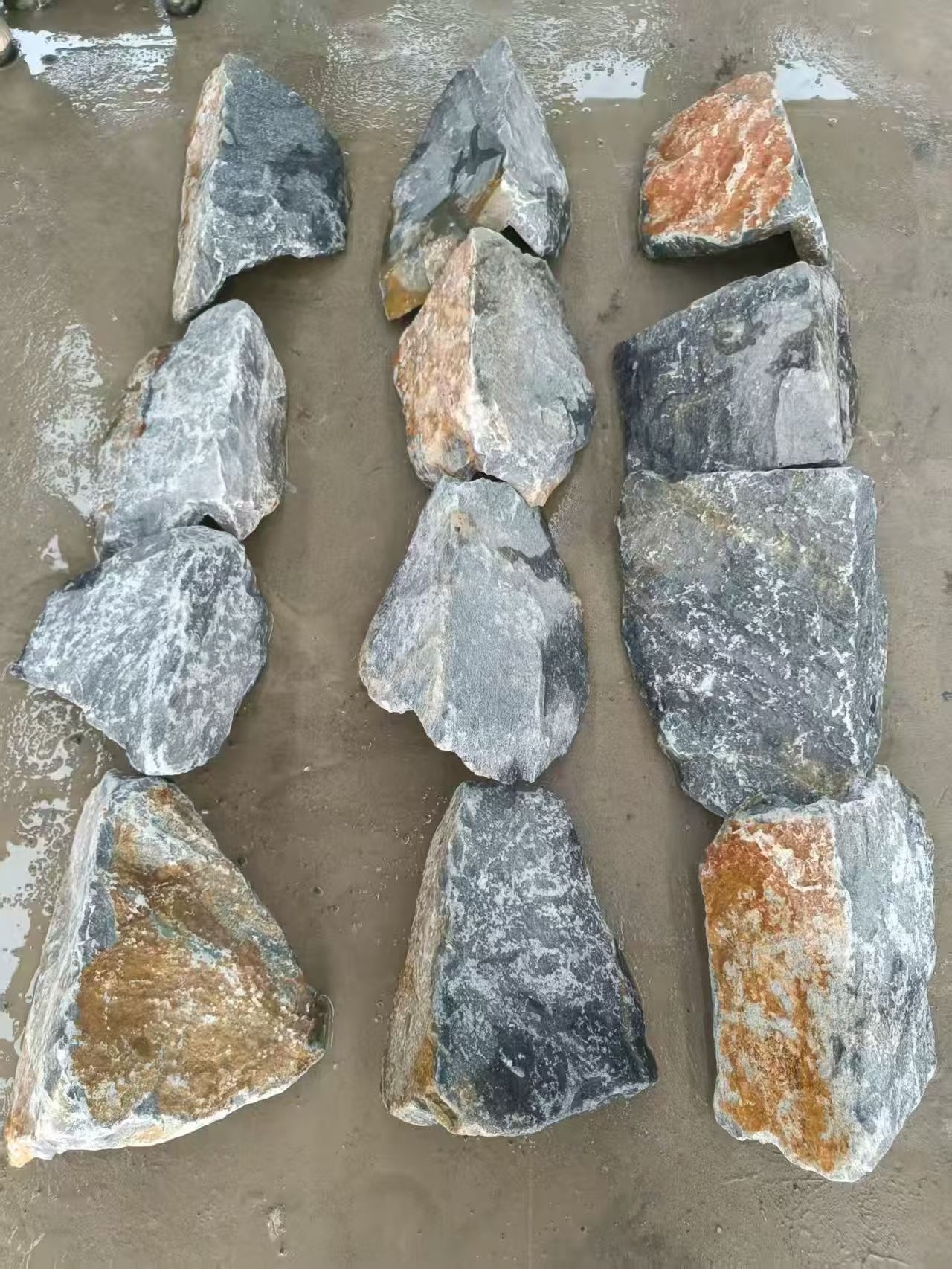
Cost Engineering & Logistics for Large Orders
Panelized stone systems deliver predictable batch color, faster installation, and lower total installed cost on large facades.
For a typical 5,000 sq.ft facade, the cost stack breaks into material, freight, and installation. The figures below assume the panelized system per Product Bible specs.
- Material (FOB China): approximately $12 per sq.ft.
- Shipping: approximately $3 per sq.ft.
- Installation: approximately $6–$10 per sq.ft.
- 5,000 sq.ft benchmark: Material ~$60,000; Shipping ~$15,000; Installation ~$30,000–$50,000; Total ~$105,000–$125,000.
Panelized vs Loose Stone Cost Comparison
Panelized natural stone systems cost $18–$25/sq.ft installed for large-scale facades, nearly 30% less than individually set stone with equivalent aesthetics, due to reduced labor and faster install.
MOQ
MOQ: 20 sq.m per order.
Container Capacity & Lead Time
Container capacity: A 20-ton container fits approximately 2,000 sq.ft of optimized panel coverage.
Lead time: 3–4 weeks after sample approval.
Pre-grouting on Panels
Factory pre-grouting eliminates on-site mortar mixing and reduces clean-up, saving about 15% on labor compared with field grout.
Reference to Product Bible for Exact Panel Specs
For exact panel specs, QA data, and batch-control details, refer to the Product Bible.
Quality note: integrated quarry-to-panel production enables traceability and color stability with ΔE ≤ 2.0 across full batches (per project). See Product Bible for details.
| Aspect | Specification | Benefit |
|---|---|---|
| Panelized cost advantage | Installed cost for large-scale facades: $18–$25/sq.ft; ~30% less than individually set stone with equivalent aesthetics | Reduces total installed cost and accelerates schedule due to lower labor requirements. |
| Logistics packaging & coverage | Panel coverage: 6″×24″ panels cover 1 sq.ft; 1 pallet = 100 sq.ft; 20-ton container fits ~2,000 sq.ft optimized | Streamlines bulk-order logistics and palletization planning. |
| Batch consistency & color control | Color uniformity ΔE ≤ 2.0 across full batch; spectrophotometer verification per project; same-quarry production | Minimizes color drift on large facades, reducing risk of rework and design mismatch. |
| Production traceability | Integrated quarry-to-panel process; 100% traceability of coloration within a single geological seam | Enhances QA and reduces architect liability concerns. |
| Factory pre-grouting & installation efficiency | Factory pre-grouting guarantees uniform joint appearance; speeds installation | Reduces on-site variability, saves time, improves finish consistency. |
| Code compliance & performance | Fire rating ASTM E84 Class A; water absorption ≤0.5% (ASTM C67); wind-load readiness per project | Meets commercial exterior requirements, reducing risk of non-compliance delays. |
Conclusion
Selecting exterior stone veneer panels for large facades hinges on color consistency, fire safety, and installation efficiency. Integrated quarry-to-panel production delivers ΔE ≤ 2.0 color uniformity across the batch, reducing the risk of patchy appearances that derail design intent. Panelized systems, with factory pre-grouting and standardized joints, shorten installation time and cut field variability while meeting Class A fire performance.
Review your project’s batch-control needs and fire-safety requirements. Request a project-specific sample set and color-consistency charts to validate performance before committing.
Frequently Asked Questions
What is the best natural stone for a house exterior?
Quartzite stacked stone panels are among the best options for exteriors due to density, fire resistance, and color stability. Top Source Stone’s integrated quarry-to-panel production ensures color uniformity within ΔE ≤ 2.0 across batches and ASTM E84 Class A fire performance. Panelized systems also speed installation and reduce on-site variation for large facades. Request a project-specific color and performance report.
What is the best stone for the exterior of a house?
Quartzite remains the top choice for exterior houses because of its hardness and low water absorption. Top Source Stone provides 6×24 panels with color uniformity across batches (ΔE ≤ 2.0) and Class A fire rating. Prefabricated panels speed install and help maintain design intent on large walls. Ask for a per-project engineering letter and test reports.
How do you choose exterior stone cladding?
Prioritize batch color uniformity, fire performance, and freeze-thaw durability. Prefer panelized systems for large facades to reduce on-site variability, and ensure the supplier provides per-project engineering letters and traceability. Verify third-party test reports (e.g., ASTM E84, ASTM C67) before procurement. Confirm required ASTM reports and project traceability before purchase.
What are popular exterior stone design ideas for commercial projects?
Use long, continuous runs of 6×24 stacked stone panels for a clean, monolithic look on large facades. Choose color-stable, fire-rated stone with factory pre-grouting to guarantee uniform joints and minimize on-site work. For risk mitigation, require per-project engineering letters and wind-load testing; panelized systems reduce schedule risk. Request wind-load data and PE-certified documentation.
What is the difference between stacked stone panels and loose stone veneer?
Stacked stone panels are pre-assembled modules (typically 6×24) that install faster and deliver consistent joints. Loose stone veneer is applied individually, which increases labor time and the risk of color variation; panels also offer better batch control. For large walls, panels usually reduce cost and schedule risk. Get a panelized vs loose veneer cost and schedule comparison.
