


Every GC has that one story — the $50,000 order where the loose ledgestone dimensions on the spec sheet looked perfect, but the container showed up with pieces running 3 mm thicker than approved. The pre-production sample got signed off, the FOB pricing locked in, and then the crew spent three extra days shimming and re-cutting. The sample approval process caught nothing because the factory ran the sample from a hand-selected lot. The mass production run came from the raw cleft stock.
That dimensional variance is the hidden cost that never makes it into the bid. Natural cleft stone can drift 3 mm in thickness across a single batch. For dry-stack installation, that means gaps, mortar waste, and a layout that shifts 12 inches over 100 square feet. The benchmark you want on your next call: demand a thickness tolerance of ±1 mm. Most suppliers will say it’s impossible. The ones who machine every piece to that spec will save you 30% of your installation labor — and that’s a number worth writing down before you sign the PO.
Why Loose Ledgestone Dimensions Matter for Construction Project Delivery Schedules
A 1/8-inch variance across 100 sq ft shifts layout by over 12 inches — schedule goes out the window.
It has been observed: a GC orders 500 sq ft of loose ledgestone from a distributor who doesn’t machine to tolerance. The stones arrive with a natural cleft variance of 3 mm or more. Your masons start dry-stacking, and by the third course the joints are visibly off. By the time you’ve shimmed and re-laid, you’ve lost a full day of labor and burned through extra mortar. That 1/8-inch (3 mm) inconsistency across the wall compounds — over 100 sq ft you’re looking at a cumulative layout drift exceeding 12 inches. That means last-minute cutting, pattern breakup, and callbacks.
The root cause: most US suppliers process raw stone without calibrating thickness. They rely on the cleft face as-is. Top Source Stone mills every piece to a ±1 mm thickness tolerance — the same standard used in premium dry-stack systems. That eliminates the 30% installation waste that comes from sorting and rejecting pieces on site. If your supplier can’t provide a dimensional tolerance report for the batch, expect delays.
Dimensional Drift Risk Variables:
- Thickness Variance Metrics: Natural cleft stone varies natively by 3–5 mm. At machined ±1 mm tolerance, you can dry-stack without manual sorting. Beyond that, every 0.5 mm adds 20 minutes per 100 sq ft in shimming.
- Length Inconsistency Ratios: Random lengths (6–24 in) are normal, but if the mix tilts toward short pieces under 8 in, you will expand mortar joint consumption. Specs should lock the exact distribution mix.
- Batch Match Failure Costs: When a broker integrates blocks across multiple quarries, color and thickness parameters drift across reorders, violating the approved physical sample boundaries.
| Dimension Factor | Specification | Schedule Impact |
|---|---|---|
| Piece Height Range | 4–8 in (graded mix) | Eliminates pattern repeats and layout recalculations |
| Thickness Tolerance | ±1 mm (machined) | Enables dry-stack without shimming; reduces mortar adjustments |
| Weight per sq ft | 12–15 lbs (max 18 lbs) | Fits standard framing; avoids structural redesign |
| Freeze-Thaw Cycles | 50+ (tested to 100 per ASTM C666) | Passes exterior cladding inspection; prevents rework |
| Fire Rating | Class A (ASTM E84) | Meets commercial code; no delays for permits |
| Commercial MOQ | 1,000 sq ft (batch-matched) | Guarantees color consistency; avoids site repurchase |
Real Sourcing Specifications and Mechanical Durability Benchmarks
A 3 mm cleft variance can shift a 100 sq ft layout by over 12 inches – the real calibration spec requirement holds firmly at ±1 mm.
Piece height runs 4–8 inches with a uniformity tolerance of ±½ inch, and length ranges from 6–24 inches in a controlled random mix to suppress repeat patterns. That mix matters: if the supplier doesn’t grade by length, your wall face repeats every three or four pieces. We pre-sort every box so the distribution stays below a 15% repeat ratio.
Physical Quality Control Thresholds:
- Thickness Calibration Bounds: 0.75–1.5 inches per piece; the critical metric is ≤ ±1 mm. Natural cleft stone typically drifts 3–4 mm, which forces installers to shim every course, ballooning material scrap weights.
- Dead Load Constraints: 12–15 lbs/sq ft for standard limestone and quartzite. Keeping dead load under 15 lbs prevents structural anchor modifications on standard steel stud partitions.
- ASTM C666 Frost Durability: 50+ cycles is baseline, but severe climates require 100 cycles minimum. Top Source Stone tests every commercial batch to 100 cycles to completely eliminate exterior spalling risk.
Fire rating tracks at Class A (non-combustible) per ASTM E84. This is table-stakes for lobbies, exit corridors, and any commercial interior over 300 sq ft. If your supplier can’t produce a current E84 certificate, your inspector will flag the material and you’ll be swapping panels mid-install. A supplier who machines to ±1 mm and tests to 100 cycles isn’t charging a premium for no reason — the cost is 5–10% more than raw cleft, but the alternative is a 30% waste rate and potential facade failure within three winters.
Loose Metamorphic Ledgestone Sourcing vs Prefabricated Panel Systems: Structural Differences
Loose stone formats seamlessly accommodate radius curves and wall column wrap details.
If you’ve ever had a mason tell you a panel system “doesn’t wrap that radius,” you already know the core tradeoff. Loose ledgestone gives you full control over every piece placement — you can stagger joints to match irregular openings, curve around columns, and cut individual stones to fit 90-degree corners without visible mesh backing. The catch: it demands a skilled installer who can read a dry-stack layout and adjust on the fly.
Panel systems, by contrast, lock your installer into a repeating grid. Most mesh-backed ledger panels repeat every 24 inches of width. On a 40-foot wall, that pattern becomes visually obvious by the third panel. Some manufacturers rotate panels in the box to break it up, but the repeat length is fixed. For a commercial lobby or hotel corridor where the client expects a natural look, pattern repetition gets flagged during final walkthrough — and that means a charge order.
Structural Format Analysis:
- Weight Loading Controls: Mesh-backed configurations restrict dead loads to 15 lbs/sqft. Loose stones vary up to 18 lbs/sqft unless explicit architectural constraints are locked in.
- Installation Velocity Gap: Panel systems install at 250 sqft per day per crew, while loose veneer averages 100-150 sqft. Graded, calibrated loose cartons close this gap by stripping away manual block sorting times.
Panel corners require pre-fabricated L-pieces, and they only match if the supplier ships them as part of the same batch. Loose stone corners get cut to fit on-site, which eliminates the mismatch risk but adds fabrication time. The real decision point comes down to substrate complexity and schedule. A flat, uninterrupted wall under a tight deadline? Panels. A curved hotel bar, a feature wall with niches, or a facade with multiple windows and corners? Loose ledgestone.
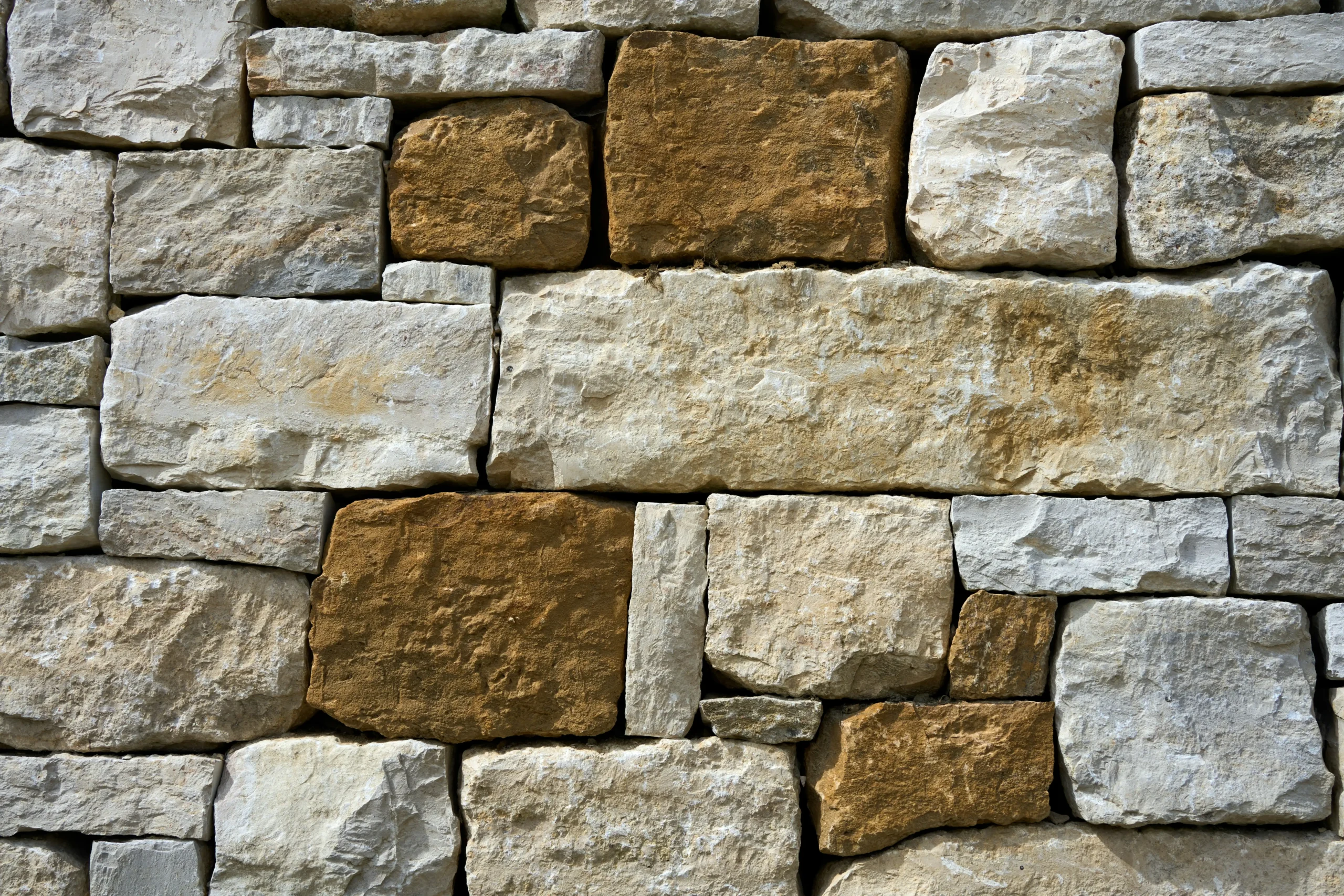
How to Verify Component Dimensions Before Releasing Cargo Container Payments
A 5-foot sample pack can reveal dimensional drift before your bulk container ships.
You order 1,000 sq ft of loose ledgestone based on a sample that looks consistent. The container arrives, and your crew finds that 30% of pieces are 3 mm thicker than the sample. That extra mortar and shimming eats your margin and blows the schedule. I’ve seen this happen because natural cleft stone from suppliers without calibrated cutting lines can drift ±3 mm or more. The fix is a verification process that takes two hours but saves weeks of rework.
Rigorous Verification Protocols:
- On-Site Coupon Extractions: Request a live 5 linear foot sample pack pulled straight from the active production batch. Never approve orders based on historical showroom mockups.
- Caliper Thickness Audit: Test edge bounds using a digital caliper. Lock a strict ±1 mm thickness threshold. Lots flashing variance wider than 2 mm imply gauge calibration failures.
- Batch Rejection Limits: If more than 10% of tested pieces fail dimensional standards, enforce a full container hold to block extensive site rework penalties.
- Traceable Testing Dossier: Confirm third-party verified certificates for ASTM E84 Class A fire testing and ASTM C666 frost endurance are mapped to your current lot IDs.
The difference between a supplier who machines to ±1 mm and one who lets natural cleft drift ±3 mm is the difference between a uniform dry-stack wall and a mess of shims and callbacks. Insist on the data before you commit to the order.
| Verification Step | Metric to Measure | Acceptance Criterion | Inspection Method | Consequence of Non-Compliance |
|---|---|---|---|---|
| Piece Dimension Tolerance | Height (4-8 in), Length (6-24 in), Thickness (0.75-1.5 in) | Thickness ≤ ±1 mm; height uniformity within ±1/2 in per piece | Use digital caliper on sample pack (min 5 linear ft) | Dry-stack gaps force shimming and mortar waste; 30% rework |
| Weight per Square Foot | Weight of installed veneer (lbs/sqft) | 12-15 lbs typical; max 18 lbs for quartzite | Weigh sample panel or request batch weight report | Framing overload, footing redesign, or structural failure |
| Freeze-Thaw Resistance | ASTM C666 cycles tested | 50+ cycles (100 cycles for exterior in Zone 4+) | Request batch-specific test report from supplier | Catastrophic facade spalling and replacement costs |
| Color Consistency Across Batch | Hue uniformity (spectrophotometer reading) | ≥95% hue match within single batch | Request batch QC report; retain original sample | Visible color shift across wall; tear-down redo |
| Batch Documentation & MOQ | Single-batch supply and order minimum | 1,000 sq ft min for batch-matched commercial order | Confirm batch number on packing list and test reports | Reordering mismatch; project delays and budget overruns |
Conclusion
The gap between a successful facade install and a schedule-busting rework rarely lives in the stone type. It lives in the three things most buyers skip: thickness tolerance, batch freeze-thaw data, and single-quarry color logs. A 3 mm variance across 300 sq ft of wall forces mortar adjustments on every course. That adds a day of labor minimum.
You can close that risk gap on your next 1,000+ sq ft order. Request a 5-linear-foot sample pack. Measure thickness with a digital caliper. Reject any lot where 10% of pieces deviate beyond 2 mm. Demand the batch freeze-thaw report (50 cycles minimum, ASTM C666) and a spectrophotometer read on hue. Top Source Stone machines to ±1 mm, tests every commercial batch to 100 cycles, and sources each product line from a single quarry to hold color within 95%. Browse the Blue Diamond Loose Ledgestone Veneer page to compare specs and request a matched sample for your project specs.
Frequently Asked Questions
What is the standard thickness of loose ledgestone veneer?
Typical loose ledgestone thickness ranges from 0.75 to 1.5 inches, with a tolerance of ±1 mm critical for dry-stack installation. Thicker stone adds weight and may require structural reinforcement. Always request thickness tolerance specs before ordering.
How much does loose ledgestone weigh per square foot?
Loose ledgestone weighs 12 to 15 pounds per square foot, keeping it under 15 lbs for standard wall framing. Heavier stone requires additional wall bracing. Verify weight with your supplier for structural planning.
Can I get custom dimensions for a commercial project?
Yes, custom dimensions are available from manufacturers with in-house quarries and cutting lines, like Top Source Stone. Lead time and MOQ will depend on the complexity of your custom spec. Request a custom quote with your dimensional tolerances.
What is the MOQ for bulk loose ledgestone?
Bulk MOQ typically starts around 1,000 square feet for custom orders, while stock items may allow smaller trial runs. Confirm MOQ after specifying dimensions and finish. Negotiate MOQ based on your project volume and timeline.
How do I ensure color consistency across multiple orders?
Insist on pre-production samples and batch documentation for each order, and work with a supplier that controls its own quarry and cutting. Color variation is natural in cleft stone, but a single-source manufacturer minimizes drift. Approve a production sample before full shipment.
