
Choosing ledger panels for facades means balancing the look you want against the realities of supply and compliance. For a novice architect, the first hurdle isn’t design—it’s figuring out which supplier can deliver a uniform color across a 1,500-square-foot commercial wall without triggering a change order. That’s where most projects get stuck.
The material cost of natural stone ledger panels for exterior walls typically runs $8 to $18 per square foot. But the real price tag shows up later if you don’t lock down batch traceability. A factory that quarries and processes from the same vein can guarantee 95% hue uniformity. That’s a number worth writing into your spec.
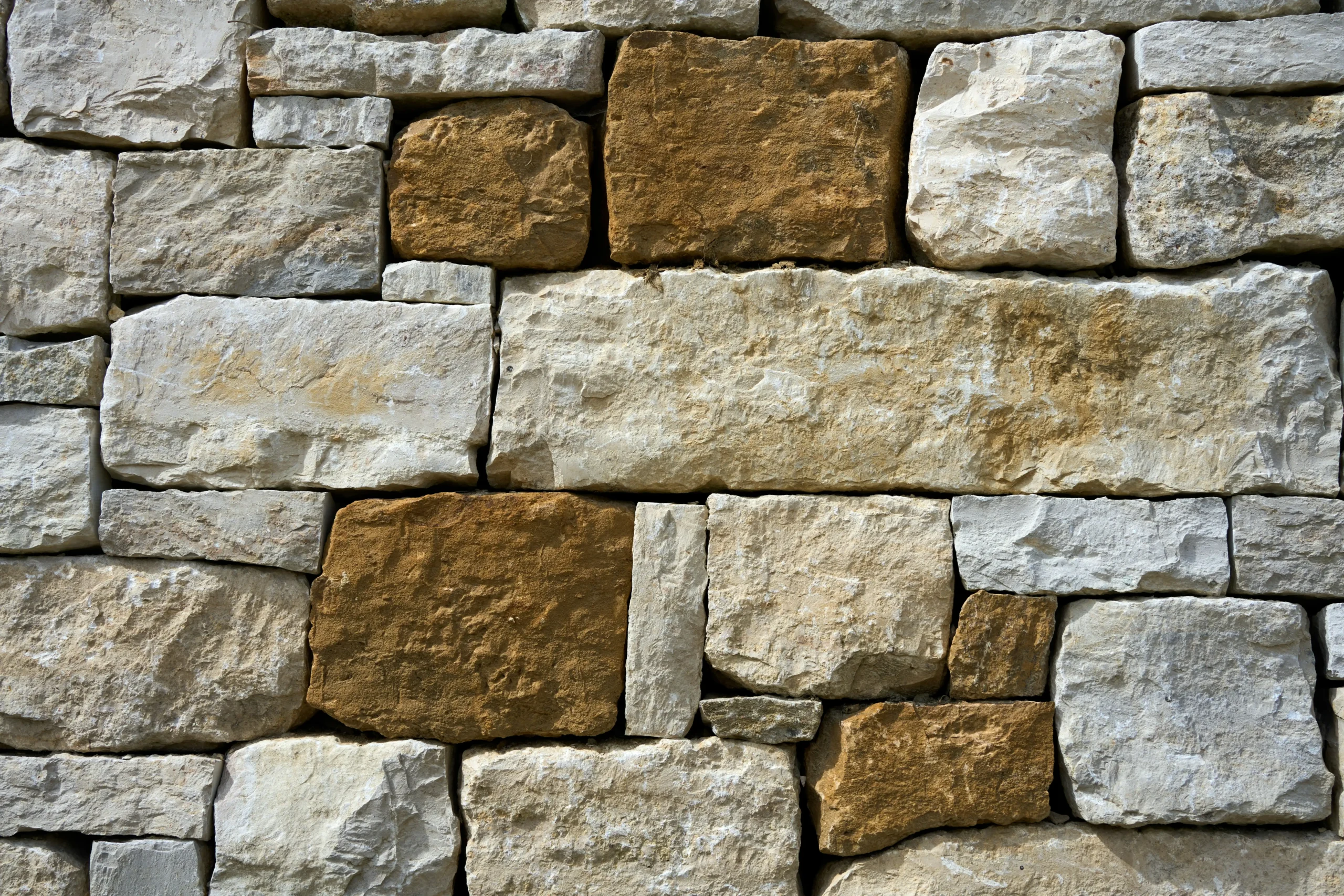
Why Most Facade Ledger Panels Fail: ASTM E84 Fire Compliance and Color Drift Risks
Batch drift and fire compliance failures are the top reasons facade projects get rejected during submittal review.
The most common failure mode observed on commercial facade specs is batch-to-batch color drift. A distributor orders 2,000 sqft for a hotel lobby, receives three separate containers over six weeks, and each batch looks like a different stone. The root cause is almost always uncontrolled quarry sourcing — the factory buys raw stone blocks from multiple small quarries depending on who has stock. Each quarry produces a slightly different hue, and unless the factory processes from the same vein across the entire order, visible variation occurs. The fix is a same-quarry, same-batch certificate and a pre-production sample panel from the actual lot that will ship. Top Source Stone quarries and processes from the same vein, which is why they can guarantee 95% hue uniformity on orders over 1,000 sqft.
Second hidden risk: non-fire-rated panels failing commercial inspection. Many natural stone ledger panels use a resin or mesh backing that burns. In a commercial lobby or egress corridor, the fire marshal will require Class A rating per ASTM E84. If your supplier cannot provide a test report for the specific backing material, the panel gets rejected on site. The cost of ripping out and replacing 1,500 sqft of installed cladding runs $15,000–$25,000 in labor alone — plus the project delay. Only panels with cement-based or fire-rated mesh backing pass. Top Source Stone offers an optional Class A fire-rated backing and provides the ASTM E84 documentation with every commercial order.
Critical Risk Factors in Facade Specification:
- Uncontrolled Quarry Sourcing: Factories without vertical integration buy from multiple open market sources. Each source shifts the stone’s base color, making batch matching impossible across large facade orders.
- Inconsistent Resin Backing: Non-fire-rated resin backings melt and drip under flame. Commercial codes require Class A (ASTM E84) for egress areas, making cement or fire-rated mesh backing the only safe choice.
- Lack of Batch Documentation: Without a same-batch certificate and a pre-production sample from the live production run, the architect has no way to verify color or fire compliance before the container lands.
Real Cost Breakdown of Natural Stone Ledger Panels: Labor, Material, and CIF Shipping Costs
Direct factory pricing on 1,500+ sqft wholesale orders cuts per-unit procurement cost by 30%.
For a 2026 commercial facade project, expect material costs between $8 and $18 per square foot for natural slate or quartzite ledger panels. Installation labor adds $3 to $6 per square foot, and shipping runs $1 to $2 per square foot based on a panel weight of 8 to 12 pounds per square foot. If the project requires a Class A fire rating per ASTM E84, budget an additional 10 to 15 percent premium on the panel cost.
The biggest lever for cost control is order volume. A bulk order of 1,500 square feet or more from a direct factory like Top Source Stone reduces the per-unit material cost by roughly 30 percent compared to buying from a US distributor. That saving comes from eliminating the middleman markup and consolidating production into a single batch run, which also locks in color consistency.
Wholesale Project Pricing Matrix:
- Material (Slate/Quartzite): Core pricing holds steady at $8–$18/sqft based on vein selection.
- Installation Labor: Pre-assembled panel configurations run an efficient $3–$6/sqft.
- Landed Shipping Freight: Bulk heavy containers track around $1–$2/sqft (8–12 lbs/sqft).
- Bulk Factory Incentives: High-volume commercial tiers (1,500+ sqft) secure a full 30% discount off standard distribution lines.
| Cost Component | Specification | 2026 Price Range | Key Insight |
|---|---|---|---|
| Material (Natural Stone) | Slate / Quartzite / Sandstone | $8–$18 / sqft | Direct factory pricing eliminates distributor markup |
| Installation Labor | Pre-assembled panels, dry-stack | $3–$6 / sqft | 50% faster install vs. loose veneer reduces labor cost |
| Shipping (CIF to USA) | Per container, ~8–12 lbs/sqft | $1–$2 / sqft | Bulk orders (1,000+ sqft) cut per-unit cost by 20–35% |
| Fire Rating Premium | Class A (ASTM E84) backing | +10–15% over base | Mandatory for commercial egress; natural stone inherently safe |
| Color Consistency Guarantee | Same-quarry, same-batch certificate | Included (free sample batch) | Prevents costly rework from batch-to-batch color drift |
| Packaging & Protection | ISTA 3A certified crating | Included in factory price | Low breakage rate ensures project timeline reliability |
Natural Thin Veneer Ledger Panels vs Faux Stone Cladding: Performance Comparison
Natural stone beats faux in UV stability and freeze-thaw resistance every time.
For exterior facades, the choice between ledger panels, faux stone, and loose veneer comes down to three factors: durability under weather, installation speed, and color consistency across the wall. Faux stone panels rely on surface coatings that fade or peel within 5–10 years in direct UV exposure. Natural stone holds its color indefinitely without any coating. That alone makes it the safer spec for any facade with southern or western sun exposure.
Installation speed is where ledger panels win decisively. Pre-assembled panels with mesh or cement backing cut labor time by roughly 50% compared to placing individual loose stone veneer pieces. For a 1,000 sqft facade, that difference translates to 3–5 fewer days on site. Loose veneer still has a place on curved walls, columns, or irregular surfaces where panel rigidity becomes a limitation.
Technical Performance Standards Comparison:
- Color Consistency Metrics: Natural ledger panels sourced from a single quarry vein deliver >95% hue uniformity across production batches. Faux stone panels vary by paint lot, and loose veneer requires manual sorting to avoid visible drift.
- Installation Speed Tracking: Ledger panels install at roughly 40–60 sqft per hour per crew. Loose veneer averages 20–30 sqft per hour. Faux panels match ledger speed but carry the UV fade risk.
- Fire Rating Standards: Natural stone is inherently non-combustible. Selected ledger panels can meet ASTM E84 Class A without added treatments. Faux stone panels with plastic content may only achieve Class B or C.
- Weight Load Factors: Natural ledger panels weigh 8–12 lbs per sqft. Faux stone panels are lighter at 3–6 lbs, which reduces structural load but also feels less substantial. Loose veneer ranges 10–15 lbs.
- Long-term Durability: Natural stone passes ASTM C1026 freeze-thaw testing and shows no degradation after decades of exposure. Faux stone coatings begin showing wear at year 5–7.
The dry-stack design of ledger panels eliminates grout lines entirely. That detail is often overlooked, but it removes two failure points: labor cost for grouting and water intrusion paths through cracked grout. For commercial facades where moisture management is critical, that alone shifts the value equation toward panels.
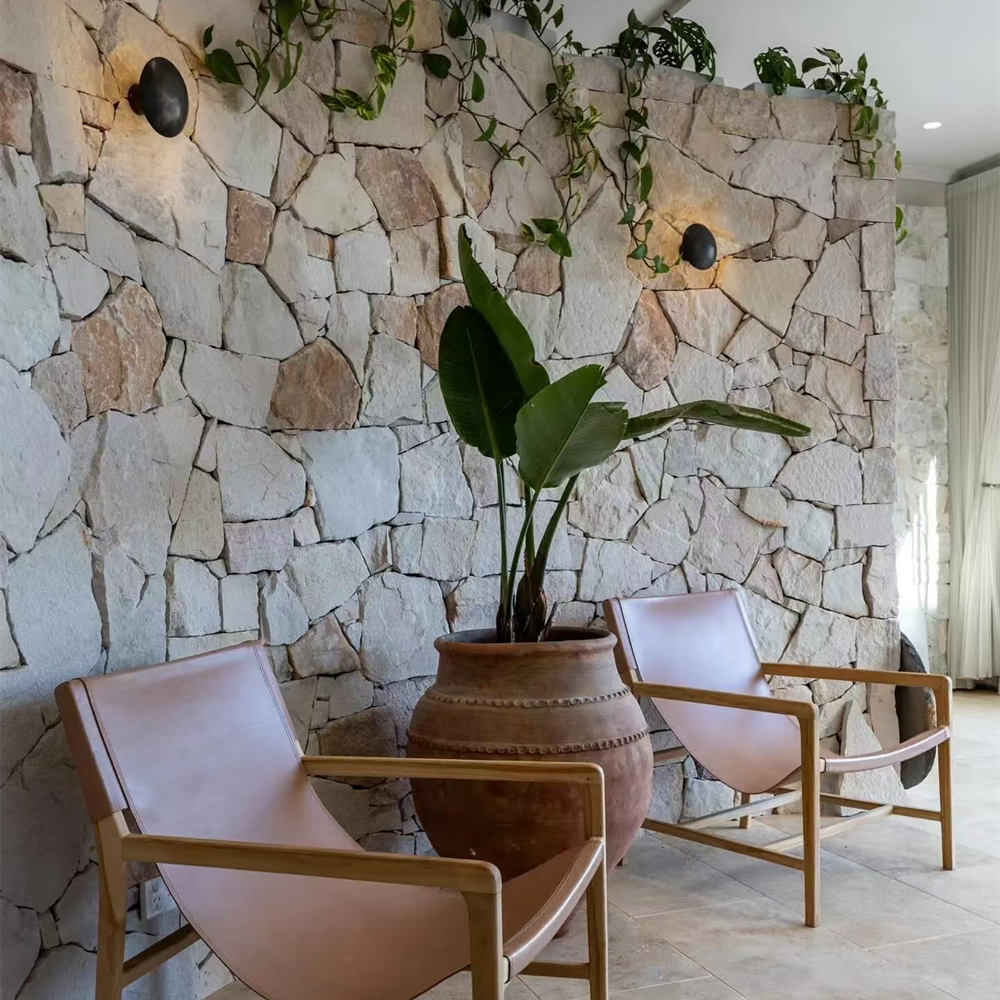
How to Verify Factory QC and Same-Batch Sourcing Certificates Online
Color drift is the #1 cause of building envelope inspector rejections.
Most facade failures aren’t structural — they’re visual. A project looks perfect in the showroom, but when the second container arrives three months later, the hue is off by two shades. The fix isn’t complicated: require a same-quarry same-batch certificate in your purchase order. This document ties every panel to a single quarry extraction and production run, locking in >95% hue uniformity across the entire order. Only factories that own their quarries can issue this certificate without subcontracting. If a supplier hesitates or offers a generic quality letter, that’s the first red flag.
Second, request a 5-sqft sample panel cut from the actual production lot — not a hand-selected showroom mockup. A mockup uses the best stones from the pile. A production sample reveals the real range of color and texture your facade will show. Compare the sample against the certificate. If the sample doesn’t match the documented batch, reject the lot before it ships.
Mandatory Material Certification Protocols:
- ASTM C90 Compliance: Required for exterior load-bearing walls. Verifies the panel’s structural integrity under standard building loads. Ask for the test report, not just a claim.
- Freeze-Thaw Report (ASTM C1026): Mandatory for facades in climate zones 4 and above. Panels that fail this test spall within two winters. Request the report showing weight loss <1% after 300 cycles.
- Freeze-Thaw Report (ASTM C1026): Provides full technical depth on frost zones.
- Batch Traceability: A factory with direct quarry access can assign a unique batch ID to your order. This ID links the sample, the certificate, and the shipped containers.
- Production Slot Lock Protocol: Once you approve the sample, ask the factory to lock a production slot. This prevents them from sourcing stone from a different vein to meet your deadline — a common shortcut that causes color mismatch.

Conclusion
Specifying ledger panels for a facade comes down to three non-negotiables: color consistency, fire compliance, and freeze-thaw resistance. A factory that controls the quarry and production line can deliver a same-batch certificate and ASTM documentation — the only way to guarantee hue uniformity across a 2000-sqft order. Faux stone or unbranded imports introduce risks that don’t show up until the panel is on the wall.
Review the product specs for slate, quartzite, and sandstone ledger panels with optional Class A fire rating and batch consistency guarantees. The commercial cladding solutions page includes technical data, project photos, and bulk-order options that match the criteria outlined here.
Frequently Asked Questions
Do you need to grout a ledger stone?
No, ledger stone panels are designed for a dry-stack look and typically do not require grouting between the stones. Grout is only used if you want a more finished, mortar-joint appearance, which is completely optional based on project aesthetic guidelines. Check the panel spec sheet before deciding on grout.
What are the disadvantages of stone veneer?
The main disadvantages are higher material cost compared to faux stone and the need for a structural substrate due to its weight. Natural stone veneer also requires careful sealing to prevent moisture damage in freeze-thaw climates to eliminate structural bond delamination paths. Always verify freeze-thaw ratings for exterior use.
Is stacked stone out of style?
No, stacked stone remains a popular choice for accent walls, fireplaces, and facade features in both modern and rustic designs. It is not out of style, though trends shift toward larger-format panels and neutral color palettes. Choose neutral tones for longer-lasting appeal.
What is the difference between stacked stone and ledgestone?
Stacked stone refers to the installation pattern of stones placed tightly together in horizontal rows, while ledgestone describes the actual stone shape with a flat, elongated profile. In practice, the terms are often used interchangeably within commercial masonry bids. Confirm the exact panel profile with your supplier.
Can you attach a ledger board directly to siding?
No, you should not attach a ledger board directly to siding because it needs a solid, flat substrate to support the weight and prevent moisture trapping. Remove the siding first and fasten the ledger. Always follow local building codes for attachment methods.
