

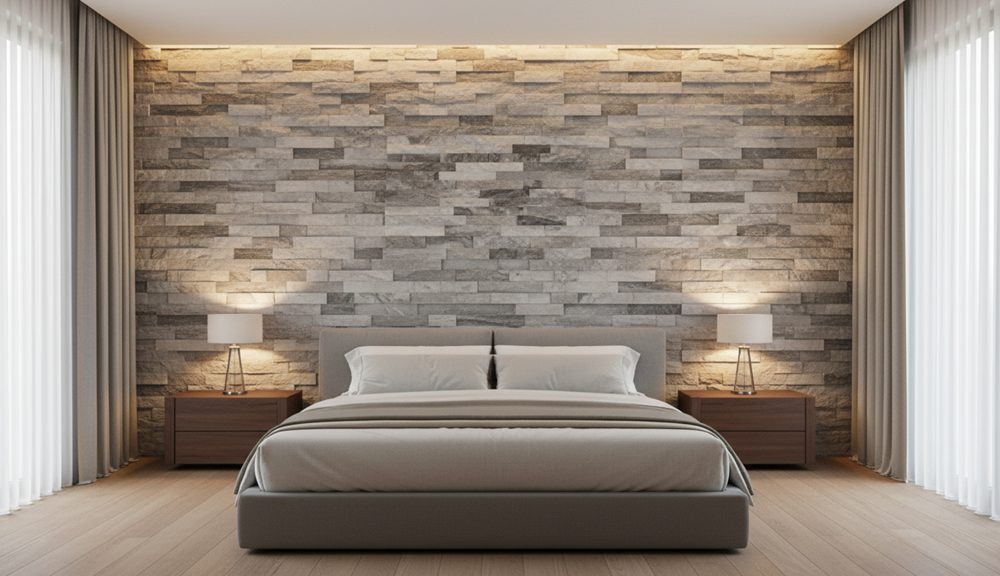
Designing for New York City interiors means navigating the narrow margins between high-end aesthetics and rigid structural constraints. In Manhattan and Brooklyn renovations, the primary hurdle isn’t just style—it’s managing a dead load of 10 to 15 lbs per square foot on aging substrates while meeting NFPA 101 Life Safety Code requirements. B2B buyers must find manufacturers that understand the logistical reality of the “last 50 feet,” where materials must fit through small service elevators and tight apartment entries to avoid costly site delays.
This guide identifies the top stacked stone manufacturers in the New York region, focusing on products that solve urban design challenges. We analyze the technical advantages of thin veneer systems that save up to 2 to 3 inches of interior wall projection, evaluate moisture management for vertical kitchen stacks, and outline the maintenance protocols needed to protect natural stone from the inevitable buildup of NYC street soot and grease.
Top 10 Stacked Stone Manufacturers in New York
Quick Comparison: Top Picks
| Manufacturer | Location | Core Strength | Verdict |
|---|---|---|---|
| TopSource Stone | China (Global Shipping to New York/USA) | Natural Ledger Stone & Z-shape panels | Best for factory-direct value and high-volume B2B custom projects. |
| Island Stone | Carlsbad, CA, USA (Distributors in New York) | Split-face panels & specialized wet area solutions | A designer favorite for luxury feature walls and hospitality wet areas. |
| MSI Surfaces (New York / NYC Showroom) | New York / Edison, NJ HQ, USA | Massive inventory of stacked stone & quartz | Best for immediate local availability and wide selection for commercial developers. |
| Realstone Systems | Troy, MI, USA (Distributed in New York) | Modular natural stone & large-format panels | Excellent choice for rapid installation without losing the authentic stone look. |
| Norstone USA | USA National (Serving New York via Dealers) | Precision-cut basalt & XL luxury rock panels | The premier pick for high-end boutique aesthetics and bold architectural statements. |
| Cultured Stone | USA (Distributed widely in New York) | Lightweight manufactured stone veneer | Top choice for lightweight, consistent engineered alternatives to natural stone. |
| Eldorado Stone | San Marcos, CA, USA (Available in New York) | Artisan crafted architectural stone veneer | A balanced solution offering highly realistic textures with strong U.S. distribution. |
| Delgado Stone | CT, USA (New York Regional Supply) | Thincut real quarried building stone & stacked panels | Best for authentic Northeast regional slate, granite, and quartz dry-stack looks. |
| Natural Stone Veneer International (NSVI) | Fond du Lac, WI, USA (New York Distribution) | Thin-cut real quarried stone & ashlar profiles | Ideal for those wanting 100% genuine stone texture with reduced structural weight. |
| StoneCraft Industries | USA (Nationwide Dealer Network) | Cost-effective engineered stone profiles | The best budget-friendly option for residential DIY and small-scale renovation projects. |
TopSource Stone
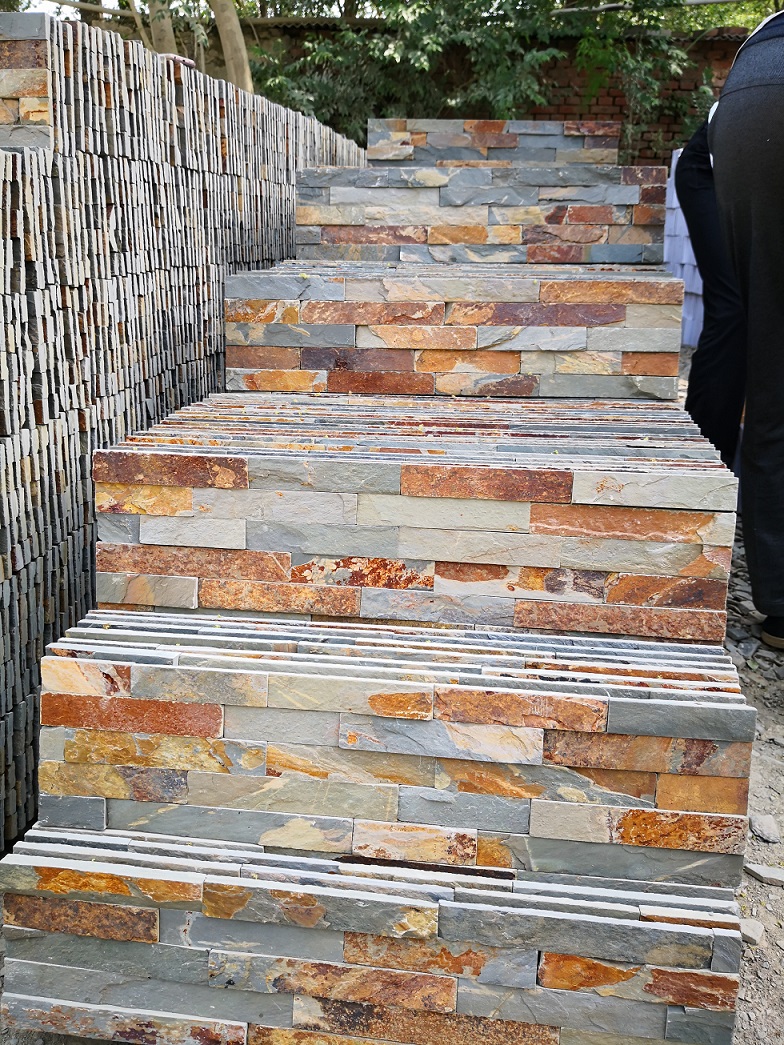
TopSource Stone operates as a direct-to-market manufacturer, focusing on high-end ledger stone solutions for the global construction industry. They own the supply chain from the initial extraction of raw materials to the final production phases, ensuring that every panel meets strict architectural standards. This factory-direct model allows them to maintain a vast inventory of natural textures—ranging from slate and marble to rugged quartzite—while providing the precision required for seamless z-shape interlocking systems. Architects and commercial developers often choose them because they bridge the gap between heavy-duty quarry output and the refined aesthetic needs of modern residential facades.
The company mitigates common procurement risks by utilizing advanced infrared cutting technology to ensure dimensional accuracy across all product series. By managing the fabrication process internally, they eliminate middleman markups and maintain consistent quality control that is often lost in third-party sourcing. For B2B wholesalers and contractors in New York and beyond, this structural oversight means reduced breakage during transit and a predictable installation experience on-site. Their ability to handle both standard Rough Series textures and sophisticated Marble Series designs makes them a versatile partner for large-scale urban developments and high-end interior renovations alike.
At a Glance:
- 📍 Location: China (Global Shipping to New York/USA)
- 🏭 Core Strength: Natural Ledger Stone, Flat Series, Rough Series, Pencil Series, Marble Series, and Z-shape interlocking panels
- 🌍 Key Markets: USA (New York/NE), Global Distributors, Contractors, and B2B Wholesalers
Why We Picked Them:
| ✅ The Wins | ⚠️ Trade-offs |
|---|---|
|
|
Island Stone
Island Stone has established itself as a premier provider of natural stone solutions, specializing in contemporary cladding and ledger panels that serve the luxury architectural market. Based in Carlsbad, California, the company maintains strict factory control over its manufacturing processes to ensure that every split-face panel and mosaic tile meets exacting standards. Designers and architects frequently specify their products because they bridge the gap between raw natural beauty and refined, modern aesthetics, making them a staple for high-end residential and hospitality feature walls.
Their operational model focuses on reducing risk for developers by providing highly specialized solutions specifically engineered for demanding environments like wet areas and fireplaces. By managing a robust distribution network extending to hubs like New York, they facilitate local execution for complex installations across the United States. This logistical reach, combined with their focus on high-end natural materials, allows them to maintain a dominant position in upscale retail and boutique interior sectors where quality and design innovation are non-negotiable.
At a Glance:
- 📍 Location: Carlsbad, CA, USA (Distributors in New York)
- 🏭 Core Strength: Natural stone ledger panels, split-face panels, pebble tiles, and mosaics
- 🌍 Key Markets: High-end residential, hospitality, and upscale retail interiors
Why We Picked Them:
| ✅ The Wins | ⚠️ Trade-offs |
|---|---|
|
|
MSI Surfaces (New York / NYC Showroom)
MSI Surfaces operates as a dominant force in the hardscaping and surfacing industry, serving as one of the largest importers in the United States. Their New York and New Jersey facilities act as critical hubs for homeowners, multifamily developers, and commercial designers who require immediate access to premium materials. By maintaining a massive physical presence in the tri-state area, they bridge the gap between global manufacturing and local project needs, ensuring that large-scale stone veneer projects can proceed without the logistical delays often associated with international shipping.
The company maintains strict factory control over their supply chain to deliver high-volume natural stone products like ledger panels, granite, and quartz with consistent quality. This infrastructure reduces risk for builders by providing predictable lead times and the ability to view slabs and stacked stone in person at their local showrooms. Their business model focuses on local execution, allowing professionals to inspect inventory and secure bulk quantities of stone veneer nearby, which simplifies the procurement process for complex commercial builds and residential renovations alike.
At a Glance:
- 📍 Location: New York / Edison, NJ HQ, USA
- 🏭 Core Strength: Natural stone stacked stone panels, ledger stone, granite, and quartz
- 🌍 Key Markets: Homeowners, multifamily developers, and commercial designers
Why We Picked Them:
| ✅ The Wins | ⚠️ Trade-offs |
|---|---|
|
|
Realstone Systems
Realstone Systems specializes in providing high-end modular natural stone solutions that bridge the gap between aesthetic beauty and logistical efficiency. By focusing on factory-controlled panelization, we ensure that every piece of veneer meets strict quality standards before it ever reaches the job site. This rigorous oversight reduces the risks traditionally associated with raw stone sourcing, offering a predictable and premium finish for complex architectural projects.
Our approach centers on local execution and simplified onsite labor. The modular nature of these thin stone cladding systems allows for a significantly faster installation process compared to traditional masonry techniques. By utilizing large-format panels and interlocking designs, we help project managers maintain tight schedules while delivering the authentic texture of hand-crafted ledgestone for commercial lobbies and residential renovations.
At a Glance:
- 📍 Location: Troy, MI, USA (Distributed in New York)
- 🏭 Core Strength: Modular natural stone veneer, thin stone cladding, large-format panels
- 🌍 Key Markets: Commercial lobbies, restaurants, and residential renovations
Why We Picked Them:
| ✅ The Wins | ⚠️ Trade-offs |
|---|---|
|
|
Norstone USA
Norstone USA focuses on high-end surfacing solutions, providing engineered natural stone systems that serve the luxury residential and prestige corporate sectors. The brand positions itself at the top of the market by offering interlocking panels that solve the technical challenges of traditional stone masonry. By utilizing precision-cut materials like basalt and quartz, they offer a refined aesthetic that bridges the gap between raw nature and architectural sophistication.
The company maintains tight control over its product lines, specializing in bold profiles like their XL rock panels and basalt ledgestone. Their distribution model centers on a network of authorized dealers, ensuring that clients in major hubs like New York receive localized support and technical expertise. This focus on niche, high-performance materials allows them to cater specifically to designers and homeowners who prioritize unique visual impact and long-term durability over standard cladding options.
At a Glance:
- 📍 Location: USA National (Serving New York via Dealers)
- 🏭 Core Strength: Basalt ledgestone, XL rock panels, luxury stacked stone veneer
- 🌍 Key Markets: Luxury residential and prestige corporate spaces
Why We Picked Them:
| ✅ The Wins | ⚠️ Trade-offs |
|---|---|
|
|
Cultured Stone
Cultured Stone stands as a primary choice for developers and homeowners looking for the aesthetic of natural masonry without the structural weight or cost. By focusing on manufactured stone veneer, the company provides engineered solutions specifically designed for single-family housing and light commercial projects. This factory-controlled manufacturing process ensures that every piece meets strict standards for texture and color, allowing for a predictable finish that natural stone rarely guarantees.
Choosing these panelized stone profiles reduces project risk through improved local execution and easier handling on-site. Because the materials are lightweight and engineered for consistency, installation becomes faster and more straightforward for masonry crews. This level of factory control minimizes the variables often found in raw stone harvesting, providing a reliable material supply for high-volume residential builds and distributed commercial renovations across the New York region and beyond.
At a Glance:
- 📍 Location: USA (Distributed widely in New York)
- 🏭 Core Strength: Manufactured stone veneer, panelized stone profiles
- 🌍 Key Markets: Single-family housing and light commercial projects
Why We Picked Them:
| ✅ The Wins | ⚠️ Trade-offs |
|---|---|
|
|
Eldorado Stone
Eldorado Stone specializes in manufacturing high-quality architectural stone veneers that mimic the look and feel of natural masonry. The brand focuses on factory control to ensure each piece maintains consistent artisan detailing, making it a preferred choice for architects and designers who require the aesthetic appeal of stone without the structural weight. By refining the crafting process, they provide a solution that emphasizes local execution through professional masonry channels, ensuring the final result looks authentic on various surfaces.
The company manages risk reduction for large-scale projects by offering products that are lightweight and easier to install than full-bed depth natural stone. Their collections, including popular styles like cliffstone and ledgestone, undergo rigorous quality checks to meet building codes for new construction and residential remodels. This focus on engineering allows builders to achieve sophisticated vertical finishes while maintaining strict timelines and reducing labor complexities associated with traditional stonework.
At a Glance:
- 📍 Location: San Marcos, CA, USA (Available in New York)
- 🏭 Core Strength: Architectural stone veneer, cliffstone, and ledgestone
- 🌍 Key Markets: New construction, hospitality, and residential remodels
Why We Picked Them:
| ✅ The Wins | ⚠️ Trade-offs |
|---|---|
|
|
Delgado Stone
Delgado Stone specializes in the creation of authentic, regional thin stone veneer systems, offering an ideal solution for luxury property designs that require genuine Northeast geological traits. Based in Connecticut and distributed extensively throughout New York, the factory maintains comprehensive control over the sorting, split-facing, and splitting lines. This proximity and strict quality oversight allow architects to obtain real granite, quartz, and slate units that exhibit unyielding color fastness and physical durability under harsh freeze-thaw cycles without the excessive weight of full-bed building blocks.
The production lines emphasize precise dimension management, transforming heavy boulders into manageable thin stone cuts or pre-sorted modular combinations. For urban developments and residential masonry accents, this localized execution format directly compresses freight lead times and limits on-site staging bottlenecks. Their portfolio allows design teams to balance high-end visual realism with the strict dead load guidelines required by modern building structural envelopes across New England and New York.
At a Glance:
- 📍 Location: Brookfield, CT, USA (New York Regional Supply)
- 🏭 Core Strength: Thin-cut real natural stone veneer, stacked stone flats, matching corners, ashlar strips
- 🌍 Key Markets: Northeast luxury residential, commercial facades, and high-end landscape architecture
Why We Picked Them:
| ✅ The Wins | ⚠️ Trade-offs |
|---|---|
|
|
Natural Stone Veneer International (NSVI)
Natural Stone Veneer International focuses on providing authentic quarried materials for high-end residential and commercial projects. By specializing in thin-cut profiles, the company brings the aesthetic of heavy, full-bed masonry to surfaces that cannot support massive weight loads. This focus on factory-controlled precision ensures that each stone piece maintains a consistent thickness, allowing for easier adherence to exterior facades and landscape structures.
The manufacturing process emphasizes risk reduction for builders by eliminating the need for complex footings or structural wall reinforcements typically required for thick stone. While the material is 100% natural, the manageable format allows for local execution on a wider variety of architectural designs. This approach balances the raw, organic look of Wisconsin-sourced stone with the technical requirements of modern construction, bridging the gap between traditional aesthetics and engineering efficiency.
At a Glance:
- 📍 Location: Fond du Lac, WI, USA (New York Distribution)
- 🏭 Core Strength: Thin natural stone veneer, ashlar profiles, and corners
- 🌍 Key Markets: Landscape structures and residential exterior facades
Why We Picked Them:
| ✅ The Wins | ⚠️ Trade-offs |
|---|---|
|
|
StoneCraft Industries
StoneCraft Industries serves a specific niche in the building materials market by specializing in manufactured stone veneer designed for high visual impact at a lower price point. The brand focuses on recreating the texture and color palettes of natural ledger stone through an engineered process that ensures consistency across large batches. This approach makes stone aesthetics accessible for mid-scale commercial developments and residential renovations where the cost of quarried stone might otherwise be prohibitive.
The operational model relies on a robust nationwide dealer network across the USA, which streamlines local procurement and reduces the logistical risks often associated with heavy masonry products. By maintaining factory control over the molding and coloring processes, StoneCraft avoids the unpredictability of natural stone variations. This manufacturing precision allows contractors and DIY users to plan layouts with greater accuracy, ensuring that installation remains straightforward and predictable for small-to-medium-scale projects.
At a Glance:
- 📍 Location: USA (Nationwide Dealer Network)
- 🏭 Core Strength: Engineered stone veneer and stone accessories
- 🌍 Key Markets: Mid-scale commercial and residential DIY/renovation
Why We Picked Them:
| ✅ The Wins | ⚠️ Trade-offs |
|---|---|
|
|
Selecting Stacked Stone for Urban NYC Interiors: Aesthetic vs. Practicality
In dense NYC environments, selecting stacked stone requires balancing the desire for tactile luxury with the physical realities of compact square footage, strict building codes, and urban maintenance needs. Success depends on scaling stone profiles to existing ceiling heights and ensuring structural substrates can support loads of 10–15 lbs per square foot.
Visual Scale and Light Modulation in Compact Apartments
New York City residential design often contends with standard 8–9 foot ceilings and limited natural light sources. In these settings, selecting lighter and tighter stone profiles provides the necessary depth to a room without inducing a sense of claustrophobia. While heavy, dark ledgestone might serve as a dramatic accent in a large loft, applying it across an entire wall in a smaller apartment often shrinks the perceived volume and absorbs scarce daylight.
Light interaction is equally critical. Because many urban units rely on a single window source, side-lighting often hits the stone at an angle that exaggerates shadows and joint irregularities. Designers can utilize this effect to create a theatrical focal point on media walls or decorative niches. However, care must be taken to avoid these high-contrast shadows in areas where a smoother visual transition is required, such as entryways or galley kitchens.
Durability and Maintenance in High-Traffic Urban Zones
The urban environment introduces specific maintenance challenges, notably the accumulation of street dust, soot, and cooking grease on horizontal ledges. Unlike flat surfaces, the 3D profile of stacked stone traps these particulates, necessitating a regular brush-vacuum cleaning routine to prevent staining. In households with pets or frequent deliveries, protruding stone edges are also vulnerable to impact damage. High-traffic corridors benefit from smoother profiles or protective base details to minimize chipping from furniture moves and service traffic.
Moisture management is another factor, particularly in renovation projects where kitchens and bathrooms are stacked vertically. The porosity of natural stone makes it susceptible to efflorescence and mold if joints remain unsealed. Applying high-quality penetrating sealants is mandatory in moisture-prone zones to combat deep-seated staining. For rental properties or high-turnover hospitality spaces, designers often opt for large-format porcelain stone-look slabs which offer easier sanitation and better resistance to steam cycles.
Structural Load and Building Code Compliance in Renovations
Technical compliance is the most significant hurdle when installing stone in Manhattan and Brooklyn buildings. Manhattan real estate often features a mix of aging plaster, metal-stud partitions, and CMU party walls. Before installation, it is necessary to verify that the substrate can handle the dead load of natural stone, which typically ranges from 10 to 15 lbs per square foot. Thin veneer systems (1/2″ to 1 1/4″ thick) are frequently preferred because they save up to 2 to 3 inches of wall projection, preserving valuable floor area and easing structural requirements.
Beyond weight, installers must navigate strict co-op and condo board approvals by providing technical data on mechanical fastening systems and non-combustible fire ratings. Assemblies must align with NFPA 101 Life Safety Code requirements, ensuring claddings do not encroach on egress clearances in hallways or elevator lobbies. By using lightweight, pre-engineered panels, contractors can meet these code requirements while simplifying the logistics of transporting materials through small service elevators and narrow stairwells.
Space-Efficient Installation: Thin Veneer vs. Traditional Cuts
Thin stone veneer provides a high-performance alternative to full-bed masonry specifically for dense urban environments, reducing wall thickness by up to three inches and total cladding weight to approximately 8–13 pounds per square foot. This reduction allows for direct-adhered installation on existing substrates without complex structural reinforcement or dedicated concrete footings.
Profile Thickness and Internal Square Footage Recovery
Thin stone veneer typically ranges from 1/2″ to 1 1/4″ in thickness, which is significantly slimmer than the 2″–3″ depth required by traditional interior cuts. In tight interior environments, such as Manhattan apartments or commercial corridors, reducing wall projection by 2″–3″ provides a material increase in usable floor area. This recovery of square footage is particularly beneficial in high-traffic zones like elevator lobbies and restaurant bar fronts, where maintaining code-required clearances and circulation widths is essential for compliance and patron comfort.
Structural Load Management and Footing Requirements
The reduced weight of thin veneer, often between 8 and 13 lbs/sqft, allows for installation on standard metal-framed or CMU backup walls without the continuous concrete footings or structural ledges mandatory for heavy full-depth masonry. By eliminating the horizontal dead load constraints associated with 30–50 lb/sqft traditional stone, designers can spec stone finishes for upper-floor retrofits and high-rise apartment renovations where the existing structure cannot support full-depth weight. This avoids the high cost of engineered foundation upgrades in commercial lobby re-clads and hospitality fit-outs.
Substrate Integration and Retrofit Efficiency
Installation utilizes an adhered method similar to large-format tile, employing cement backer boards and high-strength mortar or epoxy resin rather than the secondary cavity walls and mechanical anchors needed for full-block stone. Direct application over existing surfaces, such as old tile or stable plaster, minimizes demolition dust and noise, which is critical for occupied apartment buildings and operating hotels. Modern systems often include Z-shaped interlocking panels and L-shaped corner pieces, ensuring the monolithic appearance of traditional masonry without the labor-intensive hand-tooling of full-block stone.
Elevate Your Architecture with Premium Stacked Stone
Sourcing for Commercial Lobbies: Durability and Fire Ratings
Sourcing materials for urban commercial lobbies requires balancing high-traffic durability with rigid life-safety compliance. For North American projects, adhering to NFPA 101 standards and International Building Code (IBC) requirements ensures that interior finishes meet necessary American fire safety standards, achieving an ASTM E84 Class A rating. Utilizing natural stone panels weighing 8-13 lbs/sqft offers a sustainable, UV-resistant solution that minimizes structural load while maintaining the aesthetic integrity of the building’s means of egress.
Life Safety Compliance and NFPA 101 Standards
Commercial interiors in North American assembly spaces and offices must adhere to the NFPA 101 Life Safety Code. This standard regulates the selection of interior finishes to protect occupants from fire-related emergencies by setting minimum requirements for means of egress. Facilities in dense urban centers prioritize these features to ensure that emergency lighting paths and exit markings remain unobstructed and clearly defined. Selecting materials based on specific occupancy types helps architects maintain compliance with established safety protocols.
Fire Classification and Reaction-to-Fire Testing
Specifying materials for foyers and reception areas often involves verifying ASTM E84 Class A ratings. This classification ensures that the installed cladding assembly demonstrates minimal flame spread indices and low smoke development during an emergency event. For complex installations like non-combustible interior wall designs, building owners should require accredited test reports for the entire finished assembly rather than individual components to confirm performance. These measures align with the International Building Code (IBC) and local NYC Department of Buildings (DOB) regulations for non-structural interior construction assemblies.
Material Durability for High-Traffic Urban Renovations
Urban renovations demand materials that withstand constant mechanical wear and environmental exposure. Natural quarried stone panels are preferred for their resistance to UV fading, which preserves the appearance of the lobby over decades. To ensure a permanent bond between the stone and the substrate in these demanding environments, contractors often implement high-strength epoxy resin adhesives. Furthermore, evaluating the weight of the cladding is essential; choosing panels in the range of 8-13 lbs/sqft allows for the achievement of a luxury stone look without the need for additional structural footings or expensive reinforcement of the building shell.

Logistics for High-Rise Renovations: Delivery and Narrow Access
Successful high-rise renovations in dense urban environments like New York City require a synchronized logistics strategy that addresses municipal permitting, building-specific vertical transport limitations, and just-in-time material handling. By securing NYC DOT occupancy permits and coordinating dedicated freight elevator blocks, contractors can manage the “last 50 feet” of material movement through narrow corridors and doorway clearances without violating fire egress codes or disrupting building operations.
Urban Access Permits and Strategic Site Coordination
Executing a renovation in a high-density urban core starts with securing the necessary roadway and sidewalk occupancy permits from the Department of Transportation. These permits are essential for staging debris containers, hoists, or delivery trucks on narrow Manhattan streets where parking is non-existent. Without these legal placeholders, curbside unloading becomes a source of traffic friction and potential fines. Strategic coordination involves defining precise delivery windows with building management to ensure that materials arrive exactly when labor is ready to receive them, minimizing the time any material sits in public pathways.
Beyond municipal compliance, site coordination requires managing the rapid removal of debris to maintain a clean and safe work zone. In high-rise environments, waste cannot simply be piled; it must be consolidated on the work floor and transported through designated routes according to a strict schedule. This prevents conflicts with pedestrian flows and neighboring properties, particularly in mixed-use buildings where residential and commercial traffic overlap throughout the day.
Vertical Transport and Freight Elevator Management
Vertical transport is the most significant bottleneck in high-rise construction. Contractors must book dedicated freight elevator blocks weeks in advance, adhering to strict load limits and time slots mandated by the co-op or condo board. Mandatory protection for the elevator cab and floor surfaces is a standard requirement to prevent damage from heavy stone slabs or metal stud bundles. By establishing maximum weight capacities per trip, teams avoid mechanical failures and ensure the elevator remains available for other essential building services.
Physical dimensions of the elevator car often dictate the maximum size of interior finishes. For items like oversized stone countertops or large millwork panels, installers frequently need to break down pallets on the sidewalk to fit the car’s interior. In pre-war buildings with exceptionally small service lifts, this may even necessitate modular material designs or, in extreme cases, exterior crane picks through windows to bypass the internal transport limitations entirely.
Last-50-Feet Handling for Constrained Interiors
The final stage of delivery—getting materials from the elevator into the specific room of a unit—requires field-verifying every turning radius and doorway clearance. Narrow corridors and tight apartment entries can prevent the passage of specialized carts or large-format materials. Project managers use detailed site measurements to determine if items like stone vanity tops need to be fabricated in smaller sections or if specialized narrow-profile hand trucks are required to navigate the internal hallways of the floor.
Just-in-time delivery is the primary defense against site congestion. In NYC apartments where staging space is at a premium, materials are delivered in small, sequenced batches that correspond directly to the week’s installation schedule. This prevents the violation of fire egress codes by keeping halls clear and ensures that the work area remains organized. By reducing on-site inventory, contractors mitigate the risk of accidental damage to expensive finishes and maintain a professional environment within occupied buildings.

Maintenance and Sealing for High-Traffic NYC Spaces
Effective stone and tile care in New York City requires a combination of deep-penetrating sealing for porous materials, machine-assisted restorative cleaning to remove urban soot, and traffic-mapped maintenance schedules that prioritize high-wear zones like lobbies and elevators.
Professional Stone Sealing and Surface Protection
NYC Stone Care provides specialized sealing services for marble, limestone, and terrazzo, focusing on the unique demands of high-traffic apartments and commercial lobbies. Natural stone in urban environments faces constant exposure to moisture, acidic spills, and fine particulate matter. Deep penetrating sealing systems create a subsurface barrier that prevents liquids from soaking into the material, effectively reducing the risk of permanent etching and staining.
Technicians apply semi-topical coatings or impregnators depending on the desired finish and the stone’s porosity. These precision maintenance programs are designed to preserve the gloss and material integrity of heavy-use surfaces, such as reception desks and lobby floors, where standard janitorial methods often fall short of protecting the stone’s structural life.
Deep Cleaning and Restorative Care for Tile and Grout
Commercial providers like NYC Stone Care utilize industrial machine scrubbing and high-pressure soil extraction to address the heavy buildup found in high-traffic corridors and shared restrooms. In dense NYC centers, tile surfaces accumulate street dust and grime that settle into grout lines, eventually compromising both hygiene and slip resistance. Restorative cleaning cycles are integrated into regular facility schedules to lift embedded contaminants that traditional mopping cannot reach.
Teams such as Team Flooring Solutions focus on the long-term durability of these assemblies. By installing and maintaining robust tile systems designed for hospitality and office environments, they ensure walking surfaces remain safe and aesthetically consistent. Periodic deep cleaning improves the appearance of the tile and prevents the premature degradation of the bonding agents caused by chemical spills or constant friction.
Mapping Traffic Intensity for Maintenance Planning
A traffic mapping approach allows property managers to categorize zones into high, medium, and low levels, optimizing the frequency of maintenance for wood and hard floors. High-risk zones, including building entrances, reception areas, and cashier paths, experience the greatest accumulation of grit and moisture. These areas require more frequent cleaning, screening, and recoating to mitigate slip risks and protect the underlying material from abrasion.
By differentiating schedules based on actual wear patterns, New York City property managers can allocate resources more effectively. Instead of a uniform cleaning protocol, focus shifts to zones where finish wear is most aggressive. This strategy reduces costs in low-traffic areas while ensuring that critical pathways in commercial and residential buildings maintain their protective coatings against the high volume of daily foot traffic.
Final Thoughts
Designing with stacked stone in New York City is a balancing act between high-end aesthetics and technical constraints. Success in these dense environments depends on selecting thin veneer systems that maximize usable floor area while respecting the load limits of metal-stud and masonry substrates. By prioritizing lighter profiles and strategic lighting, homeowners and commercial developers can introduce organic textures into compact spaces without sacrificing light or structural integrity.
Long-term performance in the five boroughs requires proactive planning for both logistics and maintenance. Navigating the complexities of co-op approvals, freight elevator schedules, and narrow access points is as vital as the stone itself. Once installed, a consistent regimen of professional sealing and traffic-mapped cleaning ensures these surfaces withstand the rigors of urban soot and high-volume foot traffic, preserving the value and character of the interior for years to come.
