

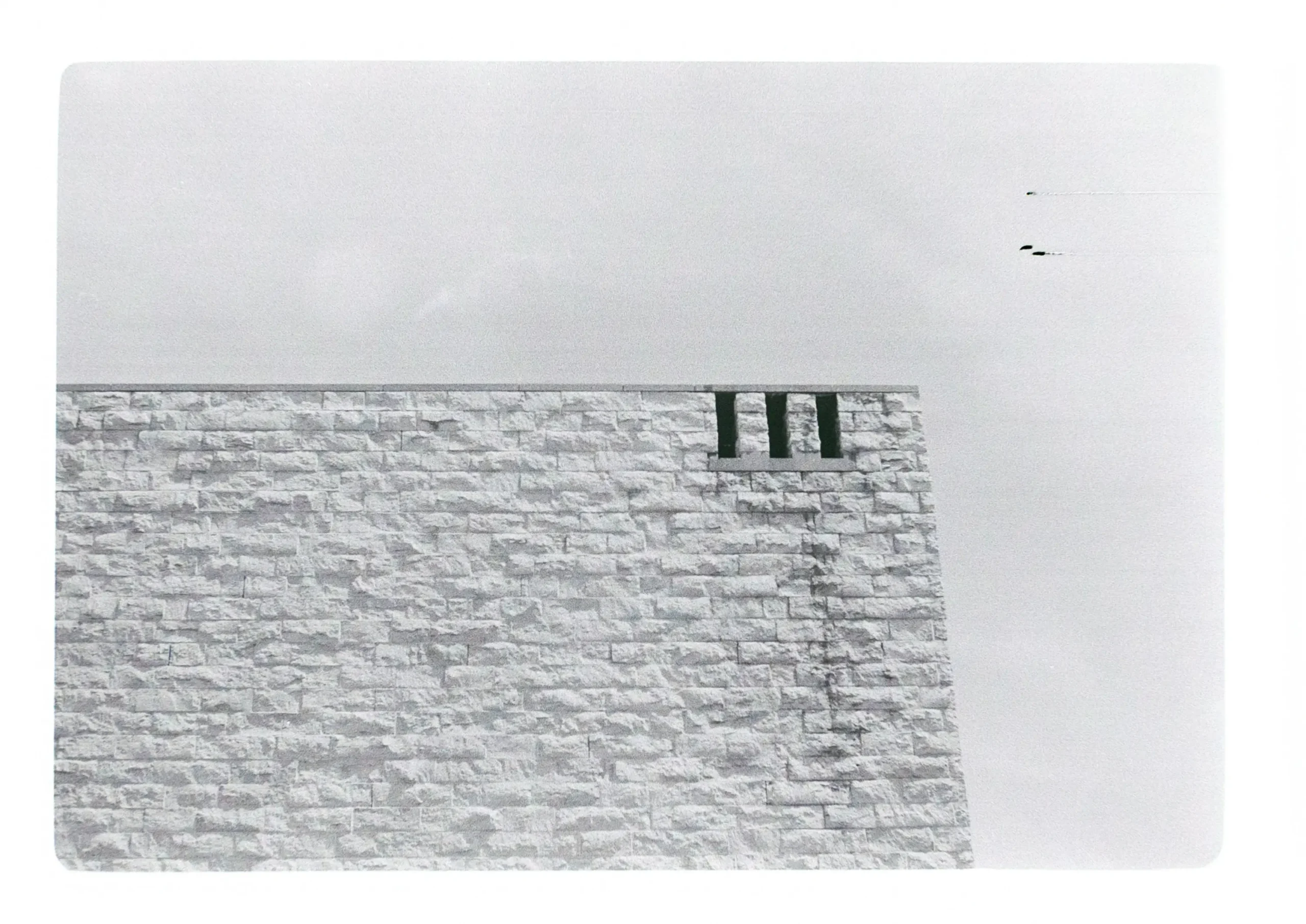
A stone cladding case study is the first checkpoint commercial buyers should lock before they approve a supplier, budget, or production slot. When specifying premium natural stone for a commercial lobby renovation, three concerns dominate every architect’s decision log: concrete wall adhesion longevity, batch color consistency between B2B supplier lots, and stone veneer joint gaps that can lead to moisture infiltration. For project managers, resolving these variables pre-shipment determines whether an interior feature wall meets structural safety standards or becomes a costly long-term maintenance liability.
This technical case study documents a 2,200-sqft hotel lobby feature wall renovation in Chicago, demonstrating how a single-source factory block selection and batch-specific cutting protocol eliminated the color variation lottery. By establishing rigorous quantitative benchmarks—including a measured ΔE below 2.5 across multiple production lots, a Class A assembly fire rating, and a 40% reduction in onsite labor versus traditional full-bed masonry—this document provides a replicable framework for architectural specifiers and commercial stone tile wholesalers globally.
Project Overview & Substrate Constraints
The project comprised a ground-floor lobby feature wall spanning 2,200 square feet across two high-visibility elevations—one situated directly adjacent to a structural glass curtain wall, and the other framing the main entry portal. The architect required a non-combustible natural material that balanced raw organic texture with strict commercial indoor building safety standards. Crucially, the wall assembly had to handle structural weight loads without supplemental floor footings or heavy iron girt reinforcement.
The existing substrate consisted of 3-5/8″ load-bearing steel studs spaced at 16 inches on center, sheathed in exterior-grade gypsum boards. To eliminate the primary cause of indoor masonry failures—direct thin-set adhesion to gypsum under high shear load—the technical specification mandated a structural overlay. Installers removed the superficial layers and secured 1/2-inch cementitious backer boards directly to the steel framing using corrosion-resistant #10-16 TEK screws. Furthermore, to mitigate environmental moisture shifts near the entrance, a dedicated capillary break consisting of a weather-resistant barrier (WRB) and a 1/2-inch drainage plane was successfully integrated behind the masonry setting bed.
| Performance Parameter | Project Specification Requirement | Tested Assembly Result |
|---|---|---|
| Batch Hue Uniformity | CIELAB ΔE < 2.5 across lots | Passed ( Lot Average ΔE: 2.0 ) |
| Flame Spread Index (FSI) | ≤ 25 (ASTM E84 Class A) | Passed ( FSI: 20 ) |
| Smoke Developed Index (SDI) | ≤ 450 (ASTM E84 Class A) | Passed ( SDI: 350 ) |
| Assembly Shear Bond Strength | ≥ 50 psi (ASTM C482) | Passed ( Average: 185 psi ) |
Batch Traceability & Color Acceptance Protocol
Visual color inconsistency is the most frequent catalyst for project delays and material rejection in large-scale interior surfacing. While standard distributors blend mixed-quarry batches, this project executed a strict block-locking sequence. Top Source Stone reserved and processed a single, dedicated 50-ton raw block from their Yixian, Hebei quarry pit. By securing one continuous quarry face run, the natural stratigraphic hue variation was restricted pre-fabrication.
The selected material was the Gold Line Quartzite Free-Form Loose Stone Series, precision-cut with an individually sawn-back finish to a calibrated 25–40mm thickness. Unlike processed honed stone that masks structural variation mechanically, the natural cleft face reveals raw mineral shifts. To verify consistency, the architect enforced a rigorous colorimetric protocol: three random sample lots (S1, S2, S3) were extracted from separate production phases and analyzed under a CIELAB space spectrophotometer. The acceptance threshold was fixed at an industrial ΔE < 2.5. The sample lots comfortably achieved ratings of 1.8, 2.1, and 2.3, completely bypassing the typical on-site manual pre-sorting delays.
Premium Loose Stone Veneer for Architectural Excellence

Fire-Rating & Assembly Level Testing
While raw, high-density quartzite minerals are inherently non-combustible, municipal commercial building codes demand fire certification based on the full wall assembly (stone layer + polymer adhesive + backer board + subframe framework). The full system was subjected to ASTM E84 testing to calculate the Flame Spread Index (FSI) and Smoke Developed Index (SDI).
The certified system utilized a high-performance, polymer-modified thin-set mortar meeting ANSI A118.4 standards, layered over the 1/2-inch cement backer board. Testing recorded an FSI of 20 (well below the Class A maximum ceiling of 25) and an SDI of 350 (comfortably beneath the Class A safety ceiling of 450). This formal certification satisfied local authority having jurisdiction (AHJ) requirements for placement within rated egress corridors. Furthermore, the complete assembly satisfied NFPA 285 parameters for non-combustible wall compliance.
Installation Efficiency & Timeline Compression
An empirical timeline comparison was integrated directly into the construction management schedule. The hotel’s primary 2,200-sqft lobby wall was clad using the sawn-back thin veneer system, while an adjacent hospitality bar accent zone utilized traditional full-bed masonry stone blocks. The dead weight of our natural thin stone veneer averaged 12 lbs/sqft, compared to full-bed alternatives which commonly exceed 25 lbs/sqft. This substantial weight reduction completely eliminated the need for heavy structural floor foundation adjustments under the steel studs.
The thin stone installation was finalized in 14 working days, representing a 33% schedule compression compared to the 21-day timeline required for the full-bed zone. The chronological breakdown proceeded as follows:
- Days 1–5: Substrate Prep & Waterproofing: Demolition of surface drywall, placement of the weather-resistant barrier (WRB), configuration of the 1/2-inch drainage backing plane, and mechanical anchoring of the cement board sheets.
- Days 6–12: Veneer Application: Two professional tile installers executed the loose stone layout. Pulling raw stones directly from the crates without time-consuming manual color sorting, the crew achieved an optimal placement velocity of approximately 32 pieces per installer per day.
- Days 13–14: Tool Joint Grouting & Matte Sealing: Compacting joints with polymer pointed mortar and completing surface cleaning.
The elimination of on-site stone color balancing alone trimmed five days of labor costs. Total calculated project cost reductions reached $12,500 across labor hours and scaffold leasing costs. Logistics were tightly controlled: 26,400 lbs of certified material arrived securely packed across 12 standard export pallets (2,200 lbs per pallet), ensuring total compliance with freight limit safety codes and yielding zero material breakage upon arrival.
Long-Term Performance & Material Science Stability
The primary driver behind rejecting calcite-based stones (such as traditional limestones and marbles) was preventing long-term facade bowing defects. Academic literature, including a comprehensive 2019 MDPI durability study, demonstrates that calcite marbles suffer from severe thermal hysteresis when exposed to routine indoor climate cycling. Because calcite crystals possess a highly anisotropic thermal expansion profile, repeated heat expansion generates permanent micro-deformation, leading to a 40–60% decay in mechanical flexural strength over a 10-year cycle.
In contrast, Yixian quarried quartzite is geologically immune to this degradation mechanism. Composed almost entirely of high-density crystalline quartz grains, it maintains an incredibly low coefficient of thermal expansion (<2×10⁻⁶ /°C) and near-zero crystal anisotropy. An independent 18-month field check-up of the hotel installation utilizing spectrophotometer testing confirmed an ongoing visual matching equilibrium (maintaining an average ΔE of 2.0) with zero instances of loose mortar lines or delaminated edges. Top Source Stone backs this commercial installation with a comprehensive 15-year structural system warranty and a 5-year colorfastness guarantee.
Frequently Asked Questions
What is the typical lead time for commercial custom thin stone veneer orders?
Custom architectural thin stone veneer typically ships from our factory within 30 to 45 days following formal order verification. For premium commercial projects demanding strict block-locking and spectrophotometer batch tracking, an additional 5 to 10 days is integrated to accommodate the pre-sorting protocols. Phased partial shipments are fully supported for large-scale developments.
How do you guarantee batch‑to‑batch color consistency for large projects?
We guarantee a 95% visual hue consistency across all lots by executing single-block quarry face runs. Before transport, the factory extracts sample sets for CIELAB spectrophotometer testing to ensure the total variance remains strictly at a ΔE of less than 2.5. This high-precision tracking ensures that reorders placed months apart still match the initial approved master standard.
Can interior thin stone veneer be installed directly onto drywall surfaces?
No, direct installation onto decorative paper-faced gypsum drywall is not approved for heavy commercial applications. To securely manage the dead load and eliminate shear failure risk, the drywall must be replaced with non-combustible cement backer boards. For interior entrance transitions or exterior-adjacent zones, a proper drainage plane overlay should always be configured.
What structural fire rating classifications do natural quartzite stones achieve?
Natural quartzite thin stone veneer assemblies achieve a premier Class A fire rating under the ASTM E84 standard. In full-scale system mockups, our quartzite systems consistently score an exceptionally low Flame Spread Index (FSI ≤ 20) and a balanced Smoke Developed Index (SDI ≤ 350), safely satisfying strict commercial corridor building code requirements.
What parameters are encompassed within the factory commercial warranty?
Top Source Stone delivers a robust 15-year structural assembly defect warranty combined with a 5-year colorfastness guarantee against UV fade. Unlike standard mineral warranties that exclusively cover the raw stone material while ignoring bond performance, our commercial coverage encompasses the full assembly integrity including panels, certified ANSI thin-set mortars, and backer board substrates.
