

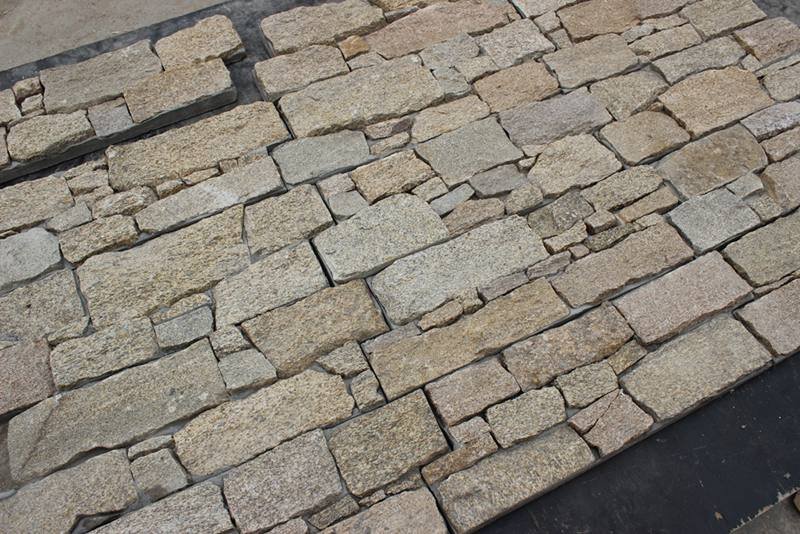
Construction projects in the Netherlands face a persistent threat from high groundwater levels and porous masonry, which drive moisture into interior zones through hydrostatic pressure. For B2B buyers and architects, selecting a stone panel system in the Netherlands requires more than just aesthetic appeal; it demands materials that can withstand capillary wicking and freeze-thaw cycles without compromising structural integrity. This guide evaluates top suppliers who provide technical solutions specifically engineered for high-humidity urban environments.
We examine the critical specifications needed for durable facades, including the benefits of low-absorption stones with water absorption rates as low as 0.1% to 0.4%. You will also find a breakdown of logistics strategies for Rotterdam Port, such as shifting from weight-based to volume-targeted loading to increase container capacity by up to 25%. By comparing material density, installation efficiency, and total landed costs, this analysis helps you secure high-performance stone systems that reduce long-term maintenance and improve project margins.
10 Top-Tier Natural Stone Panel System Suppliers in the Netherlands
Quick Comparison: Top Picks
| Manufacturer / Brand | Location | Core Strength | Verdict |
|---|---|---|---|
| TopSource Stone | China (Global Shipping) | Natural Stone Ledger Panels & Z-shape Systems | Best for factory-direct architectural stone with full supply chain control and low-absorption natural quartzite/slate. |
| Mutsaerts BV | Goirle, Netherlands | Ventilated Façade Systems & Technical Advisory | Top choice for Dutch commercial projects requiring local technical expertise and building code compliance. |
| Vandersanden | Belgium (Serving Netherlands) | Brick Slips & Prefabricated Façade Systems | Ideal for high-end residential and sustainable brick-based renovations in the Benelux region. |
| Stonepanel (Cupa Group) | Spain / Global Logistics | Patented Cement-Backed Natural Stone Z-Panels | The global benchmark for multi-story exterior facades requiring certified mechanical safety anchors. |
| Michel Oprey & Beisterveld | Echt, Netherlands | Natural Stone Flagstones, Wall Panels & Paving | The premier Dutch local importer and distributor for luxury architectural natural stone. |
| Norstone | Sydney, Australia / Global | Ultra-Dense Quartzite & Basalt Rock Panels | Luxury brand offering tight joint calibration for high-salinity waterfront architecture. |
| Tier Natural Stone | United Kingdom / Ireland | Fiber-Cement Reinforced Natural Stone Z-Panels | Best for European commercial building envelopes needing zero-gap mechanical interlocks. |
| Imperial Stone Group | UK (Exports to Netherlands) | Luxury Marble & Quartzite Slabs | The premier source for high-end interior retail and residential fit-outs. |
| KORDEKO | Chişinău, Moldova | Flexible Stone Composite Cladding | Excellent for lightweight ventilated façades where structural weight is a constraint. |
| iStones | Poland | Flexible Natural Stone Veneer Sheets | Perfect for interior feature walls and retail displays requiring ultra-thin stone. |
TopSource Stone
TopSource Stone operates as a vertically integrated manufacturer, managing the entire production cycle from the raw quarry stage to final precision infrared cutting. This level of factory control allows them to maintain strict quality standards while offering authentic stone textures through their various ledger panel series, including Flat, Rough, Pencil, and Marble options. Their focus on the B2B sector means they supply architects and large-scale contractors with materials designed specifically for high durability and visual impact in commercial environments.
To reduce risks associated with international stone sourcing, the company utilizes Z-shape interlocking systems and L-shaped corners to ensure efficient installation and seamless finishes. Their operational model emphasizes local execution through comprehensive OEM and ODM support, allowing distributors and developers to customize products for specific branding needs. By utilizing high-strength epoxy bonding and a three-stage quality control process, they ensure that the natural stone panels withstand the rigors of global shipping and long-term architectural use.
At a Glance:
- 📍 Location: China (Global Shipping)
- 🏭 Core Strength: Natural Stone Ledger Panels (Flat, Rough, Pencil, and Marble Series), Z-shape Interlocking Systems, L-shaped Corners
- 🌍 Key Markets: Netherlands, Global B2B Distributors, Architects, and Large-Scale Contractors
Why We Picked Them:
| ✅ The Wins | ⚠️ Trade-offs |
|---|---|
|
|
Mutsaerts BV
Based in Goirle, Mutsaerts BV functions as a high-level technical partner for the Dutch construction industry, specializing in the engineering and delivery of stone-like façade systems. They occupy a critical middle ground between architectural design and structural execution, ensuring that complex exterior envelopes meet stringent Dutch building codes. By offering integrated solutions rather than just individual components, they streamline the procurement process for project developers and architects who require consistent quality across large-scale commercial and residential developments.
The company manages risk through rigorous factory control and a deep understanding of ventilated façade mechanics. Their involvement typically begins at the advisory stage, where they evaluate the complete wall build-up to ensure long-term durability and aesthetic performance. This local execution model provides a safety net for builders, as Mutsaerts BV oversees the technical details of structural integrity that often become points of failure in complex cladding projects. Their focus remains locked on high-end results where technical precision is as important as the final visual impact.
At a Glance:
- 📍 Location: Goirle, Netherlands
- 🏭 Core Strength: Stone-like façade cladding, ventilated façade solutions, complete wall systems
- 🌍 Key Markets: Netherlands commercial and residential building sector, project developers
Why We Picked Them:
| ✅ The Wins | ⚠️ Trade-offs |
|---|---|
|
|
Vandersanden
Vandersanden operates as a primary resource for architects and developers across the Benelux region, specializing in the production of high-end facing bricks and prefabricated systems. The company maintains a strong focus on local execution, ensuring that materials meet the aesthetic and structural requirements of both modern new builds and sensitive historical renovations. By controlling the manufacturing process within their own facilities, they provide a reliable supply chain for large-scale residential and commercial projects.
The technical shift toward brick slips and advanced façade systems allows for increased factory control, significantly reducing on-site installation risks. These prefabricated solutions streamline the construction timeline while maintaining the thermal performance and durability expected in northern European climates. Their approach balances industrial scale with the precision needed for complex architectural details, making them a staple for contractors who prioritize long-term material stability and certified sustainability standards.
At a Glance:
- 📍 Location: Maaseik, Belgium (Serving Netherlands)
- 🏭 Core Strength: Facing bricks, brick slips (steenstrips), prefabricated façade systems
- 🌍 Key Markets: Benelux architects, façade contractors, and residential developers
Why We Picked Them:
| ✅ The Wins | ⚠️ Trade-offs |
|---|---|
|
|
Stonepanel (Cupa Group)
Stonepanel, developed by Cupa Group, is an engineered system designed for demanding exterior facades. Each panel integrates natural slate, quartzite, or granite slices into a fiber-reinforced cementitious base during factory assembly. This process creates a rigid composite plate that provides up to five times the flexural strength of traditional unbacked stone slabs, making it well-suited for high-wind coastal and urban environments.
The system includes patented stainless-steel mechanical anchor hooks embedded directly in the cement core. These anchors allow each panel to be secured to structural concrete or metal subframes, eliminating reliance on surface adhesives alone. Backed by European Technical Assessments (ETA), Stonepanel simplifies engineering reviews for commercial developments subject to wind suction and moisture weathering.
At a Glance:
- 📍 Location: Spain (Global Logistics Centers serving Netherlands & Europe)
- 🏭 Core Strength: Cement-backed natural stone panels, embedded mechanical anchor clips, commercial facade certification
- 🌍 Key Markets: High-rise commercial buildings, institutional developments, marine-exposure facade projects
Why We Picked Them:
| ✅ The Wins | ⚠️ Trade-offs |
|---|---|
|
|
Michel Oprey & Beisterveld
Michel Oprey & Beisterveld operates as one of the most prominent natural stone importers and wholesalers in the Netherlands. Operating out of Echt and Vianen, they maintain massive inventory reserves of natural stone walling, flagstones, and ceramic panels. Their business model caters to trade contractors and landscapers who require physical stock availability and immediate local dispatch for time-sensitive building schedules.
By maintaining direct oversight over their warehouse inventory, the company ensures consistent color grading across stocked batches. They offer a range of modular stone panels specifically suited to European architectural styles, including cool grey slates and warm quartzite tones. This local stock presence allows contractors to source matching corner units and field panels without waiting for long international container transit cycles.
At a Glance:
- 📍 Location: Echt, Netherlands
- 🏭 Core Strength: Natural slate & quartzite wall panels, flagstones, ceramic facade slabs
- 🌍 Key Markets: Dutch building contractors, landscape professionals, residential renovators
Why We Picked Them:
| ✅ The Wins | ⚠️ Trade-offs |
|---|---|
|
|
Norstone
Norstone manufactures natural stone cladding panels using dense igneous and metamorphic stones selected for low water absorption and high mechanical strength. Their manufacturing process enforces precise dimensional tolerances, producing Z-shaped interlocking modules that fit together without open gaps. This precision helps prevent wind-driven rain and moisture from bypassing the stone layer.
To maintain bond integrity in coastal environments like Rotterdam, Norstone uses high-strength bonding resins that remain flexible under thermal expansion. Their product lines are specified for high-end resort facades and coastal residential features where material density is critical to preventing efflorescence.
At a Glance:
- 📍 Location: Sydney, Australia (Global Distribution in Europe)
- 🏭 Core Strength: High-density quartzite and basalt panels, precision-calibrated rock series
- 🌍 Key Markets: Waterfront resorts, luxury residential, commercial hospitality projects
Why We Picked Them:
| ✅ The Wins | ⚠️ Trade-offs |
|---|---|
|
|
Tier Natural Stone
Tier Natural Stone supplies modular stone panel systems across the UK and European construction markets. Their system mounts natural stone pieces onto a fiber-reinforced cement backer, creating a panelized unit that speeds up installation while providing uniform load distribution. The Z-shaped interlocking design conceals vertical joints, creating a continuous stone appearance.
The cementitious backing acts as a barrier that prevents moisture from collecting directly behind the stone face. Tier subjects its panels to freeze-thaw and water absorption testing to ensure compliance with European standards. This pre-engineered approach offers commercial contractors a reliable method for installing natural stone cladding in wet European climates.
At a Glance:
- 📍 Location: United Kingdom / Ireland
- 🏭 Core Strength: Fiber-cement backed stone Z-panels, modular corner systems, natural slate & quartzite ledgers
- 🌍 Key Markets: European commercial developments, multi-family housing, public sector cladding
Why We Picked Them:
| ✅ The Wins | ⚠️ Trade-offs |
|---|---|
|
|
Imperial Stone Group
Imperial Stone Group serves the high-end European interior market by supplying a curated selection of premium marble and quartzite surfaces. The company maintains strict factory control over its material selection to ensure that every slab meets the aesthetic and structural requirements of luxury residential fit-outs and retail displays. By focusing on high-grade natural stone, they provide designers and architects with the exact textures and patterns needed for sophisticated architectural projects.
The group facilitates local execution for complex projects across the United Kingdom and the Netherlands, reducing risk for fabricators and developers through reliable material sourcing. Their role as a specialized supplier means they bridge the gap between quarry extraction and the final installation phase, specifically catering to kitchen and bath specialists and retail display fabricators. This controlled supply chain allows for consistent quality in decorative stone panels that are ready for immediate professional use.
At a Glance:
- 📍 Location: United Kingdom (Exports to Netherlands)
- 🏭 Core Strength: Marble slabs, quartzite slabs, decorative natural stone panels
- 🌍 Key Markets: European interior fit-out, retail display fabricators, kitchen and bath
Why We Picked Them:
| ✅ The Wins | ⚠️ Trade-offs |
|---|---|
|
|
KORDEKO
KORDEKO occupies a specific niche in the European construction market by focusing on the development of flexible stone composites. Based in Chișinău, the company bridges the gap between raw natural aesthetics and modern engineering requirements for ventilated façades. Their primary goal involves providing contractors and architects with a material that maintains the visual texture of natural stone while eliminating the structural burdens typically associated with heavy masonry. This focus on lightweight cladding allows for more creative freedom in building design, especially for projects where weight constraints or complex geometries make traditional slabs impractical.
The company maintains tight control over the manufacturing process to ensure their composite panels meet the rigorous demands of international façade contractors. By integrating factory-level quality checks, KORDEKO reduces the risks of material failure or inconsistency that often plague budget cladding options. Their logistics model benefits directly from the reduced mass of the product, enabling faster shipping and lower transportation costs across European markets. This specialized approach ensures that local execution on the job site remains efficient, as the panels are easier to handle, cut, and secure compared to solid stone alternatives.
At a Glance:
- 📍 Location: Chişinău, Moldova
- 🏭 Core Strength: Flexible natural stone façade panels, composite cladding
- 🌍 Key Markets: European façade contractors and material importers
Why We Picked Them:
| ✅ The Wins | ⚠️ Trade-offs |
|---|---|
|
|
iStones
iStones operates as a specialized Polish manufacturer focusing on the production of flexible stone veneer sheets. By utilizing precise factory control, they create surfaces that replicate the authentic textures of natural stone without the heavy weight associated with traditional masonry. This approach provides a practical solution for retail displays and interior feature walls where aesthetic appeal must be balanced with structural limitations.
The company maintains high standards of local execution to serve a global network of distributors and OEM clients. Their lightweight natural stone cladding allows designers to integrate organic materials into projects that were previously restricted by weight constraints. Through their manufacturing facility in Poland, iStones reduces the risks typically associated with sourcing heavy building materials by offering a consistent, thin-format product that simplifies shipping and installation logistics.
At a Glance:
- 📍 Location: Poland
- 🏭 Core Strength: Flexible stone veneer, lightweight natural stone cladding
- 🌍 Key Markets: Global distributors, OEM clients, European interior designers
Why We Picked Them:
| ✅ The Wins | ⚠️ Trade-offs |
|---|---|
|
|
The Water-Logging Challenge: Why Porous Foundations Demand Non-Porous Stone Backers
Porous Dutch masonry and clay-heavy soils create significant hydrostatic pressure that drives moisture into interior display zones. Utilizing non-porous stone backers or specialized barriers is essential to halt capillary wicking, prevent efflorescence, and protect precision stone cladding from settlement and freeze-thaw degradation.
Hydrostatic Pressure and Capillary Pathways in Dutch Masonry
Groundwater penetration through porous masonry creates hydrostatic pressure that drives moisture directly into interior display zones. In typical Dutch construction, porous stone and mortar joints act as wicking pathways, transporting water via capillary action to interior finishes. Without a non-porous backer, this moisture leads to efflorescence and the degradation of adhesives used in precision stone panels.
Impact of Waterlogged Backfill on Structural Load-Bearing Capacity
Clay-rich backfill often retains water around foundations, creating an artificial water table that destabilizes soil bearing capacity. These saturated foundations can cause settlement and misalignment of stone cladding systems if a 100–150 mm coarse aggregate drainage layer is missing. Non-porous stone backers serve as a critical barrier to maintain the structural integrity of the wall on sites with poor natural drainage.
Mitigating Freeze-Thaw Risks in High-Saturation Subsoils
Trapped moisture in porous foundation stones expands during winter freeze cycles, widening micro-cracks and distorting anchoring rails. Positive-side waterproofing combined with low-absorption stone backers keeps foundation materials below critical moisture content levels. Implementing non-porous barriers on the soil-facing exterior reduces long-term maintenance costs and prevents facade displacement.
Mesh Capacity Optimization: Loading 20-25% More Volume for Dense Urban Fit-Outs
Optimizing container utilization for stone panels involves shifting from weight-limited to volume-targeted loading strategy. By using industrial volume formulas and stratified stacking, importers can achieve load factors between 0.75 and 0.88, effectively increasing the square meters of material per shipment by up to 25% for high-density retail projects.
Volume-Based Loading Formulas for High-Density Stone Panels
Sea freight planning for architectural stone requires precise geometric modeling to avoid sub-optimal packing voids. Importers utilize the industry-standard formula where loading capacity equals the internal container volume divided by unit volume, adjusted by a specific load factor. For regular-shaped stone cargo and crated panels, a load factor between 0.75 and 0.88 is the benchmark for high-efficiency shipments. This approach moves away from conservative packing and allows for a quantifiable increase in total square meters by aligning crate dimensions strictly with the container footprint.
Stacking Orientation and Stratified Weight Distribution
Maximizing the number of vertical layers and rows depends on face-down orientation adjustments. By refining the physical packing plan, it is possible to hit 85% volume utilization. Logistics teams implement stratified loading by placing heavy stone panels, typically those exceeding 350 kg/CBM, in the bottom third of the container. Lighter fixtures or display components occupy the upper two-thirds. This configuration keeps the center of gravity low while pushing toward maximum payload limits. To maintain safety for Dutch urban projects, shippers preserve a 5–10% space reserve for dunnage and lashing, ensuring stability without sacrificing the gains in density.
For importers targeting the Netherlands, these techniques are essential when shipping from global hubs into Rotterdam. Shifting from standard loads to an optimized 85% effective utilization allows about 20% more stone surface area to be shipped in a single ISO container. This reduction in the freight cost per square meter directly improves the landed cost of the material for large-scale commercial fit-outs.
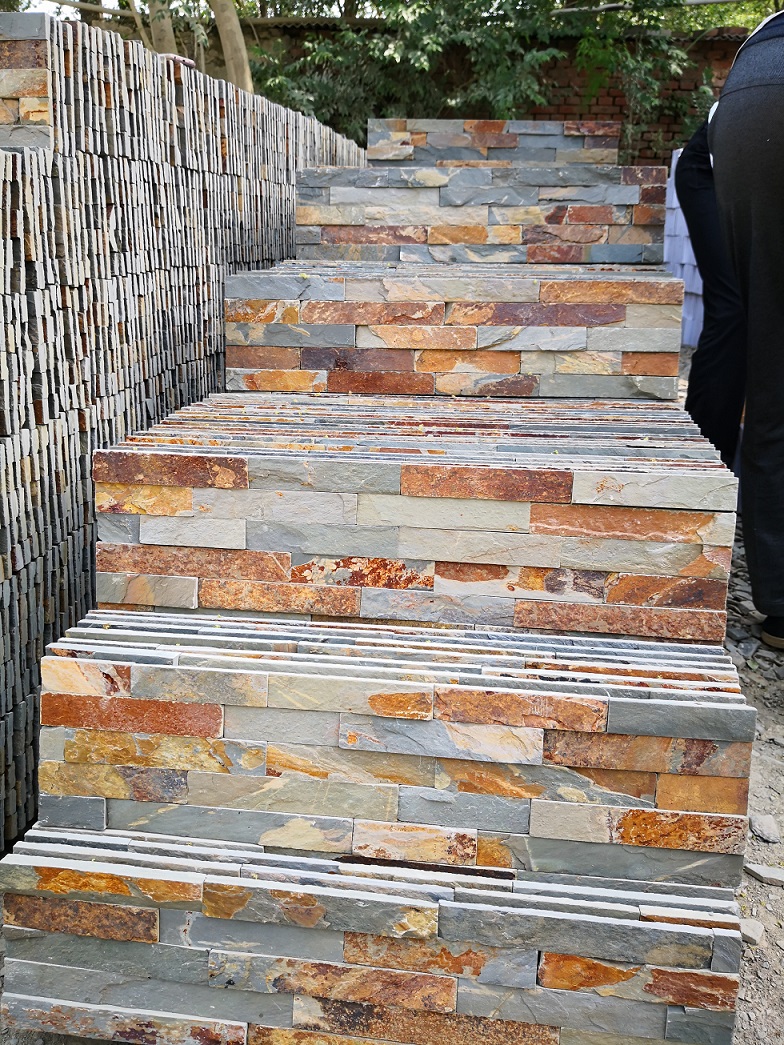
Elevate Your Projects with Premium Factory-Direct Ledger Stone
Direct B2B Shipping: Lowering Total Landed Costs at Rotterdam Port
Evaluating B2B imports through Rotterdam requires a focus on total landed cost—integrating ocean freight, Dutch customs duties, VAT, and terminal handling—to ensure that high-density stone shipments remains economically viable compared to local sourcing.
Defining Total Landed Cost for Dutch Stone Imports
Calculating the financial feasibility of stone imports requires moving beyond simple ocean freight rates. Importers must evaluate the full financial impact, which includes the base freight, destination handling charges at Rotterdam, import duties, and VAT. For natural stone products, these destination fees and last-mile logistics often represent a significant portion of the budget. A low FOB price from a supplier can quickly become more expensive than an all-in DDP quote once port-related charges are factored into the equation.
Dutch import duty is specifically calculated based on the customs value of the cargo. This value incorporates the transaction price of the goods plus the cost of transport and insurance to the EU entry point. Because stone is a heavy, high-volume material, managing these variables is essential for maintaining predictable margins. Utilizing a comprehensive landed-cost model allows project managers to compare international procurement directly against local European wholesale prices.
Shipping Benchmarks and Logistics Execution at Rotterdam
Logistics planning for direct ocean lanes typically involves FCL (Full Container Load) benchmarks. Current market rates for 20GP containers generally range from $2,200 to $3,500, while 40HQ units fluctuate between $2,800 and $4,800 depending on seasonal demand and carrier capacity. For smaller shipments or specialized interior projects, DDP sea freight options—often quoted between $280 and $350 per CBM—can simplify the process by including customs clearance and VAT advancement in the upfront price.
Successful execution at Rotterdam Port depends on accounting for terminal handling, customs brokerage, and potential mandatory inspections. These “soft costs” are vital components of the final supply-chain budget. By grouping cargo by density—loading heavy stone panels in the bottom third of the container and lighter fixtures above—importers can maximize volume utilization while keeping the center of gravity stable. This technical approach to packing ensures that the maximum square meterage of stone is delivered per shipment, effectively lowering the transport cost per unit and protecting the project’s bottom line.
Topsource Stone: Impervious Low-Absorption Stone Panels for Dutch Urban Facades
TopSource Stone provides engineered natural stone panels featuring a water absorption rate of ≤ 0.5%, specifically designed for the high-humidity and hydrostatic pressure challenges of Netherlands urban environments. These Z-shaped and interlocking systems offer a lightweight alternative to solid slabs, reducing structural loads and shipping costs while ensuring permanent UV stability and moisture resistance for premium Rotterdam and Amsterdam facades.
Natural Stone Density and Moisture Resistance for Netherland Climates
Selecting materials for the Dutch climate requires stones with extremely low porosity to prevent capillary wicking and efflorescence. TopSource Stone utilizes 100% real quarried Slate, Quartzite, and Marble, focusing on technical grades that meet or exceed ASTM standards for density. For example, dense slates often achieve absorption rates as low as 0.1–0.4%, making them ideal for facades exposed to heavy rainfall and coastal humidity.
The integrity of these panels relies on precision-engineered Z-shape designs and high-strength epoxy resin bonding. This construction creates a barrier against hydrostatic pressure—a critical factor in Dutch architecture where groundwater levels are high. Unlike concrete-based artificial stone, these natural panels maintain permanent color retention and UV stability, preventing the fading and surface degradation often seen in synthetic alternatives over time.
Installation Efficiency for High-Density Dutch Fit-Outs
In high-density urban areas like Amsterdam, construction timelines and site access are strictly regulated. Lightweight stone panel specifications range from 8-13 lbs/sqft, a significant reduction compared to the 30-50 lbs/sqft common with traditional solid masonry. This weight reduction eliminates the need for expensive structural footings or heavy-duty brick ledges, allowing for faster cladding of both new builds and retrofitted commercial exteriors.
The interlocking system is designed specifically to reduce labor costs by removing the need for complex on-site miter cutting. The factory provides integrated L-shaped corner pieces that ensure a seamless finish on pillars and wall turns. This modular approach allows contractors to meet aggressive project deadlines and reduces the waste and dust generation typically associated with traditional stone masonry in sensitive urban retail zones.
Precision Manufacturing and Quality Control Standards
To ensure a professional finish without visible grout lines, advanced manufacturing employs infrared cutting equipment that maintains exact dimensional accuracy. This technology ensures that every interlocking joint fits tightly, preventing moisture ingress behind the panel system. A three-stage quality inspection protocol—conducted after cutting, following assembly, and before final packaging—guarantees that only panels meeting strict Dutch architectural standards leave the facility.
Logistics are optimized through strategic planning for shipping cycles, focusing on major international ocean lanes to Rotterdam. TopSource Stone uses reinforced crating designed to withstand international transit while maximizing container load factors. By achieving container utilization rates between 75% and 88%, importers reduce the total landed cost per square meter, making high-end natural stone a viable option for large-scale commercial developments across the Benelux region.
Frequently Asked Questions
What is the precise water absorption rate of natural stone panels for wet environments?
For wet environments, panels should feature a water absorption rate of ≤ 0.5% by weight. Dense granites and slates typically test between 0.1% and 0.4%, making them ideal for high-humidity or exterior exposures. By contrast, porous stones like limestone can absorb 3-10%, posing risks for Dutch facade or retail wet-zone applications. Adhering to standards like ASTM C615 and C503 ensures long-term durability against moisture and freeze-thaw cycles.
Can I load more square meters per container using a mesh-backed panel system?
Yes. Mesh-backed systems significantly increase loading capacity compared to traditional 20mm solid stone. By reducing stone thickness to 3–8mm, the weight per square meter drops from roughly 54kg to 15–25kg. This allows for 1,000–1,800 m² per 27-ton payload—approximately 2 to 4 times more volume than solid slabs. This optimization lowers sea freight costs per m² and simplifies logistics for large-scale retail roll-outs at Rotterdam Port.
Are these interlocking systems compatible with typical lightweight Dutch architectural walls?
While compatible, these systems require a separate load-bearing substructure when used with standard Dutch metal stud and gypsum board partitions. Because natural stone panels often weigh 35–70 kg/m², which exceeds the 15–25 kg/m² limit of lightweight non-loadbearing walls, an aluminum or steel rail system is used to transfer the dead load to the primary concrete or brick structure.
How are corners and joints handled to ensure a seamless look?
The system utilizes Z-shaped interlocking panels and matching L-shaped corner pieces. This design eliminates visible vertical grout lines and avoids the need for complex on-site miter cutting. When installed correctly, the panels create a continuous natural stone surface suitable for high-end boutique interiors and commercial facades.
Is the panel system a sufficient waterproof barrier for exterior facades?
Natural stone is inherently water-resistant, but the panel system itself does not function as a primary waterproof barrier. For exterior Dutch facades or wet interior zones, installers must specify and apply a dedicated moisture barrier and flashing system behind the panels. Additionally, applying a pH-neutral stone sealer every 18–24 months helps maintain the finish and simplify cleaning.
Final Thoughts
Success in the Dutch stone market depends on selecting materials that withstand constant moisture and high hydrostatic pressure. By prioritizing non-porous backers and low-absorption natural slates or quartzites, builders prevent the capillary wicking and efflorescence common in porous masonry projects. These technical choices ensure that facades in cities like Amsterdam and Rotterdam remain structurally sound and visually consistent despite the challenging local climate and soil conditions.
Efficiency in logistics and installation further dictates the financial success of large-scale fit-outs. Utilizing volume-optimized shipping strategies through Rotterdam Port allows for higher material density per container, effectively lowering the landed cost per square meter. When combined with modular, interlocking panels that reduce labor time and structural load, these strategies provide a clear path for developers to deliver high-end architectural finishes while maintaining strict budget and schedule requirements.
