

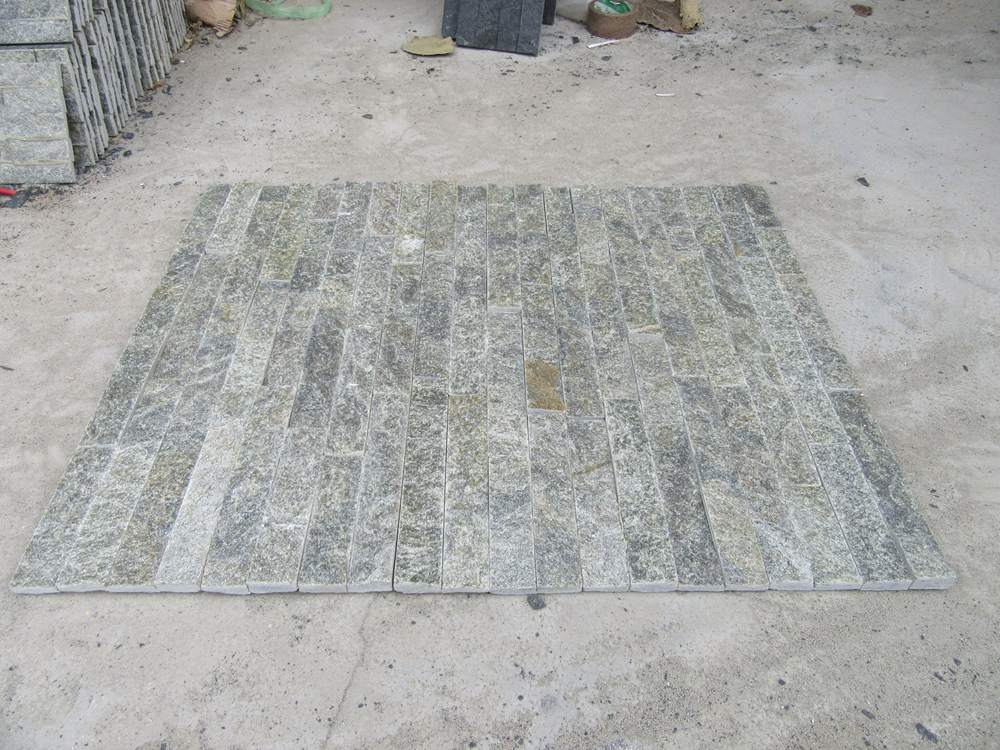
Thickness & Freight directly influence your freight costs and profit margins when importing natural stone. Thicker stone increases total shipment weight, raising freight expenses and risking overweight penalties that can erode your wholesale margins significantly.
This analysis benchmarks Top Source Stone’s natural stacked stone panels, sized 6″ x 24″ with thickness options from 1cm to 3.5cm, emphasizing consistent same-batch quarry sourcing and strict 300 square meter MOQ to optimize load efficiency and cost control.
Does thicker stone always cost more to ship?
Thicker stone usually leads to higher total shipping costs due to increased weight needed per coverage area, though per-ton shipping costs can remain the same depending on shipment type.
How Stone Thickness Influences Shipping Weight and Cost
Thicker stone covers less square footage per ton than thinner veneer, so projects using thicker stone require more total shipment weight. This increase in weight raises shipping costs, especially on LTL and pallet shipments where rates depend on load weight.
Logistics Considerations for Thick vs. Thin Natural Stacked Stone
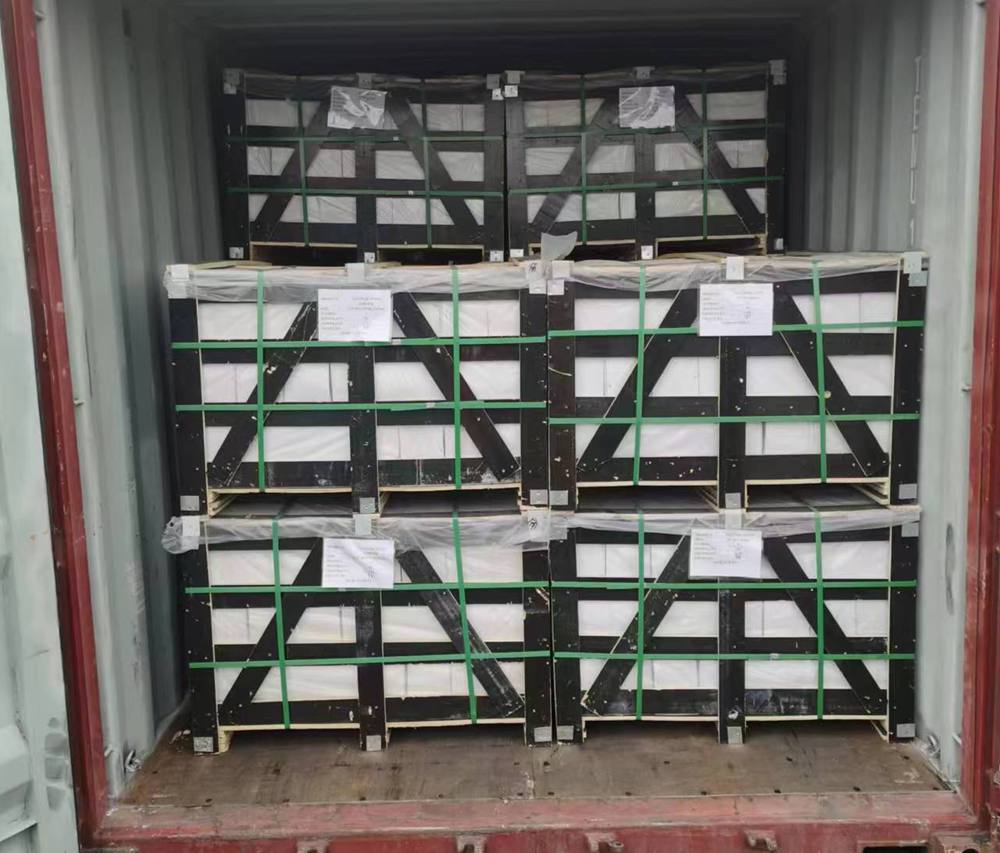
Full truckload shipments typically charge a fixed rate regardless of stone thickness. However, thicker stone means more truckloads to cover the same project area, increasing total shipping costs. Top Source Stone panels range from 1cm to 3.5cm thickness, affecting pallet weight and quantity. Heavier panels may need stronger packaging like plywood crates and special handling, which adds shipping expenses.
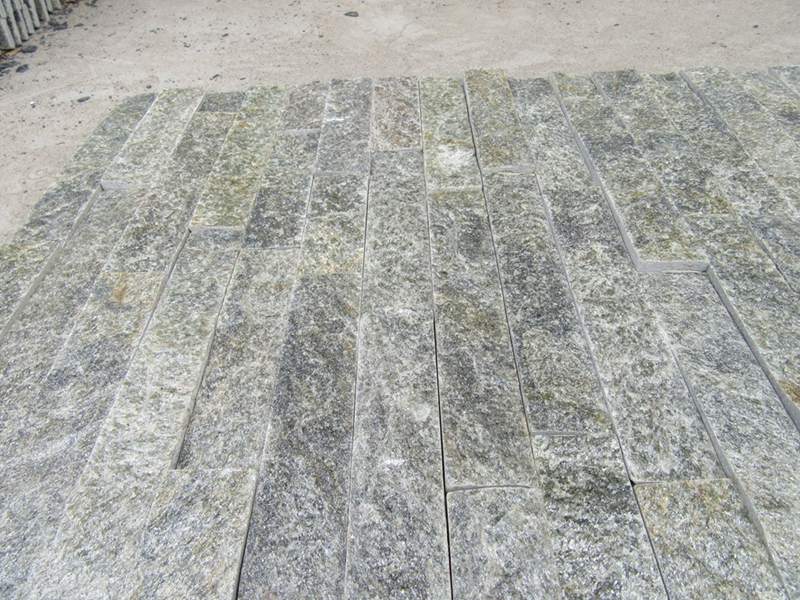
Understanding the “Price per Pound” of natural stone export
Price per pound for natural stone exports ranges roughly $0.28 to $0.75, shaped by stone type, quality, logistics, and order volume.
The Concept of Price per Pound in Natural Stone Exports
Price per pound serves as a wholesale pricing method common for dimensional stone products. It offers buyers clear, transparent cost comparison across different stone types and finishes.
Prices typically range from $0.28 per pound for budget-friendly stones to $0.75 per pound for premium finishes. Factors influencing this range include stone type, surface finish, color rarity, and export compliance requirements.
International markets sometimes use other units, like price per square meter, especially for stone slabs and thin veneer products. Volume discounts and minimum order quantities also play a significant role in pricing adjustments.
Impact of Stone Quality and Logistics on Price per Pound
Top Source Stone offers 100% natural stone sourced consistently from the same quarry batch to minimize color variation, adding value beyond simple weight-based pricing. This quality consistency supports stable pricing tiers.
Surface finishes such as natural cleft, split-face, and seamless substantially affect the product’s final value and thus the price per pound.
Weight strategies consider panel thickness and weight, with standard panels weighing approximately 8 to 12 pounds per square foot. This weight links directly to how the price per pound metric translates into overall cost.
By manufacturing directly at the quarry source, Top Source Stone bypasses middlemen, ensuring competitive pricing per pound through cost-efficient production and logistics.
Minimum order quantities, commonly 300 square meters, and container weight limits influence pricing tiers and bulk discounts, allowing buyers to optimize costs based on volume.
Boost Profits with Premium Stone

Thin veneer vs. Standard panels: A cost-weight analysis
Thin veneer panels weigh less and cost less to ship and install than standard panels, which are heavier and more labor-intensive.
Cost and Labor Differences Between Thin Veneer and Standard Panels
Material costs for thin veneer stone range from $6 to $14 per square foot, depending on type and finish. Standard full-bed stone panels generally cost $8 to $15 per square foot in materials. Installation labor is a bigger differentiator: thin veneer typically installs at $15 to $25 per square foot, thanks to uniform panel sizes and lighter weight, while standard panels require $25 to $40 per square foot due to heavier weight and the need for additional structural support. Thin veneer installs faster, reducing labor costs further and simplifying project scheduling.
Weight Impact on Shipping and Freight Costs
Thin veneer panels are significantly lighter. A 24-ton truckload carries 2,700 to 3,300 square feet of thin veneer, whereas full-bed stone panels weigh 25 to 40+ pounds per square foot, limiting shipment to about 25 to 35 square feet per ton. This weight difference means fewer shipments are needed for thin veneer, cutting freight expenses. Lower weight panels also make handling on-site easier, reducing manual labor and equipment costs. These savings improve wholesale margins due to lower freight charges and streamlined logistics.
| Aspect | Thin Veneer | Standard Full-Bed Panels |
|---|---|---|
| Material Cost (per sq. ft.) | $6 – $14 | $8 – $15 |
| Installation Labor Cost (per sq. ft.) | $15 – $25 | $25 – $40 |
| Weight (lbs per sq. ft.) | 8 – 12 (approx.) | 25 – 40+ |
| Shipment Coverage per 24-ton Truckload (sq. ft.) | 2,700 – 3,300 | 600 – 840 (approx.) |

How weight limits per container affect your wholesale margins
Weight limits impact shipping fees, penalties, and delays, directly influencing wholesale margins through payload optimization and compliance costs.
Impact of Container Weight Limits on Shipping Costs and Penalties
Containers set maximum gross weights, generally between 17.5 and 26.5 tons for natural stone shipments like Top Source Stone’s stacked stone. Shipping overweight containers risks fines ranging from $5,000 to $50,000 in the US and EU. These fines come with mandatory delays of 7 to 14 days, requiring costly offloading and repacking at the port. Misdeclared weights trigger re-weighing fees, provoke customer disputes, and may lead to canceled contracts. Shipping carriers increase fees for heavier payloads because fuel consumption and surcharges rise, pushing per-unit freight costs higher and narrowing margins.
Optimizing Payload and Compliance with Verified Gross Mass (VGM) Certification
Verified Gross Mass certification ensures the container’s declared weight meets regulatory standards before shipment, avoiding penalties. Using certified weighing equipment and automating VGM processes sharply reduces weight-related violations and demurrage charges. Proper load planning maximizes container capacity while respecting weight limits, cutting freight costs per unit. Top Source Stone supports efficient loading with direct quarry sourcing and pallet configurations designed to approach weight limits safely, protecting your wholesale margins.
Selecting the right thickness for your project budget
Thickness choice balances strength and cost; thicker stone adds expense and weight, so choose the minimal effective thickness to fit your project.
Balancing Material Strength and Budget Constraints
Thicker stone significantly raises both material and processing costs. You avoid unnecessary expenses by identifying the minimum thickness that meets structural needs. Thinner stone can lower costs but must support expected loads. Even small thickness cuts produce meaningful savings in material and production.
Top Source Stone Thickness Options and Cost Implications
Top Source Stone offers natural stacked stone panels ranging from 1cm to 2.5cm in thickness, with rough, premium finishes up to 3.5cm. Thicker panels weigh more, about 30-40kg/m² for flat finishes and up to 55kg/m² for rough finishes, impacting shipping and handling costs. Their interlocking Z-Shape and S-Shape panels maintain seamless architectural appearance even at thinner gauges. Selecting from these standard thicknesses helps optimize cost and workflow by balancing structural requirements with budget.
Final Thoughts
While cheaper stone suppliers may lower your upfront spend, Top Source Stone’s direct quarry sourcing and same-batch consistency ensure you avoid risks like color variation and costly freight penalties. Our CNC diamond-blade precision and engineered panel thickness protect your margins by delivering reliable fit and seamless aesthetics that build lasting dealer credibility.
Don’t compromise on quality or logistics—start with a sample kit to experience our product’s finish and weight benefits firsthand. Reach out to discuss tailored private label options and optimize your next container load for maximum margin protection.
Frequently Asked Questions
What is the typical weight range for boxes of stacked stone panels?
The weight of stacked stone panel boxes varies depending on the product type and coverage, typically ranging from 24 to 36 pounds per box for standard residential panels containing 10 to 16 pieces, covering roughly 2 square feet per panel.
Does stone veneer thickness significantly affect its price?
Thickness does not significantly impact the price of thin stone veneer since pricing is usually based on square footage. Variations in thickness are minimal and have little effect on cost compared to factors like stone type, finish, and installation complexity.
How much stone fits in a standard 20-foot shipping container?
A standard 20-foot container can hold about 75 stone slabs, depending on slab thickness and dimensions, with weight limits around 28 tons affecting total capacity. Thicker slabs reduce the number that fit.
Is thin stone veneer cheaper to ship than thicker stone veneer?
Yes, thin stone veneer weighs about one-quarter of traditional full-thickness stone, making it significantly more economical to ship. This weight advantage reduces freight costs and simplifies logistics.
How do I calculate freight costs for stone imports?
Freight costs combine ocean or air freight, inland transportation, insurance, port charges, and customs fees. Total costs are usually divided by total units or weight to find per-unit freight cost. Asking for door-to-door quotes helps avoid hidden charges.
