

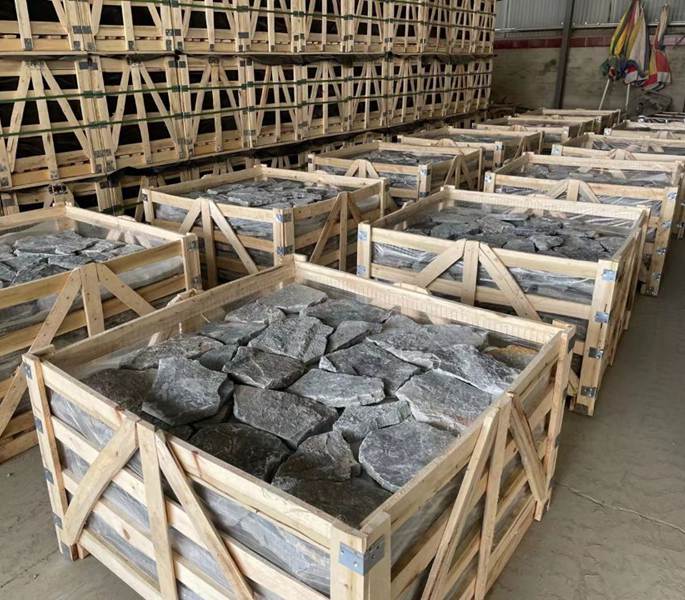
For architects, builders, and project managers, the integrity of exterior facades is measured in more than aesthetics; it’s a direct line to project longevity, warranty claims, and the costly remediation of moisture-related failures that can compromise an entire building envelope. When thin stone veneer is specified, the margin for error in weatherproofing shrinks to zero—a single compromised layer can lead to systemic water intrusion, structural damage, and a complete facade failure that erodes client trust and profitability.
This guide moves beyond basic installation to detail the critical, non-negotiable technical procedures that ensure a stone veneer facade performs for decades. We break down the anatomy of a weather-resistant wall assembly, provide a step-by-step standard operating procedure for installing dual water-resistive barriers and proper flashing, and explain the essential role of weep screeds and freeze-thaw protection. Consider this your definitive technical manual for building exterior stone walls that are as durable as they are visually striking.
The Anatomy of a Weather-Resistant Exterior Stone Wall
Modern weather-resistant stone walls are engineered systems, not just materials, defined by a rainscreen principle that manages moisture through drainage, redundancy, and durable detailing.
From Solid Masonry to Engineered Veneer Systems
The industry has moved decisively away from relying on the mass and mortar of traditional solid masonry for moisture control. Today’s high-performance assemblies treat the stone cladding as a rainscreen—a layer designed to shed the bulk of water, not to be waterproof. The critical function happens behind it. This shift enables the use of lighter, more efficient materials like thin stone veneer, which offers the aesthetic of full-bed stone at a fraction of the weight and structural load. The core principle is separation: the weather-resistant cladding is decoupled from the primary drainage plane and insulation layers, creating a system that can manage, drain, and dry incidental moisture.
This systems-based approach prioritizes off-site fabrication and panelization where possible, improving quality control and installation speed. For individually sawn-back, loose stone veneer, the craftsmanship shifts to creating a perfect substrate and drainage cavity. The result is a wall that performs predictably over decades, moving beyond the inherent variability and moisture risks of traditional solid stone construction.
The Critical Role of the Drainage Plane and WRB
The foundation of any contemporary stone veneer system is a continuous water-resistive barrier (WRB) paired with a dedicated drainage cavity. The WRB, applied over the structural sheathing, acts as the primary backup barrier. It’s your last line of defense against liquid water. In front of it, a consistent air gap—typically created by a drainage mat or mesh—is non-negotiable. This cavity allows any water that penetrates the stone and mortar to drain downward by gravity and promotes air circulation for drying.
This assembly is useless without properly integrated termination details. Flashing at all horizontal interruptions (window sills, lintels) and a weep screed at the wall base are critical components that must be shingled into the WRB to direct water out of the cavity. For natural stone veneer, which acts as a “reservoir cladding,” this drainage and drying capability is what prevents the freeze-thaw damage and moisture accumulation that lead to system failure.
| System Component | Traditional / Generic Approach | High-Performance Best Practice with Natural Stone Veneer |
|---|---|---|
| Cladding Type | Full-bed stone, solid masonry, or pre-fabricated panels. | Individually sawn-back thin stone veneer (25-40mm thick). Loose stone allows for a bespoke random-lay pattern with zero-repeat natural variation, achieving full-depth visual integrity without the structural mass. |
| Moisture Management | Single-layer WRB; reliance on mass and mortar; limited or no dedicated drainage cavity. | Defined rainscreen assembly. Two-layer WRB system for redundancy, plus a minimum 3/8″ drainage cavity (mesh/mat) and integrated weep screed. Assumes water will penetrate and provides a managed exit path. |
| Durability & Sourcing | Variable stone quality; potential for color batch inconsistency in large projects. | Quarry-to-project consistency for color harmony. Use of high-density quartzite and other stones selected for climate-tested durability, ensuring resistance to freeze-thaw cycles and UV exposure. |
Integrating Continuous Insulation and Air Sealing
Energy codes now mandate continuous insulation (ci) outside the structural wall to eliminate thermal bridging and meet stringent performance targets. In a stone veneer assembly, this insulation layer is typically placed between the structural sheathing and the WRB, or within a specialized drainage cavity system. This placement is critical—it keeps the structural components warm, reducing the risk of condensation within the wall cavity.
Air sealing is the inseparable partner to insulation. Airtight detailing at all penetrations, transitions, and seams in the WRB is essential. Uncontrolled air leakage is a primary vector for moisture-laden air to enter the assembly, where it can condense and cause damage. The WRB often serves as the air barrier, and its integration with window/door flashings, roof-to-wall intersections, and penetrations must be meticulous to control both bulk water and air movement.
Flashing, Weep Systems, and Material Transitions
The durability of a stone wall is determined at its weakest points: the transitions. Flashing is not a detail; it’s the system that directs water out. At every horizontal projection—window sills, lintels, shelf angles—flashing must be installed in a shingle fashion and fully integrated with the WRB. Weep holes or screeds at the base of the wall are the essential terminus for the drainage cavity; without them, the cavity becomes a bathtub.
Where stone meets other materials like window frames, metal panels, or roof membranes, differential movement must be accommodated. This requires properly designed expansion joints and compatible, durable sealants. The goal is to create a continuous water-managed envelope where every component, from the primary WRB to the termination sealant, works in concert.
Durability, Sustainability, and Hybrid Material Façades
The modern approach evaluates the entire wall system’s life-cycle performance. This means selecting materials and details that can withstand decades of freeze-thaw cycles, UV exposure, and physical stress. Natural stone, with its inherent durability and longevity, contributes significantly to a sustainable façade strategy through reduced replacement cycles and often lower embodied carbon compared to frequent maintenance of other claddings.
Contemporary architecture frequently combines stone with other materials like metal, glass, or fiber cement in hybrid façades. These designs demand careful coordination. Each system has its own performance criteria, thermal movement, and installation sequence. The stone veneer details, particularly its drainage plane and flashings, must be meticulously designed to interface with these adjacent systems without creating a performance gap or water trap.
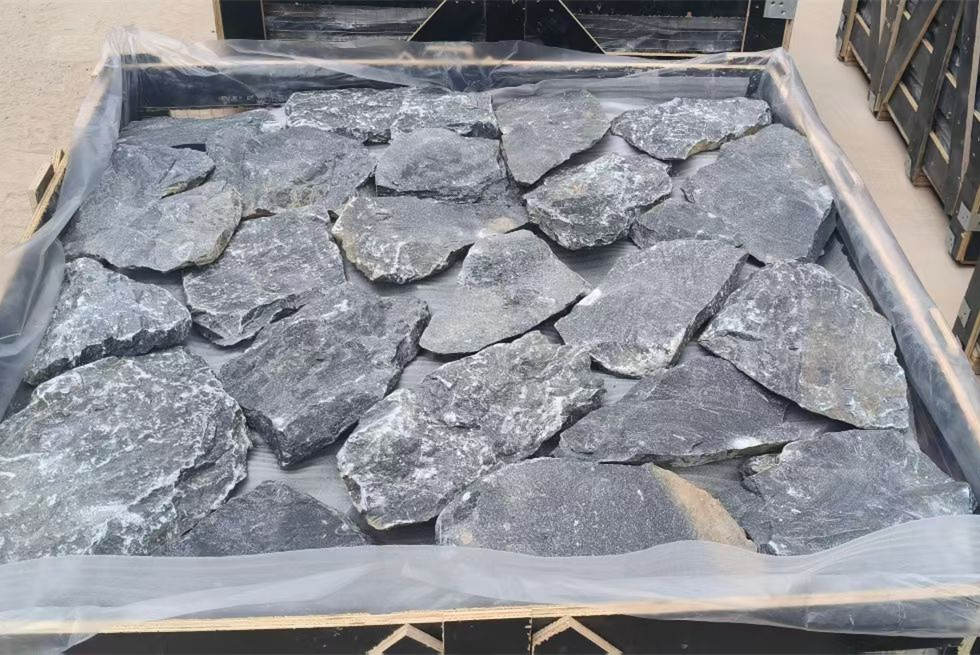
Installing Two Layers of Water-Resistive Barrier (WRB)
Moving to a dual-layer WRB system is the most effective upgrade you can make to a stone veneer assembly, shifting the design philosophy from merely resisting water to actively managing and evacuating it.
A single water-resistive barrier is no longer the gold standard for high-performance facades, especially behind moisture-sensitive claddings like stone veneer. The industry is standardizing around a two-layer approach, creating a dedicated drainage cavity and a redundant line of defense. This isn’t just about meeting code; it’s about extending the service life of the entire wall assembly by decades and mitigating the primary cause of cladding failure: trapped moisture.
Code Requirements and Regional Drivers
The push for dual-layer WRBs isn’t just theoretical best practice—it’s increasingly codified. Modern editions of the International Building Code (IBC) and other model codes now explicitly recognize the superior performance of layered assemblies in managing bulk water and vapor diffusion. This is particularly true for buildings in high-risk moisture environments.
You’ll find dual-layer systems specified as a baseline requirement in coastal zones, regions with high annual rainfall, and for multifamily or mixed-use projects where the cost of a single failure is multiplied. Beyond code, the driver is often financial. Insurance providers and savvy building owners now see the initial investment in a redundant WRB system as a direct hedge against long-term water damage claims, translating to lower premiums and higher asset durability.
Enhanced Drainage and Redundancy
The functional benefit of two layers is simple yet profound: it creates a managed drainage plane. The first WRB layer, applied directly to the sheathing, acts as the primary air and water barrier. The second layer, installed over vertical furring strips, creates a capillary break and a clear path for any incidental water to weep out freely at the base of the wall.
This redundancy is critical. If the outer WRB is punctured during stone installation or compromised by future settlement or impact, the inner layer remains intact as a secondary defense, preventing water from reaching the structural sheathing. For reservoir claddings like stone or stucco that hold moisture against the wall, this drainage cavity is non-negotiable. It prevents the sheathing from becoming saturated, which is the root cause of rot, mold, and structural decay.
| System Component | Primary Function | Impact on Thin Stone Veneer |
|---|---|---|
| Primary WRB (Layer 1) | Primary air & water barrier; protects sheathing. | Absolute baseline for preventing bulk water intrusion into the wall cavity. Essential for all climates. |
| Drainage Cavity (Air Gap) | Breaks capillary action, allows water to drain, promotes drying. | Critical for managing the “reservoir” effect of stone. Prevents freeze-thaw damage behind the veneer by evacuating water. |
| Secondary WRB (Layer 2) | Protects Layer 1 during install; provides redundant moisture barrier. | Safeguards against lath fasteners piercing the primary barrier. Ensures system integrity even if the outer stone/mortar is compromised. |
| Climate-Tested Stone Veneer | Dense, low-porosity facing material. | Products like High-Density Quartzite or Granite Loose Stone provide inherent freeze-thaw durability, forming the final, durable face of a fully managed assembly. |
Material Compatibility and System Integration
Success hinges on treating the dual-layer WRB as a complete system, not a collection of parts. Major manufacturers now offer tested and rated assemblies with compatible flashings, tapes, and fasteners designed for layered applications. Using mismatched products—like a fluid-applied WRB with tape not rated for its chemistry—creates the weak links that cause systemic failures.
The sequencing is non-negotiable. First, apply the primary WRB directly to the sheathing, integrating all window, door, and penetration flashings. Next, install vertical furring strips (typically 1×3 or proprietary plastic channels) to create the consistent drainage gap. Finally, apply the second WRB layer over the furring. This outer layer must be lapped and sealed to direct any water in the cavity downward and out through the weep screed. Flashing integration is paramount; all components must be shingled to shed water outward.
Lifecycle Durability and Cost-Benefit
The upfront cost of a dual-layer system is higher—you’re purchasing more material and adding labor steps. The value proposition, however, is undeniable when viewed through a lifecycle lens. By virtually eliminating the risk of sheathing rot and structural moisture damage, you extend the service life of the building envelope and drastically reduce the likelihood of catastrophic, invasive repairs.
This is especially critical when protecting a premium finish like natural stone veneer. The material and installation cost for a stone facade is significant. Investing in a superior WRB system that ensures the stone’s 50+ year lifespan isn’t an extra—it’s insurance for your entire cladding investment. Furthermore, this approach aligns with high-performance building standards (LEED, Passive House, etc.), which can increase property value, satisfy warranty requirements from insurers, and meet the resilience demands of modern commercial projects.
Premium Stacked Stone for Architectural Needs

Integrating Weep Screeds for Proper Moisture Drainage
A weep screed is the non-negotiable exit point for your wall’s moisture management system; it’s the detail that turns a theoretical drainage plane into a functional one.
Why Weep Screeds are Now Standard Practice
What was once a best practice is now a code-mandated component. Modern building codes explicitly require weep screeds at the base of framed walls clad with adhered masonry or stucco. This shift from recommendation to requirement reflects a fundamental understanding of moisture dynamics in wall assemblies. The primary failure point for exterior cladding isn’t the cladding itself, but trapped moisture within the wall cavity.
The screed’s function is straightforward but critical: it creates a dedicated, gravity-driven drainage path. Without this clear exit, incidental water that penetrates the cladding—through wind-driven rain, capillary action, or minor cracks—has nowhere to go. This trapped moisture is the root cause of systemic failures, including wood rot, mold growth, corrosion of fasteners, and the degradation of sheathing and insulation. By mandating weep screeds, codes directly target these preventable, costly issues.
Key Components of a Properly Detailed System
A weep screed is more than just a piece of bent metal; it’s part of a coordinated system. The screed itself must be fabricated from corrosion-resistant materials like galvanized steel or aluminum to ensure it outlasts the building. Its compatibility with the rest of the assembly is non-negotiable. The screed must integrate seamlessly with the chosen water-resistive barrier (WRB) and flashing systems to maintain a continuous, unbroken drainage plane from the top of the wall to the bottom.
The detailing at terminations and intersections is where the system’s integrity is proven or compromised. This includes how the WRB is lapped over the screed’s vertical flange, how corner pieces are fabricated and joined, and how the screed interfaces with dissimilar materials like foundation walls or adjacent siding. A failure at any of these junctions can render the entire drainage system ineffective.
Critical Installation Guidelines for Success
Field investigations consistently show that weep screed failures are almost exclusively installation errors, not product defects. The first rule is correct placement: the screed must be installed perfectly level and securely fastened directly to the structural framing. Any sag or bow will create low spots where water can pool instead of drain. The fastening pattern must be robust enough to resist wind loads and the weight of the cladding above it.
The most critical step is ensuring a continuous, unobstructed weep path. The WRB and any drainage mat must lap *over* the vertical flange of the screed, directing water into the channel and out through the weep holes. This path must be kept clear of mortar droppings, insulation, or sealants during installation. Equally important is maintaining the mandated clearance—typically 6 to 8 inches—between the bottom of the screed and finished grade or paving. This clearance prevents splash-back, blocks soil and debris from clogging the weeps, and stops capillary wicking from pulling ground moisture back into the wall.
Application with Stone Veneer Cladding
For a durable, code-compliant natural stone veneer installation, the weep screed is foundational. It serves as the termination point for the drainage plane behind the cladding. When using individually sawn-back, loose stone veneer, this is especially crucial. The system ensures any moisture that penetrates the stone face or mortar joints has a definitive escape route.
Proper integration protects the substrate and structure from two primary threats: freeze-thaw damage and efflorescence. Trapped water that freezes can spall the stone or delaminate it from the substrate. Moisture trapped against the mortar can dissolve salts and deposit them on the stone surface as unsightly efflorescence. A correctly installed weep screed, paired with a bespoke random-lay pattern that allows for natural drainage, mitigates these risks by ensuring the wall assembly can dry out, preserving the full-depth visual integrity and longevity of the installation.
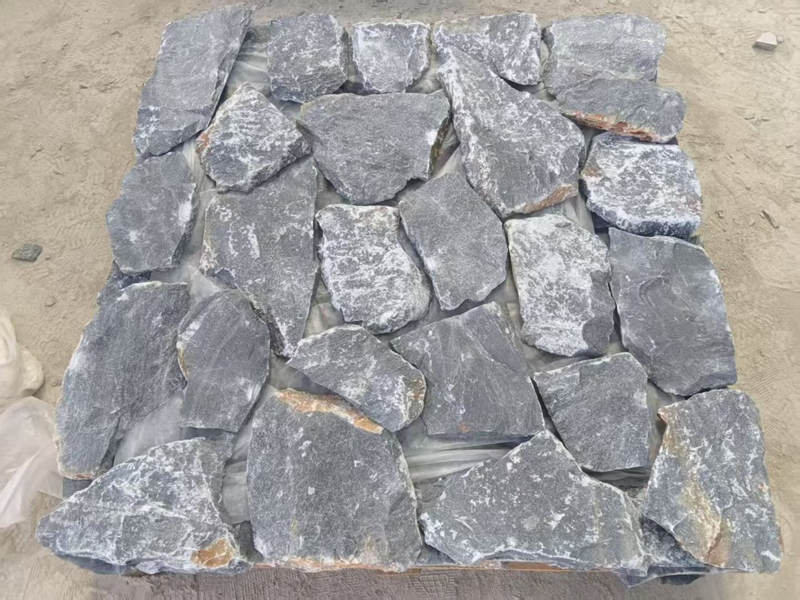
Dealing with Flashing Around Windows and Doors
Flashing is no longer a minor detail but the critical interface that defines the performance and longevity of a stone-clad building envelope.
Windows and doors are the most vulnerable points in any exterior wall. For a stone veneer facade, improper flashing at these penetrations is the single most common cause of water intrusion, structural rot, and costly callbacks. The industry has moved beyond simple metal drip caps to integrated systems that manage air, water, and thermal bridging as a unified component. Getting this right is non-negotiable for a durable, high-performance installation.
The Shift to Integrated Flashing Systems
The old approach of tacking on a piece of bent metal is obsolete. Today, flashing is a high-performance system. It’s a primary component of the air and water barrier, designed to work seamlessly with the WRB, drainage plane, and stone veneer itself. This shift is driven by stricter energy codes that demand airtightness and by a market that can’t afford the litigation and warranty claims from water damage.
We now treat every window and door opening as a mini-roof. The goal is to direct water away from the structure, not just deflect it. This systemic view means coordinating the flashing with the WRB layers, the weep screed at the base, and the stone’s drainage cavity. The performance demand isn’t just about stopping leaks; it’s about managing vapor drive, thermal bridging, and long-term resilience against climate extremes.
Key Flashing Material and Method Innovations
Material science has transformed flashing. Self-adhered, peel-and-stick membranes have largely replaced felt and tar paper for sill pans and head flashings. They create a continuous, monolithic seal that bonds directly to the sheathing or WRB, eliminating the reliance on sealant at seams. For complex geometries around arched windows or irregular stone reveals, liquid-applied flashing can be brushed or rolled on, conforming perfectly to any shape.
Pre-formed components are another game-changer. Factory-made sill pans and corner boots remove guesswork and installer error. They come with integrated end dams and are designed to specific window dimensions, ensuring code-compliant geometry every time. These aren’t just convenience items; they’re risk-mitigation tools that standardize the most error-prone parts of the installation.
Critical Integration with Stone Veneer Systems
Flashing a stone veneer wall isn’t the same as flashing siding or stucco. The mass and drainage characteristics of stone demand specific detailing. The cardinal rule: flashing must always direct water *out and over* the water-resistive barrier (WRB), never behind it. This is especially critical at sills. A pre-formed or membrane sill pan must be sloped outward, with its front edge extending beyond the face of the stone to act as a drip edge.
Integration with the wall’s drainage plane is paramount. The flashing at the head of a window must tie into the WRB and be shingled to shed water. At the sides, step flashing is interwoven with the WRB and the stone’s lath system. Most importantly, all flashing must terminate into or above the weep screed at the base of the wall. This creates a continuous drainage path, ensuring any moisture that penetrates the stone or migrates behind it has a clear, unobstructed route out of the assembly.
Application Trends in Multi-Family and Commercial Projects
Large-scale projects have zero tolerance for failure. This is where integrated flashing systems see the fastest adoption. Developers and architects specify them not as an option, but as a baseline requirement. The driver is systemic risk reduction. A single leak in a 200-unit condo can lead to millions in repairs and litigation. Integrated systems, backed by manufacturer warranties and consistent installation protocols, provide the documented performance and durability these projects require.
Speed and consistency are equally critical. Pre-fabricated flashing kits that match window schedules allow for faster, more predictable installation. This reduces labor costs and prevents schedule delays from weather or rework. For commercial facades mixing stone with other materials like metal panels or curtain walls, these engineered flashing solutions are the only way to manage the complex transitions and maintain continuous performance across the entire building envelope.
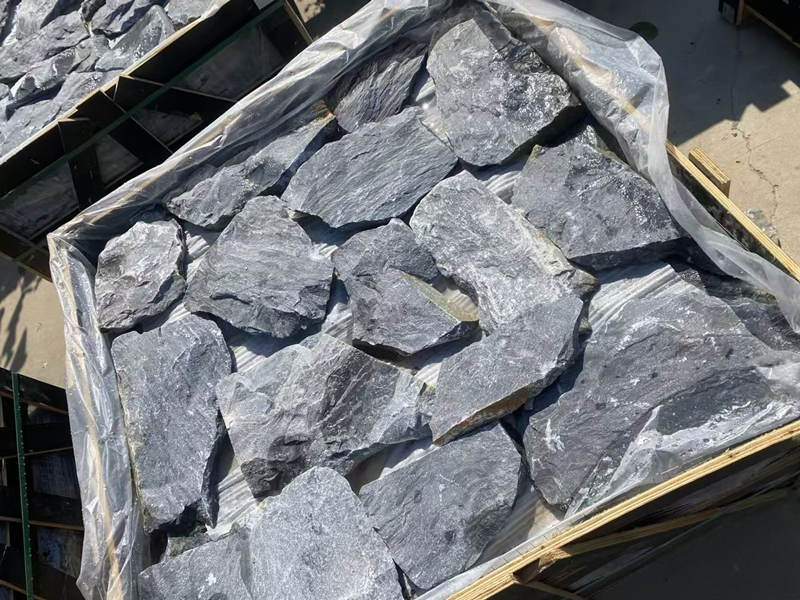
Protecting Natural Stone from Winter Freeze-Thaw Cycles
Freeze-thaw damage in stone veneer is almost never about the stone failing, but about water management failing; the assembly must be designed to drain, dry, and keep the stone from becoming a saturated reservoir.
The primary threat to exterior stone in cold climates isn’t the cold itself, but the water that gets behind or within the cladding. When this water freezes, it expands with immense force, leading to spalling, cracked mortar, and delamination. Modern best practice shifts the focus from just picking a durable stone to engineering the entire wall assembly for resilience. This means integrating material selection with meticulous detailing for drainage and vapor management, backed by proactive maintenance. The goal is to control moisture at every point—selection, design, installation, and upkeep—to ensure a facade lasts for decades without costly repairs.
Selecting Stone for Freeze-Thaw Resistance
Your first line of defense is the stone itself. Not all natural stone performs equally under repeated freezing and thawing. The critical factor is water absorption. Stones with low porosity and high density absorb minimal water, leaving little to expand and cause internal micro-fractures. Dense quartzites and granites are typically top performers. Conversely, more porous limestones or sandstones can be vulnerable unless they are specifically proven for exterior use.
Don’t rely on appearance or general claims. Specify stone that has undergone standardized freeze-thaw testing, such as ASTM C666 or C67. This verifies the material’s durability in a laboratory setting that simulates harsh conditions. For B2B sourcing, this is non-negotiable. It provides a quantifiable metric for performance and shifts liability away from assumptions. Always request and document the test reports from your supplier to ensure the stone is rated for your project’s specific climate zone.
Detailing for Drainage and Vapor Management
Selecting the right stone is pointless if the wall traps water behind it. The assembly must be designed to shed water and dry out. This starts with a continuous water-resistive barrier (WRB) as your primary defense. On high-performance projects, especially in coastal or high-rain regions, a two-layer WRB system is becoming standard for added redundancy. This primary layer must be meticulously integrated with all flashings at windows, doors, and roof intersections.
The next critical layer is the drainage plane. A dedicated air gap—created by a drainage mat or entangled mesh—is installed over the WRB. This gap allows any incidental moisture that penetrates the stone and mortar to drain down by gravity. At the base of the wall, this moisture must have a clear exit, which is the function of a properly installed weep screed. The WRB and drainage mat must lap *over* the vertical leg of the screed, directing water out through the weep holes, not into the structure. This combination of WRB, air gap, and weep screed forms a rainscreen principle that manages bulk water and allows the cavity to ventilate and dry.
Applying and Maintaining Protective Sealers
A breathable, penetrating sealer acts as the final surface defense for the stone. Its job is not to create a waterproof plastic film, but to repel liquid water while allowing water vapor to pass through. This reduces the amount of water the stone absorbs during a rainstorm or snowmelt, directly lowering the risk of freeze-thaw damage within the stone itself. Using a non-breathable film-forming sealer can trap moisture behind the sealer, leading to sub-surface spalling and efflorescence.
Application is as important as product selection. The stone surface must be completely clean and dry. Follow the manufacturer’s instructions for coverage, method (brush, roller, spray), and cure time. Crucially, sealers are not permanent. UV exposure and weathering degrade their effectiveness over time. Establish a maintenance schedule for inspection and reapplication, typically every 3 to 5 years, to ensure continuous protection. This is a key part of the product’s lifecycle durability that should be communicated to the end client.
| Stone Type | Freeze-Thaw Performance | Top Source Stone Application |
|---|---|---|
| Quartzite (e.g., Ice White, Blue Quartzite) | Excellent. Very low porosity and high density make it inherently resistant to water absorption and freeze-thaw cycles. | Ideal for severe climates. Our high-density quartzite integrity and climate-tested durability ensure long-term performance in freeze-thaw zones. |
| Granite | Excellent. Similar to quartzite, granite is a dense, low-absorption igneous rock. | A premium choice for demanding exterior applications. Offers superior full-depth visual integrity and structural resilience. |
| Sandstone (e.g., Ivory Sandstone) | Variable. Performance depends heavily on density and composition. Requires verification via ASTM testing. | Select varieties are suitable. We provide quarry-to-project consistency and test data to confirm suitability for specific exterior, cold-climate projects. |
| Limestone | Good to Poor. Highly porous varieties are susceptible. Only specify if proven for exterior freeze-thaw exposure. | Use with caution. We recommend detailed substrate waterproofing and a breathable sealer system when used in moderate climates. |
Proactive Inspection and Joint Maintenance
Even a perfectly installed system requires oversight. The most common points of failure in a freeze-thaw environment are the mortar joints and sealants. Annual inspections, ideally in the spring after the thaw cycle, are essential. Look for hairline cracks in mortar, failed or shrunken sealant at perimeter joints (windows, doors, corners), and any signs of spalling or flaking on the stone surface. These are early warnings that water is penetrating and becoming trapped.
Address issues immediately. Repair cracked mortar with a polymer-modified, freeze-thaw resistant mortar mix. Replace failed perimeter sealants with a high-quality, flexible urethane or silicone sealant compatible with both stone and the adjacent material. Equally important is maintaining the drainage system. Ensure weep holes at the base of the wall and any ventilation openings at the top are clear of debris, mortar droppings, or insect nests. This simple maintenance preserves the wall’s ability to dry itself out, which is its best defense against the destructive cycle of freezing and thawing.
Conclusion
A weather-resistant exterior stone wall is a system, not just a finish. By focusing on core steps—installing a robust WRB, integrating weep screeds for drainage, and meticulously flashing penetrations—you build a wall that actively manages moisture. This protects the lightweight, high-density natural stone from freeze-thaw damage, ensuring the installation’s durability and aesthetic integrity for years to come.
For builders and contractors seeking a reliable source of authentic, quarry-consistent thin stone veneer for their next project, Top Source Stone provides a direct manufacturer partnership. You can explore our core inventory of climate-tested stones and detailed specifications on our official website.
Frequently Asked Questions
Can thin stone veneer be used outside?
Yes, thin stone veneer is engineered and widely used for exterior applications. Modern systems are designed as part of a complete weather-resistant wall assembly, incorporating drainage planes, air barriers, and proper flashing to ensure long-term durability and performance.
Does exterior stone veneer need a vapor barrier?
Exterior stone veneer requires a comprehensive air and moisture barrier system, not just a simple vapor barrier. The assembly must include a continuous water-resistive barrier (WRB) to manage bulk water, while the need for a specific vapor retarder depends on the local climate and the wall’s overall design to control condensation.
How to waterproof behind thin stone veneer?
Waterproofing is achieved by installing a continuous, code-approved water-resistive barrier (WRB) like housewrap or fluid-applied membrane over the sheathing. This is integrated with a drainage cavity (air gap) behind the veneer and detailed flashing at all penetrations and terminations to direct any incidental water out and away from the structure.
What is a weep screed for stone veneer?
A weep screed is a critical flashing component installed at the base of a stone veneer wall. It serves two primary functions: it provides a termination point for the water-resistive barrier and the drainage plane, and it contains regularly spaced openings (weeps) that allow any moisture that enters the cavity to safely drain to the exterior.
How does thin stone veneer handle freezing weather?
Properly installed thin stone veneer handles freezing weather exceptionally well when integrated into a drained and back-ventilated rainscreen assembly. The key is preventing water ingress and trapping. The drainage cavity allows any moisture that penetrates the veneer to quickly drain and dry, eliminating the risk of freeze-thaw damage within the wall structure. The stone itself is also typically rated for freeze-thaw cycles.
SEO
Title: Thin Stone Veneer Exterior Siding: Weatherproofing and Prep
Description: Exterior stone veneer installation requires a dual-layer WRB and drainage cavity. As a direct factory, we provide quarry-consistent, sawn-back loose stone for B2B wholesale. MOQ 300m².
URL: exterior-stone-veneer-installation-guide
Keywords: exterior stone veneer installation
