

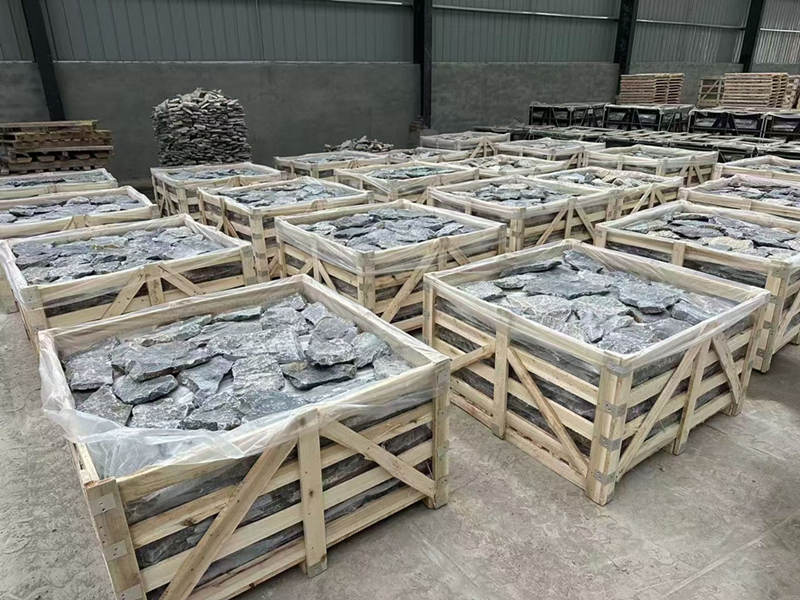
Grouting ledgestone dictates the long-term moisture resistance of a building envelope and prevents the structural degradation that leads to expensive masonry warranty claims. Architects and contractors face a recurring conflict between the desired dry-stack aesthetic and the technical necessity of sealing irregular stone joints against freeze-thaw cycles. Failure to account for these environmental stressors during the design phase compromises the integrity of the substrate and increases the risk of stone delamination.
This technical SOP defines the specific conditions where mortar application becomes a requirement for exterior durability rather than a stylistic choice. We evaluate the challenges of cleaning mortar from highly irregular stone profiles and offer precise methods for pointing gaps without ruining the natural stone face. Following these guidelines allows project teams to achieve a professional dry-stack look while maintaining the moisture protection necessary for high-exposure environments.
The Intended Design: The Mortarless Dry-Stack Look
Achieving an authentic dry-stack aesthetic requires tight stone-to-stone contact and precision-sawn backing to eliminate the “grid” appearance common in lower-grade panelized systems.
Visual Continuity Without Grout Lines
Top Source Stone engineering focuses on a seamless transition between natural stone pieces to replicate traditional dry-stone masonry. We utilize a bespoke random-lay pattern where each loose stone fits tightly against its neighbor, removing the visual interruption of mortar. This technique highlights the zero-repeat natural variation and raw mineral textures found in high-density quartzite and sandstone.
Precision-sawn backs provide a flat bonding surface that ensures maximum adhesion for individual hand-laid installations. By eliminating grout, the design creates the appearance of a single, massive wall structure. This approach avoids the repetitive patterns seen in factory panels and ensures that every feature wall remains a unique architectural statement.
Deep Texture and Dimensional Shadows
Stacking stones without mortar creates depth that enhances architectural impact. Natural split-face stones feature varying thicknesses, strictly maintained between 25mm and 40mm, which creates dramatic shadow lines across the surface. Dry-stacking allows individual stones to protrude and recede naturally, providing a 3D effect that grout would otherwise flatten.
This high-relief aesthetic suits both rustic mountain projects and modern minimalist designs by highlighting raw material authenticity. The full-depth visual integrity, combined with our matching L-shaped corner wraps, makes the finished project indistinguishable from traditional, heavy dry-stack stone walls.
Structural Simplicity and Weight Advantages
The mortarless look is achieved through a lightweight loose stone system that bypasses the heavy requirements of traditional full-bed masonry. With weights averaging 65kg/m², most 2026 residential and commercial projects require no additional footings or structural ledges. This significantly reduces site preparation time and associated labor costs.
The 100% sawn-back finish reduces on-site labor by up to 30%, as installers no longer need to manually shape the back of each stone for a secure bond. High-density quartzite integrity ensures the stone remains resistant to moisture and staining, offering a lifetime of color fastness. The system provides the heavy aesthetic of full-thickness stone without the structural expense or the labor-intensive pointing required in grouted installations.
The Challenge of Grouting Highly Irregular Stone Profiles
Grouting irregular ledgestone often destroys the intended shadow-play and natural texture, turning a premium masonry feature into a muddied, high-maintenance surface.
Deep Textural Recesses and Varied Depths
Installers working with the Rough Series encounter extreme dimensional variations where natural split faces range from 1 to 1.75 inches in depth. These aggressive profiles create natural catch-points for cementitious material. Deep shadows and crevices trap excess mortar during the installation process, making it nearly impossible to wipe the surface clean without leaving residue behind.
| Technical Variable | Standard Masonry | Irregular Ledgestone |
|---|---|---|
| Profile Depth Variation | Minimal (<0.25″) | Aggressive (1.0″ – 1.75″) |
| Cleanup Complexity | Low (Standard Wipe) | High (Manual Detail) |
| Finishing Tools | Standard Striking Iron | Custom Hand Brushing |
- Inconsistent stone heights prevent standard joint-striking tools from achieving a uniform finish across the wall.
- Rugged surface profiles increase the labor required for manual cleanup compared to flat tiles or smooth-cut stone.
Surface Porosity and Grout Haze Retention
The authentic, unpolished texture of slate and quartzite naturally clings to cementitious materials. Porous stone faces absorb grout pigments quickly, which often leads to permanent surface staining if the installer does not use a pre-sealer. This chemical bond creates a “haze” that dulls the natural mineral sparkle of the stone.
- Rough textures shred cleaning sponges and leave behind synthetic debris that ruins the stone’s organic appearance.
- Removing dried residue from irregular profiles requires specialized acids or chemicals that may damage the natural stone seal.
Preservation of the Interlocking Z-Shape Aesthetic
Traditional grouting techniques frequently obscure the precision engineering of interlocking panel systems. Grout fills the tight-fitting seams designed to create a seamless, mortarless dry-stack look. When these seams disappear under a layer of mortar, the wall loses the architectural depth that defines high-end masonry in 2026 design trends.
- Heavy mortar application masks the natural shadows that provide visual weight to the installation.
- Excessive grout creates artificial visual breaks in the continuous flow of the 6” x 24” panel format.
Premium Natural Stone for Architectural Excellence

When to Use Grout: Exterior High-Moisture Environments
In high-humidity outdoor environments, the focus of stone installation shifts from pure aesthetics to rigorous structural protection. Establishing a multi-layered physical barrier is the only way to ensure the building’s longevity.
Application of Moisture Barriers and Flashing Systems
Stacked stone veneer systems in exterior or high-moisture areas cannot achieve complete waterproofing. Moisture will seep through the gaps between natural stones; without effective guidance, this water will directly corrode the building structure. We require the installation of a Weather-Resistant Barrier (WRB) before mounting, which completely blocks moisture from penetrating inward. Simultaneously, we use precision-installed flashing systems to channel surface water away. This multi-layered protective structure complies with the latest 2026 construction safety standards for extreme humidity environments.
| Key Protective Parameters | Standard Dry-Stack Installation | High-Moisture Environment Enhanced Specs |
|---|---|---|
| Moisture Management | Relies on stone tightness for natural drainage | Mandatory WRB + Guided Flashing |
| Sealing Treatment | Optional / Recommended | Must use premium natural stone sealer |
| Substrate Requirement | Standard cementitious surface | Reinforced concrete/Cement board (Strictly prohibit gypsum board) |
Sealing Protection for Outdoor Environments
Sealing is the core of maintaining the durability of natural stone in damp conditions. Although the natural stone provided by Top Source Stone possesses extremely high mineral density, we still recommend applying a high-permeability sealer after the panels are installed if they face long-term rain or spray environments. The sealing layer significantly reduces the stone’s water absorption rate, preventing the growth of mold and moss at the source, while making subsequent routine cleaning much easier. This protective measure effectively combats surface erosion caused by long-term climate fluctuations.
Substrate Material Selection for Wet Areas
The chemical and physical stability of the substrate material directly determines the adhesion lifespan. We strictly prohibit the direct use of gypsum board (drywall) in humid or open-air areas, as the substrate will soften once it absorbs moisture, eventually leading to the total detachment of the stone. We require the use of cement board, red brick, or concrete as the installation substrate. When paired with our recommended high-strength epoxy adhesives, these sturdy substrates form a permanent mechanical bond with our 100% Sawn-Back stone, ensuring zero project failures.
The Smear Effect: Why Grouting Ledgestone is Messy
Grouting natural ledgestone often destroys the intended aesthetic by trapping mortar in deep surface clefts and staining porous mineral faces beyond repair.
Deep Textures Trap Mortar Particles
Natural split stone profiles feature relief depths reaching 1.75 inches. These high-dimensional surfaces act as physical traps for wet material during the installation process. Once mortar settles into these low points, standard masonry cleaning tools cannot reach the residue without disrupting the surrounding joints.
Installers often attempt to scrub these recesses, but aggressive mechanical action typically forces wet cementitious material deeper into the stone grain. This results in a persistent visual haze that obscures the natural color of the slate or quartzite, leaving a muddy finish that detracts from the stone’s premium texture.
Natural Stone Porosity and Pigment Staining
Unlike manufactured concrete alternatives, genuine slate, quartzite, and marble possess inherent porosity. During the grouting process, the water within the mortar carries fine pigment particulates directly into the stone’s capillary structure. This creates a permanent “shadow” effect along the edges of each piece that standard cleanup procedures cannot remove.
These embedded pigments bond at a microscopic level. Attempting to use harsh acid washes to clear the staining often reacts poorly with the minerals, leading to irreversible surface degradation. Maintaining the high-density quartzite integrity requires keeping the face clear of cementitious binders entirely.
Surface Irregularity Prevents Uniform Cleanup
The bespoke, random-lay nature of loose thin stone veneer creates a jagged, non-planar surface. Traditional rubber grout floats require a flat plane to strip excess material; on natural ledgestone, they skip over gaps and leave thick residue on the high points of the stone face. This makes achieving a clean, professional look on a 2026 project site nearly impossible with traditional grouting methods.
Cleaning sponges also struggle with this geometry, failing to maintain consistent contact with the recessed areas. Excess water used to mitigate the resulting smears can migrate behind the stones, potentially weakening the bond of the high-strength epoxy adhesive. Sawn-back stones are engineered for a tight, dry-stack fit to avoid these technical complications.
Alternatives: Pointing Only the Widest Gaps
Selective pointing secures the structural integrity of irregular stone claddings while preserving the deep shadow lines essential for an authentic dry-stack aesthetic.
Selective Spot Pointing for Structural Stability
Installers focus mortar application only on the deepest recesses to secure individual stones. We apply high-strength epoxy adhesives to fill significant voids between irregular stone edges, ensuring every piece remains locked in place. This targeted approach prevents debris buildup in 2026 exterior installations without the need to cover the stone face with excess material. Precision pointing maintains the dramatic shadow lines characteristic of the loose stone series, providing a rugged, high-contrast look that mimics traditional fieldstone masonry.
Recessed Joint Sealing for Moisture Control
We use specialized sealants within large gaps to manage water runoff in high-moisture environments. Integrating color-matched stone sealers into wide joints protects the substrate from direct water penetration while avoiding the mess of full grouting. These pH-neutral sealers guard against UV-related fading and staining over decades of use. Strategic sealing supports the specific drainage requirements for outdoor facades, particularly in climates prone to heavy precipitation or freeze-thaw cycles.
| Performance Metric | Standard Full Grout | Selective Spot Pointing |
|---|---|---|
| Visual Depth | Flat, uniform surface | Preserved shadow lines |
| Moisture Risk | Surface trapping | Recessed drainage paths |
| Face Integrity | High smear potential | Zero-smear finish |
Bespoke Hand-Laid Precision
A bespoke random-lay pattern minimizes the frequency of wide gaps that require manual filling. We provide individual loose stones with a 100% sawn-back finish, ensuring a flat bonding surface that allows for tighter stone placement than traditional rough-back alternatives. This precision-cut back reduces on-site labor costs by 30% while maintaining the organic texture of a hand-laid wall. Authentic masonry corner wraps further eliminate the need for miter cuts or pointing at structural edges, delivering full-depth visual integrity for high-end B2B architectural projects.
Conclusion
Selecting the appropriate installation method for thin stone veneer protects the long-term structural integrity and visual appeal of the masonry. Precise moisture management in outdoor settings prevents water infiltration damage, and a methodical dry-stack technique maintains the authentic texture of the natural material. Professional masons prioritize these details to ensure every wall meets high standards for durability and craftsmanship.
Contact our technical team to request a physical sample or a copy of the current Top Source Stone product manual. Our specialists provide the data needed to select the right materials for upcoming architectural specifications.
Frequently Asked Questions
Should you grout natural ledgestone veneer?
Natural ledgestone is intentionally designed for a dry-stack appearance, meaning you typically do not grout the joints. The goal is to highlight the natural textures and varied depths of the stone. While the stones are set into a mortar bed on the substrate for adhesion, adding grout between the individual pieces can detract from the rugged, linear aesthetic that defines this style.
Can you dry stack ledgestone outdoors?
Yes, dry-stacking ledgestone outdoors is a standard practice for residential exteriors, outdoor kitchens, and retaining walls. When installing outdoors without grout, it is imperative to use a high-quality weather-resistant barrier (WRB) and a drainage mat behind the stone to ensure that moisture does not penetrate the structure’s substrate.
How to clean mortar off ledgestone faces?
To clean mortar off ledgestone faces, wait until the mortar is semi-dry and “crumbly,” then use a stiff nylon brush to flick it away. If the mortar has fully hardened, use a mixture of water and a mild masonry detergent or a specialized stone cleaner. Avoid using metal wire brushes or high-pressure power washers, as these can damage the stone’s surface or cause oxidation.
What happens if you don’t grout stone veneer?
If you don’t grout stone veneer, you create a “dry-stack” look where the focal point is the stone itself rather than the mortar lines. Technically, this leaves small gaps where water can enter; therefore, the installation relies entirely on the waterproofing layer and the mortar bond behind the stone to protect the wall from moisture infiltration and freeze-thaw cycles.
Dry stack vs grouted stone veneer?
Dry stack stone veneer provides a modern, clean, and textured look with no visible mortar joints, emphasizing the stone’s natural shape. Grouted stone veneer uses mortar to fill the spaces between stones, offering a more traditional “masonry” appearance. Grouting can provide better structural protection against water in certain climates but requires significantly more labor during the installation process.
