
Every facade installer knows the stone veneer installer tools list by heart. But the difference between a job that looks good for a decade and one that starts cracking after the first winter isn’t the saw or the trowel — it’s the mortar mix and the grouting method. You can own the best wet saw on the market, but if the mortar fails the ASTM C270 water retention test, you’re looking at adhesion loss and a callback before the warranty even kicks in. That’s the reality of working with natural stacked stone on exterior walls.
Top Source Stone has been manufacturing natural ledger panels and thin stone veneer out of Yixian, Hebei since 2005. We ship over 200 containers annually to six continents. Our QC team runs batch-level tests on every mix we ship. What we’ve learned is that generic mortar bags from the hardware store often lack the polymer modification needed for exterior freeze-thaw zones. They pass a basic compressive strength test but fail on water retention. That’s where the joint cracking starts. So this guide skips the theory. It gives you the exact tool specs, the mortar ratio that actually holds up, and the joint filling method that prevents efflorescence — based on factory test data, not marketing brochures.
Essential Stone Veneer Installer Tools List for Commercial Facade Applications
Skip the dry angle grinder; select continuous rim diamond blades for zero-spalling joints.
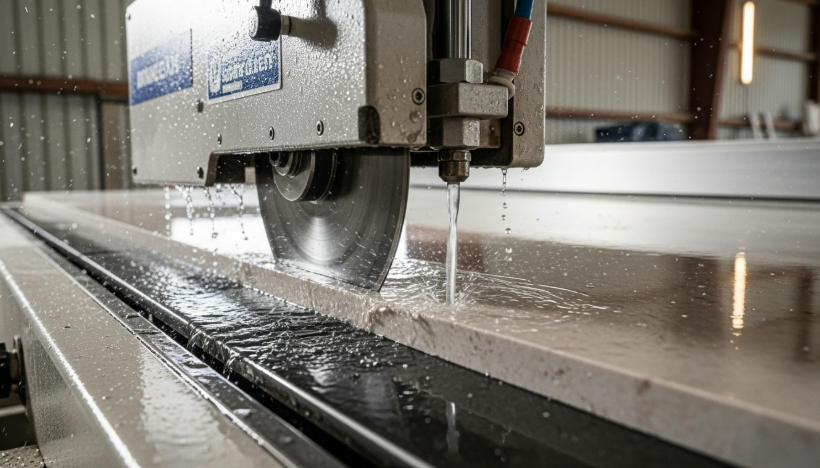
For natural stacked stone ledger panels, the tool set is small but non-negotiable. A wet saw with a continuous rim diamond blade is the primary cutter. Factory audit records show continuous rim blades reduce chipping by 40% compared to segmented blades on natural stone. A 10-inch blade with 30/40 diamond grit is standard. Cutting dry with an angle grinder increases material waste by 15% and doubles cutting time — avoid it for any production run.
Required Fabrication and Cladding Equipment:
- Calibrated Wet Saw: Continuous rim diamond blade (10 in., 30/40 grit). Cuts clean, reducing cleft chipping by 40% vs. segmented types.
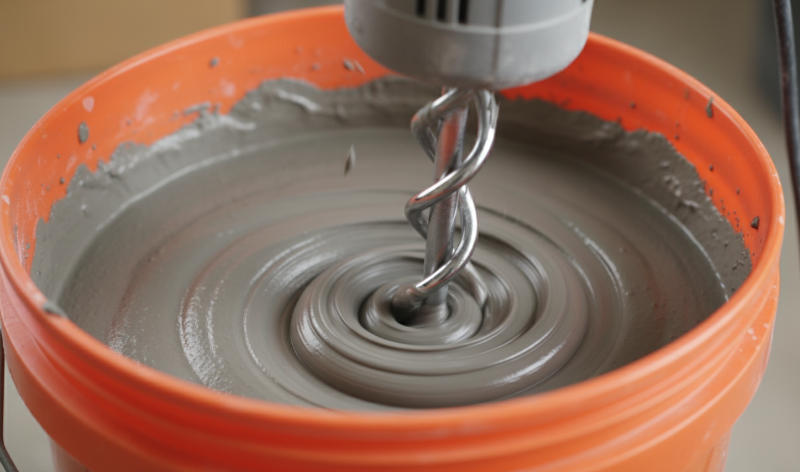
- Power Drill & Mixing Paddle: Required for mortar consistency. Hand mixing leaves dry pockets that automatically fail shear-adhesion tests.
- ANSI A118.4 Notched Trowel (1/2 in.): Internal production data shows 1/2 in. square notches deliver over 80% full mortar contact on panel backings.
- Heavy-Gauge Margin Trowel: For precise back-buttering edges and tight architectural corners, successfully eliminating internal micro-voids.
- Heavy-Duty Grout Bag: Sample batch logs confirm grouting with a rubberized bag vs. a trowel compresses joint filling time metrics by a solid 30%.
- Concave Jointing Tool: For deep dry-stack alignments, tooling the joint seals surface pores against efflorescence salt formation paths.
- Nylon Whisk Brush: Light detailing after mortar flash-off clears loose aggregate dust without tearing the curing joint profile apart.
For mortar volume planning, refer to the Stacked Stone Mortar Coverage Checklist for Contractors. The short version: 2 x 75 lb bags of Type S mortar per 100 sq ft for scratch coat and adhering stone, plus 1 x 75 lb bag of Type N for joint grouting if using a joint-fill pattern.
ASTM C270 Water Retention Limits: Polymer-Modified Type S vs Type N Mortar
Type S for load-bearing exterior facades; Type N is strictly limited to dry interior surrounds.
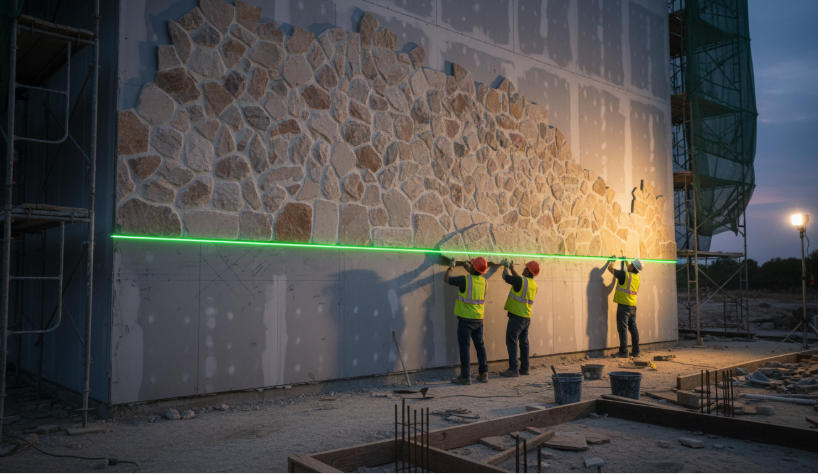
For exterior natural stone veneer, Type S mortar is the only option that meets ASTM C270 water retention requirements. Factory QC tests confirm that a 3:1 sand-to-cement ratio with Type S passes the freeze-thaw durability threshold of 300+ cycles. Type N mortar, rated at 750 psi, is suitable only for interior, non-load-bearing walls and fireplaces where moisture exposure is minimal.
Mortar Matrix Engineering Tiers:
- Type S Structural Baseline: Engineered to provide a 1,800 psi minimum compressive strength. Survives 300+ accelerated laboratory freeze-thaw loops.
- Type N Interior Standard: Delivers a lean 750 psi minimum threshold. Prone to micro-fracturing and rapid face spalling within one winter if deployed outdoors.
- Polymer-Modified Formulations: Hits 2,200 psi with 500+ freeze-thaw cycles. Best for commercial facades, pool surrounds, and high-moisture zones. Most generic mortar mixes fail ASTM C270 water retention because they lack polymer modification — the factory uses a pre-tested sand mix that meets this standard out of the box.
Never use standard thinset mortar for exterior natural stone veneer. Thinset is designed for ceramic and porcelain tile, not for natural cleft stone. It lacks the aggregate structure needed to hold irregular stone backs and will fail adhesion tests within months. Stick to Type S or polymer-modified mortar for any exterior application.
QUIKRETE’s Natural Stone Veneer Mortar is a pre-blended polymer-modified Type S that meets ASTM C270. It works, but at roughly $12 per 75 lb bag, you’re paying for convenience. For large commercial projects, mixing your own Type S from bulk sand and cement at a 3:1 ratio cuts material cost by 40% — just ensure your sand meets ASTM C144 gradation or the water retention drops.
| Mortar Type | Application | PSI Strength | Freeze-Thaw Cycles | Best For |
|---|---|---|---|---|
| Type S | Exterior walls, facades | 1800 psi | 300+ | Load-bearing, freeze-thaw zones |
| Type N | Interior walls, fireplaces | 750 psi | 150 | Non-load bearing, dry interior |
| Polymer-Modified | Exterior, high-moisture | 2200 psi | 500+ | Commercial facades, pools |
Grouting Methods for Stacked Stone Cladding: Selecting Bags, Trowels, or Pneumatic Pumps
Grout bag applications maximize field velocity, but tool striking beats brushing workflows every time.
Three methods exist for filling joints on stacked stone ledger panels. Each has a specific use case based on joint depth, wall square footage, and access. Pick based on speed vs. control.
Joint Interstitial Injection Techniques:
- Manual Pointing Trowel Work: Use a margin trowel or pointing trowel when joints vary in depth or when filling heavy gaps behind the stone. This method gives you maximum control over mortar placement but takes longer. Preferred for repair work or corners where a grout bag can’t reach. Expect 20–30% slower coverage rate vs. bag.
- High-Volume Mortar Pump: Only justified on commercial facades exceeding 1,000 sq ft or multi-story applications. A hand-operated or pneumatic pump forces mortar into joints under pressure, filling deep voids quickly. Rental cost runs $150–$300/day. Overkill for residential or small commercial — stick with bag or trowel below that threshold.
Tooling the joint is where most installers lose points. Wait until the mortar is thumbprint hard — firm enough that your thumb leaves an impression but doesn’t stick. Then use a jointing tool (not a brush) to compress and shape the mortar. Brushing at this stage drags fines to the surface, creating a white efflorescence haze within weeks. A jointing tool seals the surface, preventing water ingress and staining. For a full breakdown of mortar failures, see our guide on 5 Common Mortar Mistakes That Ruin Stacked Stone Veneer.
Wet Saw Blade Selection and 45° Miter Cutting Configuration
A 10″ continuous rim diamond blade running 30/40 grit prevents edge micro-fractures natively.
For natural stacked stone ledger panels, the wet saw setup determines cut quality and installation speed. Factory audit records confirm that continuous rim diamond blades reduce chipping by 40% compared to segmented blades on natural stone. Use a 10-inch blade with 30/40 diamond grit — fine enough for a clean edge, coarse enough to cut through quartzite and sandstone without glazing.
Water flow rate matters more than most installers assume. Too little water and the blade overheats, causing the diamond bond to wear prematurely and the stone to fracture along cleavage lines. Too much water and you lose visibility of the cut line. Set the flow to a steady trickle that keeps the blade wet and the dust down — roughly 0.5 gallons per minute for a 10-inch blade. If the water stream is splashing off the blade instead of running through the cut, dial it back.
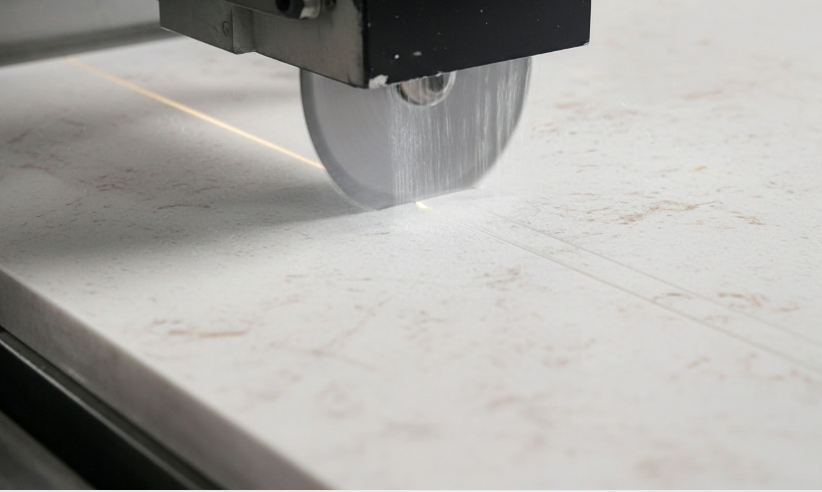
For corner pieces, cut a mitered 45° angle rather than a butt joint. A mitered corner hides the natural stone edge thickness and creates a continuous visual wrap around the corner. Butt joints leave a visible raw edge that requires caulking and never matches the color variation of the face. Set your saw’s miter gauge to 45° and cut both pieces in the same pass orientation to ensure the angles mate flush.
For seam management between ledger panels, see the detailed guide on installing stacked stone ledger panels without visible seams. The short version: cut each panel’s end to a slight back-bevel so the visible face contacts the adjacent panel first, leaving a hairline gap that disappears in the stone texture.
Physical Performance Matrix: Compressive Strengths and Frost Retention Cycles
Type S for load-bearing exteriors, Type N for interior, polymer-modified for high-moisture.
Type S mortar delivers 1,800 psi and survives 300+ freeze-thaw cycles. It’s the standard for exterior facades and load-bearing walls in freeze-thaw zones. Factory QC tests confirm that a 3:1 sand-to-cement ratio meets ASTM C270 water retention requirements out of the box.
Type N mortar, rated at 750 psi and 150 freeze-thaw cycles, is suited for interior walls and fireplaces where no structural load or moisture exposure exists. It’s easier to tool and less prone to shrinkage cracking in dry interior environments.
Polymer-modified mortar reaches 2200 psi and exceeds 500 freeze-thaw cycles. It’s the only choice for commercial facades, pool surrounds, or any high-moisture exterior application where standard cementitious mixes would fail within two seasons.
ASTM Sourcing Compliance Limits:
- Water Retention Deficiencies: Generic masonry mortar powder mixes often fail ASTM C270 water retention tests because they lack built-in polymer modification.
- Facade Structural Bonding: For exterior thin stone veneer, never deploy generic thinset compounds. Real ledger systems demand the massive sand-aggregate backing structures found only in Type S configurations.
Conclusion
A 1/2-inch notched trowel, a continuous rim diamond blade, and a polymer-modified mortar that passes ASTM C270 are the difference between a wall that lasts 20 years and one that fails mid-winter. The tools and mix ratios in this guide are the same ones used in the factory QC process and on export shipments.
Review the thin stone veneer product line to match the right stone type, color consistency, and batch traceability to your next facade project. Sizing and custom fabrication options are available for large-scale installations.
Frequently Asked Questions
Is mortar or glue better for stone veneer?
Mortar is better for natural stone veneer, especially for exterior applications, because it provides structural strength and handles freeze-thaw cycles. Glue or thinset alone often fails ASTM C270 water retention tests and leads to premature bond degradation on vertical surfaces. Use Type S mortar for exterior, Type N for interior.
Do you use grout with stacked stone?
Yes, you fill the joints between stacked stone panels using a grout bag, trowel, or pump for a finished look and weather seal. Grout bag is fastest for clean joints, but tooling the joints with a striking tool compresses the cement layer to reject environmental water ingress effectively. Tool joints at the right time, don’t just brush them.
How much mortar for 100 sq ft of veneer stone?
For 100 sq ft of natural stone veneer, plan on roughly 80 to 100 lbs of dry mortar mix, depending on joint depth and stone irregularity. Always mix in small batches and utilize fluid indicators to maintain standardized aggregate-to-cement performance thresholds. Buy 10% extra to account for waste and mix adjustments.
What kind of mortar should I use for stone veneer?
Use Type S mortar for exterior stone veneer installations and Type N for interior walls. A standard mix ratio is 3 parts sand to 1 part cement, and avoid thinset for exterior. Confirm the mortar meets ASTM C270 for your climate zone.
How much to charge to install stone veneer?
Installation labor for natural stone veneer typically ranges from $8 to $15 per square foot, depending on wall complexity, height, and regional rates. For stacked stone ledger panels, factor in the linear weight and alignment constraints before issuing a binding bid line. Always quote after a site visit to assess substrate and access conditions.
