

stone veneer vs ledgestone is the first checkpoint buyers should lock before they approve a supplier, budget, or production slot. If you’ve been in the stone distribution game for more than a couple of seasons, you already know that the line between stone veneer and ledgestone isn’t just a design detail; it’s a margin decision. Every time you place a container order, you’re betting on which SKUs will turn quickly and which ones will sit. The problem is that most content out there treats this as a simple style comparison, leaving out the real calculus: inventory velocity, batch consistency, and supplier reliability. When a distributor asks about the stone veneer vs ledgestone difference, they’re really asking, “Which product earns me more per square foot, and how do I not get burned on the next container?”
Here’s the insight that changes the math: ledgestone typically commands 15-30% higher retail pricing per square foot than standard uniform stacked panels in North American markets. But it moves slower. The seasoned playbook I’ve seen work is a portfolio ratio of roughly 70% stacked stone to 30% ledgestone, unless your customer base skews heavily toward high-end architects or premium custom builders. The real edge isn’t just picking the right style; it’s locking in a supplier who gives you batch-to-batch color stability and breakage under 3%, both of which directly protect your gross margin per SKU. And that’s where factory-direct sourcing from a true quarry owner—not a broker—makes the difference between a smooth repeat order and a patchwork wall that triggers returns.
Style Distinctions: Ledgestone vs Stacked Stone
Most guides treat this as a design quiz. For a distributor, it is a portfolio allocation decision between SKU velocity and gross margin per square foot.
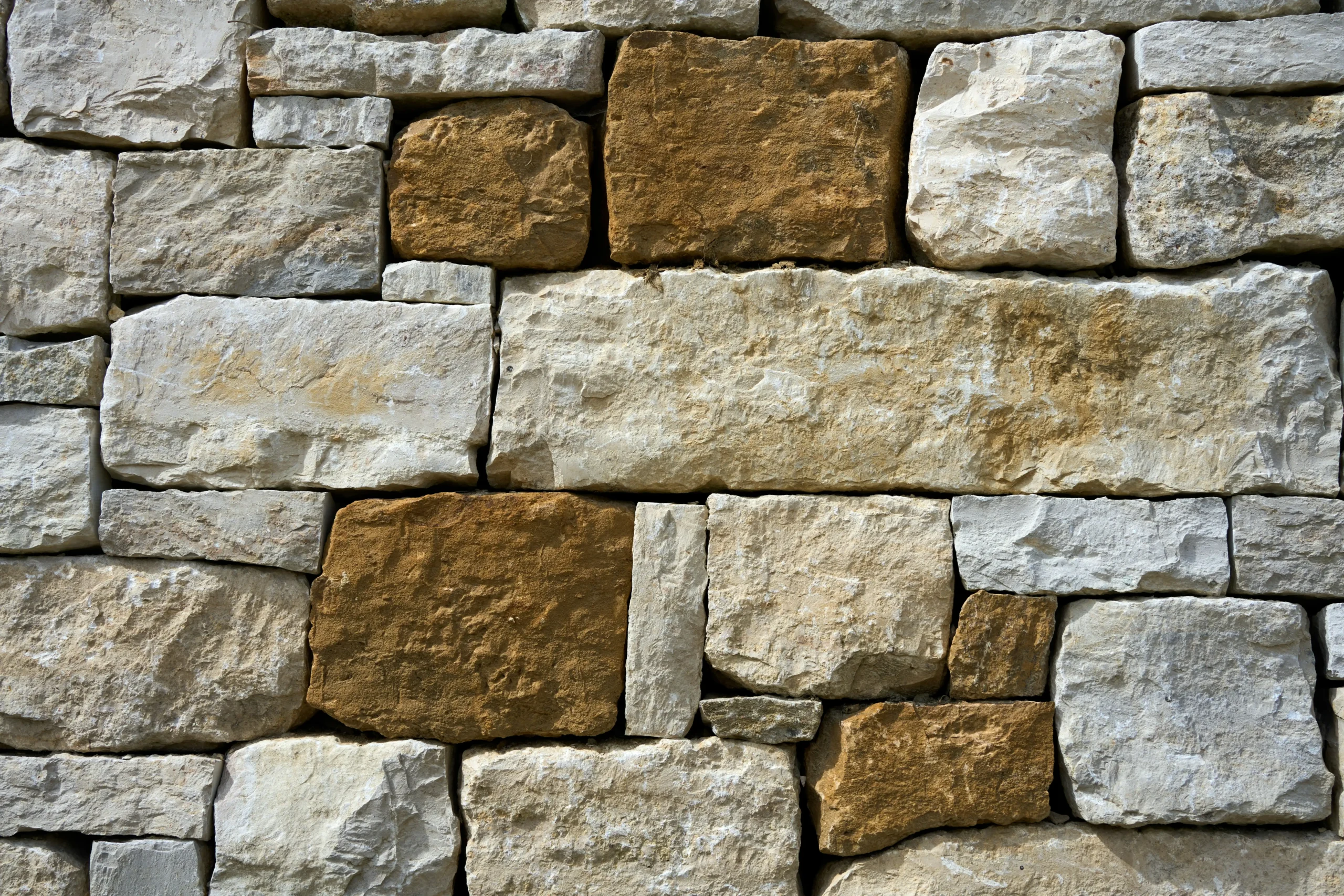
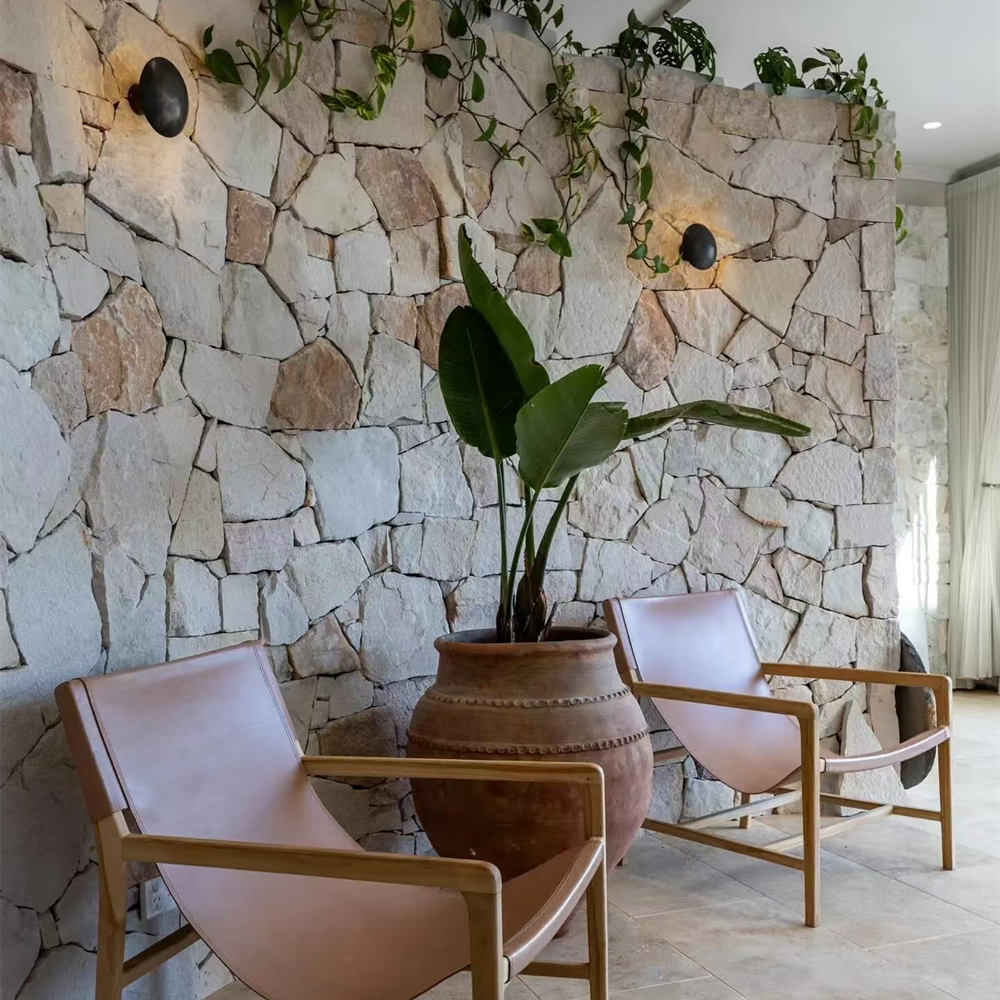
The terms “stone veneer” and “ledgestone” are not interchangeable in a purchasing context. Stone veneer is the umbrella category—any natural or manufactured stone cut thin (typically 1–1.5 inches thick) for wall cladding. Ledgestone is a specific sub-style within that category. It uses irregular, elongated pieces with varying depths to create a rugged, three-dimensional profile with deep shadow lines. The visible joints between pieces are intentional, implying a premium, hand-laid masonry look.
Stacked stone panels, by contrast, use uniform‑height strips laid in tight, horizontal lines with minimal mortar—a clean, linear modern look. This structural variation directly affects your inventory metrics: stacked stone panels ( 6×24 modular flats) turn quickly on spec-home builds but face heavy price competition. True ledgestone commands a 15–30% higher retail price per square foot because it has fewer competitors in most markets, defending your margins against commodity price wars.
Here is the detail most guides miss: the ledgestone style is naturally more forgiving of minor installation errors than uniform stacked panels. Because the surface depth is intentionally irregular, a 2mm variation in layout joint width does not create an obvious visual flaw. Fewer contractor complaints mean fewer margin-eroding service trips. That is a hidden after-sale advantage you can actively price into your sell sheet.
Sourcing Economics: Margins & MOQs
Margin Calculator (Per Box, 10 SQ FT): Factory-direct cost $9-$20 → North American wholesale market pricing $65+ → Average retail $85+. This yields a clear gross margin exceeding 60%.
The profit math for bulk buyers is straightforward. A single 20‑ft container holds 700–900 square meters, and our volume program allows mixing ledger and stacked styles within a single shipment. Sourcing direct from a Chinese factory owner lands your material cost at $9-$20 per 10 sq ft box. When compared to typical North American broker wholesale channels charging $65+ per box, your direct sourcing margin advantage effectively doubles.
To optimize cash flow and capture high-end architect specs without locking up capital, distributors must manage their portfolio ratio. Maintaining a 70:30 ratio of fast-turning stacked stone to premium ledger panels keeps your total inventory velocity high. Our MOQ baseline is one full container with mixed SKUs allowed, giving wholesale clients the flexibility to test new regional styles with zero inventory overcommitment risk.
Quality Consistency: Factory vs Broker Marks
Brokers who aggregate stone from unlinked quarries ship hidden batch-to-batch color drift. True quarry-direct sourcing eliminates this liability at the vein source.
The biggest hidden margin killer for stone distributors is batch color drift. Trading brokers who buy from multiple independent quarry lots often mix batches, resulting in a mismatched “patchwork wall” upon job site installation. Top Source Stone eliminates this risk by extracting raw blocks directly from our own Yixian quarry. Every single panel is cut, processed, and tracked with a batch-coded lot label at the factory gate.
This rigid control loop allows you to place repeat reorders months later and guarantee a 95%+ hue uniformity tested against ASTM C1799. Our automated multi-blade lines preserve a tight thickness tolerance of ±2 mm and compress weight parameters under 3.5 lbs/sq ft for lightweight ledger panels, bypassing the need for heavy structural reinforcement walls. Our compressive strength consistently exceeds 20 MPa, shifting project risks away from your reputation.
Logistical Edge: Packaging & Shipping
Industry average breakage for international stone shipments runs 5–8%. Our reinforced packaging framework keeps transit breakage strictly under 3%.
Breakage is a silent margin leak that eats directly into your bottom line. Cheap alternative packaging—such as basic thin cardboard or wrap missing interior dividers—will cost you 8–12% in fractured stone scrap during long trans-Pacific routes. We combat transit damage by implementing custom foam interleaving between every individual veneer panel and layering them inside reinforced, solid wood crates equipped with internal block bracing.
Our logistics pallets utilize standard 40×48-inch footprints for effortless warehouse forklift handling and are fully stackable to maximize vertical storage space. All crates are constructed from heat-treated lumber and stamped with ISPM-15 compliance marks, ensuring your shipments sail through customs without costly terminal delays. For ultimate freight efficiency, target an ideal payload of 22–24 tons per 20-foot container to hit the lowest possible landed cost per square foot.
Conclusion
For a distributor, the stone veneer vs ledgestone decision isn’t a design debate — it’s a profit and risk equation. Ledgestone consistently delivers 15-30% higher per-square-foot margins, but only when you back it with a supplier that controls the entire chain from quarry to crate. That control means 95%+ hue uniformity across shipments, breakage rates under 3% versus the industry 5-8%, and the ability to reorder the exact vein-matched lot months later — eliminating the patchwork-wall returns that eat into your bottom line.
Now that you have the data on margin potential, MOQ flexibility, and the quality markers that matter, the next step is to evaluate your current product mix against these benchmarks. Review your top-selling SKUs, identify where a ledger line could strengthen your portfolio, and ask any prospective supplier for batch-specific QC reports and haulage test results. Let the numbers drive your decision — not a catalog photo.
Frequently Asked Questions
What is the difference between stone veneer and Ledgestone?
Stone veneer is the broad category of thin-cut cladding; ledgestone is a sub-style with irregular lengths and depths. For distributors, ledgestone commands 15–30% higher per-square-foot margins than standard veneer. Choose based on your margin strategy.
Who makes the best stone veneer?
A manufacturer that owns its quarry and uses automated cutting ensures batch-to-batch color consistency. That quarry ownership guarantees over 95% hue uniformity across containers. Always request a pre-shipment sample for color match.
What is the difference between stone veneer and stacked stone?
Stacked stone uses uniform-height strips laid in tight horizontal lines for a linear modern look; stone veneer includes both this and irregular styles like ledgestone. Stacked stone panels sell fast for contemporary builds. Use stacked stone for modern, linear designs.
Does ledgestone require grout?
No, ledgestone is typically dry-stacked with butt joints and no visible grout. Some installers add minimal grout for extra stability. Confirm with your installer whether to keep it grout-free.
What is the highest quality veneer?
Natural stone veneer sourced from a single quarry with porosity under 2% and high compressive strength. Single-quarry sourcing eliminates batch color drift. Always verify material test reports from the supplier.
