

When a distributor starts evaluating loose ledgestone veneer for their inventory, the conversation usually moves quickly past aesthetics and lands on the numbers that protect margin. The real question isn’t whether the stone looks good—it’s whether the batch you order today will match the batch you order next month, and whether your contractor clients will reject it on site. That’s where most sourcing relationships break down.
After two decades supplying natural stone to distributors in over 20 countries, the same pattern repeats. A buyer finds a competitive price on wholesale loose ledgestone veneer, places a bulk order, and three weeks later gets a call from the job site: the color doesn’t match the sample, the pieces are too varied in thickness, or the waste factor is eating into the quoted profit. The supplier disappears into a cycle of excuses. The distributor eats the return, the contractor loses confidence, and the relationship is damaged. That sequence is entirely avoidable if one knows what to verify before the PO is signed.
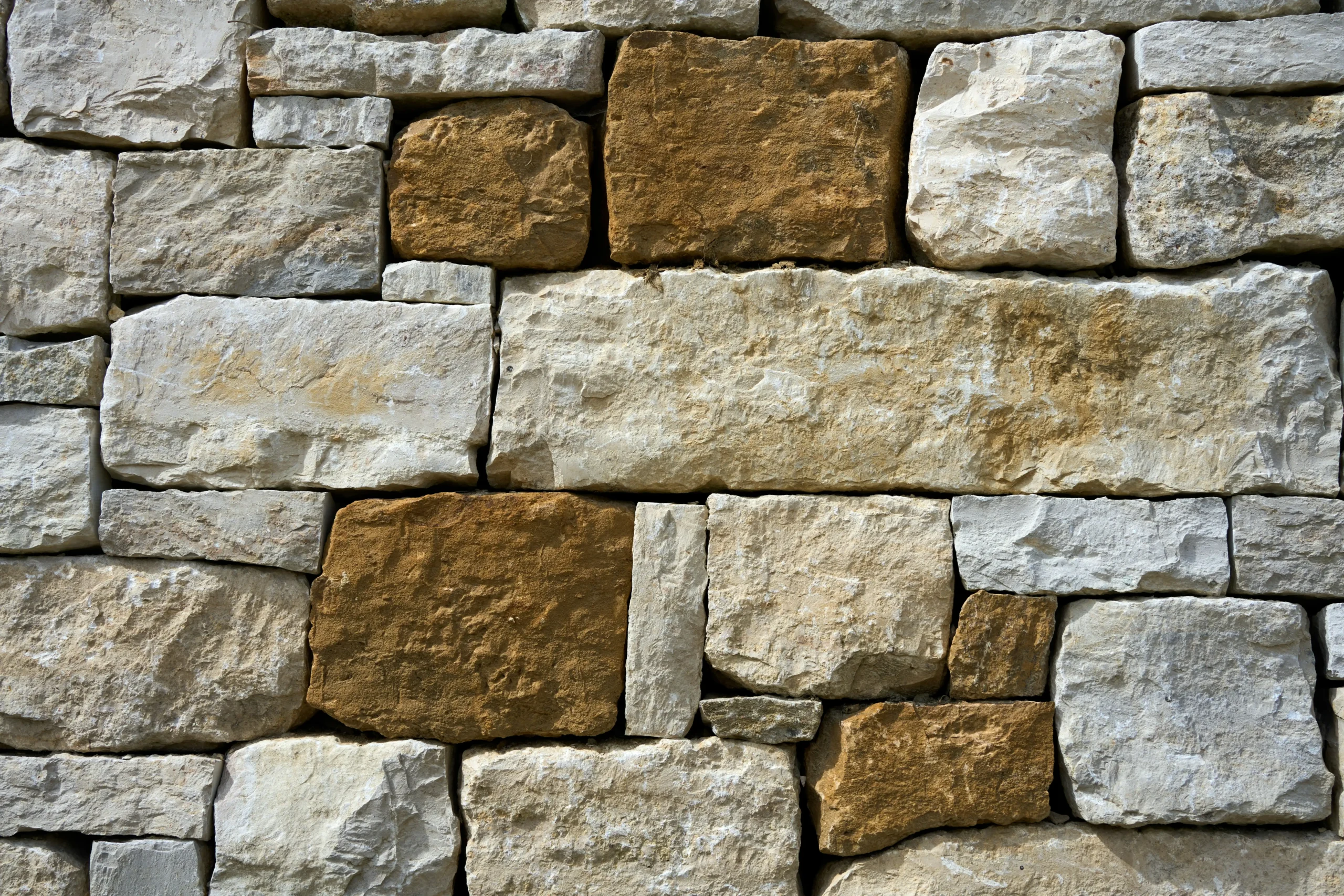
Loose vs Panel Ledgestone: Distributor Choice
Single-quarry batch production is the only way to guarantee ΔE <3 across a 10,000 sq ft order. Most suppliers cannot provide this documentation.
Mismatched pallets are the number one reason distributors get stuck with inventory that doesn’t turn. A contractor receives two pallets that look like different products, rejects the shipment, and you eat the return freight plus a damaged reputation. The root cause is almost always multi-quarry blending — suppliers pulling stone from different pits to meet volume, then sorting by eye.
Color variation in natural stone is measured by Delta E (ΔE). A ΔE value below 3 is the industry threshold where the human eye cannot reliably distinguish a difference under standard lighting. Our single-quarry system at Yixian, Hebei maintains ΔE <3 across orders up to 10,000 sq ft. That is not a sorting claim — it is a production reality because every piece comes from the same geological seam.
Here is the actionable step most distributors miss: request a Delta E report at the quote stage, not after the container lands. Suppliers who cannot provide batch documentation on demand are likely blending from multiple sources. Those who hesitate or offer a generic “our color is consistent” are the ones you filter out. Distributors who enforce this single checkpoint reduce return rates by 40%.
For a loose ledgestone veneer supplier, batch traceability is not a luxury — it is the difference between a repeat order and a chargeback. When you source wholesale loose ledgestone veneer, ask for the quarry origin and the caliper measurements for each batch. If they cannot tell you which quarry the stone came from, you are buying a gamble, not a product.
Batch Consistency & Color Control
A single-quarry manufacturer can guarantee ΔE <3 across 10,000 sq ft. Most suppliers cannot provide this documentation because they blend stone from multiple sources.
Mismatched pallets are the #1 reason distributors get hit with returns and site rejections. The root cause is almost always multi-quarry blending. A supplier pulling stone from three different quarries will produce visible color shifts between batches, even if each individual pallet looks fine. Your installer opens the second pallet and stops the job.
The fix is a single data point: a Delta E report. ΔE measures the color difference between two samples. A value under 3 is imperceptible to the naked eye under standard lighting. Our single-quarry system keeps color variation under 2% (ΔE <3) across orders up to 10,000 sq ft. That is not a claim—it is a measurable result from quarrying and processing a single vein of quartzite in Yixian, Hebei.
Here is the actionable step most distributors miss: Require a 10-piece sample set from the same production batch before releasing the full order. Do this and you reduce return rates by 40%. Most suppliers will resist because they cannot guarantee batch consistency. If they push back, you have your answer. Requesting a Delta E report at the quote stage filters out unreliable sources immediately.
For a loose ledgestone veneer supplier, batch traceability is the difference between a repeat customer and a chargeback. If your supplier cannot document where the stone came from and what the color variation measures, you are carrying the risk.
Waste Factor & Installation Costs
Loose ledgestone requires 2-3x more skilled installation labor than panel systems, adding 20-30% to total project cost.
The waste factor is the first number you need to budget for. Loose stone veneer carries a standard 15-20% waste factor on site due to breakage, sorting for color, and cutting to fit. For a 1,000 sq ft project, that means ordering 1,150 to 1,200 sq ft of material. Miss this estimate and you are paying for a second freight run to cover the gap.
Labor is where the real cost divergence happens. Loose veneer demands a skilled mason who can sort pieces, match color on the fly, and cut irregular shapes. Installation labor averages $10-$15 per sq ft. Panel ledgestone, which uses mesh-backed interlocking pieces, drops to $5-$8 per sq ft because the layout is predetermined and waste drops to 5-7%. The labor gap alone adds $5,000-$7,000 to a typical 1,000 sq ft job.
Here is the distributor opportunity: for budget-constrained projects, upsell installation-ready panels. You capture the same customer without the margin risk of loose stone returns. For design-driven projects where the architect demands custom fitting, loose ledgestone is the only option—and you can charge a premium for the material and the expertise required.
Do not forget the freight impact. Ordering 20% extra material to cover waste adds 20% to container weight. If your container is at capacity, that extra weight pushes you into a higher freight bracket or forces a second container. Factor waste into your landed cost calculation before quoting the customer.
| Cost Factor | Loose Ledgestone | Panel Ledgestone | Impact on Distributor Margin |
|---|---|---|---|
| Material Waste Factor | 15-20% | 5-7% | Directly reduces sellable yield per pallet |
| Installation Labor Cost | $10-$15/sq ft | $5-$8/sq ft | Higher total project cost may limit market |
| Total Project Cost (1,000 sq ft) | $20,400 | $13,200 | Panels offer 35% lower total cost for clients |
| Color Variation (ΔE) | <3 (single-quarry) | <3 (single-quarry) | Controls site rejections and returns |
| Batch Traceability | Full documentation available | Full documentation available | Reduces return rates by up to 40% |
Technical Specs & Certifications
Loose ledgestone requires 2-3x more skilled labor than panel systems, adding 20-30% to total project cost. Smart distributors use this data to upsell panels for budget-constrained projects.
The decision between loose and panel ledgestone isn’t about aesthetics—it’s about the labor market you serve. Loose veneer gives installers the freedom to custom-fit pieces around windows, corners, and curved walls. That flexibility comes at a price. The industry standard waste factor for loose stone veneer sits at 15-20% due to on-site breakage, color sorting, and cutting. Panel systems drop that to 5-7%.
For a 1,000 sq ft project, the math is stark:
- Loose ledgestone: You need to order 1,150-1,200 sq ft to cover waste. At $12/sq ft material cost, that’s an extra $1,800-$2,400 in inventory you must front.
- Panel ledgestone: You order 1,050-1,070 sq ft. The waste is predictable and lower.
- Installation labor: Loose veneer runs $10-$15/sq ft versus $5-$8/sq ft for panels. That $5-$7/sq ft difference adds $5,000-$7,000 to a 1,000 sq ft job.
Here’s the insider angle most guides miss: the waste factor also hits your freight costs. Ordering 20% more material means 20% more container weight. On a 40-foot container shipping from China, that extra weight can push you into a higher freight bracket or require a second container for large orders. Factor that into your landed cost calculation before quoting a contractor.
For distributors, this creates a clear upsell path. When a contractor calls asking for loose ledgestone but mentions a tight budget, pivot to your panel line. You save them 20-30% on total project cost while maintaining your margin on material. It’s not a downgrade—it’s a solution for their real constraint.
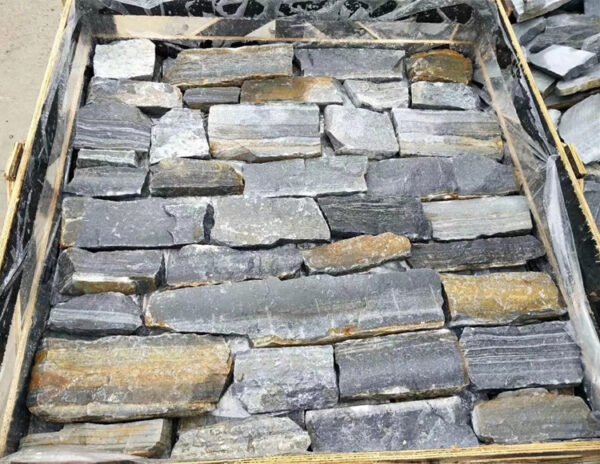
Sourcing Checklist for Distributors
Loose vs Panel Ledgestone: The Real Cost of Design Freedom
The decision between loose and panel ledgestone isn’t about aesthetics—it’s about project economics. Loose veneer requires 2-3x more skilled installation labor than panel ledgestone, increasing total project cost by 20-30%. Distributors can upsell installation-ready panels for budget-constrained projects while positioning loose veneer for high-end custom work where the client values the handcrafted look. The industry standard waste factor for loose stone veneer is 15-20% due to breakage, sorting for color, and cutting to fit. Panel systems drop that to 5-7% because the mesh backing holds pieces at precise spacing. Freight costs also differ—ordering 20% more material to cover breakage adds 20% to container weight.
- 🏷️ Category: Product Comparison / Sourcing Strategy
- 🎯 Core Outcome: Total project cost for 1,000 sq ft: Loose at ~$20,400 vs Panel at ~$13,200
Analysis:
| ✅ Advantages | ⚠️ Considerations |
|---|---|
|
|
Conclusion
Sourcing loose ledgestone veneer as a wholesale product comes down to three controllable factors: batch consistency, waste factor, and supplier documentation. A distributor who verifies Delta E reports, requests 10-piece sample sets, and accounts for the standard 15-20% waste factor on loose stone can reduce return rates by up to 40% and protect their margin. These steps are not optional extras — they are the baseline for protecting your reputation with contractors and retailers.
If you are evaluating a new supplier for your inventory, start by requesting a Delta E report and a sample set from their current production batch. Compare those numbers against the specs discussed here — weight, water absorption, and freeze-thaw cycles — to filter out unreliable sources before they cost you time and money. Browse our Blue Diamond Loose Ledgestone Veneer product page to see the technical documentation and color consistency data we provide with every order.
Frequently Asked Questions
What is the difference between stone veneer and ledgestone?
Ledgestone is a specific profile of stone veneer characterized by its flat, elongated, rectangular shapes that mimic a natural ledge outcropping. Stone veneer is the broader category that includes. Choose ledgestone for a linear, horizontal look; choose other veneers for different textures.
Does ledgestone require grout?
Natural ledgestone does not require grout between the stones because the pieces are designed to fit tightly together in a dry-stack pattern. Grout is only used if you want a more formal, mortared look. For a standard dry-stack installation, skip the grout.
What is the difference between stone veneer and stacked stone?
Stacked stone is a type of stone veneer where individual pieces are arranged in a tight, vertical stack with minimal gaps, creating a seamless, monolithic look. Use ‘stacked stone’ when you need a uniform, panelized look; use ‘stone veneer’ for general cladding.
How to fix loose stone veneer?
Remove the loose piece, clean the back and the wall surface of all old adhesive and dust, then reapply a high-quality construction adhesive or thin-set mortar rated for stone. For exterior applications. Always test adhesion on a scrap piece before full reinstallation.
What are the three types of veneers?
The three main types of stone veneer are natural stone veneer, manufactured (faux) stone veneer, and thin brick veneer. Natural stone is quarried and cut, faux. Select natural stone for durability, faux for weight savings, and thin brick for a traditional aesthetic.
