

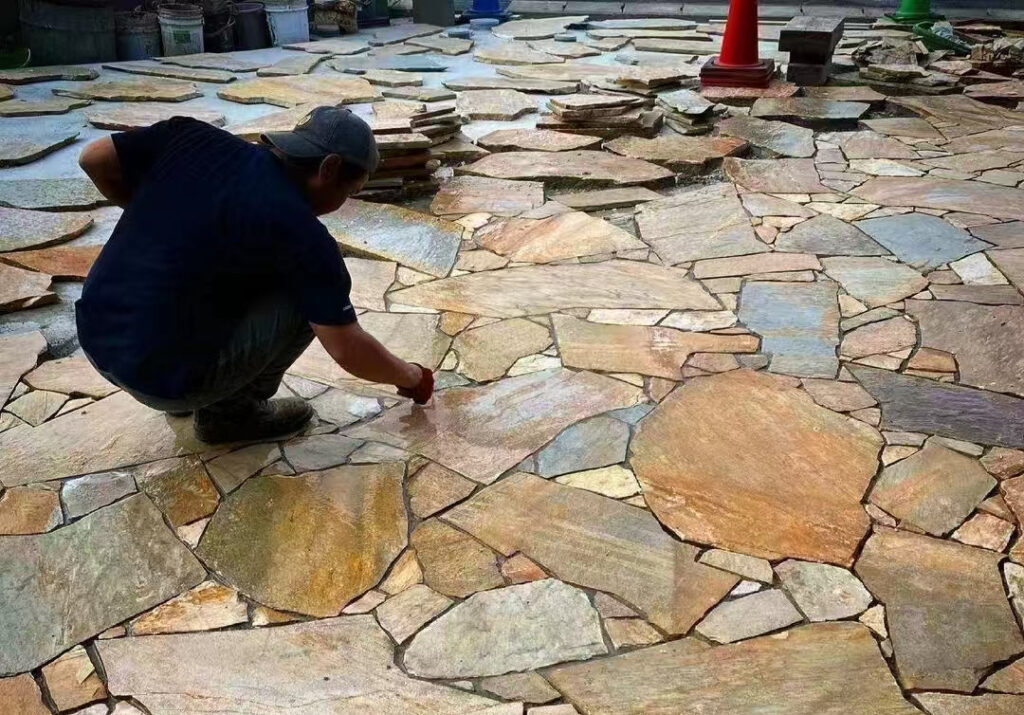
Integrating a regular program for sealing & maintenance into your project lifecycle is the most effective way to prevent premature facade failure and the high costs of structural remediation. When natural stone remains unprotected, water infiltration leads to efflorescence and freeze-thaw damage that can compromise the building envelope and void manufacturer warranties. For property managers and contractors, ignoring these preventative measures often results in expensive surface restoration or total material replacement long before the expected end-of-life for the masonry.
This guide establishes a technical protocol for managing natural thin stone veneer, starting with an analysis of stone porosity and the chemical differences between penetrating and film-forming sealers. We detail specific methods for exterior moisture protection, pH-neutral cleaning techniques that avoid the stone-damaging effects of muriatic acid, and a long-term re-application schedule. These steps provide a standardized operating procedure to keep stone installations durable and visually consistent across seasons.
Understanding the Porosity of Natural Quarried Stone
Porosity dictates the fundamental performance of thin stone veneer, determining how mineral structures manage moisture migration, adhesive bonding, and long-term resistance to environmental pollutants.
Natural Stone Density and Absorption Rates
Natural materials such as slate, quartzite, and marble contain a complex network of microscopic pores that govern their interaction with moisture. Slate and quartzite typically exhibit lower absorption rates than sedimentary stones like limestone, which makes them preferred selections for high-humidity or wet environments. Technical specifications in the 2026 market show that these high-density minerals maintain structural integrity even when subjected to consistent vapor pressure.
The stone’s density also carries significant logistical implications. Our premium natural thin stone veneer typically averages between 10 and 14 lbs per square foot, a well-optimized range dictated by its precise thickness and high mineral density. Because these variations affect the surface tension of the stone, installers often utilize high-strength epoxy resins or modified thin-sets to ensure a permanent bond that compensates for disparate surface textures and low-suction profiles in denser rocks.
The Impact of Porosity on Stain Resistance
A stone’s pore structure acts as a capillary system, determining how quickly it pulls oils, organic matter, and environmental pollutants into the substrate. Highly porous variations act like sponges, absorbing liquids that can lead to deep-seated, permanent discoloration if the surface remains untreated. Managing this risk requires a precise understanding of the stone’s mineralogy; for instance, while marble offers a luxury aesthetic, its calcium-based structure remains far more sensitive to acidic cleaners compared to the chemically inert nature of quartzite.
Contractors must identify the specific stone type early in the project lifecycle to predict maintenance requirements. High-density quartzite integrity offers superior resistance to staining and provides a lower lifecycle cost due to its reduced need for aggressive chemical cleaning. By selecting stones with tighter molecular structures, facility managers can significantly extend the interval between professional-grade sealing applications.
Vapor Transmission and Structural Integrity
Porosity is not merely a vulnerability; it is a functional requirement for stone longevity. Natural stone is inherently UV-stable and weather-resistant, yet it is not a waterproof barrier. Breathable surfaces allow for the movement of water vapor, a necessary process that prevents moisture from becoming trapped within the wall assembly. This vapor transmission is critical in 2026 architectural applications to mitigate the risk of internal stone degradation over time.
To manage the water that naturally permeates through the stone and joints, installers must integrate moisture barriers, drainage planes, and flashing systems into the building envelope. Utilizing the natural porous qualities of the stone—rather than sealing it hermetically—reduces the risk of freeze-thaw damage. When water can escape as vapor, the stone remains stable across extreme temperature fluctuations, preserving the structural integrity of the facade for decades.
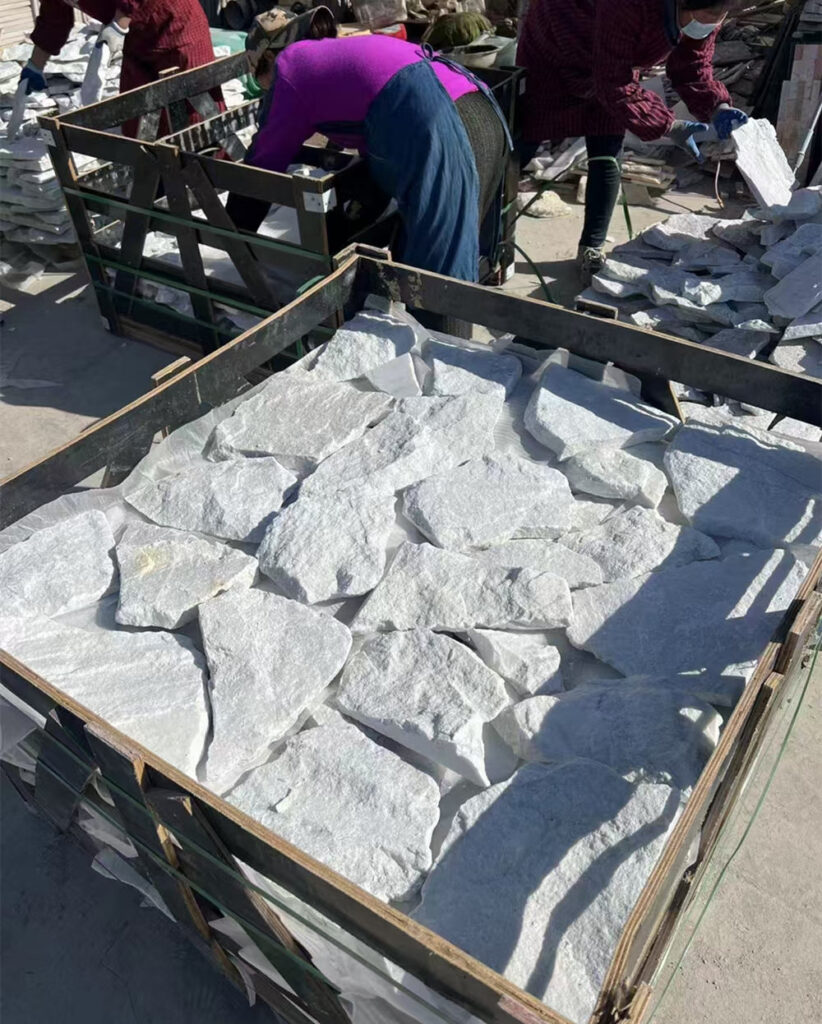
Penetrating Sealers vs Film-Forming Sealers
Effective stone protection in 2026 relies on selecting chemistries that manage moisture-vapor transmission while preserving the high-density quartzite integrity of natural thin stone.
Penetrating Sealers for Breathability and Longevity
Penetrating sealers, typically formulated from silane or siloxane resins, sit below the surface of the stone rather than coating it. These solutions repel liquid water at the molecular level while allowing internal moisture vapor to escape, a process critical for maintaining the structural health of exterior facades. By preventing liquid saturation within the stone’s pores, these sealers mitigate the risk of internal water expansion during harsh freeze-thaw cycles, which is essential for projects in North American and European climates.
| Performance Metric | Penetrating (Silane/Siloxane) | Film-Forming (Acrylic/Urethane) |
|---|---|---|
| Visual Impact | Invisible / Natural Matte | Wet Look / High Gloss |
| Vapor Transmission | Highly Breathable | Low to Zero (Traps Moisture) |
| Lifespan | 5–10 Years | 1–3 Years (Prone to Peeling) |
| Application Area | Exterior Facades / High Traffic | Interior Feature Walls |
For commercial operators and wholesalers, penetrating sealers represent a low-maintenance, long-term asset management strategy. Because they do not alter the texture or appearance of our individually sawn-back loose stone, they preserve the zero-repeat natural variation that architects demand for high-end cladding projects.
Film-Forming Sealers for Aesthetic Enhancement
Film-forming sealers create a physical protective barrier on the surface of the stone. We generally recommend these for interior applications where design requirements call for a “wet look” or boosted color saturation. These coatings provide excellent resistance against surface-level contaminants, making them suitable for high-contact zones like retail reception desks or backsplash areas in residential feature walls.
- Enhances the color depth of minerals like Blue Quartzite or Black Quartzite.
- Creates a sacrificial layer that protects against oil and food stains in interior settings.
- Requires more frequent monitoring as the topical layer can wear, flake, or peel under heavy UV or foot traffic.
Environmental Compliance and VOC Standards
Current industry standards in 2026 demand a move away from solvent-based carriers toward water-based, low-VOC (Volatile Organic Compound) chemistries. These eco-friendly formulations ensure that sealing stone facades does not compromise air quality or run afoul of LEED certifications. Utilizing nanoparticle-enhanced sealers ensures deep penetration and bond strength without the harsh odors or environmental toxicity associated with legacy products.
Selecting compliant sealers involves verifying technical data sheets against regional environmental regulations. Water-based silane/siloxane hybrids provide the necessary technical performance for climate-tested durability while maintaining safety for installers and adjacent landscaping during large-scale applications.
Premium Loose Stone Veneer for Architectural Projects

Protecting Exterior Thin Stone Veneer from Water and Efflorescence
Effective exterior stone protection requires a dual-strategy of mechanical drainage systems and vapor-permeable chemical barriers to prevent moisture entrapment.
Moisture Management and Drainage Systems
Exterior thin stone veneer systems demand integrated moisture management to prevent water from stagnating behind the panels. We recommend a dedicated drainage plane combined with proper flashing at all penetrations, including windows and doors, to direct bulk water away from the structural wall. Utilizing a moisture-resistant barrier on the substrate is essential for protecting the building envelope, particularly in wet climates where wind-driven rain can bypass the stone surface.
| Protection Layer | Technical Function | Critical Maintenance |
|---|---|---|
| Drainage Plane | Evacuates trapped moisture via weep holes | Clear debris from base gaps biannually |
| Silane Sealer | Blocks liquid water; allows vapor escape | Re-apply every 3–10 years based on exposure |
| Quartzite Veneer | High-density mineral resistance | Low-pressure rinse to remove atmospheric salts |
Installers must maintain weep holes or drainage gaps at the base of exterior walls. These openings allow trapped moisture to exit the assembly, preventing hydro-static pressure that can lead to bond failure. Without these mechanical vents, even the most durable natural stone can experience issues as moisture migrates through the substrate toward the stone face.
Mitigating Efflorescence with Breathable Sealers
Efflorescence occurs when water carries soluble salts from the mortar or substrate to the stone surface. As the water evaporates, it leaves behind white, chalky deposits. Managing this effectively requires silane or siloxane penetrating sealers. These chemistries create a hydrophobic barrier that blocks liquid water from entering the stone while remaining vapor-permeable, allowing internal moisture to safely evaporate without trapping salts behind the face.
- Apply high-quality penetrating sealers to both the stone face and the joints for a uniform barrier.
- Avoid film-forming or acrylic coatings that can trap moisture and cause stone spalling.
- Fix the moisture source—such as leaky gutters or poor grading—before attempting to clean existing efflorescence.
Adhesive Performance in Exterior Environments
The bond between the thin stone veneer and the substrate must withstand constant thermal expansion and moisture exposure. We recommend high-strength adhesives or modified mortars specifically rated for exterior use and freeze-thaw resilience. For premium projects in 2026, epoxy resins or nano-hybrid mortars provide the necessary flexural strength to handle the “reservoir effect” common in stone facade systems.
Surface preparation is as critical as the adhesive itself. Installers should clean the back of each stone panel to remove quarry dust or residues that could interfere with suction. Top Source Stone’s sawn-back finish provides a precision-cut, flat bonding surface that increases contact area, ensuring maximum adhesion and significantly reducing on-site labor by up to 30% compared to irregularly backed alternatives.
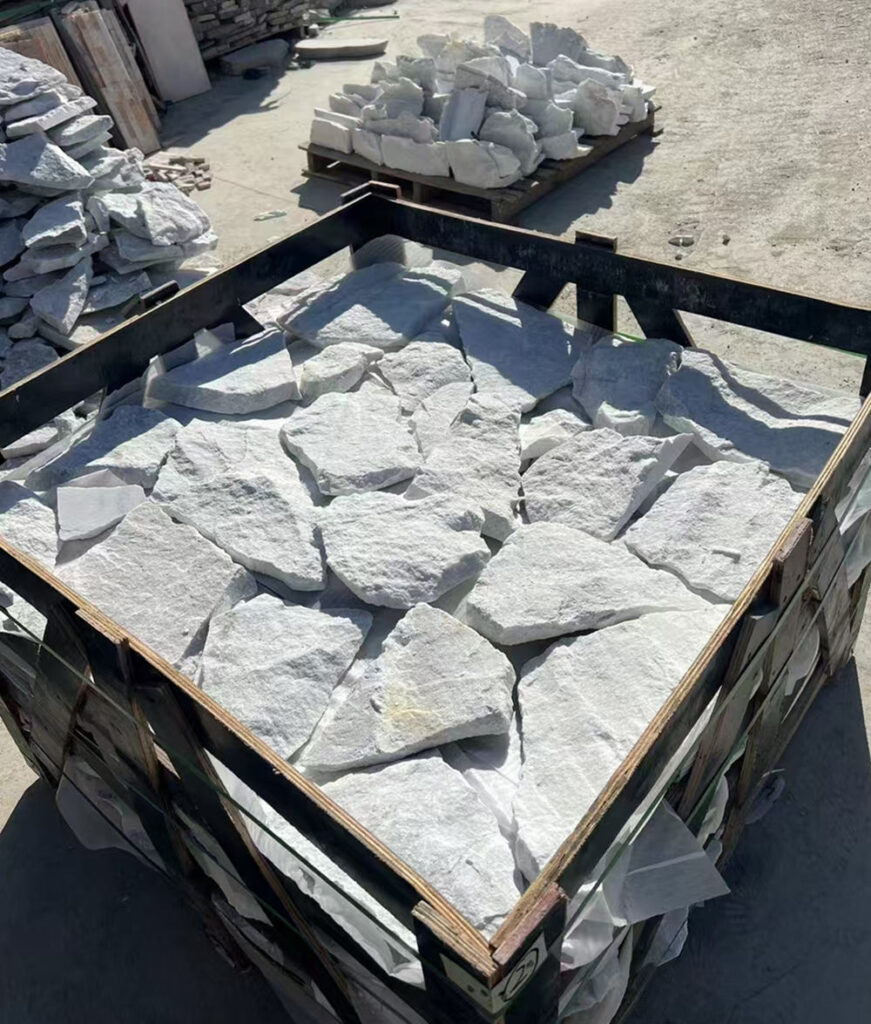
Cleaning Dirt and Algae Without Harsh Muriatic Acids
Switching to pH-neutral surfactants and targeted biocides preserves the mineral face of natural stone while preventing the structural degradation common with traditional acid washing.
Safe Alternatives to Corrosive Acid Washes
Standard masonry practices previously relied on muriatic acid to strip efflorescence and dirt, but this approach often causes irreversible damage to high-density minerals. Natural stones like slate or marble react poorly to strong acids, resulting in surface etching, pitting, and an unsightly yellow oxidation. We recommend using pH-neutral stone soaps for routine maintenance. These formulas lift surface contaminants without stripping the stone’s natural protective patina or altering the texture of specialized sawn-back finishes.
| Cleaning Agent | Impact on Natural Stone | Recommended Use |
|---|---|---|
| Muriatic Acid | Causes etching, yellowing, and joint erosion. | Avoid on all thin stone veneers. |
| pH-Neutral Soap | Safe for 100% natural stone; preserves color. | Weekly or monthly maintenance. |
| Oxygen Cleaners | Biodegradable; lifts organic stains safely. | Heavy-duty restoration/Algae removal. |
For heavy-duty restoration where neutral soaps fall short, oxygen-based cleaners provide a non-toxic alternative. These solutions use active oxygen to break the molecular bonds of organic stains and dirt. Unlike corrosive acids, these organic-based cleaners do not damage surrounding vegetation or landscaping, making them ideal for exterior facades and retaining walls in residential or high-traffic commercial environments.
Biological Growth Removal and Prevention
Algae and mildew thrive in moisture-prone areas, often anchoring deep within the pores of the stone. Agressive scrubbing only removes the surface growth, leaving roots intact for rapid regrowth. Instead, we utilize specialized stone-safe biocides that penetrate the stone’s microstructure to eliminate spores at the source. This method ensures a longer-lasting clean and reduces the frequency of maintenance cycles for exterior wall cladding.
- Apply biocides using low-pressure sprayers to ensure deep saturation without abrasive force.
- Avoid high-pressure washing (over 1500 PSI) which can dislodge smaller stones or erode mortar.
- Target North-facing walls and shaded areas where moisture retention is highest.
Maintaining Aesthetics and Structural Integrity
Maintaining natural thin stone veneer requires a balance between cleanliness and chemical restraint. While Top Source Stone products feature 100% natural stone, the installation often involves high-strength mortars or specialized epoxy resins in certain configurations. Aggressive chemical cleaners can weaken these bonds over time. By opting for gentle, surfactant-based cleaning, you ensure the “Real Natural Beauty” of the quartzite or granite remains vibrant without the pixelated or faded look seen in artificial concrete alternatives.
Post-cleaning procedures are just as vital as the cleaning itself. Always rinse the facade thoroughly with clean water to prevent a “surfactant film” from forming. This residue, if left behind, acts as a magnet for urban pollutants and dust, leading to faster soiling. Adopting this controlled cleaning protocol protects your investment and maintains the climate-tested durability of the stone veneer for decades.
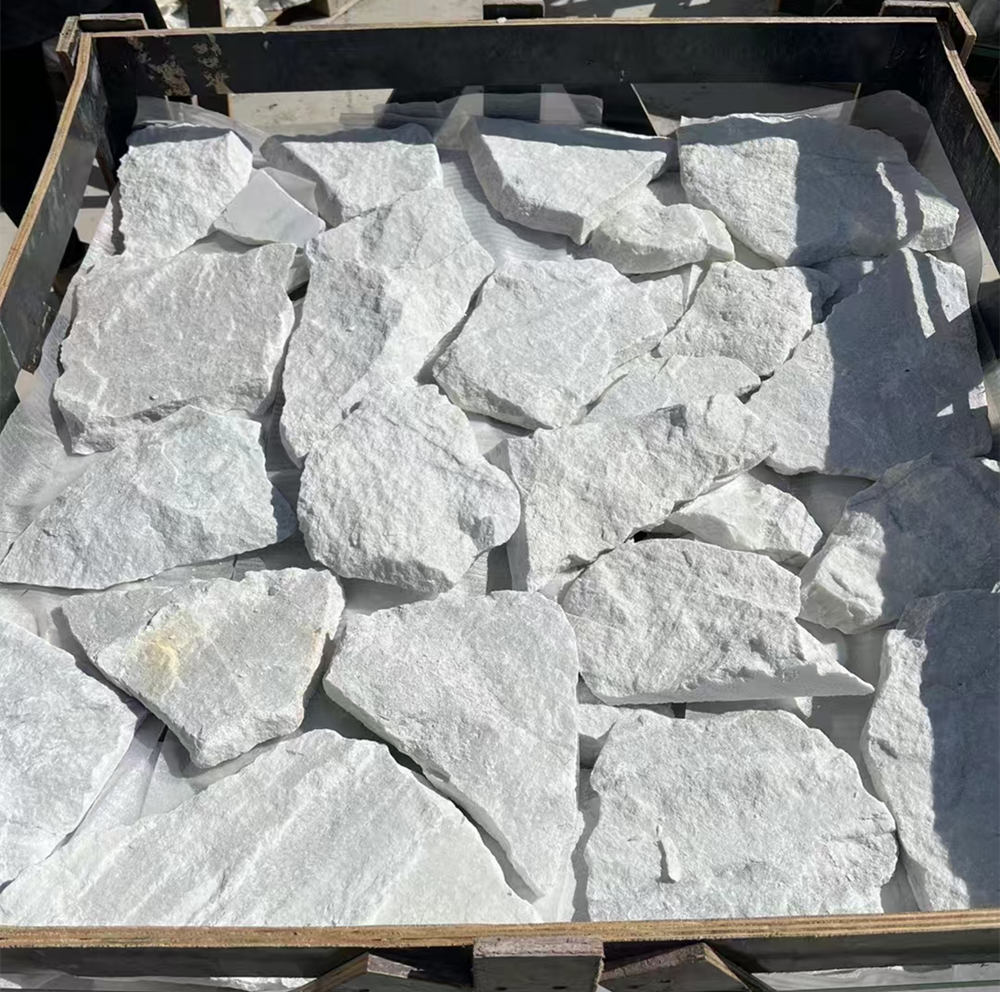
How Often Should You Re-Seal Your Stone Facade?
Effective stone maintenance shifts from reactive repairs to planned asset management, with re-sealing intervals typically spanning 3 to 10 years based on material density and environmental exposure.
Typical Maintenance Intervals for Different Stone Types
Natural stone porosity dictates the breakdown rate of protective barriers. High-density materials like quartzite or marble offer superior resistance and typically require attention only every 5 to 7 years. Because these stones possess tight mineral structures, they limit the depth of water infiltration, preserving the sealer’s efficacy for longer durations. In contrast, softer or more porous stones like specific sandstones or slates may need a fresh application every 3 to 5 years to maintain their water-repellent properties.
Modern commercial specifications in 2026 increasingly favor nanoparticle-enhanced penetrating sealers. These advanced chemistries bond deeper within the stone substrate, often extending the functional life of the coating beyond a decade. This longevity reduces the total lifecycle cost for large-scale projects, making high-performance sealers a standard for premium architectural builds.
Environmental Factors Affecting Sealant Longevity
External conditions significantly impact how quickly a stone facade loses its protection. Southern or western-facing walls endure intense UV exposure, which can accelerate the degradation of film-forming sealers, causing them to yellow or peel. Coastal installations face even greater challenges; salt spray and high moisture levels can lead to salt crystallization within the stone pores if the sealer is not maintained, necessitating more frequent inspections.
Urban environments introduce pollution and acid rain, which chemically wear down protective surfaces over time. For metropolitan buildings, a three-year check-up is the industry baseline. Monitoring these environmental stressors allows facility managers to adjust their maintenance schedules before moisture ingress causes structural damage or unsightly staining.
Testing for Sealer Integrity and Water Repellency
Facility managers rely on physical diagnostics rather than strictly following calendar dates. The “water bead test” remains the most reliable field method: splash water onto the stone surface and observe. If the water beads and rolls off, the sealer remains intact. If the stone absorbs the liquid and darkens within minutes, the protective barrier has failed and requires immediate re-application.
Visible efflorescence—a white, powdery salt deposit—serves as a clear warning sign. These deposits indicate that water is moving freely through the stone veneer, dissolving internal salts and carrying them to the surface. Furthermore, “hot spots” or uneven color fading often mark areas where the sealant has thinned or washed away due to concentrated wind or rain exposure.
Best Practices for Re-Application and Surface Prep
Successful re-sealing depends entirely on the preparation of the substrate. Any dirt, algae, or residual oils must be removed using a pH-neutral cleaner to ensure the new sealer bonds correctly. Avoid harsh muriatic acids, as they can etch the stone and damage the mortar joints. Once cleaned, the facade must dry completely for at least 24 hours; trapping moisture behind a new seal can lead to spalling or internal delamination during freeze-thaw cycles.
Always select a breathable, penetrating sealer such as a silane/siloxane blend. These formulas allow for vapor transmission, ensuring that any moisture trapped within the wall assembly can escape as a gas. This breathability is vital for the long-term health of the building envelope, preventing the hydrostatic pressure buildup that often plagues non-breathable, film-forming coatings.
- Maintain a 5-7 year cycle for high-density quartzite integrity.
- Conduct annual water bead tests on weather-exposed elevations.
- Verify that the stone is 100% dry before applying new silane/siloxane sealers.
- Prioritize breathable formulas to ensure full-depth visual integrity without trapping moisture.
Conclusion
Protecting natural thin stone veneer with the right sealer preserves the structural integrity and aesthetic of the masonry by preventing moisture penetration and efflorescence. Using a penetrating sealer on individually sawn-back stones maintains the breathable nature of the mineral while shielding the facade from environmental wear. These maintenance practices ensure that high-density quartzite and sandstone projects retain their color and bond strength for the life of the building.
Review your current exterior maintenance schedule to ensure your stone surfaces remain protected against local climate conditions. For technical specifications or to request a sample of our quarry-sourced loose stone for your next wholesale order, contact the Top Source Stone team through our website.
Frequently Asked Questions
Do you need to seal natural thin stone veneer?
While not strictly mandatory for all installations, sealing natural thin stone veneer is highly recommended to manage the stone’s inherent porosity. Sealing acts as a critical driver for long-term durability and stain resistance, protecting your investment against water penetration, freeze-thaw cycles, and environmental contaminants. In high-exposure areas or premium projects, a tailored sealing system is essential for minimizing lifecycle maintenance costs.
What is the best sealer for exterior stone veneer?
The industry standard for exterior applications is a breathable, silane-siloxane based penetrating sealer. Current market trends favor low-VOC, nanoparticle-enhanced sealers that provide deep protection while maintaining critical vapor transmission. This allows internal moisture to escape the masonry wall while preventing liquid water from entering, which is vital for preventing structural degradation in exterior environments.
How to remove efflorescence from thin stone veneer?
Efflorescence should first be addressed by dry-brushing the salt deposits with a stiff natural-fiber brush. For persistent cases, use a specialized, pH-balanced efflorescence remover or a mild solution of white vinegar and water. Proper maintenance involves ensuring the stone is completely dry after cleaning and then applying a breathable sealer to prevent the moisture migration that brings salts to the surface.
Can you power wash thin stone veneer?
Power washing is possible but must be performed with extreme caution. You should use a low-pressure setting (under 1,500 PSI) and a wide-fan tip to avoid eroding the mortar joints or damaging the stone’s natural face. High-pressure streams can force moisture deep into the stone’s pores, potentially leading to future efflorescence or structural bond failure. Low-pressure washing followed by the application of a high-quality sealer is the preferred professional approach.
Does sealing stone veneer change its color?
The effect on color depends strictly on the type of sealer used. ‘Impregnating’ or ‘Penetrating’ sealers generally maintain a natural, matte finish with no perceptible change to the stone’s appearance. Conversely, ‘Enhancing’ sealers are specifically designed to deepen the color and provide a wet-look finish. Selection should be based on the desired aesthetic, though both types utilize nanoparticle technology to protect the stone’s internal structure.
