


Stone UV fading creates a persistent risk for dealers and property managers using synthetic stone veneers. While manufactured pigments often shift color during a predictable UV shock phase, this degradation forces expensive warranty claims and lowers property appraisal values.
We mitigate these risks by sourcing 100% natural slate and quartzite directly from specific quarry veins. This direct quarry source model ensures 95% hue uniformity and inherent UV stability, providing a project-ready solution that eliminates the long-term maintenance costs associated with synthetic pigment failure.
The Science of Color: Natural Minerals vs. Concrete Pigments
Natural stone minerals are chemically inert and UV-stable. Unlike synthetic pigments that oxidize, these geological minerals ensure architectural hues remain vivid for decades without artificial maintenance.
| Feature | Natural Stone Minerals | Synthetic Concrete Pigments |
|---|---|---|
| Color Stability | Inherent UV stability; no fading | Prone to “UV shock” and oxidation |
| Chemical Nature | Chemically inert geological matter | Mechanical dispersion in concrete matrix |
| Visual Consistency | 95% hue uniformity (same-vein sourcing) | Often appears “patchy” over time |
| Maintenance | Zero color restoration required | Requires sealing and possible restaining |
Selective Light Absorption and Mineral Stability
Natural stone color is a result of selective light absorption. When sunlight hits the stone, specific mineral particles absorb certain frequencies and reflect others. This physical process is permanent because it depends on the molecular framework of the stone rather than a surface-level dye. This chemical inertness means the stone resists unwanted interactions with the atmosphere or cleaning agents.
- Iron Oxides: Provide the deep reds, browns, and earth tones in slate.
- Chromium Oxides: Generate the natural greens found in specific quartzite deposits.
- Industrial Resistance: These minerals offer weather resistance comparable to high-grade industrial coatings but without the risk of peeling.
Same-Batch Quarry Consistency and 95% Hue Uniformity
The biggest risk in large-scale architectural projects is color shifting between different batches. Top Source Stone eliminates this by sourcing all panels for an order from the same quarry vein. This “Same-Batch Quarry Consistency” ensures that the natural variations in the stone remain within a tight 95% hue uniformity range, preventing the disjointed look common in lower-tier supplies.
Manufactured stones rely on concrete pigments that react to environmental changes at different rates. As these synthetic dyes oxidize, the wall often develops a patchy, artificial appearance. Using 100% natural slate and quartzite provides inherent UV stability, which is a requirement for meeting 2026 architectural durability standards. Choosing real stone protects the long-term value of the property and reduces the liability of color-related warranty claims for dealers and wholesalers.
- Material: 100% Natural Slate and Quartzite (No concrete fillers).
- Consistency Target: 95% hue uniformity per production batch.
- Standard: ASTM-compliant UV and freeze-thaw resistance.

Does Sunlight Exposure Fade Manufactured Stone Veneer?
Manufactured stone fades as UV rays break down synthetic concrete pigments, while natural mineral stone maintains its original color and structural integrity indefinitely.
UV Radiation and Pigment Degradation in Concrete Composites
UV radiation acts as a constant catalyst for color degradation in man-made veneers. Unlike natural rock, manufactured products rely on a mixture of cement, lightweight aggregates, and synthetic dyes. These chemical bonds are unstable when subjected to high-energy light waves, leading to a predictable breakdown of the surface aesthetics.
- UV Shock Phase: Most significant color shifts occur between 3 months and 3 years of exposure, where darker stones lighten and lighter stones may shift hue.
- Synthetic Bond Failure: Ultraviolet rays penetrate the concrete matrix and snap the chemical chains of artificial pigments.
- Quality Disparity: Lower-tier faux products often lose their visual vibrancy after just a few seasons in direct sun.
Inherent UV Stability of Natural Mineral Composition
Natural stone bypasses the fading issues found in concrete composites because its color is geological, not applied. Top Source Stone utilizes 100% natural minerals that have already spent millions of years under environmental pressure, ensuring they remain color-fast even in high-UV regions like the Southern United States or the Middle East.
- Mineral Consistency: We source from specific quarry veins to ensure 95% hue uniformity within a single batch, preventing the patchy look of aging imitations.
- Zero Artificial Tinting: Our Slate and Quartzite panels rely on raw mineral pigments that do not require surface paints or synthetic dyes.
- Structural Integrity: Natural minerals prevent the surface chalking and delamination that typically occur when concrete binders weaken over time.
- Material Selection: We focus on high-density materials like Arctic Golden and Alaska Gray which are verified for freeze-thaw and UV resistance.
Choosing natural stone protects the long-term asset value of a property. While manufactured options require frequent sealing or masonry staining to hide fading, real stone gains character without losing its base pigment. For B2B dealers and wholesalers, this translates to fewer warranty claims and higher client satisfaction on large-scale architectural projects.
Authentic Stone Ledger Panels, Factory-Direct Prices
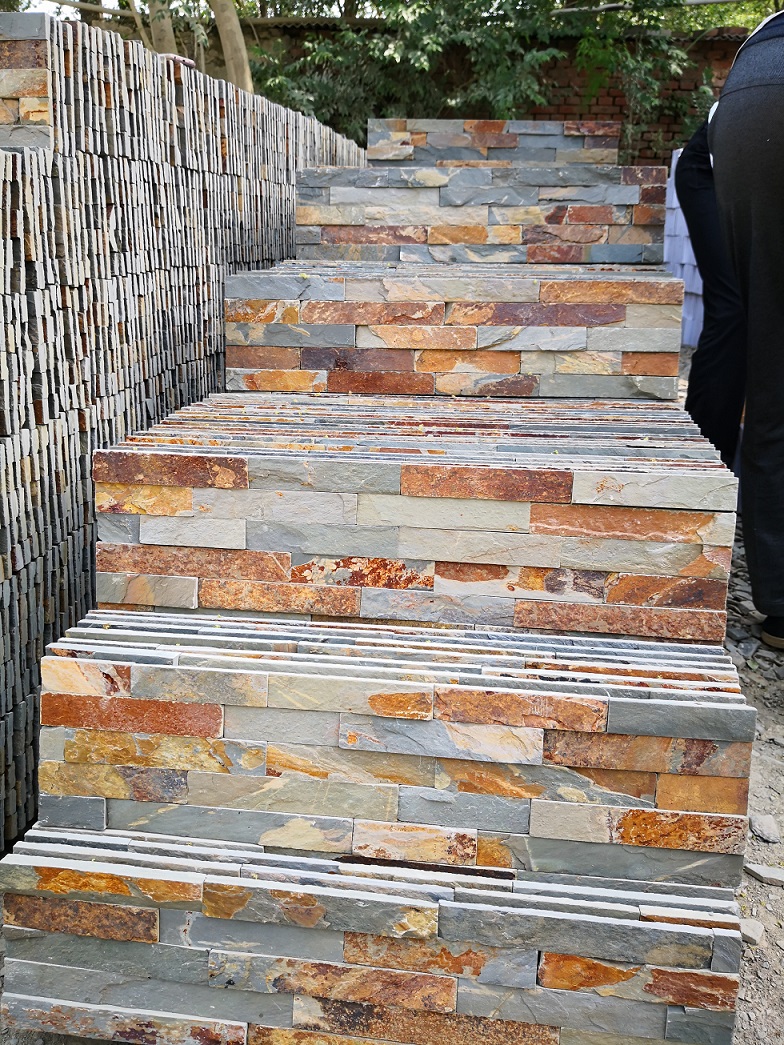
Why Natural Stone is Immune to UV Degradation
Natural stone utilizes internal minerals formed over millennia rather than surface dyes, ensuring it remains color-fast under intense solar radiation without the fading seen in synthetic alternatives.
Inherent Mineral Stability vs Organic Pigments
Natural stone color is a structural reality of the geology, not a surface-level cosmetic. While manufactured stone veneers rely on organic iron oxide pigments that oxidize and “shock” when exposed to the sun, natural minerals remain chemically inert.
- Stable Mineralogy: Granite and basalt contain minerals like plagioclase, pyroxene, and olivine that resist chemical changes from heavy UV exposure.
- Full-Depth Composition: Real stone color exists through the entire depth of the material, meaning surface wear does not reveal a different base color.
- Crystalline Density: The dense structure of quartzite limits UV ray penetration, preventing the micro-cracking often found in synthetic resin-based composites.
Same-Batch Quarry Sourcing for Lasting Uniformity
Top Source Stone applies strict quarry-side controls to ensure UV resistance translates to long-term visual consistency for commercial projects. We focus on supply chain precision to protect the aesthetic integrity of large-scale installations.
- 95% Hue Uniformity: We source every order from the same quarry vein to prevent the patchy appearance that occurs when different batches react inconsistently to sunlight.
- Environmental Resilience: Our 100% natural slate and quartzite panels meet high salinity and humidity resistance standards for high-UV markets like Australia and the Middle East.
- CNC Diamond-Blade Precision: We utilize precision cutting to ensure tight interlocking joints, protecting the installation substrate from UV-induced thermal expansion and moisture-related graying.

How Faded Siding Impacts Long-Term Property Value
Faded siding signals neglect, triggering lower appraisals and aggressive price negotiations while suggesting potential underlying structural moisture issues to cautious buyers.
Curb Appeal and the Financial Impact of Perceived Neglect
Faded exterior surfaces act as a visual red flag for professional appraisers and prospective buyers. When the building envelope shows significant color degradation, it creates an immediate psychological barrier. Buyers assume that if the owner ignored the most visible part of the asset, they likely neglected the HVAC, roofing, and structural maintenance as well.
- Buyer Perception: First impressions influence offers within seconds; faded siding often prevents buyers from even entering the property.
- Appraisal Adjustments: Professional appraisers factor the condition of the exterior into valuations, often deducting significant sums for UV damage.
- Hidden Risks: Fading frequently correlates with older materials that may have underlying moisture intrusion or poor insulation.
- Market Velocity: Properties with deteriorated exteriors stay on the market longer, forcing sellers to accept steep price cuts to attract interest.
The Asset Protection of Inherent UV Stability
Protecting property equity requires materials that resist the sun’s energy. Top Source Stone utilizes 100% natural minerals to ensure the exterior remains a value-add rather than a liability. By choosing natural stone over manufactured alternatives, developers and homeowners protect their cash flow by eliminating the need for periodic restoration.
- Material Integrity: We use 100% natural quartzite and slate which possess inherent UV stability to prevent color loss.
- Batch Consistency: Our “Direct Quarry Source” model ensures 95% hue uniformity within a single batch, preventing patchy aging.
- Maintenance Savings: Natural stone eliminates the recurring costs of repainting or chemical color restoration common in faux products.
- Market Strategy: Our “Real Stone, Real Value” approach increases desirability for the 2026 luxury real estate market.
Unlike manufactured products that rely on synthetic concrete pigments, natural stone maintains its depth and texture for decades. This durability ensures that the property’s appraisal value remains high, as the material looks as vibrant ten years after installation as it did on day one.

Can Faded Faux Stone Be Repainted or Restored?
Faded faux stone requires specialized concrete stains or penetrating dyes for temporary fixes. Switching to UV-stable natural stone eliminates the recurring maintenance costs caused by synthetic pigment failure.
Techniques for Restoring Color in Manufactured Veneers
Restoring manufactured stone involves chemical intervention because the surface color is usually a thin layer of pigment applied to a concrete base. If the stone looks gray or washed out, the synthetic dyes have likely succumbed to UV shock or oxidation. Most restoration projects follow a specific mechanical and chemical sequence to mimic the original factory finish.
- Surface Preparation: Deep clean the surface with paver-specific detergents and stiff brushes to remove oxidation, dirt, and debris that prevent color bonding.
- Penetrating Dyes: Use specialized dyes rather than surface paints. Dyes soak into the concrete pores to maintain the stone’s original texture without creating a “plastic” look.
- Semitransparent Stains: Apply acrylic concrete stains to restore multi-tonal depth. This prevents the flat, monochromatic appearance typical of cheap repainting jobs.
- Stone Enhancers: Utilize enhancer sealers to enrich existing pigments and provide a temporary moisture barrier against future weathering.
Natural Stone Stability vs. Synthetic Restoration
While restoration offers a short-term fix for faux veneers, it initiates a cycle of ongoing maintenance. Every stain or dye application eventually requires resealing. For B2B stakeholders and property owners looking for long-term ROI, replacing failed synthetic siding with natural minerals is the only way to permanently stop the fading cycle.
Top Source Stone provides natural stacked stone products made from 100% natural minerals like Quartzite and Slate. These materials possess inherent UV stability because their color is structural, not a surface coating. We apply a “Real Stone, Real Value” principle to ensure the material remains consistent through its entire thickness.
- UV-Stable Minerals: Our Quartzite and Slate selections never require repainting because they do not contain the photosensitive synthetic dyes found in concrete composites.
- Same-Batch Consistency: We source from the same quarry vein for every order, maintaining 95% hue uniformity from the initial install through decades of sun exposure.
- Interlocking Panel Systems: Our Z-Shape and S-Shape panels utilize CNC diamond-blade precision to create a seamless finish that eliminates the need for the chemical staining required by failing faux products.
- Environmental Resistance: These natural materials offer high salinity and humidity resistance, making them ideal for coastal or harsh northern climates where faux stone often delaminates.
Investing in natural stone removes the labor costs associated with the 5-to-10-year fading window of synthetic alternatives. By choosing a direct quarry source, distributors can offer a material that gains a desirable weathered look over time rather than looking like a maintenance liability.
Frequently Asked Questions
Does manufactured stone veneer fade in the sun?
Yes. Quality manufactured stone utilizes UV stabilizers to slow the process, but most products go through a “UV shock” phase during the first three years where colors shift. Our natural quartzite and slate panels at Top Source Stone avoid this problem. Because the color comes from 100% natural minerals instead of surface-applied pigments, the hue remains stable regardless of sun exposure.
How quickly do faux stone panels lose their color?
Faux stone pigments typically show noticeable fading within 5 to 10 years in direct sunlight. While the concrete or polyurethane structure might last longer, synthetic dyes degrade far faster than the earth-mined minerals found in real stone. Natural stone maintains its original texture and hue indefinitely, providing better long-term value for commercial projects.
Can sealants prevent stone from fading?
Most sealers target moisture and stains, not UV rays. Impregnating sealants offer minor UV resistance but cannot stop the chemical breakdown of artificial dyes in concrete stone. For natural stone, we recommend a color enhancer. These products deepen the vibrant appearance of the minerals rather than just sitting on the surface as a temporary shield.
Why does stone veneer sometimes turn gray over time?
Graying happens when UV radiation breaks down synthetic colorants. Moisture-driven mineral oxidation and dirt buildup also contribute to this washed-out look. To preserve the original aesthetic, clean the stone regularly with pH-neutral solutions and avoid harsh chemicals like bleach, which can strip away the remaining pigments.
Does 100% natural stone change color at all?
Natural stone is immune to UV fading, though it can develop a subtle sun-washed patina through mineral weathering. Designers often prefer this natural transition because it adds a rustic, authentic character that manufactured materials fail to replicate. Unlike faux stone, real stone “ages” into the landscape rather than looking worn out.
How can I restore the color of faded exterior stone?
Masonry staining is the most effective fix for faded faux stone because it penetrates the surface without peeling. For natural stone, apply a high-quality stone enhancer. This restores the deep, saturated “wet look” of the minerals while adding a layer of protection against water and stains.
